A research team from the Department of Earth and Planetary Sciences at The University of Hong Kong (HKU) will participate in China’s planetary exploration mission, Tianwen-3. According to the selection results released by the China National Space Administration recently, the “Short-Wavelength Infrared Spectrometer”, led and developed by HKU, has been officially chosen as a payload for deployment on the service module of the Tianwen-3 mission. The instrument will play a critical role in forecasting dust storms during landing manoeuvres, searching for biosignatures, detecting hydrous minerals, and surveying Martian resources.
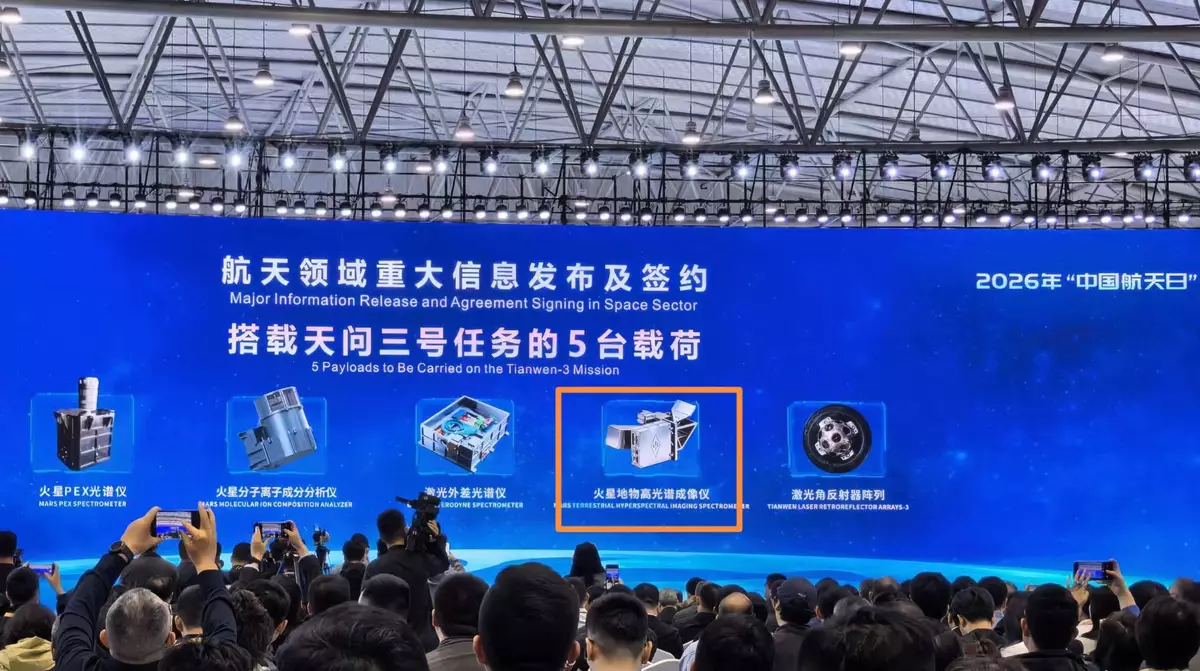
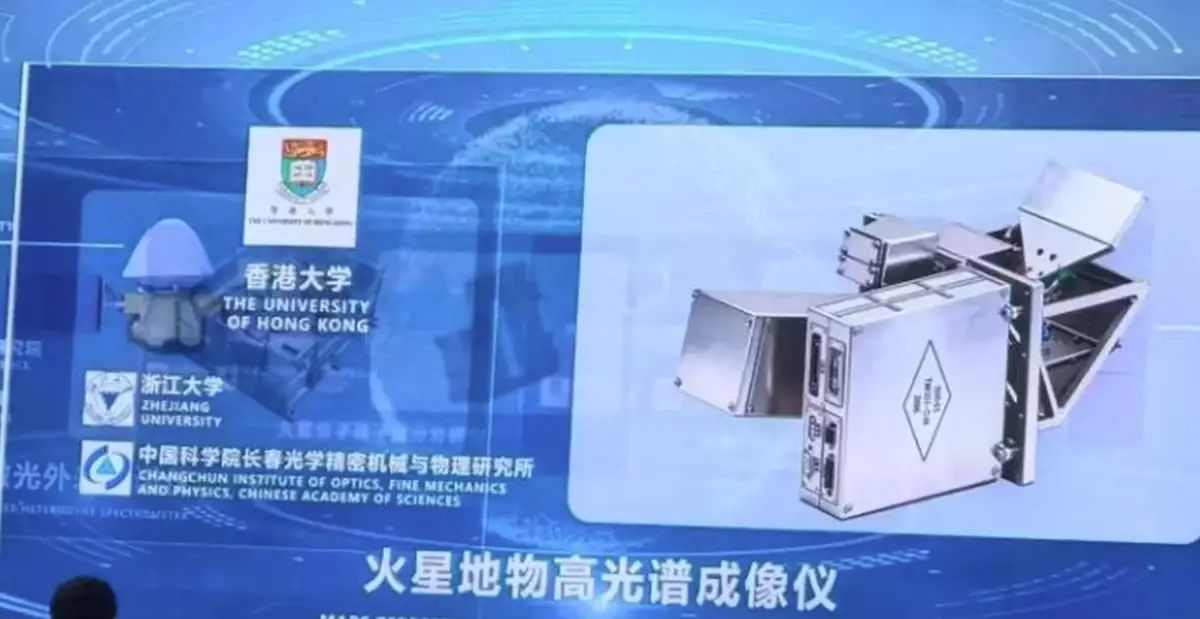
HKU Short-Wavelength Infrared Spectrometer”, led and developed by HKU, has been selected for deployment on the service module of the Tianwen-3 mission. Photo source: HKU
Tianwen-3 mission is China’s first Mars Sample Return mission. Scheduled for launch in 2028, with sample return planned for 2031, the mission aims to address fundamental scientific questions, including the uniqueness of life on Earth and the universality of biochemical mechanisms in the universe.
Professor Xiang Zhang, President and Vice-Chancellor of HKU, commented, "HKU is honoured to participate in the Tianwen-3 planetary exploration mission. The selection of our research project as a mission payload reflects the University’s deep-seated expertise in planetary science and deep-space exploration, while marking a significant contribution to the nation’s strategic advancement as a leading space power. We remain committed to deepening our frontier research to further expand the boundaries of human knowledge."
The project is led by Professor Yiliang LI of the Department of Earth and Planetary Sciences at HKU, with major collaborating institutions including Zhejiang University and the Chinese Academy of Sciences’ Changchun Institute of Optics, Fine Mechanics, and Physics.
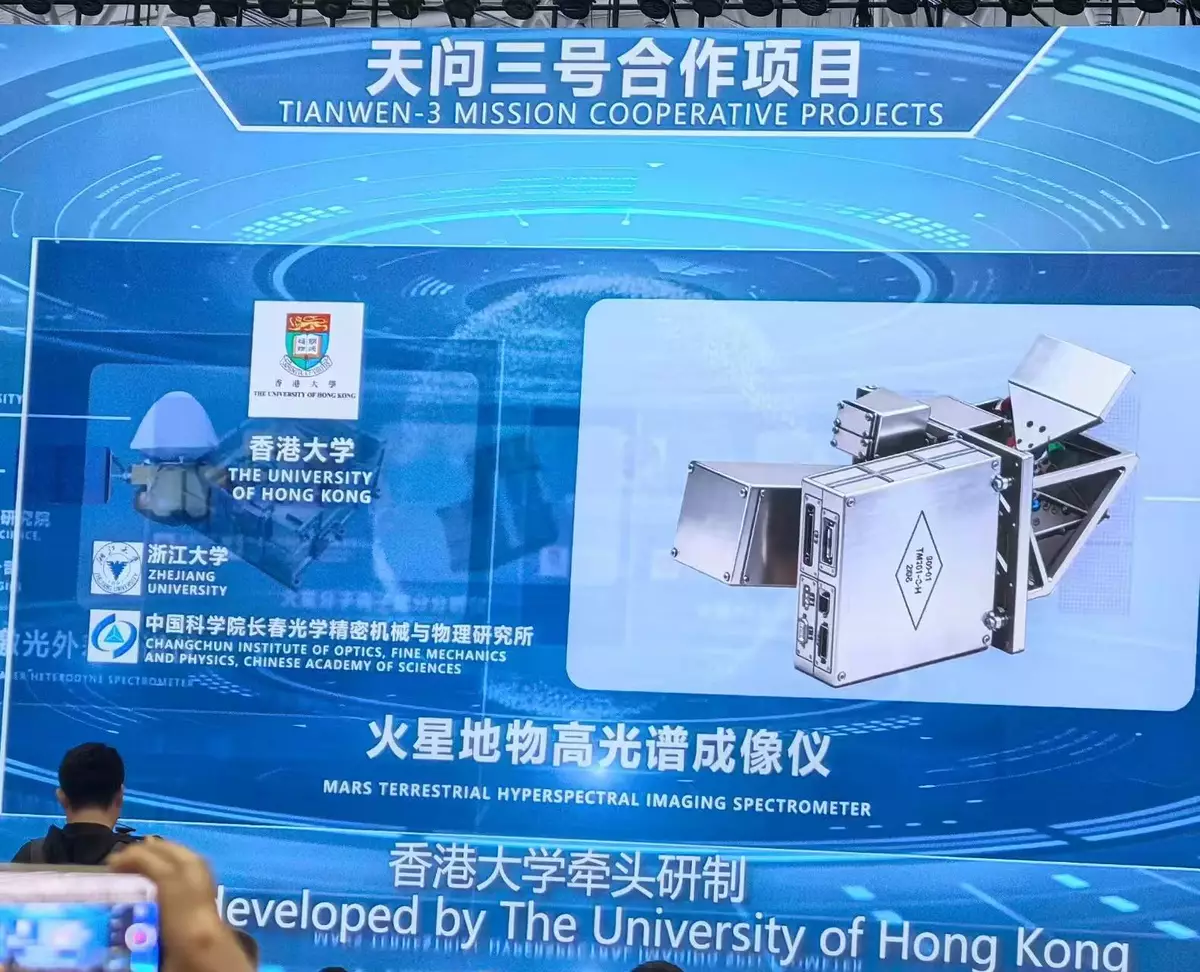
The instrument will be used for key investigations, including forecasting dust storms during the landing maneuver, searching for biosignatures, detecting hydrous minerals, and surveying resources on Mars. Photo source: HKU
The orbital spectrometer will undertake three primary tasks:
1. To monitor the potential emergence and development of dust storms, thereby guiding the safe landing of the lander at sites of highest scientific value.
2. To provide detailed, high-spatial-resolution mineralogical mapping of candidate landing sites from orbit, supporting final-stage landing site selection for the Tianwen-3 mission.
3. Following completion of the sample return phase, the instrument will remain in orbit for at least five years to conduct sustained observations of Mars’s low-latitude regions.

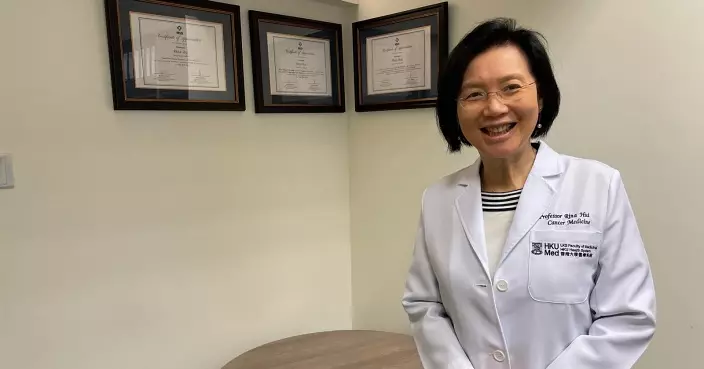
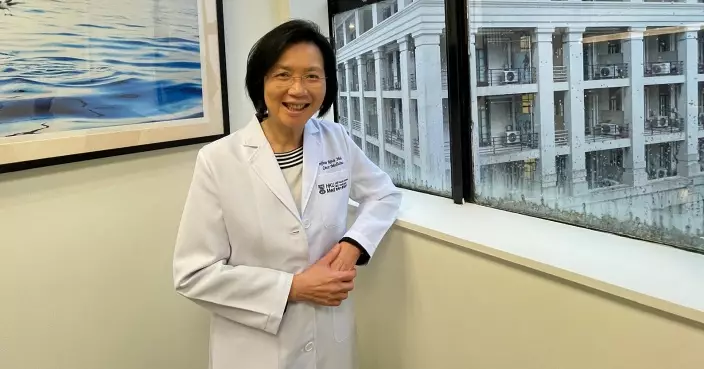
Professor Yiliang LI of HKU Earth and Planetary Sciences, Photo source: HKU
Professor Li stated, “This mission marks a significant contribution from Hong Kong’s scientific community to the nation’s deep space exploration programme. Using hyperspectral imaging technology, we will directly search for biosignatures and hydrous minerals on Mars, which is fundamentally important for understanding the distribution of life in the universe.”
Professor Li has served as a core member of both the Landing Site Selection Team and the Mission Science Team of Tianwen-3 mission. The selection of this payload demonstrates HKU’s international competitiveness in Earth and planetary sciences while fostering interdisciplinary synergy across science and engineering in Hong Kong.
Professor Li further noted that the project aligns with two concurrent developments, “First, the continued expansion of HKU’s research capabilities in Earth and planetary sciences, particularly in cosmochemistry and astrobiology focusing on solar system bodies such as asteroids, Mars and Jupiter; and second, the Hong Kong SAR Government’s strategic initiative to cultivate a local aerospace industry, by leveraging the region’s geographical advantages.”
Hong Kong’s universities have once again demonstrated academic strength on the international stage. The latest 2026 ShanghaiRanking’s Global Ranking of Academic Subjects shows that at least 90 subjects across Hong Kong’s universities have entered the global top 50, with 21 subjects ranking among the world’s top 10. The Hong Kong Polytechnic University (PolyU) claimed the top spot globally in two subjects: Transportation Science & Technology and Hospitality & Tourism Management. The University of Hong Kong (HKU), The Education University of Hong Kong (EdUHK), and The Chinese University of Hong Kong (CUHK) all made it into the global top 10 for Education, underscoring the city’s overall strength in the field.
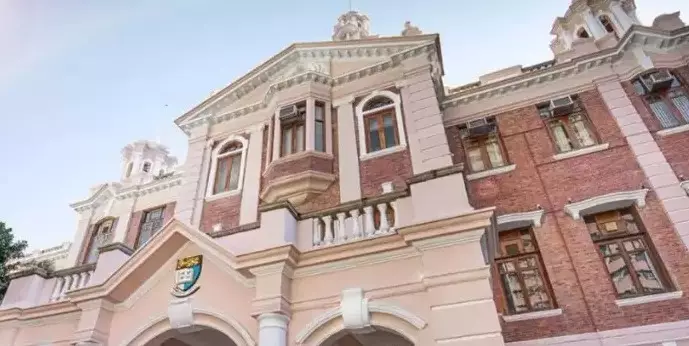
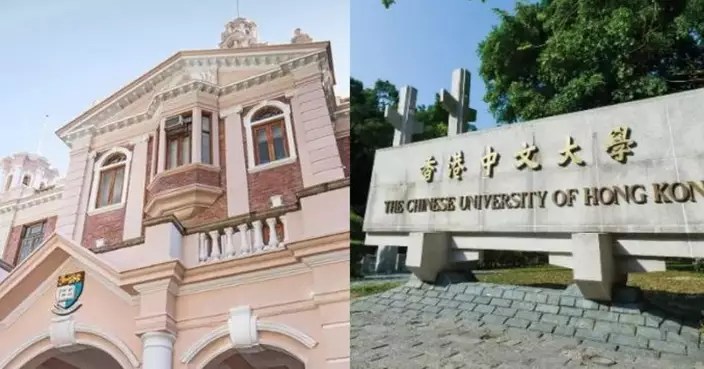
The University of Hong Kong, Photo source: reference image
HKU’s Education subject ranked second globally in this year’s ranking, its highest-ever position, while retaining its place as the top in Asia. Professor Yang Rui, Dean of the Faculty of Education at HKU, expressed his delight at the achievement. He noted that it fully reflects the collective efforts of faculty members in conducting high-level research and publishing in leading international academic journals, as well as the Faculty’s close partnerships with research collaborators worldwide, which continue to expand the reach and impact of its work. “I am deeply grateful to our Faculty members for their commitment to advancing educational knowledge and promoting the exchange and application of these outcomes worldwide,” he said.
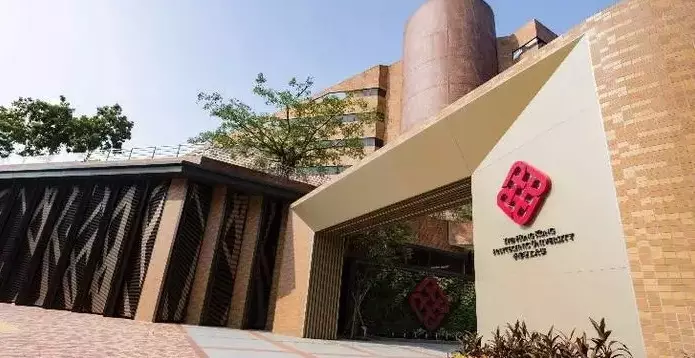
The Hong Kong Polytechnic University, Photo source: reference image
PolyU delivered the most outstanding performance in this ranking, with 23 subjects entering the global top 50, the highest number among all Hong Kong institutions. Six of its subjects ranked in the global top 10. In addition to the two subjects that topped the world, these include Management (global 2nd), Civil Engineering (global 3rd), Energy Science & Engineering (global 4th), and Mechanical Engineering (global 10th), spanning multiple traditional strengths in engineering and management.
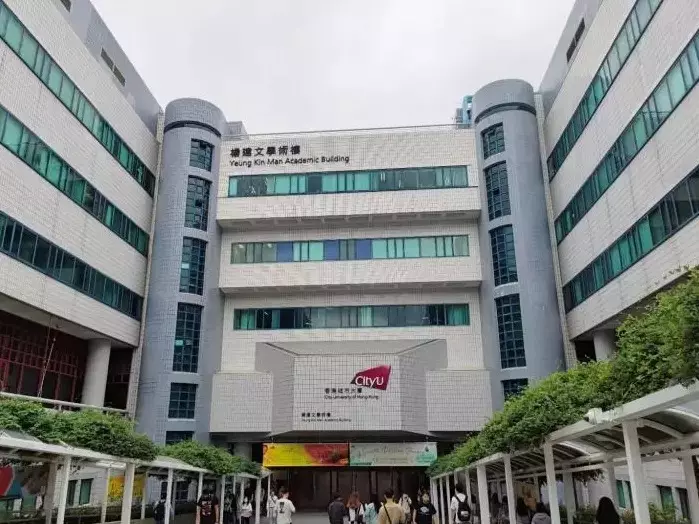
The City University of Hong Kong, Photo source: reference image
City University of Hong Kong (CityU) had 44 subjects ranked this year, two more than last year. Twenty-two subjects entered the global top 50, with four subjects- Library & Information Science, Metallurgical Engineering, Energy Science & Engineering, and Public Administration- making it into the global top 10. Furthermore, CityU ranked first in Hong Kong in 10 subjects, including Library & Information Science, Business Administration, and Veterinary Sciences, leading other local institutions in multiple areas.
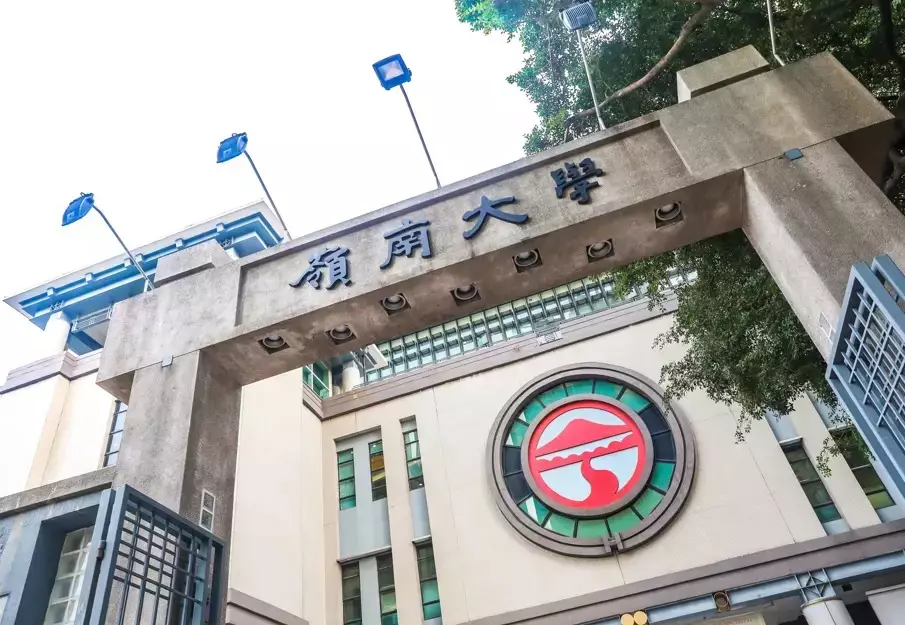
The Lingnan University, Photo source: reference image
Lingnan University had eight subjects ranked this year, a nearly twofold increase from three last year. Five subjects, including Computer Science & Engineering and Electrical & Electronic Engineering, appeared on the list for the first time. Its Artificial Intelligence subject, newly listed last year, jumped dramatically in the rankings and entered the global top 100 for the first time, placing in the 76–100 band. Professor Qin Si Zhao, President of Lingnan University, said the results reflect growing international recognition of the University’s academic and research work. “Lingnan will review the ranking results and their assessment indicators, using them as a reference to further consolidate our ‘Liberal Arts + Technology’ development direction,” he said.
Photo source: shanghairanking.com
The ShanghaiRanking’s Global Ranking of Academic Subjects is released by ShanghaiRanking, a higher education evaluation agency. It covers 57 subjects across five major fields: Natural Sciences, Engineering, Life Sciences, Medical Sciences, and Social Sciences. The ranking uses international academic indicators to assess the performance of higher education institutions worldwide in each subject, evaluating five categories: World-Class Faculty, World-Class Research Output, High-Quality Research, Research Impact, and International Collaboration. This year’s ranking assessed over 3,000 universities globally, with more than 2,000 institutions from about 96 countries and regions appearing on the lists.