According to 2020 data from the World Health Organization, nearly 20 million new cancer cases are diagnosed each year globally, and approximately 10 million people die from the disease, more than half of them in Asia. While cancer treatment technologies are advancing rapidly and new drugs bring hope to patients, they also come with significantly higher medical costs. However, there is an alternative path: For patients who participate in clinical trials, they can have access to new treatments more quickly, often at low or no out‑of‑pocket cost, with safety guarantees in place.
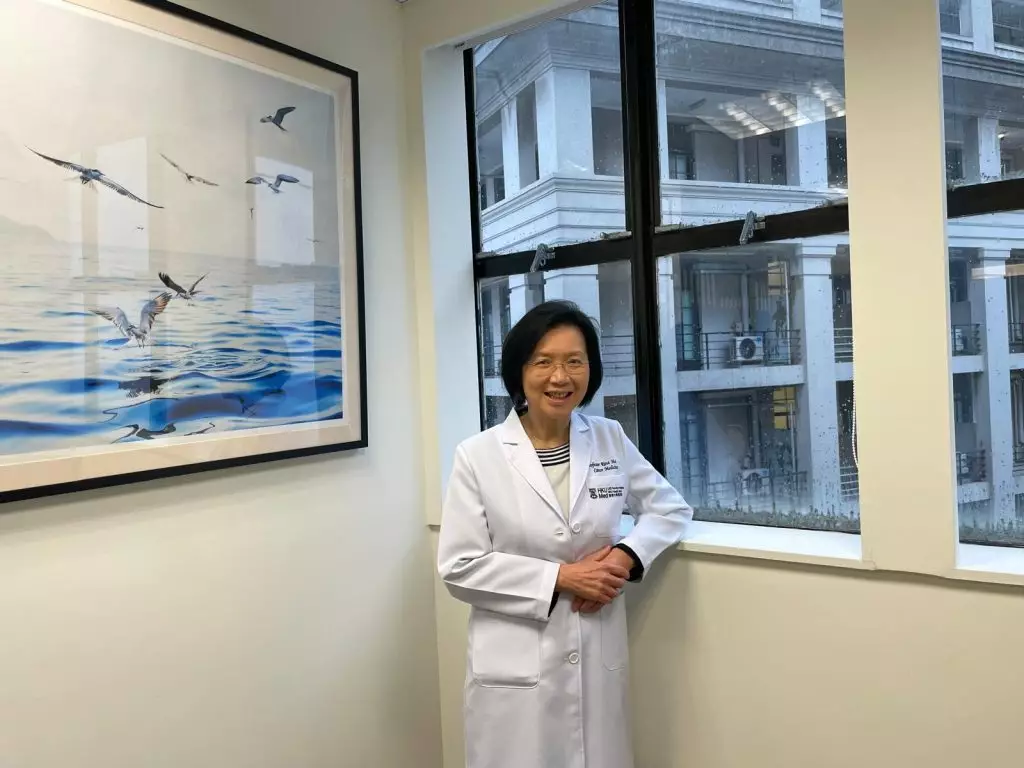
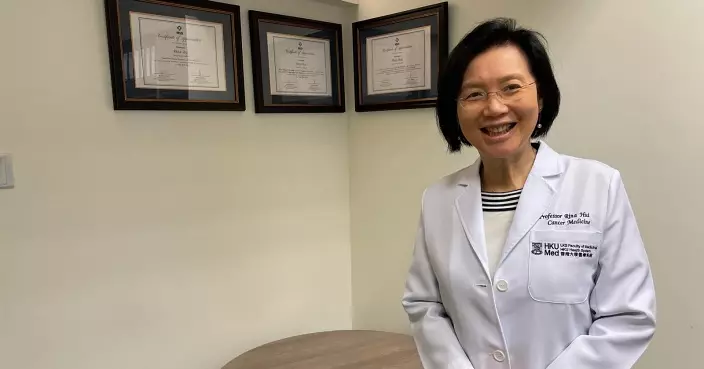
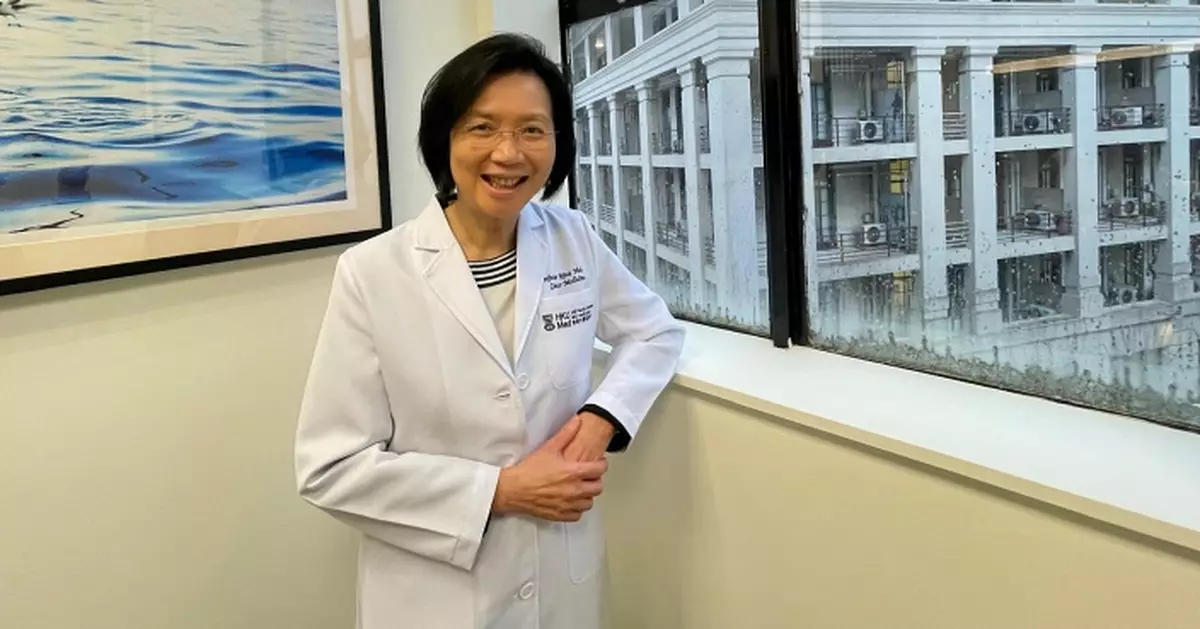
Professor Rina Hui, Director of the Centre for Cancer Medicine at the University of Hong Kong (HKU), Photo by Bastille Post
Professor Rina Hui, Director of the Centre for Cancer Medicine at the University of Hong Kong (HKU), said in an interview with Bastille Post that HKU is currently conducting between 80 and 100 active clinical trials covering a wide range of cancers, with approximately 200 to 250 patients enrolled. In the past three years, three patients have been among the first globally to participate in multinational clinical trials. She envisions Hong Kong becoming a key partner in global clinical research and hopes to see greater public awareness of the benefits and safety of clinical trials.
Click to Gallery
Professor Rina Hui, Director of the Centre for Cancer Medicine at the University of Hong Kong (HKU), Photo by Bastille Post
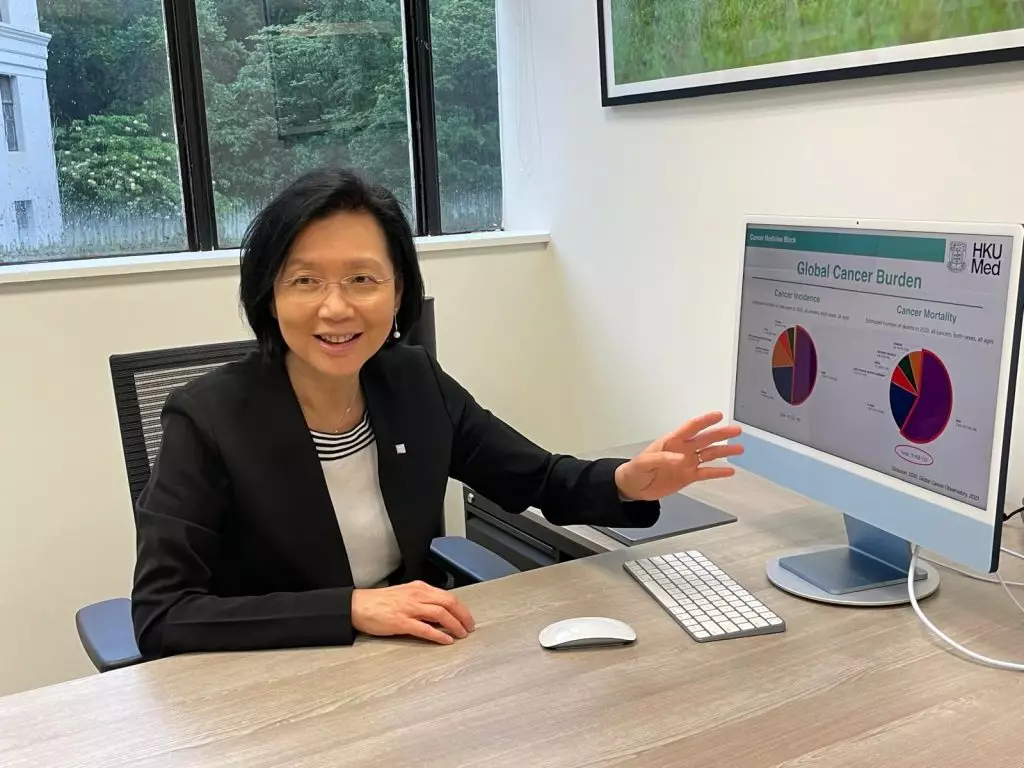
Professor Hui said that cancer patients have become increasingly receptive to clinical trials. Photo by Bastille Post
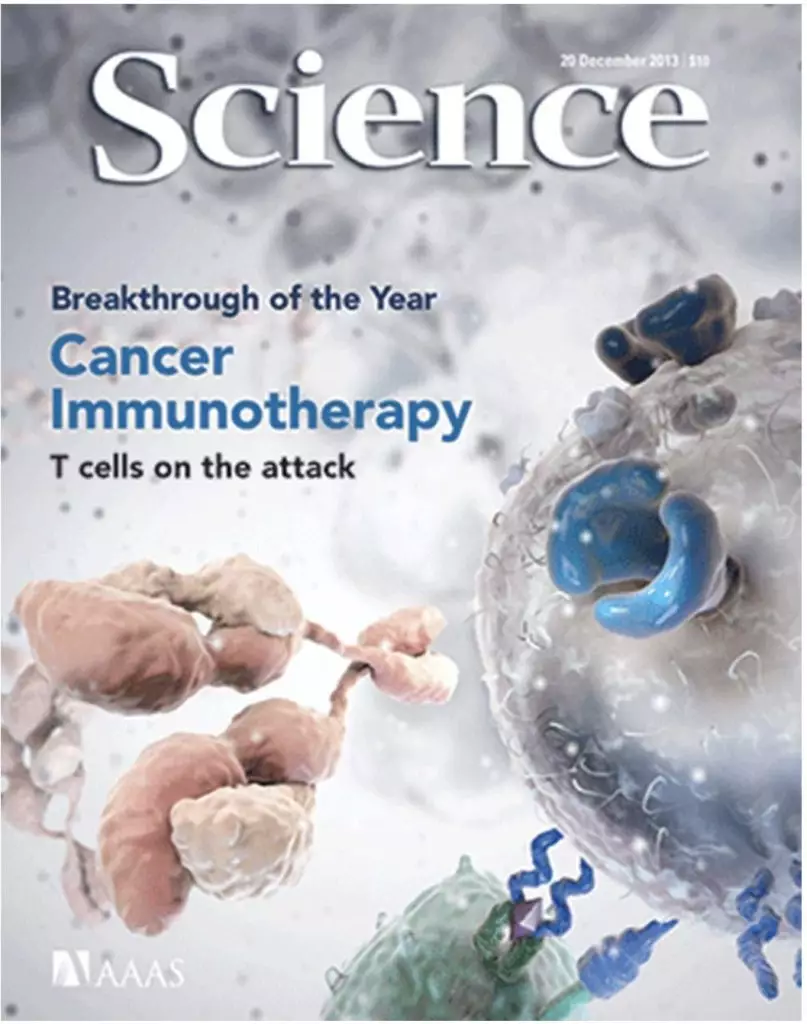
Immunotherapy against cancer was named a breakthrough of the year by Science magazine in 2013.
HKUMed
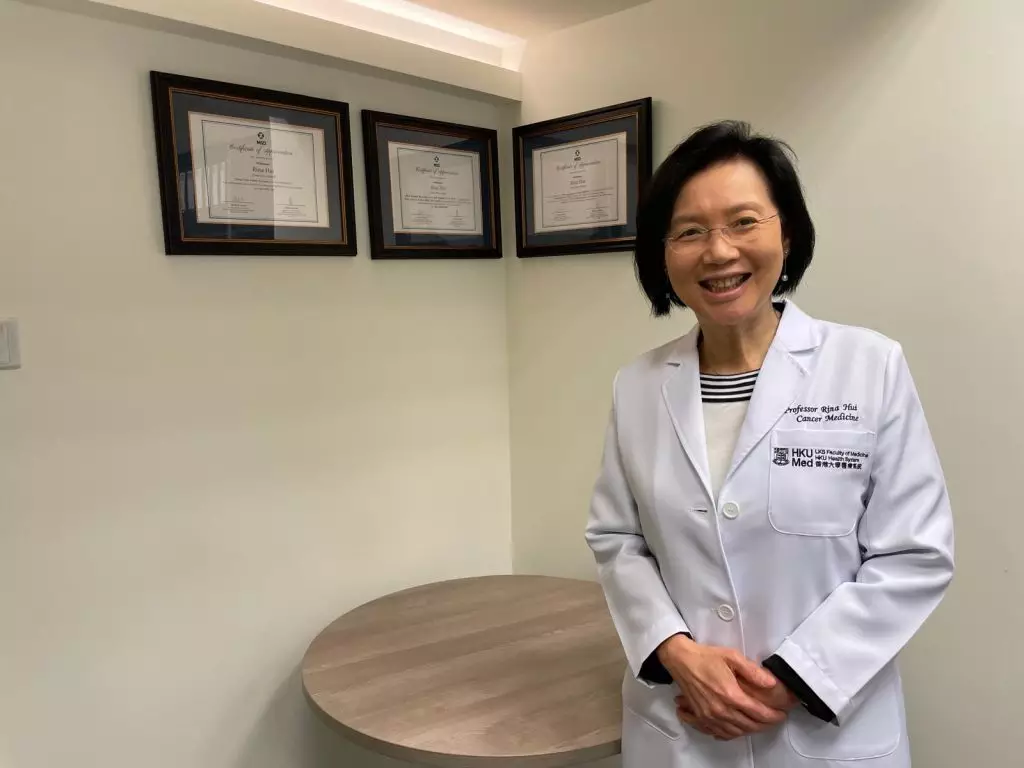
Displayed on the wall behind Professor Hui are certificates of recognition for three patients who were the first globally to participate in multinational clinical trials. Photo by Bastille Post
As she noted, many cancer patients often ask during treatment: “Is there a suitable clinical trial for me?” She hopes that more patients will eventually benefit from clinical trial programs, increasing survival rates and even achieving cures.
Citing data from the WHO's International Agency for Research on Cancer (IARC), Professor Hui noted that in 2020, nearly half of the 20 million new cancer cases worldwide occurred in Asia, and more than half of the about 10 million annual cancer deaths were also in the region. It is projected that by 2045, the number of new cancer cases worldwide will increase to 32.6 million, nearly double the 2020 figure. She believes that the continuous development of new drugs and treatment options is essential to bringing hope to patients, and involving patients in clinical trials has proven to be an effective approach. She hopes that cancer patients and the public will gain a deeper understanding of the safety and benefits of clinical trials.
She explained that all clinical trials follow a strict, pre-approved protocol and are closely monitored by researchers to prevent adverse side effects. Participants are fully informed and voluntarily agree to take part after detailed discussions with a professional medical team. They undergo screening first, and those who qualify are assigned treatment plans by lottery.
"I often tell patients not to worry," she said. "There's a 50% chance you'll get the best medicine for free, and even if you don't, you'll still get a very good one."
"In my view, doctors treat patients, not cancer," she pointed out. "Physicians will first consider other active treatment options and focus on symptom relief if the prognosis is not ideal, but that does not mean there is no hope."
Access to New Treatments at No Cost
Taking Phase III clinical trials as an example, Professor Hui explained that half of the participants received the current standard drug treatment. In contrast, the other half received an additional new drug. "These new drugs may be more advanced and expensive," she said. "But Phase III trials are usually well-founded, as they are conducted across multiple centers internationally. Our HKU center is one of them, with patients participating from around the world, and safety is guaranteed. More importantly, in Hong Kong, patients often have to pay out of pocket for new drugs, which can be a heavy financial burden. Clinical trials, however, provide access free of charge."
She stressed that the new drugs undergo rigorous screening by a team of cancer experts at HKU's Centre for Cancer Medicine. The team reviews each drug's background, past track records, and the scientific rationale behind it, ensuring that the choices offered are truly in the best interest of patients. "I am an evidence-based doctor," she said. "All medications I prescribe are based on clinical trial data, and I will clearly communicate the benefits and risks to my patients."
Monitoring and Data Support at Every Stage
Clinical trials at different stages are supported by relevant data and strict oversight. In addition to medicines for Phase III trials, the Centre also provides new drugs for Phase I and Phase II trials. Professor Hui noted that while Phase I trials have relatively limited data, they are still built on preclinical studies, including cancer cell experiments, animal studies, and even early first-in-human studies, all of which are scientifically grounded and closely monitored.
She said that early-phase clinical trials are often divided into Phase Ia and Phase Ib. Phase Ia helps determine the appropriate dose, gradually increasing it to observe patient response and side effects. Phase Ib is the expansion phase, which involves increasing the number of patients to further observe side effects. After this phase, Phase II begins, observing the benefit-to-risk ratio among even more patients. By Phase III, the new drug must be compared with the best available treatments, often involving hundreds or even thousands of patients across global collaborations.
"For patients who have exhausted all treatment options and still wish to receive active treatment," she said, "participating in scientifically grounded and closely monitored clinical trials is a safe option."
Professor Hui said that cancer patients have become increasingly receptive to clinical trials. Photo by Bastille Post
Hong Kong Patients: Healthier Except for the Cancer Itself
Professor Hui observed that cancer patients in Hong Kong tend to be in relatively good health aside from their cancer diagnosis. "Most of them do not smoke as Hong Kong's smoking rate is in the single digits, far below the global average of 15%," she said. "Moreover, these patients tend to enjoy exercising and have a low obesity rate, with good overall fitness. So, for these patients who are otherwise healthy, if standard treatment options are no longer available, shouldn't we give them more hope for treatment?"
She acknowledged that patient acceptance of clinical trials is steadily growing. However, she stressed that their awareness still needs to be raised: "Patients need to know that participation is safe and that they can gain access to effective new drugs."
Inside HKU's Clinical Trials: Hope in Progress
Professor Hui mentioned that HKU's Centre for Cancer Medicine is currently running 80 to 100 active clinical trials covering a wide spectrum of cancers, including breast, lung, colorectal, liver, prostate, kidney, and pancreatic cancer. Moreover, different types of the same cancer, such as triple-negative, hormone receptor-positive, and HER2-positive breast cancer, as well as different stages (from early-stage to late-stage IV), all have corresponding clinical trial protocols.
Approximately 200 to 250 cancer patients are currently enrolled, with the number of participants varying by trial. Professor Hui pointed out that common cancers may involve more than 20 patients. "For rarer cancers in Hong Kong, such as small cell lung cancer, which accounts for only 5% of all lung cancer cases, there may only be two or three participants," she said. "But as long as there are patients whose needs are not being met, we will carry out the trial since they have a definite need."
A Story of Hope: Australia's First Immunotherapy Patient
Before joining HKU, Professor Hui worked as a medical oncologist in Australia for 23 years, where she conducted numerous clinical trials. In 2012, while serving as a chair professor in oncology at the University of Sydney, she provided an experimental immunotherapy course to a patient with metastatic lung cancer who had failed various treatments at the Phase I trial, the first clinical trial of an immunotherapy drug in Australia.
"At the time, he was not expected to survive past 2012. Yet, 14 years later, he is still alive and has watched his grandchildren grow up. This is what clinical trials mean," she said. "Of course, not every patient would have such good results, but at least it brings hope to those in need."
Immunotherapy against cancer was named a breakthrough of the year by Science magazine in 2013.
Immunotherapy against cancer was named a breakthrough of the year by Science magazine in 2013, she noted. Although Phase I data were limited at the time, the scientific rationale behind it was solid. Today, immunotherapy drugs are widely used across a variety of cancers. "Whether for stage II, stage III, or stage IV cancer patients, they have proven effective, not only extending life but also improving its quality. There is even a possibility of a cure for patients with stage IV cancer, but it may not apply to everyone," she mentioned.
Cancer Survival Gains with Immunotherapy
Citing lung cancer data, Professor Hui noted that in 2008, the five-year survival rate for some stage IV metastatic lung cancer patients was less than 5%. However, by 2021, patients who could receive immunotherapy saw their five-year survival rate rise to 32%, a significant increase. "Immunotherapy is different from chemotherapy and targeted therapy. The latter two mainly extend the lifespan of stage IV patients, but immunotherapy can lead to a cure for some patients." However, she noted that immunotherapy is not suitable for cancer patients with genetic mutations, such as the EGFR mutation commonly found in Asian lung cancer patients.
She cited patients with stage II and III lung cancer as an example. Clinical trial data show that adding chemotherapy and immunotherapy before surgery can increase survival rates.
"Some patients may not be aware of this opportunity and opt for surgery first, missing out on the best treatment combination," she said. "So after a cancer diagnosis, patients should ask about suitable clinical trials. They may not only provide free drugs, but also be more effective."
For triple-negative breast cancer patients, among those who received chemotherapy plus immunotherapy, the five-year progression-free rate increased from 72.2% to 81.2%, and the survival rate increased by 5 percentage points. Among Asian patients, the results were even better: progression-free survival increased from 72.1% to 87.4% (an increase of 15.3 percentage points), and survival rates rose from 81.1% to 91.9%.
Professor Hui noted that patients paying out of pocket for immunotherapy would spend approximately HK$40,000 every three weeks at a public hospital for the drugs. "Even with funding from NGOs, it still costs HK$27,000," she said. "The entire treatment course requires 17 injections, nearly HK$460,000, which is prohibitively expensive. Participation in clinical trials, however, can be completely free."
HKUMed
Screened for Safety, Informed for Choice
Professor Hui pointed out that patients are primarily referred to clinical trials by their doctors. After a surgeon's diagnosis, eligible patients may be referred. The HKU Centre for Cancer Medicine website features a "Clinical Trials" section with forms to fill out. Selection criteria generally include age, gender, overall health status, and other conditions. Interested patients who meet initial eligibility are invited to undergo screening, including blood tests, X‑rays, and clinical examinations.
Professor Hui said that all patients must undergo strict inclusion criteria screening. "For instance, patients with poor liver or kidney function, severe anemia, or heart problems cannot participate," she explained. "This ensures safety. Our team will follow the patient carefully, with all processes conducted in the safest environment. Moreover, the patient has the full right to be informed, and ultimately it is their own decision to participate, at least one more option for their treatment."
Before any clinical trial begins, all relevant preclinical and clinical data must be submitted to the Research Ethics Committee and the Department of Health for independent ethical and scientific review. During the trial, regulatory bodies conduct ongoing monitoring to ensure proper conduct. The research team also closely tracks each patient's physical condition.
Displayed on the wall behind Professor Hui are certificates of recognition for three patients who were the first globally to participate in multinational clinical trials. Photo by Bastille Post
Hong Kong: A Future Hub for Global Cancer Trials
Professor Hui hopes Hong Kong will become a key partner in global clinical trials for new drugs and an important hub for multinational cancer drug trials.
She noted that HKU's Clinical Trials Centre (CTC) has a 27‑year history and a team of over 70 professionals, including experts from various fields, as well as an ethics approval unit. Cancer clinical trials also have comprehensive personnel training programs, and the teams are highly stable and professional. She said that the number of trials has doubled over the past three years, from 40–50 to 80–100, with the proportion of participating patients now increased by about one‑third. Among them, three patients were the first globally to participate in multinational clinical trials, and even more were the first in the Asia‑Pacific region.
"This is thanks to efficient ethics approval, matching patient needs with the right drugs, and the passion of our team and doctors," she said. "Before each trial begins, we explain its advantages to the team and experts, and identify suitable patient groups, ensuring that everyone believes in the value of the trial before recommending it to patients. The most important priorities are always patient safety and data accuracy. Inspectors regularly check the data to ensure authenticity and reliability."
As of now, the Chinese Mainland has developed numerous innovative anti‑cancer drugs. The HKSAR Government's "1+" mechanism, which speeds up the approval and implementation of new drugs, has also allowed more effective drugs to reach Hong Kong.
Professor Hui noted that many Mainland drug developers hope to enter global markets through Hong Kong, collaborating with international pharmaceutical companies on cross‑border clinical trials. One example is a Mainland‑developed "smart chemotherapy drug" that has already been approved for stage IV triple‑negative breast cancer in the Mainland. It has shown better treatment effects than standard chemotherapy and is now being used in collaboration with foreign pharmaceutical companies to conduct global trials. As a participating region, Hong Kong will benefit patients. The "1+" mechanism will also accelerate the accessibility of new drugs in Hong Kong, allowing more new drugs to be clinically tested in the city.