A research team from the Department of Orthopaedics and Traumatology, School of Clinical Medicine, LKS Faculty of Medicine of the University of Hong Kong (HKUMed), has demonstrated that robotic total hip replacement has a lower reoperation rate than the conventional technique. The study found a 90-day reoperation rate of only 0.6% with robotic procedures as compared to 2.5% with conventional procedures. Robotic procedures thus promise long-term benefits for patients, enabling them to regain mobility and return to normal life.
End-stage hip arthritis causes severe groin pain, joint stiffness and functional deficit, including impairment in walking, sitting and standing. While total hip replacement is a common operation, complications can occur and may lead to reoperation and prolonged recovery times.
Precision in robotic arm assisted total hip replacement
Compared to conventional technique, robotic hip replacement utilises three-dimensional computed tomography scans for precise preoperative planning of both acetabular and femoral components. During surgery, acetabular bone preparation and implant positioning are carried out under robotic arm guidance, allowing for precise control over bone removal and cup placement.
Dr Henry Fu Chun-him, Clinical Associate Professor and Chief of the Division of Joint Replacement Surgery, Department of Orthopaedics and Traumatology, School of Clinical Medicine, HKUMed, said, ‘The robotic arm allows the direction and depth of the acetabular cup placement to be executed in accordance with preoperative planning, achieving angular precision down to 2 degrees and depth accuracy within 2mm.’
Six-year local data confirms safety advantages of robotic hip replacement
The research team reviewed the results of 553 primary total hip replacement surgeries performed in Queen Mary Hospital and the Duchess of Kent Children's Hospital at Sandy Bay Joint Replacement Centre between 1 January 2019 and 31 December 2024. These included 311 robotic total hip replacements and 242 conventional total hip replacements. The rate of reoperation within 30 and 90 days after surgery was lower for the robotic total hip replacement.
Dr Fu added, ‘Early reoperations after total hip replacement are devastating. With robotics, the rate of reoperation at 90 days is only 0.6%.’ In cases requiring reoperation in the robotic group, all procedures were done in a closed manner without the need for surgical reopening. In contrast, the conventional group had a 2.5% reoperation rate due to periprosthetic fractures and wound infections, requiring surgical reopening and resulting in prolonged recovery times.
While robotic procedures were associated with an overall increase in operative time of 14 minutes, the team observed a clear learning-curve effect, with surgical times progressively approaching those of conventional manual procedures.
Growing utilisation of robotic surgery
HKUMed Department of Orthopaedics and Traumatology was the first in Hong Kong to utilise robotic arm technology for joint replacement surgery in public hospitals, beginning in January 2019.
Dr Amy Cheung Yim-ling, Honorary Clinical Assistant Professor and Deputy Division Chief of the Division of Joint Replacement Surgery of the same department, said, ‘The utilisation of robotics for total hip replacement in Queen Mary Hospital and the Duchess of Kent Children' s Hospital at Sandy Bay has risen steadily from 32% in 2019 to 85% in 2025. In the local public sector, robotic procedures now account for 49% of total hip replacement surgeries.’
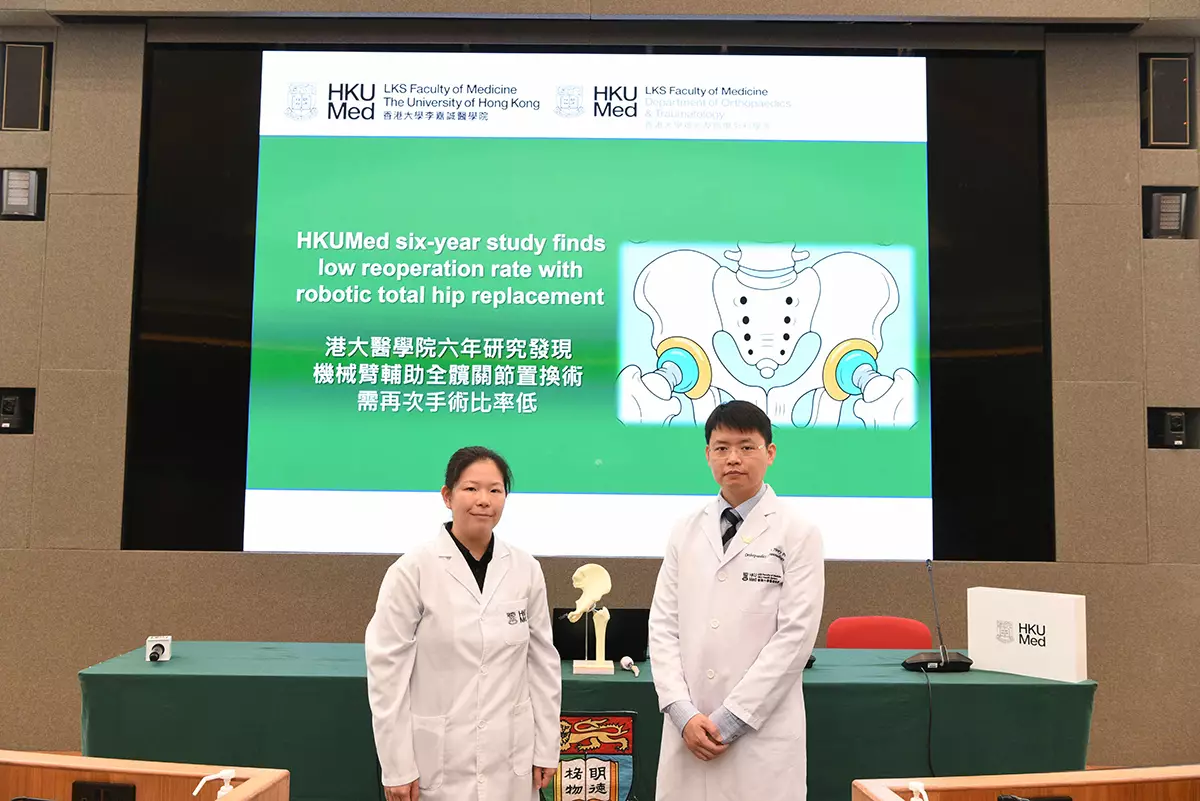
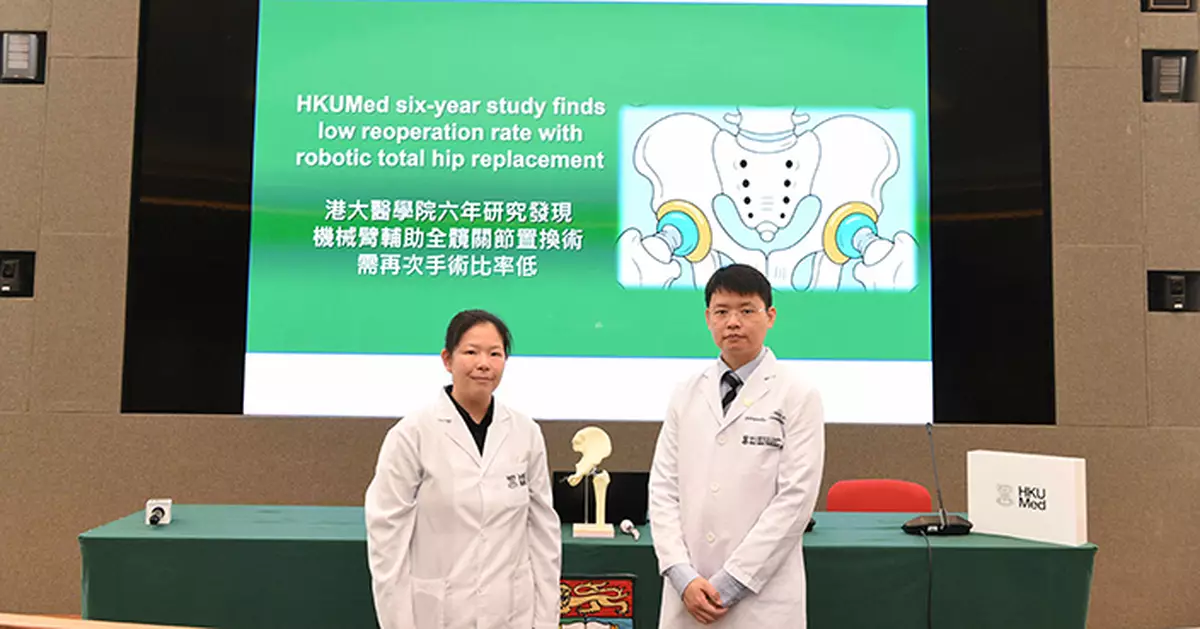
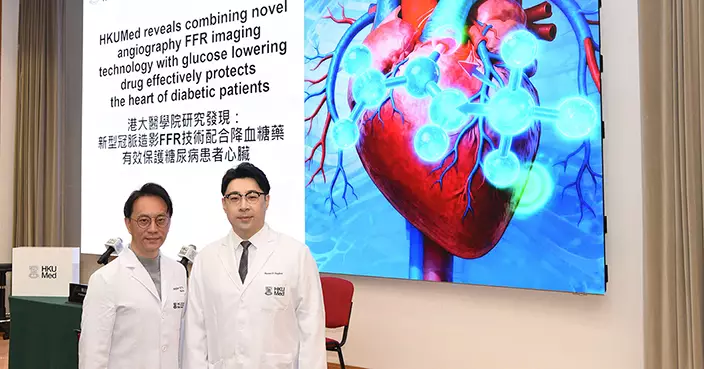
HKUMed study demonstrates that robotic total hip replacement has a lower reoperation rate than the conventional technique. The research team members include Dr Henry Fu Chun-him (right) and Dr Amy Cheung Yim-ling.
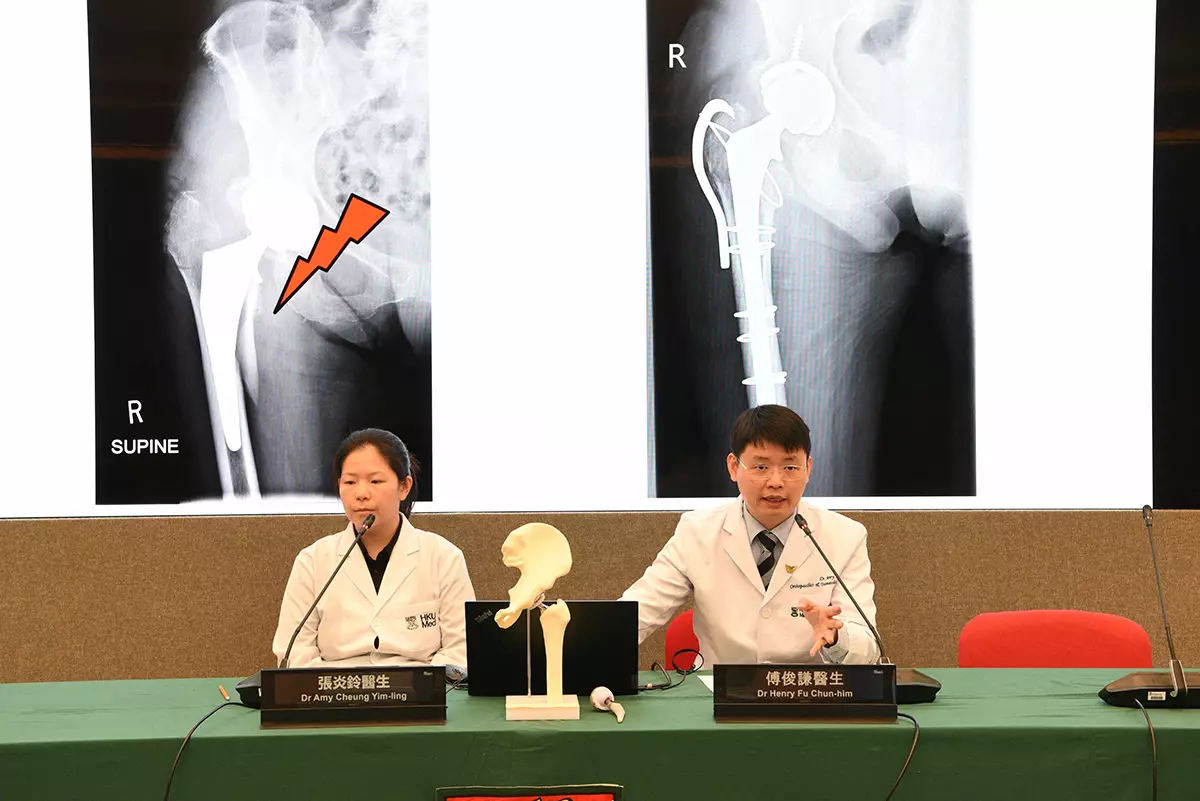
HKUMed study demonstrates that robotic total hip replacement has a lower reoperation rate than the conventional technique. The research team members include Dr Henry Fu Chun-him (right) and Dr Amy Cheung Yim-ling.
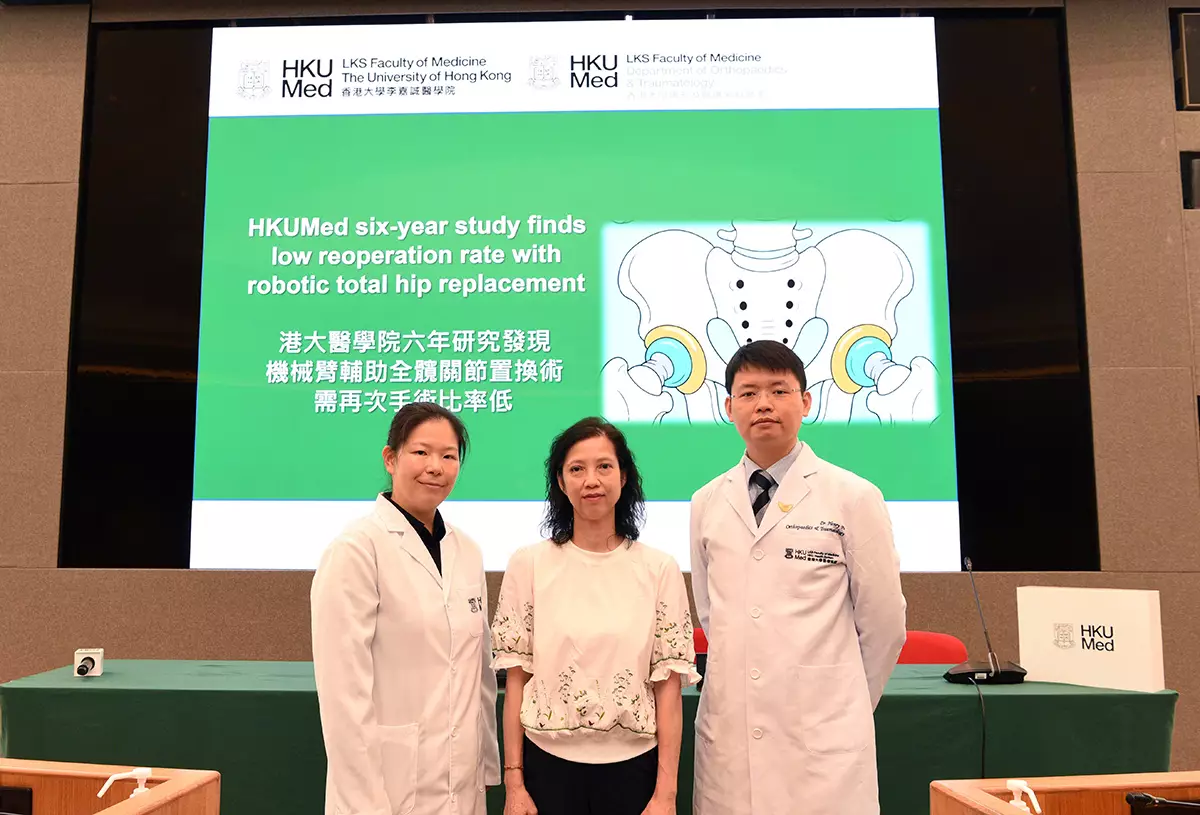
Dr Henry Fu Chun-him (right) highlights that increased experience has progressively shortened the surgery time of robotic total hip replacement. Ms Lai (middle), a patient who has recovered after the robotic surgery, shares that the robotic surgery helps her regain mobility and return to normal life.
Lung cancer is one of the most common cancers in Hong Kong and carries the highest mortality rate, not only locally but also globally. Professor Rina Hui, Director of the Centre for Cancer Medicine at the University of Hong Kong (HKU), said that cancer treatment is advancing at an unprecedented pace, with new breakthroughs emerging almost every fortnight. These include antibody-drug conjugates (ADCs) that are often referred to as "smart chemotherapy", T-cell engagers, and bispecific antibodies, which combine two different antibodies.
With such rapid progress, the curriculum at HKU’s Li Ka Shing Faculty of Medicine (HKUMed) needs to keep pace. About a year and a half ago, the faculty launched an eight-month integrated cancer medicine course to equip medical students with the latest clinical cancer technologies.
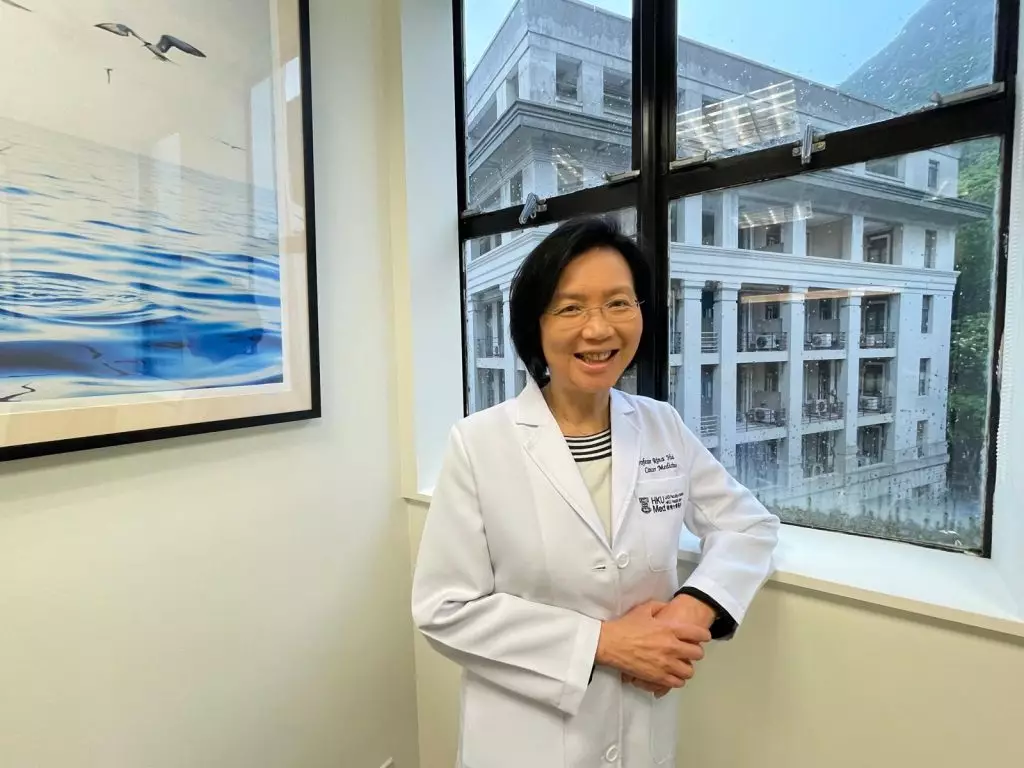
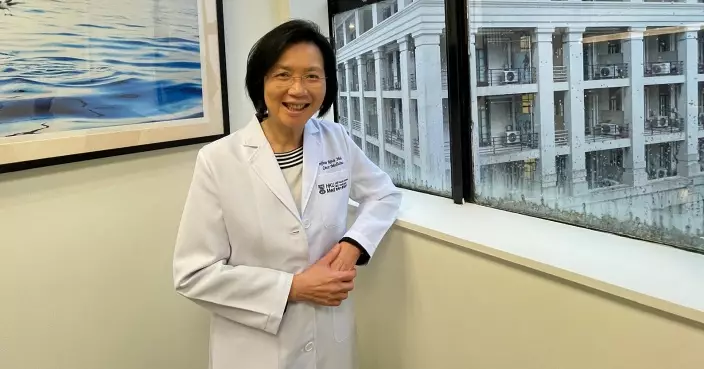
Professor Rina Hui, Director of the Centre for Cancer Medicine at the University of Hong Kong (HKU), Photo by Bastille Post
Professor Hui told Bastille Post that, in Hong Kong, besides lung cancer, the most common cancers include colorectal, breast, and prostate cancer. But lung cancer remains the biggest challenge, since its mortality rate is higher than the other three combined.
She said that besides smoking, other risk factors for lung cancer include second‑hand smoke, the second largest contributor, as well as family history, air pollution, kitchen fumes, occupational exposure (e.g., asbestos and radon), and prior radiotherapy. Smoking, however, remains by far the leading cause.
EGFR Mutations Common in HK Lung Adenocarcinoma
Professor Hui noted that Hong Kong's smoking rate has dropped to 8.5%, according to the latest figures released by the Health Bureau in April. While smoking‑related cancers like small cell lung cancer and squamous cell carcinoma are declining, lung adenocarcinoma is increasing, with half of patients carrying EGFR mutations. "Knowing the cancer type and genetic status is the first step for effective treatment," she said.
She also emphasised that the earlier one quits smoking, the lower the risk of getting cancer. "Quitting need not be abrupt. Nicotine patches and chewing gum can serve as supportive aids. The essential step is to discard all cigarettes, eliminate temptation, and reframe quitting as a long‑term health investment," she advised.
Professor Hui suggested that lung cancer screening is essential for high‑risk individuals. Photo source: reference image
Lung Cancer Screening: Essential for High‑Risk Individuals
Last year, the government announced plans to commission local universities to conduct AI‑assisted lung cancer screening. Professor Hui said that HKU and CUHK are currently running relevant trials, given their importance.
"High‑risk people, like those aged 50 to 75, heavy smokers (30 pack‑years), and those exposed to second‑hand smoke, should get screened regularly," she said. "Taiwan offers a noteworthy approach, where they screen non‑smokers with a family history of lung cancer."
She acknowledged that free lung cancer screening for every individual in Hong Kong is unlikely to be feasible at this stage, due to the high costs involved. However, screening could be carried out through collaboration between the government and private healthcare providers, targeting high‑risk groups. "As I tell my patients, getting screened is like saving up to pay taxes. You're actually gaining in the long run. Early detection means better outcomes and lower treatment costs."
She said that lung cancer treatment regimens are becoming increasingly advanced. "Patients with genetic alterations can use targeted therapies; those without can benefit from immunotherapy, and survival rates have improved significantly." However, she also pointed out that lung cancer remains the world's "number one cancer killer", underscoring the urgent need for continued related research and clinical trials.
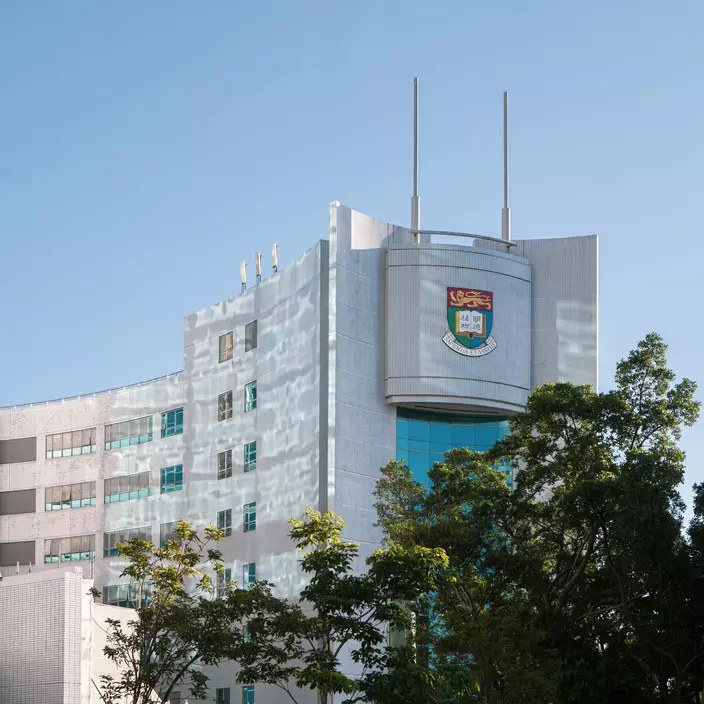
Recognising the rapid evolution of cancer treatment, HKUMed has launched an eight‑month integrated cancer medicine course starting in October 2024. Photo source: reference image
New Course to Train Future Doctors
Recognising the rapid evolution of cancer treatment, HKUMed has launched an eight‑month integrated cancer medicine course starting in October 2024, which is delivered in six cohorts per year, ensuring that future doctors stay abreast of the latest developments. "We bring together surgeons, researchers, public health experts, oncologists (including medical oncologists and radiation oncologists), pathologists, and radiologists to teach medical students the basics of immunotherapy, targeted therapies, smart chemotherapy, and radiation, so that no matter what field they go into, they'll be able to handle cancer patients when they see them," she said.
New Cancer Treatments Bring New Hope
Beyond well‑established immunotherapy, Professor Hui highlighted emerging treatments:
One is called Antibody‑Drug Conjugate (ADC), often referred to as "smart chemotherapy" or "missile‑guided chemotherapy." "The antibody carries the chemotherapy drug, entering cancer cells with precision like a missile. When the linker dissolves, it releases the drug directly into the cancer cells, killing them effectively," she explained.
She noted that ADCs have now been proven to benefit patients with stage IV metastatic cancer. Clinical trials are currently combining these drugs with immunotherapy, and data have already shown effectiveness in early‑stage triple‑negative breast cancer patients.
Another future trend in cancer treatment is bispecific antibodies, which combine two different antibodies with fewer side effects and a synergistic effect. For example, VEGF bispecific antibodies combine the dual mechanisms of immune checkpoint inhibitors and anti‑angiogenic therapy, and have already shown effectiveness in cancers such as lung and breast cancer. Combining two targeted drugs also results in fewer side effects and better treatment outcomes for lung cancer patients.
T‑Cell Engagers: A Breakthrough for Small Cell Lung Cancer
Professor Hui also mentioned a new treatment trend called T-cell engagers. "For example, a therapy targeting DLL3 on the surface of small cell lung cancer cells — on one side, it targets DLL3, and on the other side, it attracts the immune system's T-cells, which act like soldiers attacking the cancer cells together. This type of drug is already on the market and has been shown to improve overall survival in extensive-stage small-cell lung cancer. Clinical trials are currently exploring its use in first-line treatment and for stage III patients," she explained.
However, she pointed out that targeted therapy remains a future priority. Since many cancers occur due to genetic alterations, if the genes driving cancer growth can be identified, targeted medications can be utilized and show improved therapeutic efficacy across various cancers. For example, 60% to 70% of breast cancers are hormone receptor-positive, and of those, 30% to 40% have PIK3CA gene mutations. "The corresponding targeted drugs are currently available in Hong Kong, but they are expensive. There is now a phase III clinical trial in which patients can use this type of medication for free, and may even have access to better new drugs. However, patients need to undergo genetic sequencing to confirm whether they have the corresponding genetic mutation before they can participate in the relevant trial," she said.
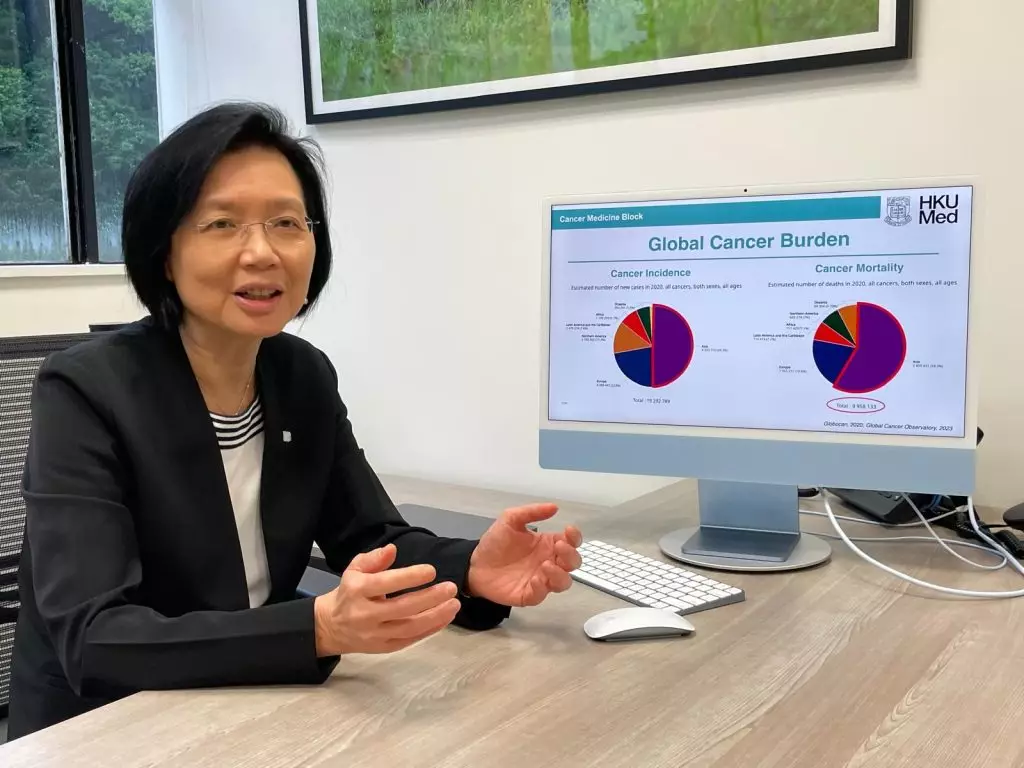
According to Professor Hui, since many cancers occur due to genetic alterations, if the genes driving cancer growth can be identified, targeted medications can be utilized and show improved therapeutic efficacy across various cancers. Photo by Bastille Post