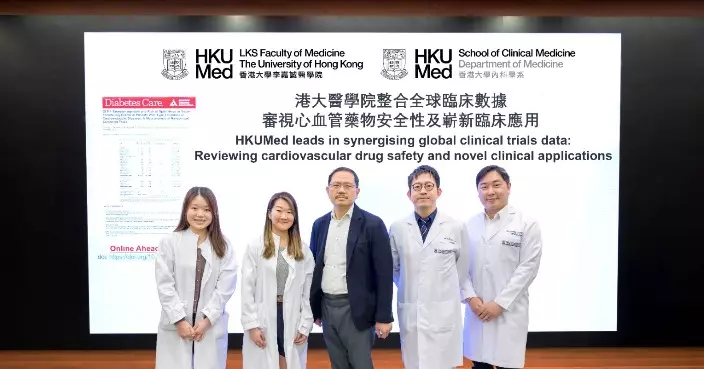
A recent study led by the Department of Medicine, School of Clinical Medicine, LKS Faculty of Medicine of the University of Hong Kong (HKUMed), in collaboration with the University of Hong Kong-Shenzhen Hospital, has demonstrated that combining an innovative coronary imaging technology known as the caFFR system, with diabetes drug SGLT2 inhibitors can significantly reduce the risks of major adverse cardiovascular events (MACE), heart failure and death among patients with type 2 diabetes mellitus (T2DM) and coronary artery disease. This dual-pronged strategy provides a precise measurement of coronary blood flow while lowering glucose levels, offering an effective approach to treating exceptionally high-risk patients. The findings were published in the Diabetes and Metabolism Journal link to the publication.
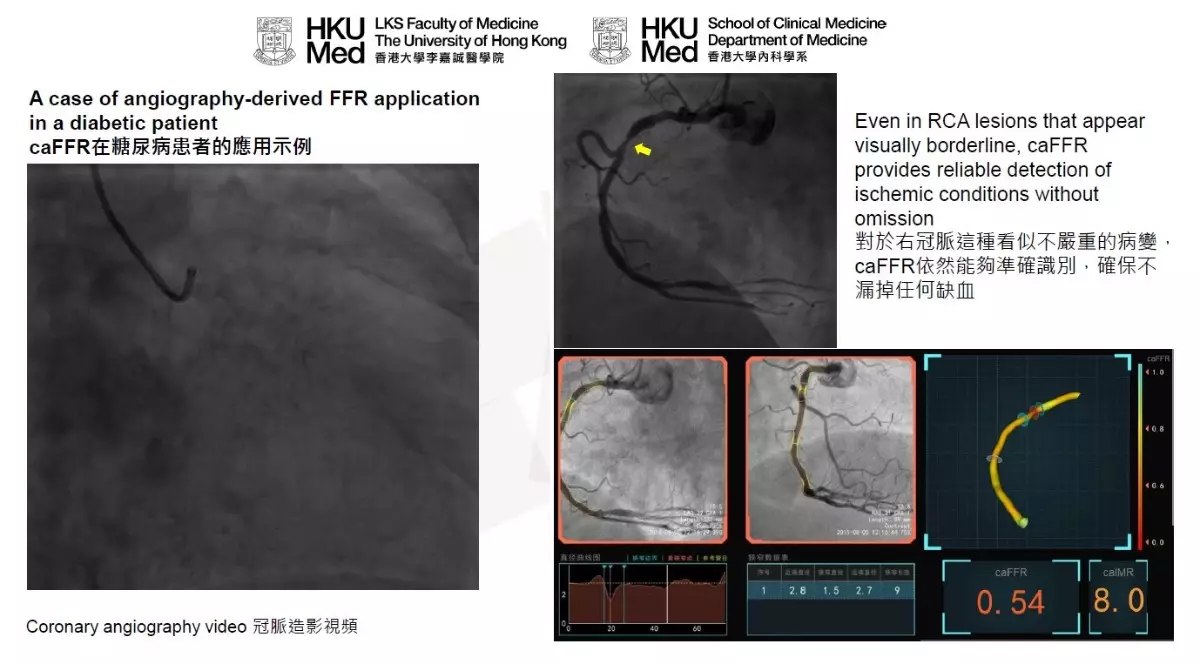
caFFR images access coronary blood flow
Patients with T2DM commonly develop more complex and severe forms of coronary artery disease, often involving multiple narrowed or blocked arteries. This complexity makes it challenging for cardiologists to achieve 'complete revascularisation', where all significantly blocked arteries are fully opened to restore blood flow. Without detailed functional assessment, some blockages that appear mild on imaging but are functionally important may be overlooked. If these high-risk blockages are not identified, patients may be at risk of 'incomplete revascularisation' and experience persistent ischaemia despite treatment, ultimately increasing their long-term cardiac risk.
To address this challenge, Professor Yiu Kai-hang, Clinical Professor in the Department of Medicine, School of Clinical Medicine, HKUMed, led a research team to evaluate the use of the caFFR system, an innovative imaging technology that allows accurate measurement of coronary blood flow from standard angiogram images. This technique enables cardiologists to identify which arterial blockages are truly responsible for ischaemia, thus supporting more precise decision-making and the development of more effective interventional treatment strategies for high-risk patients.
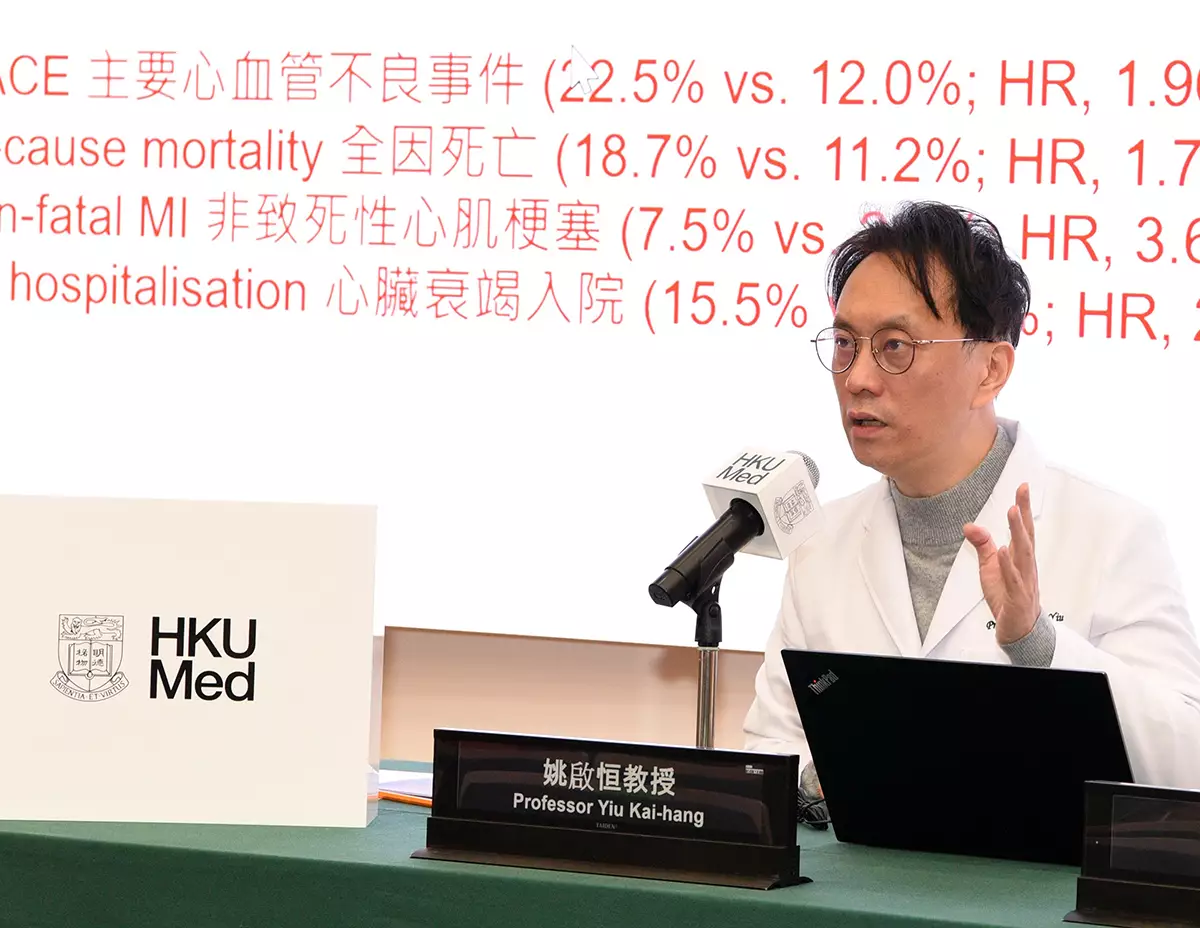
Professor Yiu Kai-hang explains that the functional assessment using the caFFR system is crucial for achieving optimal revascularisation in diabetic patients. SGLT2 inhibitors offer robust cardiovascular protection and significantly improve survival outcomes, even in cases of incomplete revascularisation.
SGLT2 inhibitors provide powerful cardiac protection
The study analysed data from 671 patients with both T2DM and coronary artery disease who underwent angiogram imaging in public hospitals between 2014 and 2016. While complete revascularisation was achieved in some patients, many still had residual stenosis after undergoing the revascularisation procedure due to diffuse and complex diabetic atherosclerosis. Remarkably, for those with incomplete revascularisation, the use of SGLT2 inhibitors provided powerful vascular protecton. The three-year incidence of MACE was markedly reduced from 17.8% to 8.3%, while all-cause mortality dropped sharply from 16.3% to 6.3% over the same period.
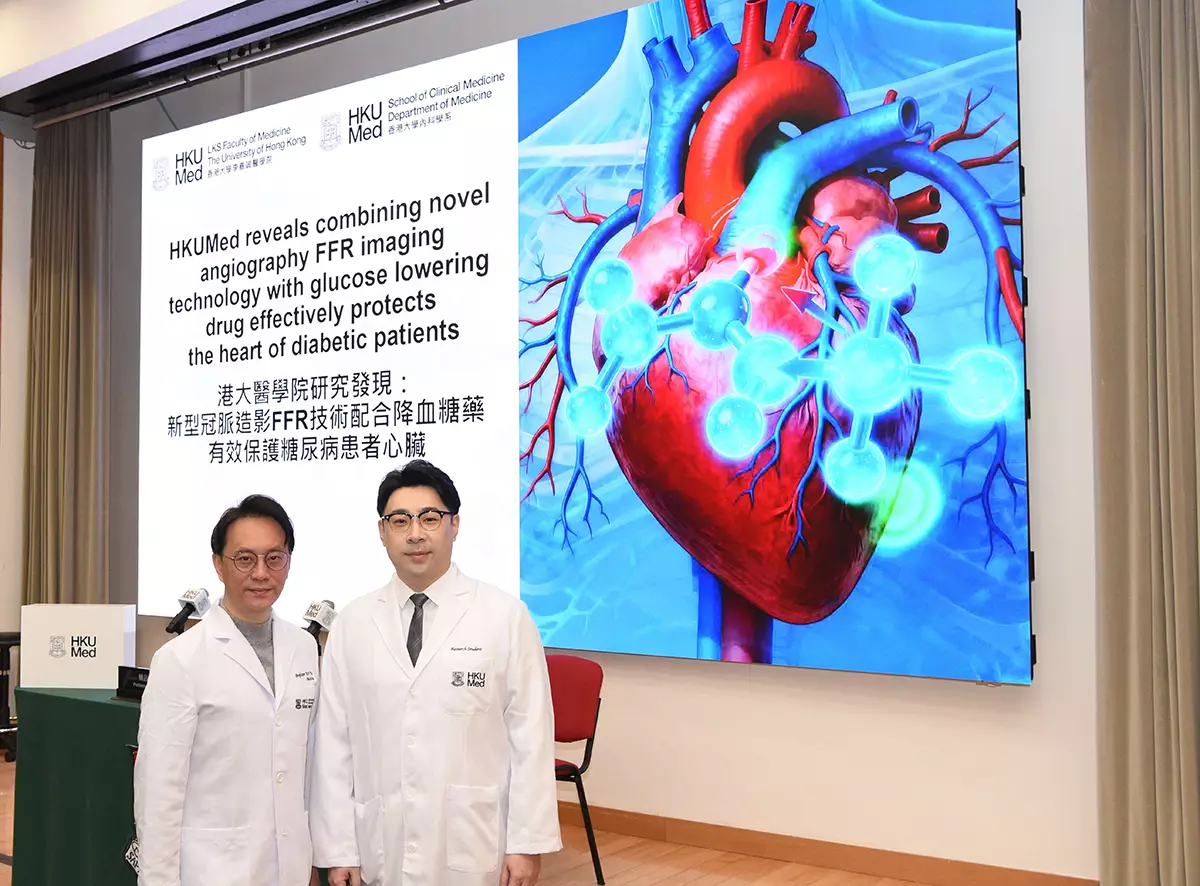
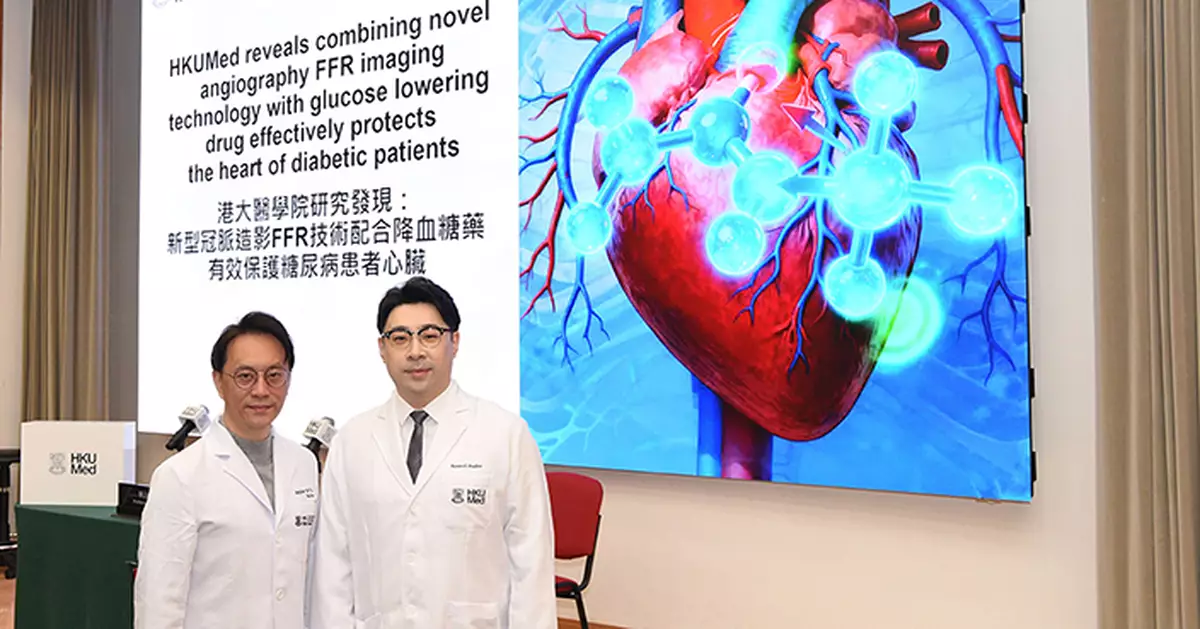
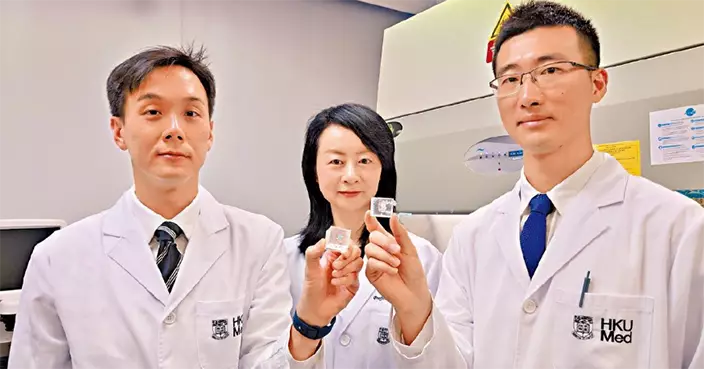
HKUMed reveals that combining novel caFFR imaging technology with glucose lowering drug effectively protects the heart of diabetic patients. In the photo are Professor Yiu Kai-hang (left), who led the research, and his team member Dr Xuan Haochen.
'Our findings show that functional assessment using the caFFR system allows clinicians to accurately identify blockages that truly cause ischemia, which is crucial for achieving optimal revascularisation in diabetic patients,' said Professor Yiu Kai-hang. 'Moreover, even when complete revascularisation cannot be achieved, SGLT2 inhibitors offer robust cardiovascular protection, significantly improving survival outcomes. This dual approach represents a major step forward in managing heart disease among individuals with diabetes.'
The study underscores the complementary roles of precision interventional imaging and pharmacological therapy in improving outcomes for diabetic patients with coronary artery disease. By integrating caFFR-guided vascular reconstruction procedures with SGLT2 inhibitor therapy, clinicians can better tailor treatment to each patient's needs, offering both anatomical and metabolic protection for the heart.
Professor Yiu added, 'This study has importance implications for clinical practice. It demonstrates that even when structural risks in the blood vessels may persist, SGLT2 inhibitors provide a vital safety net, reducing future cardiovascular risks. The findings reinforce HKUMed's ongoing commitment to translating clinical innovation into better patient care.'
About the research team
The study was led by Professor Yiu Kai-hang, Clinical Professor, Department of Medicine, School of Clinical Medicine, HKUMed, and conducted in collaboration with the University of Hong Kong–Shenzhen Hospital.
Lung cancer is one of the most common cancers in Hong Kong and carries the highest mortality rate, not only locally but also globally. Professor Rina Hui, Director of the Centre for Cancer Medicine at the University of Hong Kong (HKU), said that cancer treatment is advancing at an unprecedented pace, with new breakthroughs emerging almost every fortnight. These include antibody-drug conjugates (ADCs) that are often referred to as "smart chemotherapy", T-cell engagers, and bispecific antibodies, which combine two different antibodies.
With such rapid progress, the curriculum at HKU’s Li Ka Shing Faculty of Medicine (HKUMed) needs to keep pace. About a year and a half ago, the faculty launched an eight-month integrated cancer medicine course to equip medical students with the latest clinical cancer technologies.
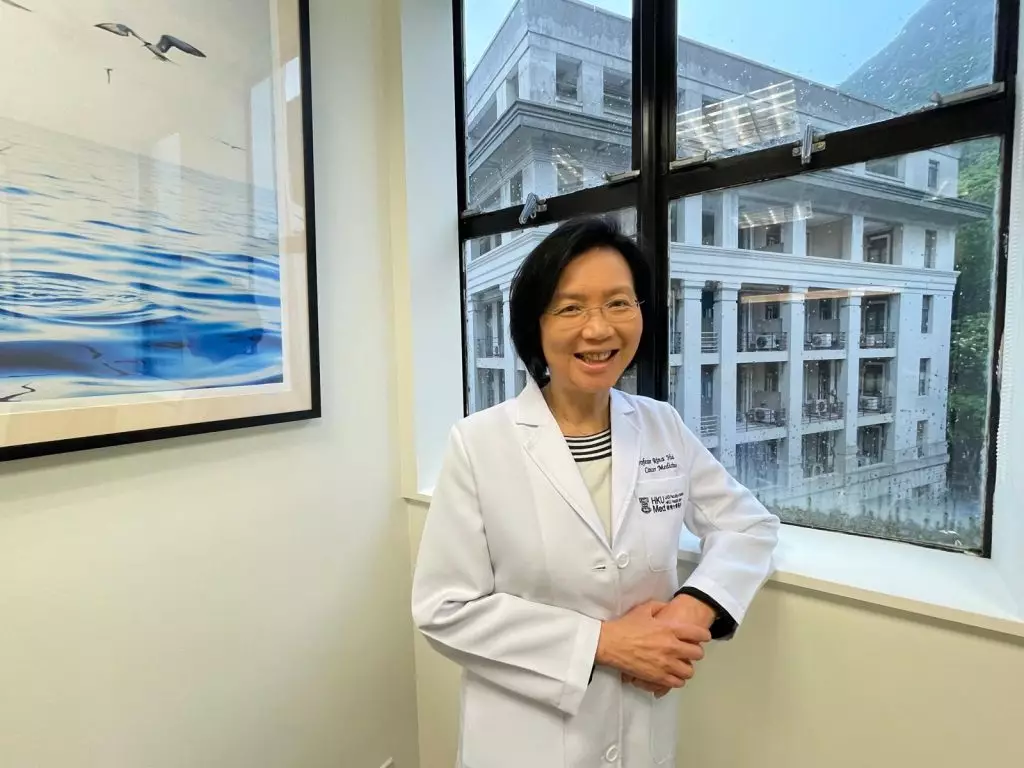
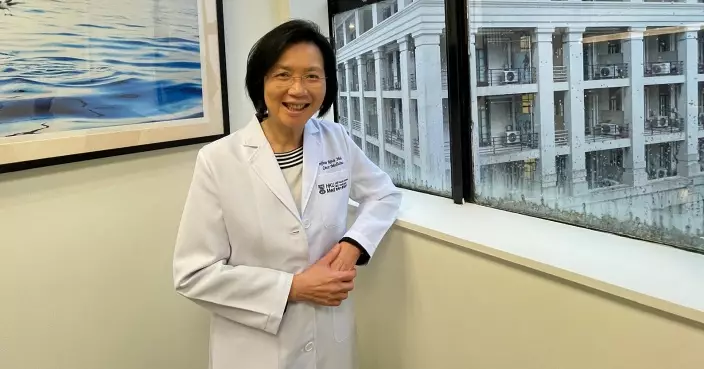
Professor Rina Hui, Director of the Centre for Cancer Medicine at the University of Hong Kong (HKU), Photo by Bastille Post
Professor Hui told Bastille Post that, in Hong Kong, besides lung cancer, the most common cancers include colorectal, breast, and prostate cancer. But lung cancer remains the biggest challenge, since its mortality rate is higher than the other three combined.
She said that besides smoking, other risk factors for lung cancer include second‑hand smoke, the second largest contributor, as well as family history, air pollution, kitchen fumes, occupational exposure (e.g., asbestos and radon), and prior radiotherapy. Smoking, however, remains by far the leading cause.
EGFR Mutations Common in HK Lung Adenocarcinoma
Professor Hui noted that Hong Kong's smoking rate has dropped to 8.5%, according to the latest figures released by the Health Bureau in April. While smoking‑related cancers like small cell lung cancer and squamous cell carcinoma are declining, lung adenocarcinoma is increasing, with half of patients carrying EGFR mutations. "Knowing the cancer type and genetic status is the first step for effective treatment," she said.
She also emphasised that the earlier one quits smoking, the lower the risk of getting cancer. "Quitting need not be abrupt. Nicotine patches and chewing gum can serve as supportive aids. The essential step is to discard all cigarettes, eliminate temptation, and reframe quitting as a long‑term health investment," she advised.
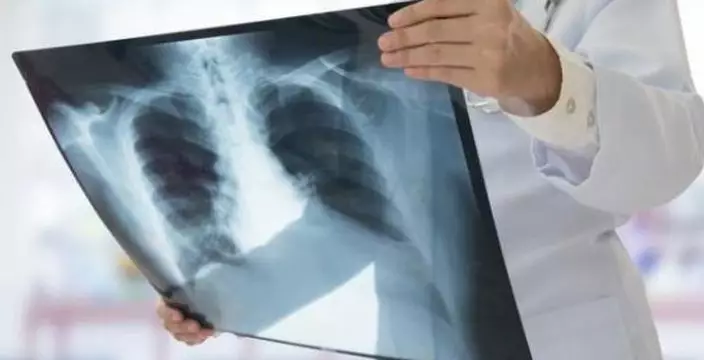
Professor Hui suggested that lung cancer screening is essential for high‑risk individuals. Photo source: reference image
Lung Cancer Screening: Essential for High‑Risk Individuals
Last year, the government announced plans to commission local universities to conduct AI‑assisted lung cancer screening. Professor Hui said that HKU and CUHK are currently running relevant trials, given their importance.
"High‑risk people, like those aged 50 to 75, heavy smokers (30 pack‑years), and those exposed to second‑hand smoke, should get screened regularly," she said. "Taiwan offers a noteworthy approach, where they screen non‑smokers with a family history of lung cancer."
She acknowledged that free lung cancer screening for every individual in Hong Kong is unlikely to be feasible at this stage, due to the high costs involved. However, screening could be carried out through collaboration between the government and private healthcare providers, targeting high‑risk groups. "As I tell my patients, getting screened is like saving up to pay taxes. You're actually gaining in the long run. Early detection means better outcomes and lower treatment costs."
She said that lung cancer treatment regimens are becoming increasingly advanced. "Patients with genetic alterations can use targeted therapies; those without can benefit from immunotherapy, and survival rates have improved significantly." However, she also pointed out that lung cancer remains the world's "number one cancer killer", underscoring the urgent need for continued related research and clinical trials.
Recognising the rapid evolution of cancer treatment, HKUMed has launched an eight‑month integrated cancer medicine course starting in October 2024. Photo source: reference image
New Course to Train Future Doctors
Recognising the rapid evolution of cancer treatment, HKUMed has launched an eight‑month integrated cancer medicine course starting in October 2024, which is delivered in six cohorts per year, ensuring that future doctors stay abreast of the latest developments. "We bring together surgeons, researchers, public health experts, oncologists (including medical oncologists and radiation oncologists), pathologists, and radiologists to teach medical students the basics of immunotherapy, targeted therapies, smart chemotherapy, and radiation, so that no matter what field they go into, they'll be able to handle cancer patients when they see them," she said.
New Cancer Treatments Bring New Hope
Beyond well‑established immunotherapy, Professor Hui highlighted emerging treatments:
One is called Antibody‑Drug Conjugate (ADC), often referred to as "smart chemotherapy" or "missile‑guided chemotherapy." "The antibody carries the chemotherapy drug, entering cancer cells with precision like a missile. When the linker dissolves, it releases the drug directly into the cancer cells, killing them effectively," she explained.
She noted that ADCs have now been proven to benefit patients with stage IV metastatic cancer. Clinical trials are currently combining these drugs with immunotherapy, and data have already shown effectiveness in early‑stage triple‑negative breast cancer patients.
Another future trend in cancer treatment is bispecific antibodies, which combine two different antibodies with fewer side effects and a synergistic effect. For example, VEGF bispecific antibodies combine the dual mechanisms of immune checkpoint inhibitors and anti‑angiogenic therapy, and have already shown effectiveness in cancers such as lung and breast cancer. Combining two targeted drugs also results in fewer side effects and better treatment outcomes for lung cancer patients.
T‑Cell Engagers: A Breakthrough for Small Cell Lung Cancer
Professor Hui also mentioned a new treatment trend called T-cell engagers. "For example, a therapy targeting DLL3 on the surface of small cell lung cancer cells — on one side, it targets DLL3, and on the other side, it attracts the immune system's T-cells, which act like soldiers attacking the cancer cells together. This type of drug is already on the market and has been shown to improve overall survival in extensive-stage small-cell lung cancer. Clinical trials are currently exploring its use in first-line treatment and for stage III patients," she explained.
However, she pointed out that targeted therapy remains a future priority. Since many cancers occur due to genetic alterations, if the genes driving cancer growth can be identified, targeted medications can be utilized and show improved therapeutic efficacy across various cancers. For example, 60% to 70% of breast cancers are hormone receptor-positive, and of those, 30% to 40% have PIK3CA gene mutations. "The corresponding targeted drugs are currently available in Hong Kong, but they are expensive. There is now a phase III clinical trial in which patients can use this type of medication for free, and may even have access to better new drugs. However, patients need to undergo genetic sequencing to confirm whether they have the corresponding genetic mutation before they can participate in the relevant trial," she said.
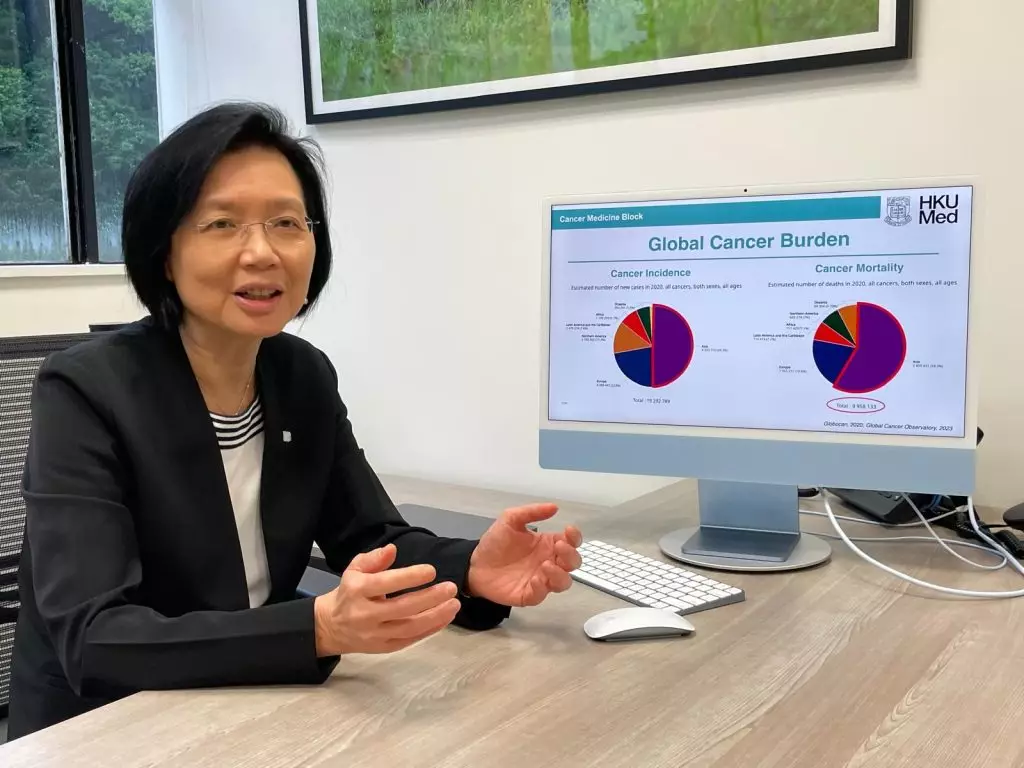
According to Professor Hui, since many cancers occur due to genetic alterations, if the genes driving cancer growth can be identified, targeted medications can be utilized and show improved therapeutic efficacy across various cancers. Photo by Bastille Post