Liver cancer is the sixth most common cancer worldwide and the third leading cause of cancer-related deaths. A recent report published in 'The Lancet' predicts that the number of new liver cancer cases will increase from 870,000 in 2022 to 1.52 million by 2050, nearly doubling the figure. If the current trend continues, this increase could result in 1.37 million deaths.
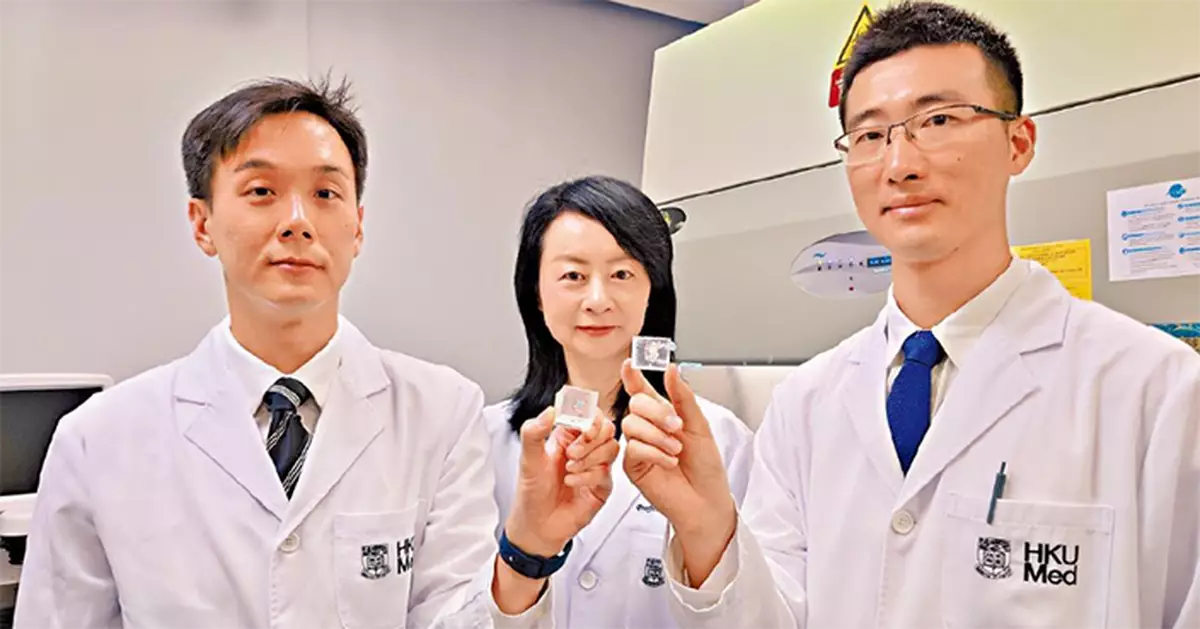
Traditional cancer therapies often overlook patient-specific and dynamic tumor immune environments, causing ineffective treatments, toxic side effects, and critical delays. The University of Hong Kong (HKU) has developed 'Liver-in-Cube', the world's first 3D-bioprinted platform that precisely reconstructs the liver cancer microenvironment in the lab using a patient's own cells and extracellular matrix. This platform offers a fast and reliable service to help patients identify the most effective personalised treatments and pave the way for a standardised, high-throughput solution for drug assessment and development.
The invention can accurately simulate tumour characteristics of individual patients, such as the cell numbers, tissue stiffness and immune microenvironments, enabling doctors to swiftly assess the efficacy and side effects of various drugs and emerging therapies, leading to more precise treatment decision. This technology has received the ‘Gold Medal’ at the International Exhibition of Inventions of Geneva, ‘Special Grand Prize’ at Prize of the China Invention Association, and ‘Best-Performing Start-Up Award’at Asia Summit on Global Health (ASGC) Conference.
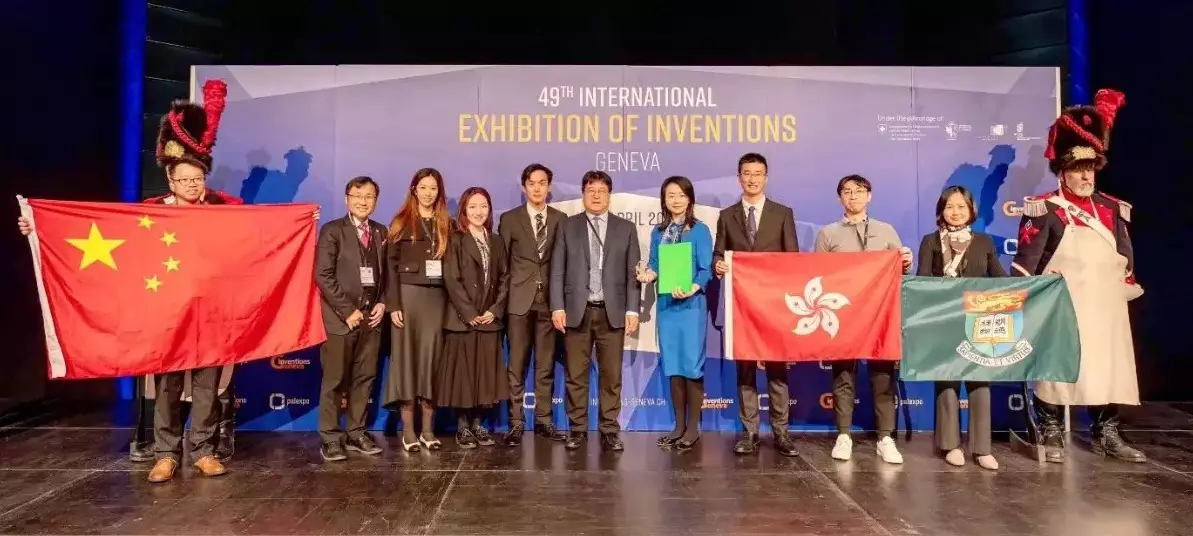
The technology has received the ‘Gold Medal’ at the International Exhibition of Inventions of Geneva, ‘Special Grand Prize’ at Prize of the China Invention Association, and ‘Best-Performing Start-Up Award’at Asia Summit on Global Health (ASGC)Conference. Photo source: HKUMed
From ‘Trials to Tailored Treatment’: Seizing the Golden Treatment Window
Currently, there is a lack of personalised drug-screening platforms for liver cancer treatment in the market, which often makes patients undergo multiple treatment failures in the search for the most suitable drug. This not only imposes a heavy financial burden but may also delay the timing in killing the tumour cells effectively. The 'Liver-in-Cube' directly addresses this pain point by accelerating the evaluation of the efficacy and side effects of various drugs for patients, allowing doctors to identify the optimal treatment method for patients and reducing the risk of cancer recurrence due to treatment delays. The ‘Liver-in-Cube' has now started patient recruitment at local hospitals to expedite clinical trials and advance its transition into clinical application.

The 'Liver-in-Cube' developed by HKU, Photo source: HKUMed
Dual Value in Clinical and Research Excellence
Professor Man Kwan, Chair Professor in the Department of Surgery, School of Clinical Medicine, HKUMed, who led the research project, stated that ‘Liver-in-Cube' can speed up the identification of the most effective drugs for patients, significantly enhancing treatment efficiency and reducing side effects, with the potential to greatly improve patient survival rates. In pharmaceutical development, the technology serves as a substitute for animal models, accelerating preclinical efficacy and safety testing for new drugs with more accurate data to increase the success rate of further clinical trials. This invention can shorten the new drug development cycle with reducing costs. In the field of basic research, the model assists researchers in exploring immune regulation mechanisms and discovering new therapeutic targets and strategies. The application prospects of the ‘Liver-in-Cube' are extensive, and its technological framework can be expanded to other liver diseases and cancers, promoting the widespread adoption of precision medicine. Currently, the technology is undergoing clinical trials in local public and private hospitals. The team aims to leverage the scientific data to facilitate the commercialisation of the technology and make it available in both local and overseas markets, thus benefitting a wide range of patients.
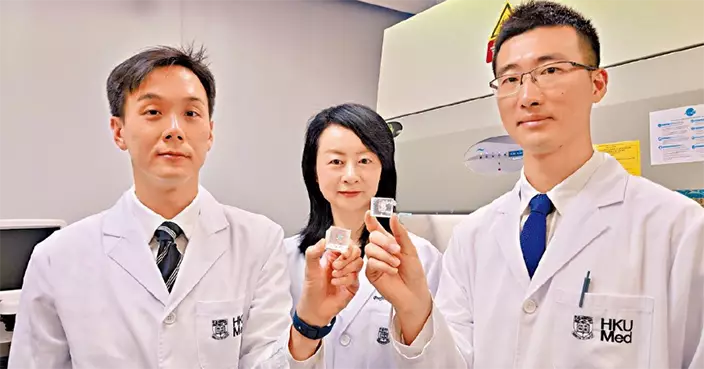
The University of Hong Kong (HKU) has developed‘Liver-in-Cube’,the world’s frst 3D-bioprinted platform that precisely reconstructs the liver cancer microenvironment in the lab using a patient’s own cells and extracellular matrix. Photo source: HKUMed
Five core technologies of ‘Liver-in-Cube':
• 1. Novel Technology for Cell and Matrix Protein Separation: Simultaneously extracts hepatocytes, tumor cells, immune cells, and matrix proteins from the tissue of the liver cancer patient, accurately simulating individual tumor characteristics.
• 2. Advanced 3D Bioprinting: Creates a biomimetic model incorporating normal tissue, tumor tissue, and vascular structures, surpassing traditional 3D cell culture and organoid products in reproducing a patient's tumor architecture.
• 3. AI-assisted patient parameterisation and printing: Utilising AI models trained on clinical biobanks, we correlate pathological features, tissue stiffness, and tumor immune microenvironment subtypes to determine the optimal geometric structure and bio-ink composition for each patient.
• 4. Customised patient-specific tumor characterisation system: By precisely measuring patient-specific parameters such as tumor stiffness and immune profiles, we reconstruct a highly biomimetic, individualized tumor microenvironment for each patient.
• 5. Innovative Tumor Model with Microvascular System: Enables continuous drug testing and evaluation of various therapies, enhancing the assessment of treatment effects in a laboratory setting.
Led by Professor Man Kwan from the Department of Surgery, HKUMed, the research
team focuses in the study of postoperative recurrence and immune microenvironment
of liver cancer. Over the decades, the team has become internationally recognised as
the leading force in the fields of liver oncology, transplant oncology, and transplant
immunology.
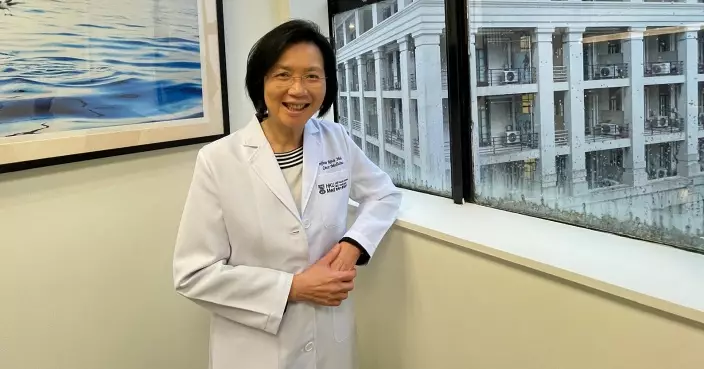
Lung cancer is one of the most common cancers in Hong Kong and carries the highest mortality rate, not only locally but also globally. Professor Rina Hui, Director of the Centre for Cancer Medicine at the University of Hong Kong (HKU), said that cancer treatment is advancing at an unprecedented pace, with new breakthroughs emerging almost every fortnight. These include antibody-drug conjugates (ADCs) that are often referred to as "smart chemotherapy", T-cell engagers, and bispecific antibodies, which combine two different antibodies.
With such rapid progress, the curriculum at HKU’s Li Ka Shing Faculty of Medicine (HKUMed) needs to keep pace. About a year and a half ago, the faculty launched an eight-month integrated cancer medicine course to equip medical students with the latest clinical cancer technologies.
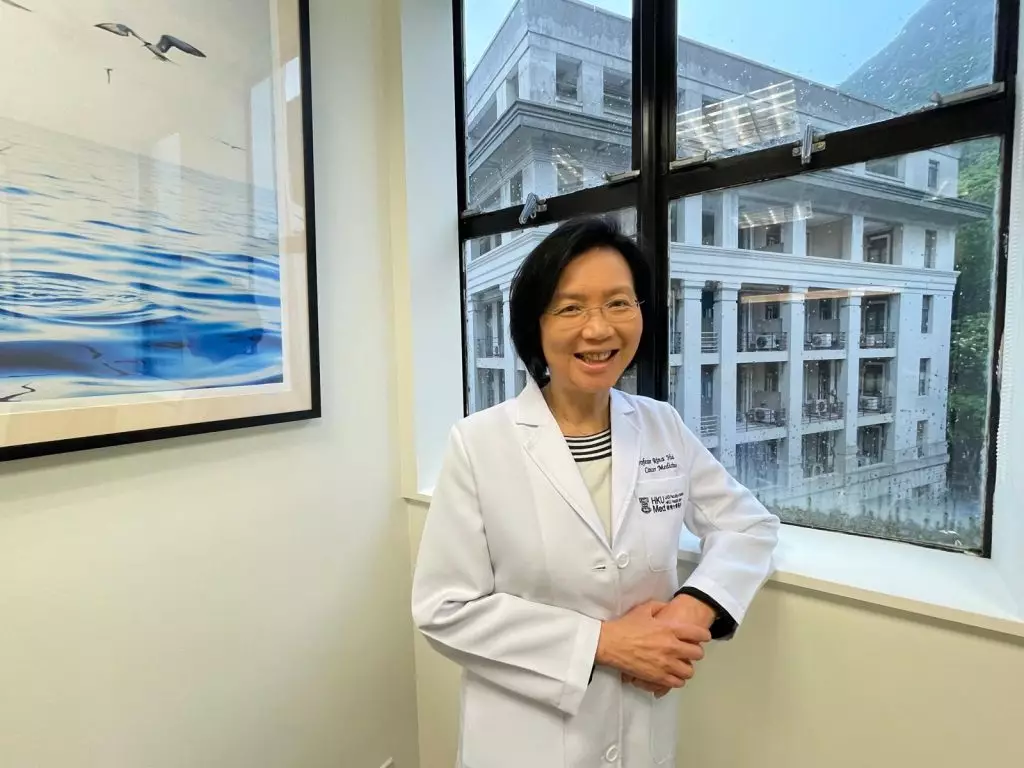
Professor Rina Hui, Director of the Centre for Cancer Medicine at the University of Hong Kong (HKU), Photo by Bastille Post
Professor Hui told Bastille Post that, in Hong Kong, besides lung cancer, the most common cancers include colorectal, breast, and prostate cancer. But lung cancer remains the biggest challenge, since its mortality rate is higher than the other three combined.
She said that besides smoking, other risk factors for lung cancer include second‑hand smoke, the second largest contributor, as well as family history, air pollution, kitchen fumes, occupational exposure (e.g., asbestos and radon), and prior radiotherapy. Smoking, however, remains by far the leading cause.
EGFR Mutations Common in HK Lung Adenocarcinoma
Professor Hui noted that Hong Kong's smoking rate has dropped to 8.5%, according to the latest figures released by the Health Bureau in April. While smoking‑related cancers like small cell lung cancer and squamous cell carcinoma are declining, lung adenocarcinoma is increasing, with half of patients carrying EGFR mutations. "Knowing the cancer type and genetic status is the first step for effective treatment," she said.
She also emphasised that the earlier one quits smoking, the lower the risk of getting cancer. "Quitting need not be abrupt. Nicotine patches and chewing gum can serve as supportive aids. The essential step is to discard all cigarettes, eliminate temptation, and reframe quitting as a long‑term health investment," she advised.
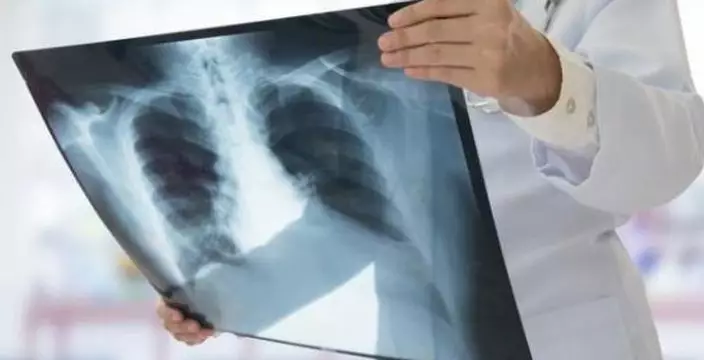
Professor Hui suggested that lung cancer screening is essential for high‑risk individuals. Photo source: reference image
Lung Cancer Screening: Essential for High‑Risk Individuals
Last year, the government announced plans to commission local universities to conduct AI‑assisted lung cancer screening. Professor Hui said that HKU and CUHK are currently running relevant trials, given their importance.
"High‑risk people, like those aged 50 to 75, heavy smokers (30 pack‑years), and those exposed to second‑hand smoke, should get screened regularly," she said. "Taiwan offers a noteworthy approach, where they screen non‑smokers with a family history of lung cancer."
She acknowledged that free lung cancer screening for every individual in Hong Kong is unlikely to be feasible at this stage, due to the high costs involved. However, screening could be carried out through collaboration between the government and private healthcare providers, targeting high‑risk groups. "As I tell my patients, getting screened is like saving up to pay taxes. You're actually gaining in the long run. Early detection means better outcomes and lower treatment costs."
She said that lung cancer treatment regimens are becoming increasingly advanced. "Patients with genetic alterations can use targeted therapies; those without can benefit from immunotherapy, and survival rates have improved significantly." However, she also pointed out that lung cancer remains the world's "number one cancer killer", underscoring the urgent need for continued related research and clinical trials.
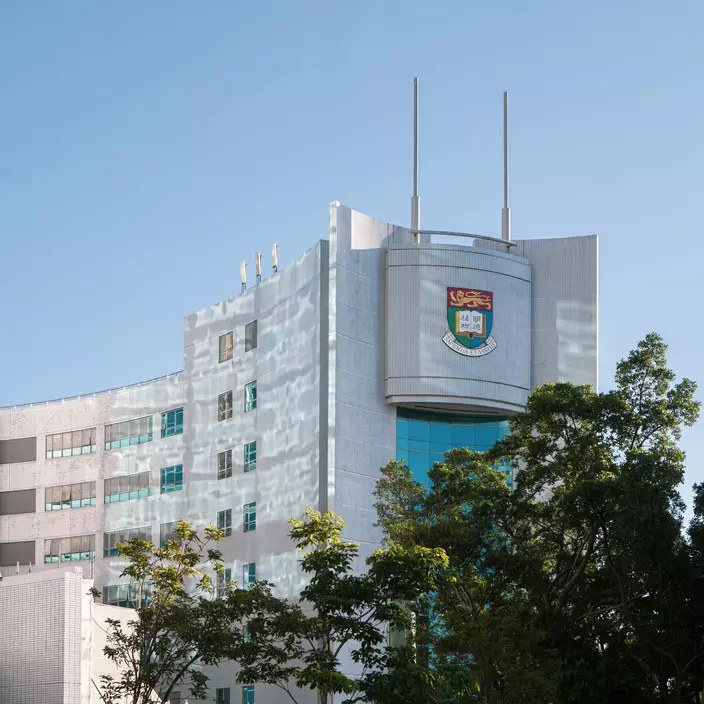
Recognising the rapid evolution of cancer treatment, HKUMed has launched an eight‑month integrated cancer medicine course starting in October 2024. Photo source: reference image
New Course to Train Future Doctors
Recognising the rapid evolution of cancer treatment, HKUMed has launched an eight‑month integrated cancer medicine course starting in October 2024, which is delivered in six cohorts per year, ensuring that future doctors stay abreast of the latest developments. "We bring together surgeons, researchers, public health experts, oncologists (including medical oncologists and radiation oncologists), pathologists, and radiologists to teach medical students the basics of immunotherapy, targeted therapies, smart chemotherapy, and radiation, so that no matter what field they go into, they'll be able to handle cancer patients when they see them," she said.
New Cancer Treatments Bring New Hope
Beyond well‑established immunotherapy, Professor Hui highlighted emerging treatments:
One is called Antibody‑Drug Conjugate (ADC), often referred to as "smart chemotherapy" or "missile‑guided chemotherapy." "The antibody carries the chemotherapy drug, entering cancer cells with precision like a missile. When the linker dissolves, it releases the drug directly into the cancer cells, killing them effectively," she explained.
She noted that ADCs have now been proven to benefit patients with stage IV metastatic cancer. Clinical trials are currently combining these drugs with immunotherapy, and data have already shown effectiveness in early‑stage triple‑negative breast cancer patients.
Another future trend in cancer treatment is bispecific antibodies, which combine two different antibodies with fewer side effects and a synergistic effect. For example, VEGF bispecific antibodies combine the dual mechanisms of immune checkpoint inhibitors and anti‑angiogenic therapy, and have already shown effectiveness in cancers such as lung and breast cancer. Combining two targeted drugs also results in fewer side effects and better treatment outcomes for lung cancer patients.
T‑Cell Engagers: A Breakthrough for Small Cell Lung Cancer
Professor Hui also mentioned a new treatment trend called T-cell engagers. "For example, a therapy targeting DLL3 on the surface of small cell lung cancer cells — on one side, it targets DLL3, and on the other side, it attracts the immune system's T-cells, which act like soldiers attacking the cancer cells together. This type of drug is already on the market and has been shown to improve overall survival in extensive-stage small-cell lung cancer. Clinical trials are currently exploring its use in first-line treatment and for stage III patients," she explained.
However, she pointed out that targeted therapy remains a future priority. Since many cancers occur due to genetic alterations, if the genes driving cancer growth can be identified, targeted medications can be utilized and show improved therapeutic efficacy across various cancers. For example, 60% to 70% of breast cancers are hormone receptor-positive, and of those, 30% to 40% have PIK3CA gene mutations. "The corresponding targeted drugs are currently available in Hong Kong, but they are expensive. There is now a phase III clinical trial in which patients can use this type of medication for free, and may even have access to better new drugs. However, patients need to undergo genetic sequencing to confirm whether they have the corresponding genetic mutation before they can participate in the relevant trial," she said.
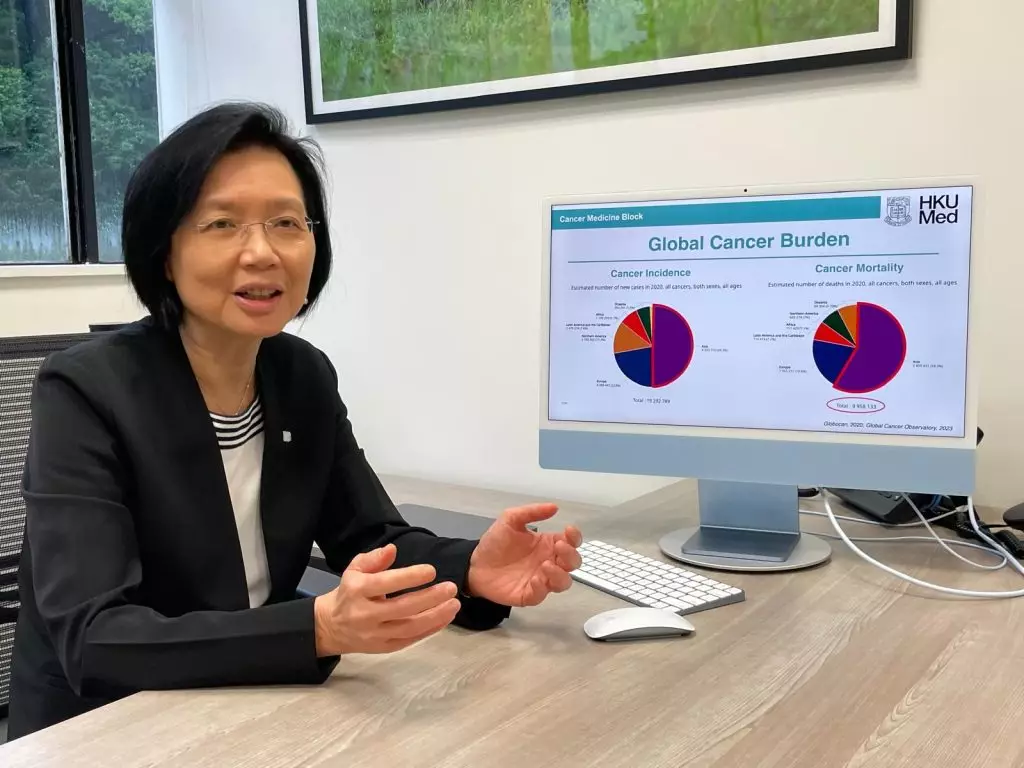
According to Professor Hui, since many cancers occur due to genetic alterations, if the genes driving cancer growth can be identified, targeted medications can be utilized and show improved therapeutic efficacy across various cancers. Photo by Bastille Post