China's strengthened export control on dual-use items to Japan is legitimate, reasonable, and necessary, aimed at curbing Japan's "remilitarization" and nuclear weapons acquisition attempts, and safeguarding regional peace and stability, said a China Media Group commentary published on Thursday.
An adapted English version of the commentary is as follows:
Since China tightened its export control on dual-use items to Japan in accordance with laws and regulations, Japan, instead of addressing the root causes of the issue, has fabricated accusations of the so-called "economic coercion" by China, with Prime Minister Sanae Takaichi even unreasonably demanding that China withdraw its export control measures.
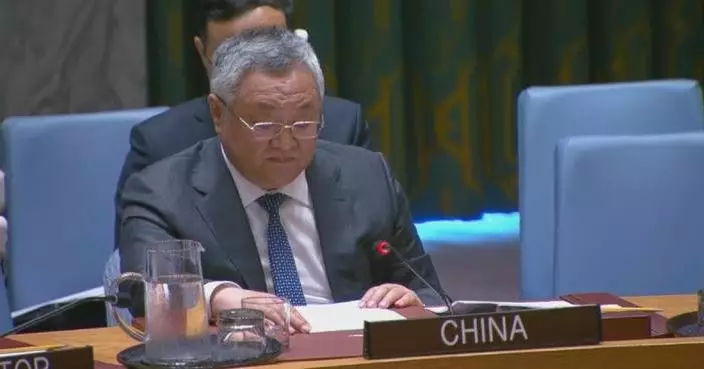
In response, the Chinese Ministry of Commerce said on Thursday that China firmly opposes and won't accept Takaichi's request.
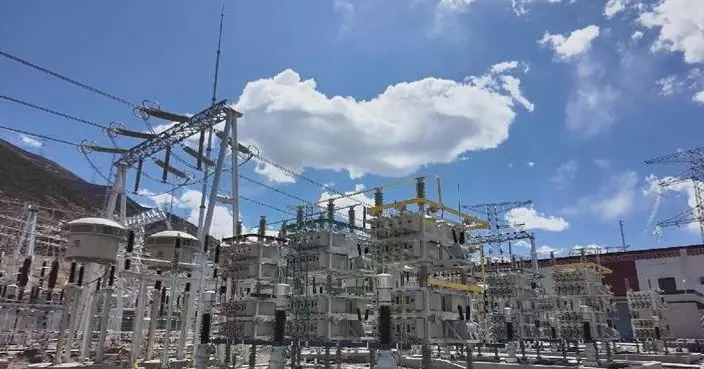
According to the Regulations on the Export Control of Dual-Use Items of the People's Republic of China, dual-use items refer to goods, technologies and services that can be used for both civilian and military applications or for enhancing military capacities, particularly those that can be used for designing, developing, producing and utilizing weapons of mass destruction and their delivery systems, including related technical data.
It is well known that since Takaichi took office in October 2025, she has blatantly interfered in China's internal affairs and issued military threats against China. Furthermore, she has actively pushed for the revision of Japan's three national security documents, with an official close to her having publicly claiming that Japan should have nuclear weapons.
These dangerous moves have revealed the ambitions of Takaichi and Japan's right-wing forces to break free from the constraints of the pacifist Constitution and accelerate "remilitarization," which will inevitably undermine regional peace and stability and endanger world peace and security.
Based on this, China's Ministry of Commerce announced on Jan 6 to prohibit the export of all dual-use items to Japanese military users, for Japan's military use, and for any other end-users and end-use purposes that help enhance Japan's military capabilities, with a purpose to stop Japan's remilitarization drive and its attempts to acquire nuclear weapons.
The measure taken by China is legitimate, reasonable, and necessary. By doing so, China is not only fulfilling its legal obligations under the Export Control Law and the Regulations on the Export Control of Dual-Use Items, but also fulfilling its international obligations such as non-proliferation.
The move can help curb the dangerous trend of Japan's military buildup by cutting off its illegal channels for obtaining key military technologies and materials. It also demonstrates China's determination and commitment to safeguarding regional security and order, and protecting common security for mankind.
Over the past 80 years since the end of World War II, the Asia-Pacific region has sustained development, prosperity, and stability primarily due to the profound lessons learned from the war, the shared commitment to maintaining the postwar international order, and the respect for and adherence to international law and rules. However, since the Takaishi administration came to power, Japan has accelerated its military buildup, which has posed a serious challenge to the postwar order and regional security.
In terms of military spending, Japan's draft defense budget has been set at a record 9.04 trillion yen for fiscal 2026, representing an increase for the 14th consecutive year.
This huge sum of money will not be spent primarily on Japan's homeland defense, but will instead be invested in long-range strike missiles, which clearly violates the country's postwar policy of being "exclusively defense-oriented" and sows the seeds of instability in the region.
Regarding its military strategies, Japan plans to revise its three national security documents by the end of 2026, aiming to acquire the so-called "counterattack capability" by increasing its military strength, provide financial support for military buildup by significantly increasing defense spending, try to enter the international arms trade market by loosening restrictions on arms exports, and remove restrictions on acquiring nuclear weapons by revising the three non-nuclear principles.
These fundamental policy shifts deviate from the spirit of Japan's pacifist Constitution, gravely violate the binding provisions of the Potsdam Declaration, the Japanese Instrument of Surrender and other international legal documents, constituting a blatant challenge to the postwar international order and a blatant disregard for humanity's aspiration for peace.
What has sparked even greater concern in the international community is Japan’s nuclear ambitions. Data show that the country currently possesses 47 tons of separated plutonium, which far exceeds its actual needs for civilian nuclear power and is enough to manufacture 6,000 nuclear warheads.
In addition to the fallacy of a senior official at the Prime Minister's Office that Japan should have nuclear weapons, right-wing politicians in the country are actively pressing for “nuclear sharing” cooperation with other countries, further blurring the boundaries of nuclear weapons use and pushing the region to the brink of nuclear risk.
Some analysts have pointed out that after China strengthened export control on dual-use items to Japan, violators will be held accountable and Japan's nuclear ambitions will effectively be curbed.
China's export control against Japan is essentially to safeguard the victorious outcomes of World War II and regional peace and stability through a legitimate and lawful means.
However, in disregard of the root cause of the issue which lies in the erroneous remarks and acts by Takaichi and the right-wing forces, Japan has played the victim and blamed China, which makes the international community even more worrying about the resurgence of Japanese militarism and further proves the legitimacy and necessity of China's measure.
The international community should join hands and take concrete measures to restrain Japan's military expansion. The International Atomic Energy Agency should step up its inspection on Japan's nuclear material stockpiles to ensure its strict compliance with its obligations under the Treaty on the Non-Proliferation of Nuclear Weapons. Relevant countries should re-examine their military cooperation with Japan to avoid indirectly helping Japan circumvent the constraints of its "exclusively defense-oriented" principle.
Only by unity and collaboration can the international community build a solid defense against the resurgence of Japanese militarism and safeguard lasting peace and universal security.
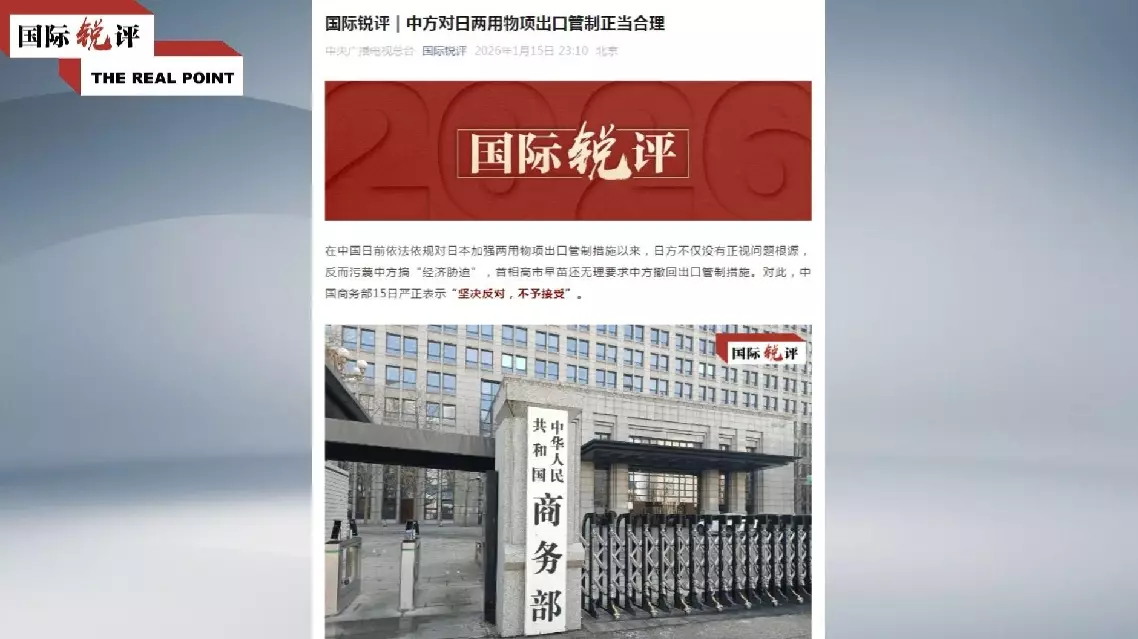
China's export control on dual-use items to Japan legitimate, reasonable: commentary