South China's Hainan Province, the world's largest free trade port by area, has witnessed a surge in business operations and tourist consumption since the launch of the island-wide special customs operations on December 18, 2025.
According to the new regulations, zero-tariff goods processed in Hainan may be sold to the mainland duty-free if their local processing generated an added value of 30 percent or more, creating new opportunities for local enterprises.
At a new industrial park in Hainan's Dongfang City, a nut processing company is operating at full capacity to ramp up production, as it can enjoy the tax exemption by processing raw nuts sourced from Africa.
"Our company's business has gradually grown in the month since the launch of the island-wide special customs operations. Our latest monthly business volume reached approximately 50 million yuan (about 7.2 million U.S. dollars), which translates to tangible tariff savings of six million yuan," said the company's brand marketing head He Peng.
Bolstered by various preferential policies, Hainan has attracted an increasing number of enterprises to establish operations, further enhancing the island's industrial chain.
Statistics show that from the launch of the island-wide special customs operations to early January, Hainan registered 4,709 new foreign trade enterprises in a 24-day period, equaling the total for an entire quarter in 2024. In the past month, the province has added approximately 22,000 new business entities.
A key feature of the new policies of the Hainan Free Trade Port is the inclusion of locally produced goods within the scope of processing value-added tax exemptions, which creates new development opportunities for farmers and food processing companies on the island.
Liao Huajun, a coffee grower in Hainan's Wanning, said the favorable policies have attracted more clients to visit.
"I have received some international clients. Domestic coffee processors and food companies from Shanghai and Beijing have also expressed their willingness to cooperate. I plan to expand my growing area by approximately 200 mu (13.3 hectares) this year," said Liao.
Incorporating local agricultural products into coffee blends not only helps achieve the 30 percent value-added threshold, but also creates a unique selling point by highlighting the distinctive Hainan flavor. The new concept has recently led to a hot discussion among local coffee enterprises and their clients.
While planning to develop new coffee flavors, many out-of-province clients are exploring ways to engage in deep processing of coffee beans.
"The FTP policies allow companies to source coffee varieties from across the nation and around the world, giving them a significant cost advantage in making deep-processed products," said coffee purchaser Xie Huatong.
Locally produced sea salt has been utilized in nut processing, and Hainan coconuts have been used to make coconut oil beauty products. Such applications of local products have brought new development opportunities to an increasing number of enterprises and individuals in Hainan.
"After one month of special customs operations, relevant import and export policies and systems have been fully implemented. The customs facilitation measures introduced have also been comprehensively rolled out. Nearly 30 enterprises across the island have utilized the processing value-added duty exemption policy. Goods shipped off the island for mainland sales primarily include pharmaceuticals, food products, medical equipment, and other categories," said He Bin, a local customs official.
Hainan also saw a surge of offshore duty-free shopping in the past month. From the launch of the island-wide special customs operations to early January, the number of offshore duty-free shoppers reached 585,000, with total spending amounting to 3.89 billion yuan, up 32.4 percent and 49.6 percent year-on-year, respectively. The figures mean that the island received an average of 24,000 duty-free shoppers daily, with an average daily spending total of 160 million yuan.
"It's very convenient, you buy and you pick up at the airport, so I think it's very convenient," said a tourist from Croatia.
In the past month, Hainan's ports have processed 180,000 foreign passenger entries and exits, up 46.5 percent year-on-year. Visa-free entries of foreigners reached 80,000, up 64 percent compared with the same period last year. Tourism remains the primary purpose for foreign visitors entering Hainan, with the majority coming from Russia, Malaysia, and Indonesia.
"Next, we will fully implement the overall plan for building the Hainan Free Trade Port, continue to accelerate opening up, align with international high-standard economic and trade rules, and strengthen cooperation with free trade ports such as Hong Kong, Singapore, and Dubai. This will build a platform for domestic enterprises to participate in international competition and serve as a bridge for international enterprises to enter the Chinese market," said Wang Fengli, deputy head of the Office of the Hainan Free Trade Port Working Committee.
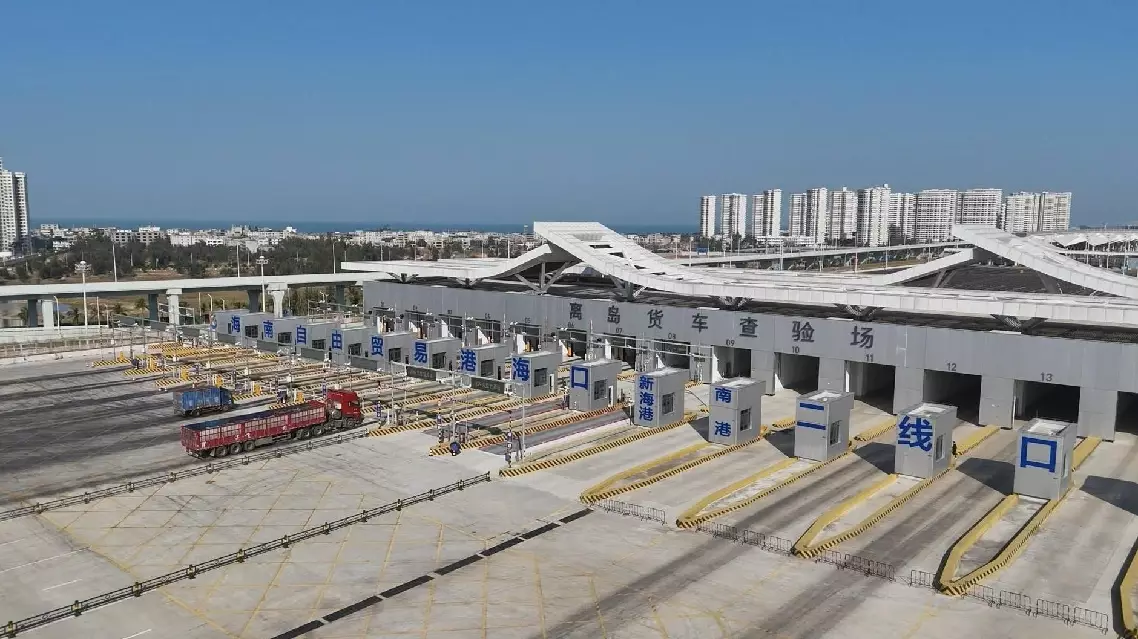
China's Hainan sees booming business, consumption after launch of special customs operations
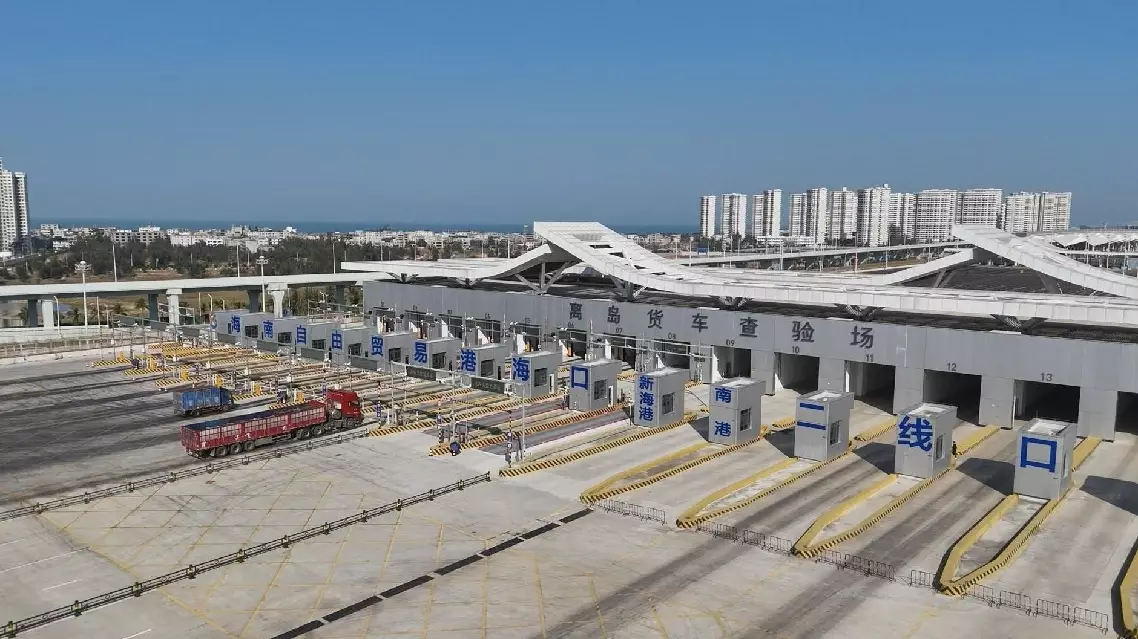
China's Hainan sees booming business, consumption after launch of special customs operations