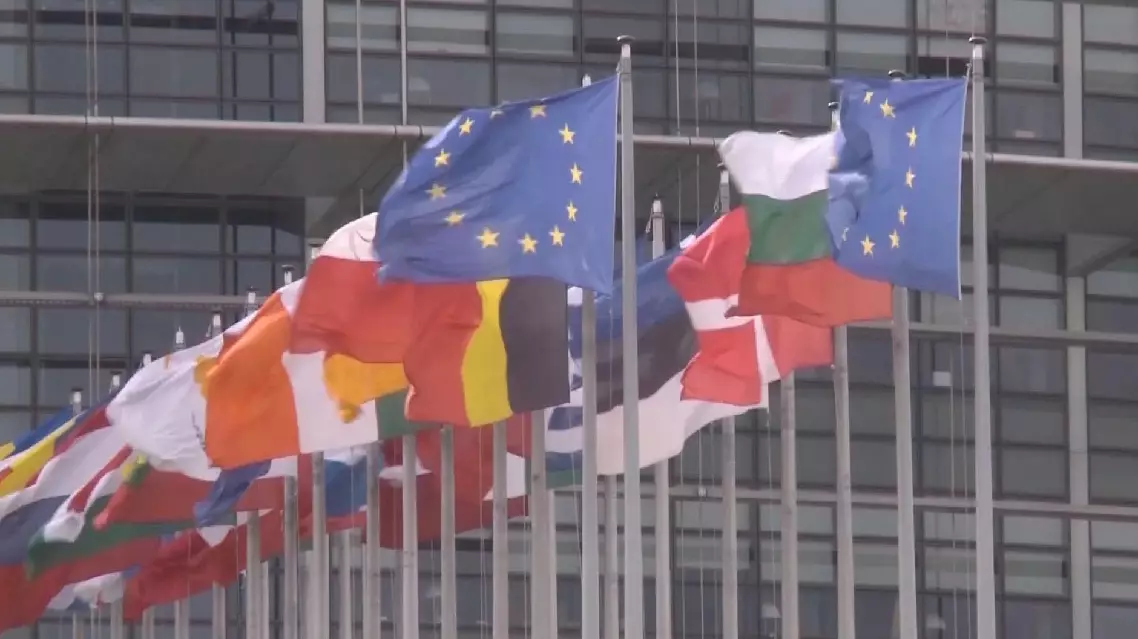
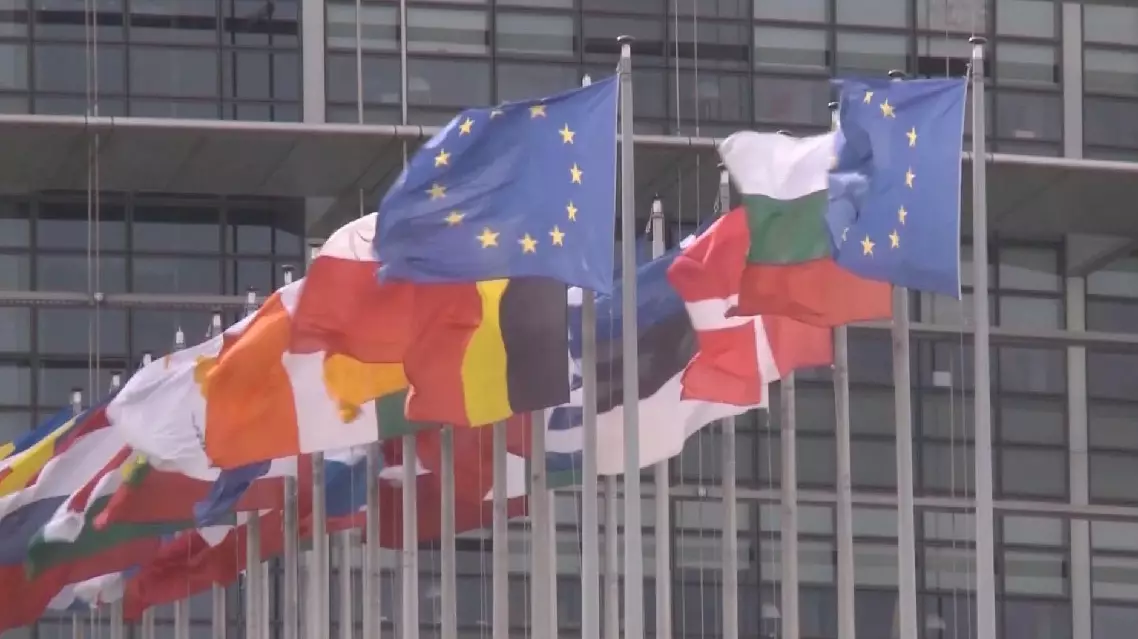
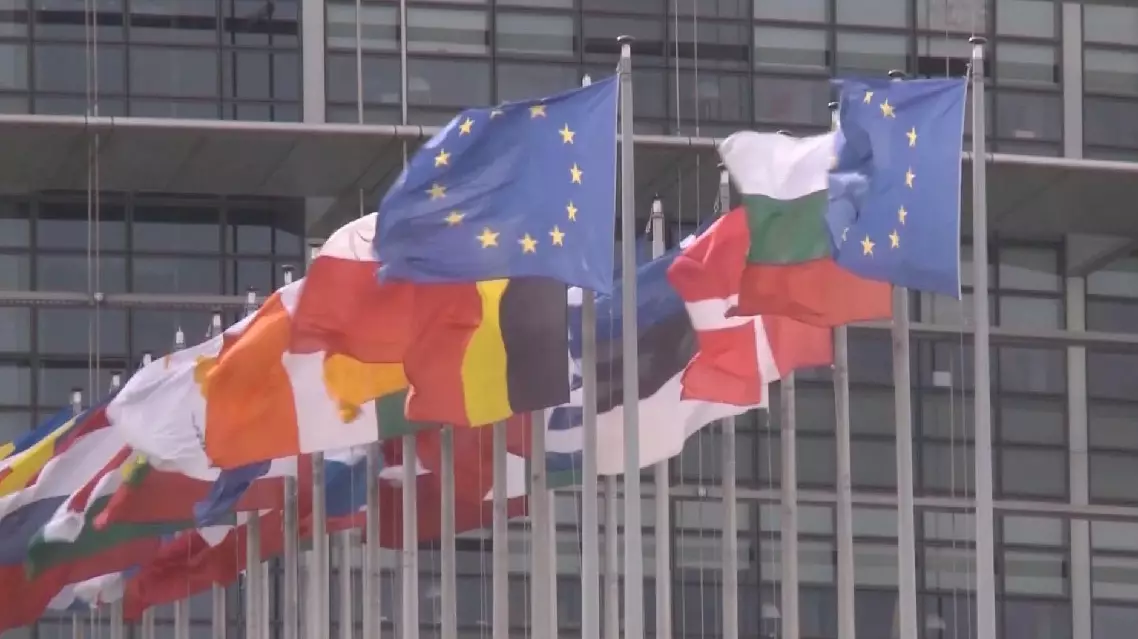
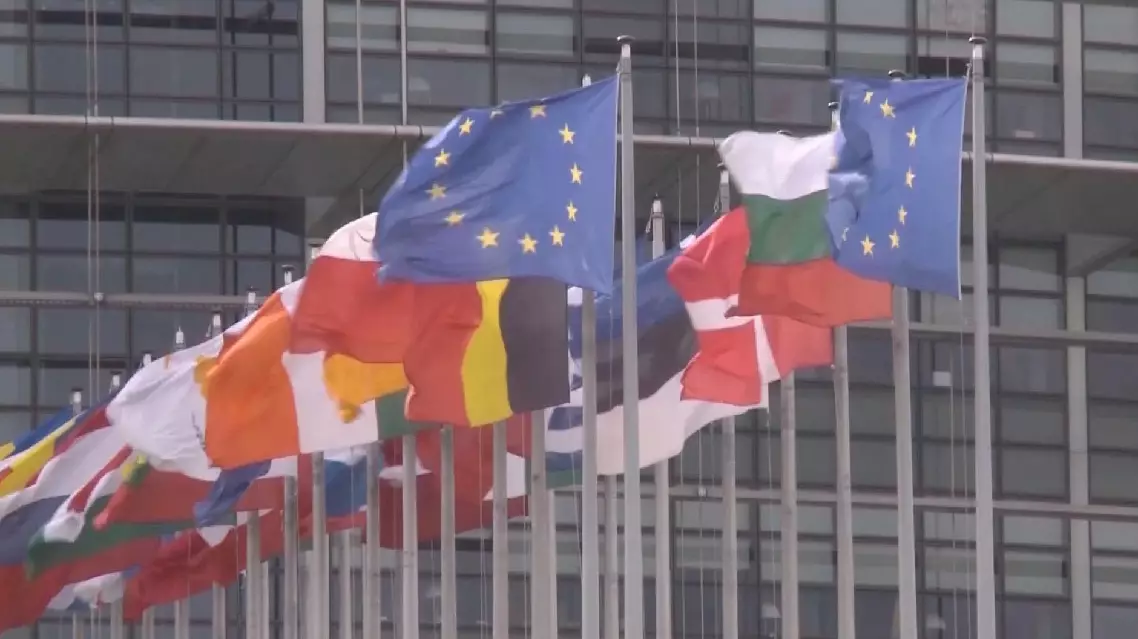
The Southern Common Market (Mercosur) and the European Union (EU) on Saturday signed a free trade agreement in Paraguay's capital city of Asuncion, marking the conclusion of 25 years of negotiations toward one of the world's largest trade accords.
The free trade deal aims to reduce tariffs and expand trade between the two blocs and now awaits approval by the European Parliament, as well as ratification by the legislatures of Mercosur member states Argentina, Brazil, Paraguay and Uruguay.
Click to Gallery
Mercosur, EU sign free trade deal
Mercosur, EU sign free trade deal
Mercosur, EU sign free trade deal
Mercosur, EU sign free trade deal
The signing ceremony was attended by senior EU and Mercosur officials, including European Commission President Ursula von der Leyen and European Council President Antonio Costa, together with the foreign ministers of Argentina, Brazil, Paraguay and Uruguay.
Paraguayan President Santiago Pena, whose country holds the rotating Mercosur presidency, thanked leaders from both blocs for their efforts, calling Saturday "a truly historic day."
Von der Leyen said the pact sends "a very strong message" in favor of fair trade and long-term economic cooperation.
"This agreement is a firm commitment to openness, exchange and cooperation, as opposed to isolationism, unilateralism and the use of trade as a geopolitical weapon," said Costa.
The deal covers a combined population of more than 700 million people. According to the European Commission, the EU's largest trade deal to date would eliminate more than four billion euros in duties on EU exports each year. EU exports to Mercosur mainly include machinery, chemical products and transport equipment, while Mercosur exports to the EU are largely agricultural goods, minerals and forestry products.
Negotiations on the pact stretched about 25 years, repeatedly stalling and resuming amid shifting political coalitions, disputes over environmental safeguards in South America, and opposition from parts of Europe's farm sector.
Mercosur, EU sign free trade deal
Mercosur, EU sign free trade deal
Mercosur, EU sign free trade deal
Mercosur, EU sign free trade deal
The United Arab Emirates' decision to withdraw from the Organization of the Petroleum Exporting Countries (OPEC) signals a broader strategic recalibration as the Gulf producer seeks to diversify its energy export routes and reduce vulnerability to regional chokepoints, according to a Middle East affairs expert.
The United Arab Emirates (UAE) announced Tuesday it will withdraw from OPEC, marking the end of its decades-long alignment with the cartel.
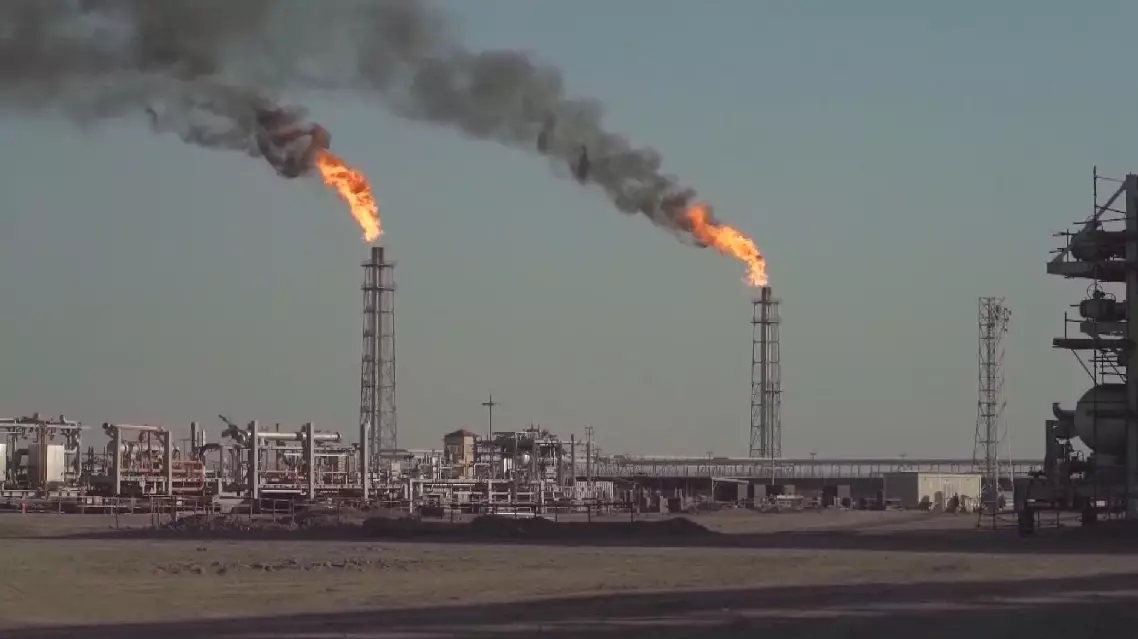
Against this backdrop, the UAE is actively exploring alternative logistics pathways to safeguard its energy exports. A key focus is developing overland connections to bypass the strategically sensitive Strait of Hormuz.
"The UAE's primary energy loading and unloading ports are currently located in the Gulf region, within the Strait of Hormuz. However, given the increasingly uncertain security situation around the Strait of Hormuz, the UAE has gradually come to realize that its existing transportation system -- which relies on transit through the Strait of Hormuz to connect with international energy markets -- will be difficult to sustain over the long term. Consequently, the UAE hopes to establish overland connections linking its main inland energy production areas with the Fujairah Port, where crude oil can be loaded onto vessels for export to international energy markets," said Wang Jin, director of the Center for Strategic Studies at Northwest University in China.
While the strategic rationale is clear, implementation faces significant hurdles. Wang noted that infrastructure constraints could limit the effectiveness of this pivot, particularly given the UAE's ambitious production targets.
"However, this strategy involves two key challenges. First, the existing overland pipeline infrastructure cannot fully meet the UAE's so-called energy transport capacity requirements. According to current UAE projections, the country's average daily energy production may reach approximately 5 million barrels in the future. Yet the transport capacity of the existing pipelines falls far short of this anticipated volume. Therefore, the UAE must consider how to further expand the capacity of its overland energy pipeline network in the future, and whether new pipelines should be constructed to connect with the Fujairah Port," he said.
Beyond pipeline capacity, long-term success hinges on port infrastructure and sustainable financing -- questions that remain unresolved as the UAE weighs its next moves, according to Wang.
"More importantly, as the Fujairah Port -- a deep-water port -- gains increasing strategic significance, the UAE must also consider whether the port should be expanded and its capacity upgraded to accommodate more vessels for loading and unloading energy-related products. Thus, for the UAE, critical questions remain: how to develop effective planning, how to advance infrastructure construction, and where to secure funding for related projects. Consequently, although the UAE currently has proposals to bypass the Strait of Hormuz, whether and when these plans can be realized will likely require a long and complex process ahead," he said.
UAE's OPEC exit reflects strategic shift amid energy security concerns: expert