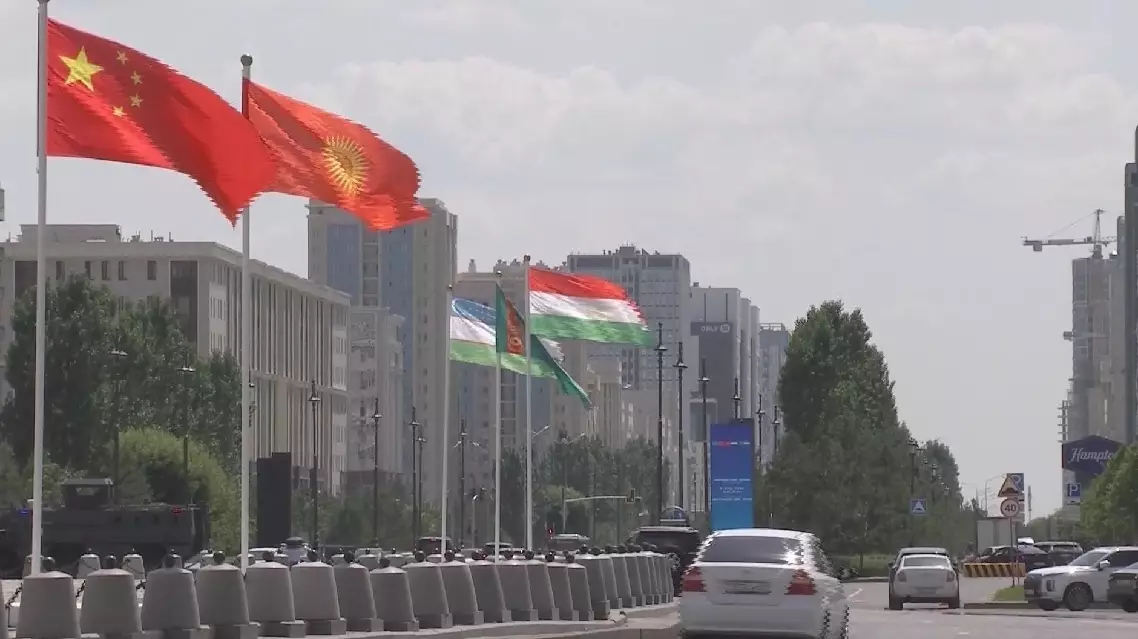
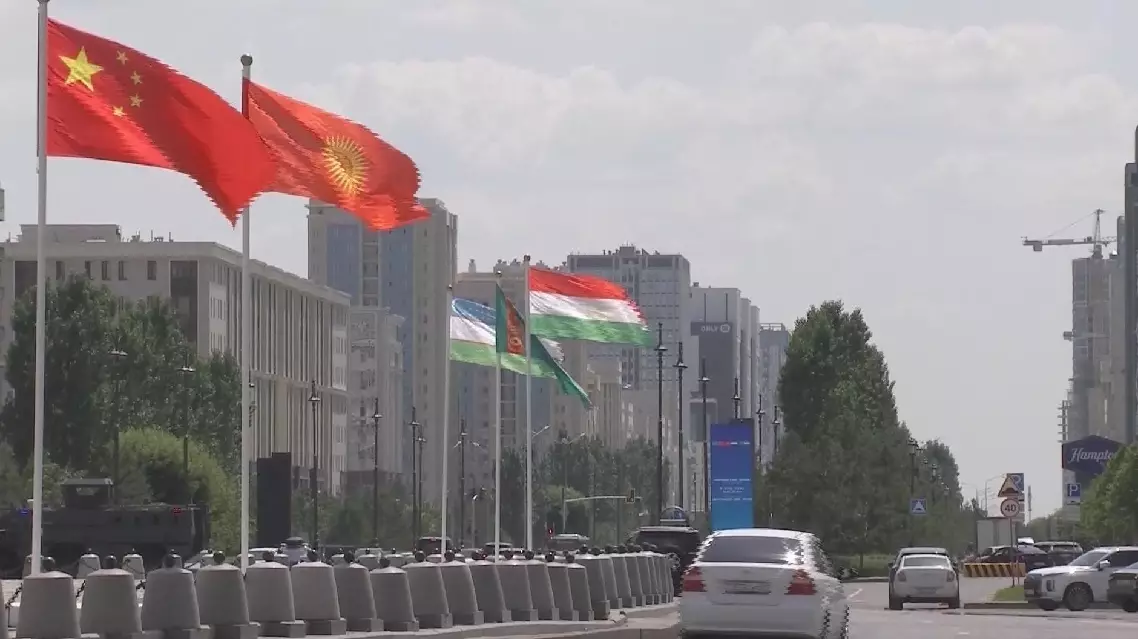
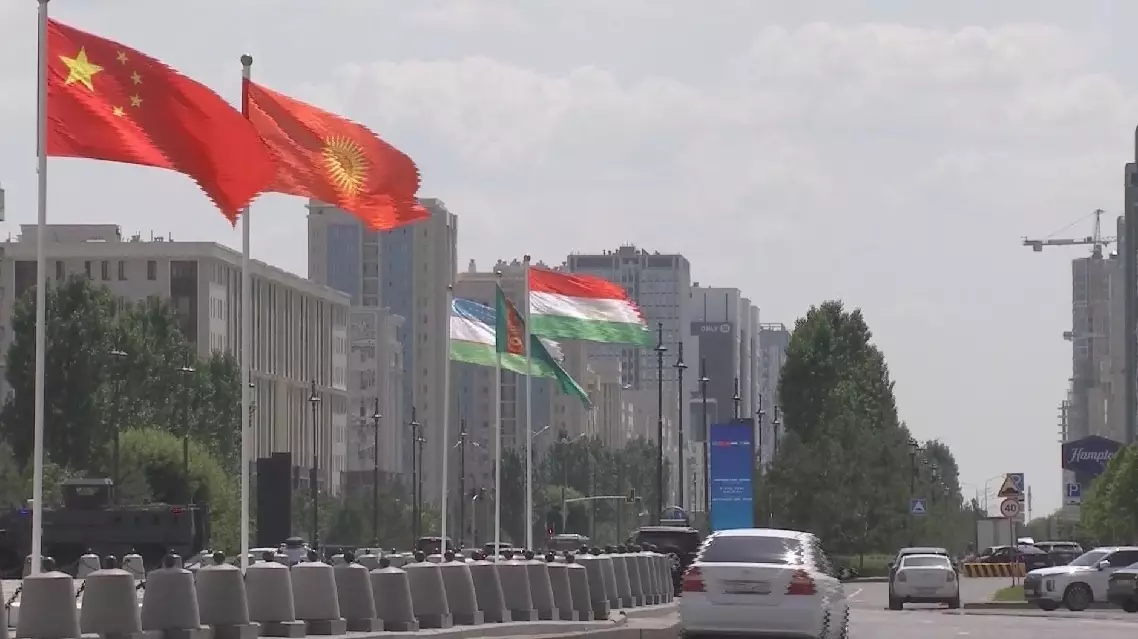
China became Central Asia's largest trading partner in 2025, marking a new milestone in regional economic ties, according to the Chinese Ministry of Commerce.
Last year, trade between China and Central Asian countries reached 106.3 billion U.S. dollars, up 12 percent year on year and outpacing the 2024 growth rate by six percentage points.
Click to Gallery
China becomes Central Asia's largest trading partner in 2025
China becomes Central Asia's largest trading partner in 2025
China becomes Central Asia's largest trading partner in 2025
China becomes Central Asia's largest trading partner in 2025
After five consecutive years of growth, trade between China and Central Asia exceeded 100 billion U.S. dollars for the first time in history, noted the ministry.
As China emerged as the largest trading partner to Central Asian countries, the region's share of China's foreign trade further increased, the ministry added.
Exports from China grew 11 percent to 71.2 billion U.S. dollars, led by machinery, electronics and high-tech products, while imports from Central Asia rose 14 percent to 35.1 billion U.S. dollars, with a more diverse mix including chemicals, steel and agricultural goods.
Cross-border e-commerce between China and Central Asian states maintained rapid growth in the year, supported by strengthened logistics networks, cross-border payment systems and the launch of the China-Central Asia Trade Facilitation Cooperation Platform in Nanjing City, east China's Jiangsu Province.
The ministry also highlighted high-quality cooperation under the Belt and Road Initiative. Key projects in connectivity, equipment manufacturing, green minerals and modern agriculture have boosted China's exports to Central Asia and supported industrial upgrading and economic revitalization across Central Asian countries, the ministry said.
China becomes Central Asia's largest trading partner in 2025

China becomes Central Asia's largest trading partner in 2025
China becomes Central Asia's largest trading partner in 2025
China becomes Central Asia's largest trading partner in 2025
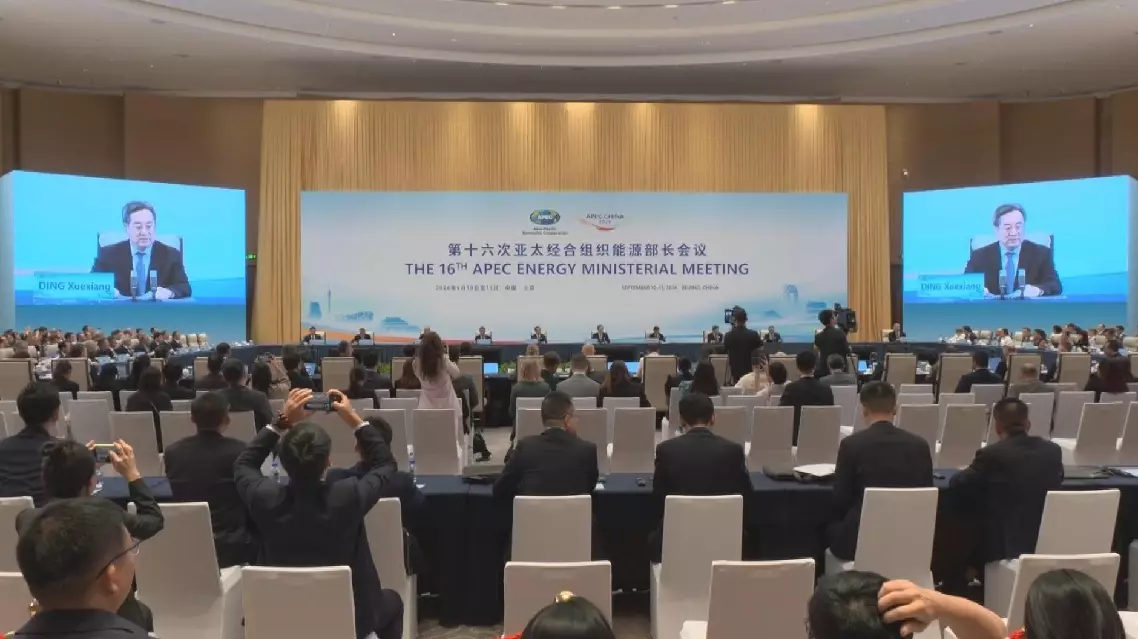
As the lingering U.S.-Iran conflict over the Strait of Hormuz disrupts global oil and gas supply, the Asia-Pacific Economic Cooperation (APEC) forum's energy ministers met in Beijing Thursday to chart a way forward, on whether the region can turn the crisis into opportunities.
The disruption of the Strait of Hormuz since late February 2026 has caused the largest oil supply shock on record, with ongoing daily shortfalls in the multi-million-barrel range. This energy supply shock has exposed the structural vulnerabilities of the Asia-Pacific region, the world's largest energy-consuming area.
As the APEC host this year, China has taken an open and inclusive approach, creating a multilateral dialogue platform. At the current energy ministerial meeting, it is pushing for a full exchange of practical experience among economies and channeling shared wisdom into real cooperative results.
"Since the beginning of this year, navigation through the Strait of Hormuz has been disrupted. China has fully leveraged its energy production, supply and marketing system, actively strengthened cooperation with all other parties, and made important contributions to safeguarding global energy security," said Chinese Vice Premier Ding Xuexiang in addressing the meeting.
The APEC Energy Ministerial Meeting, returning to Beijing after a 12-year hiatus, took place at a critical juncture following this "stress test."
"From our end in Papua New Guinea, we face the impacts of the war in Iran. We are an import-based economy. It did affect us in a great way," said Conrad Kumul, a delegate from Papua New Guinea, on the sidelines of the meeting.
Yet, many see that crises can also serve as catalysts for energy transition.
"The idea now is to push very much forward with the energy transition, even more than before. Now actually, the oil prices are so high that the comparatively renewable energies are very low in price," said Steivan Defilla, president assistant of the APEC Sustainable Energy Center, a high-level international energy think tank led by China's National Energy Administration.
China will hold the 33rd APEC Economic Leaders' Meeting in Shenzhen, south China's Guangdong Province, in November, which marks the country's third time hosting the event following Shanghai in 2001 and Beijing in 2014.
APEC ministers explore new pathways for energy security amid Hormuz crisis