Operations at the Hainan Free Trade Port, the world's largest FTP by area, have been running smoothly and in an orderly fashion during the first month of China's new island-wide customs regime.
Launched on Dec. 18, the system is designed to ease the entry of overseas goods, expand zero-tariff coverage and introduce more business-friendly policies to accelerate the port's development as a global trade hub.
Drawn by policy incentives, a growing number of companies are choosing to do business in Hainan. The General Administration of Customs said 5,132 new foreign trade enterprises completed registration in the province over the past month -- an increase roughly equivalent to the total number of registrations recorded in an entire quarter of 2024.
One notable special customs policy is offering "freer access at the first line," referring to freer trade between Hainan and areas outside China's customs borders, and "regulated access at the second line," which involves applying standard customs controls for goods moving from Hainan to the mainland.
According to Haikou Customs, between Dec. 18, 2025 and Jan. 17, 2026, the value of zero-tariff goods imported through the "first line" reached 750 million yuan (about 107 million U.S. dollars), while processed and value-added goods sold domestically through the "second line" totaled about 85.9 million yuan.
For zero-tariff and bonded goods that do not require licensing or inspection, customs authorities have implemented direct release measures, streamlining import declaration items from 105 to 33, a change that has significantly improved customs clearance efficiency, customs authorities said on Sunday.
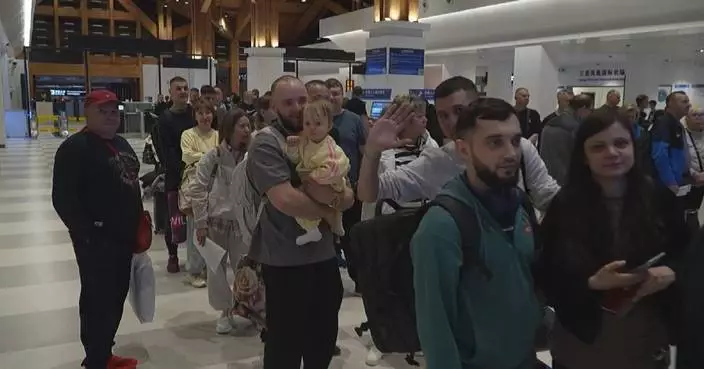
Hainan Free Trade Port has also attracted a growing number of travelers entering and leaving through the island's ports. Hainan customs processed 311,000 inbound and outbound travelers through airport ports, up 48.8 percent year on year.
"We have introduced measures including 24-hour direct transit without border inspection procedures and online pre-filling of arrival cards for foreign travelers and group tourist visa applications, enabling fast and convenient clearance for travelers," said Jin Zhou, a border inspection official in Hainan.
"Our company will continue to advance the orderly development of Hainan's international flight routes in 2026," said Li Mingshuai, vice president of Hainan Airlines.
From Dec. 18, 2025 to Jan. 17, 2026, the duty-free sales supervised by Hainan customs reached 4.86 billion yuan, up 46.8 percent year on year, and the number of shoppers rose 30.2 percent year on year to 745,000, showing sustained strong consumption vitality.
"We will take the island-wide special customs operations as a new starting point in advancing the construction of the Hainan Free Trade Port. We will transition from the initial establishment of the policy and institutional system to its systematic development that is compatible with a high-level free trade port. This shift will upgrade the port's role from fostering key industries through policy empowerment to driving comprehensive economic and social development and ultimately building the port into an important gateway leading China's opening-up in the new era," said Guan Jirong, executive vice director of the Office of Hainan FTP Working Committee.
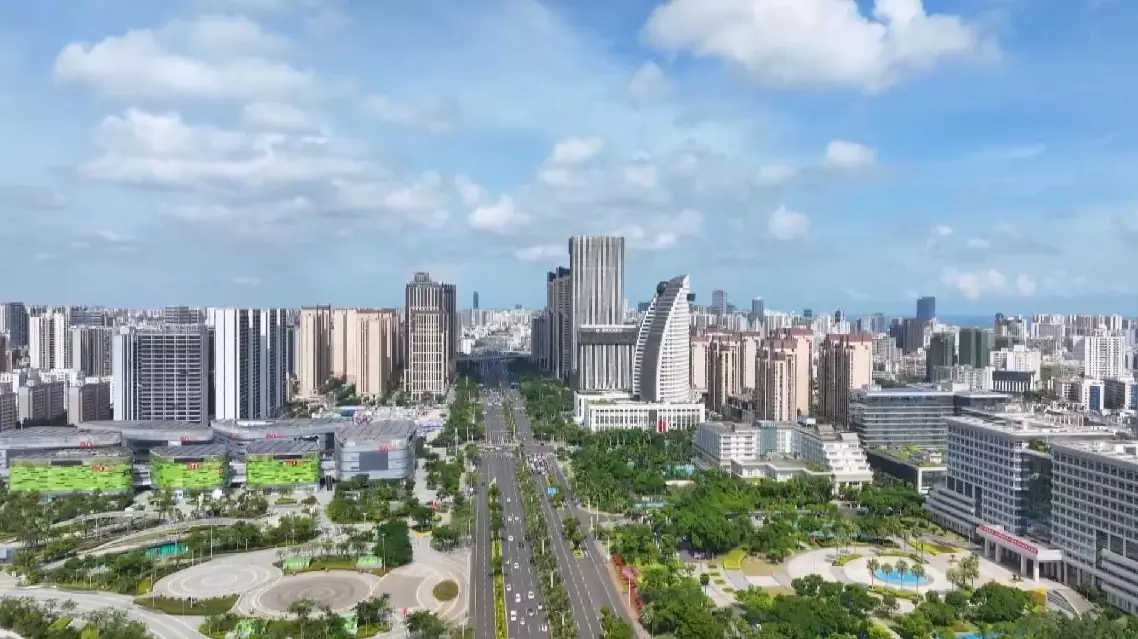
China's Hainan sees smooth start to special customs operations