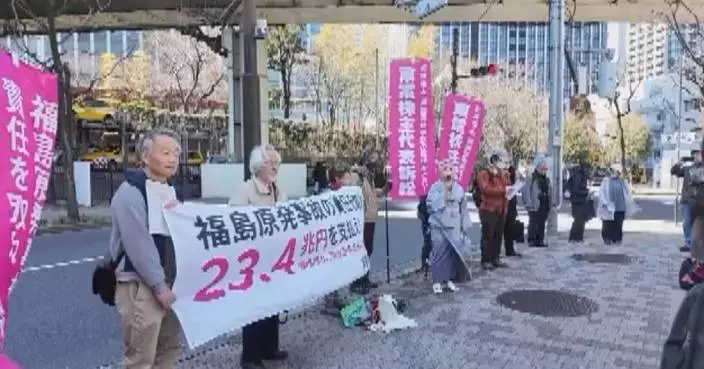
Japanese and international observers condemned recent remarks by Prime Minister Sanae Takaichi, expressing deep concern over suggestions that Japan may abandon its three non-nuclear principles in pursuit of nuclear weapons.
At a Diet meeting in early November 2025, Takaichi claimed that the Chinese mainland's "use of force on Taiwan" could constitute a "survival-threatening situation" for Japan and implied the possibility of armed intervention in the Taiwan Strait, drawing strong criticism worldwide.
A senior official overseeing security and defense at the Japanese Prime Minister's Office also said that Japan should possess nuclear weapons. The defense minister later said the government was leaving open the possibility of reviewing Japan's long-standing non-nuclear principles in the future.
"The three non-nuclear principles are Japan's lifeline and must never be altered. Whether viewed through the lens of Japan's Constitution or the proper trajectory of international relations in the 21st century, Japan's ongoing military buildup is fundamentally misguided. The very notion of a 'survival-threatening situation' should not exist. Takaichi should not have made such remarks. There are signs that the postwar international order may be seriously shaken, which is entirely unacceptable. For Japan to take such steps would be tantamount to repeating the mistakes of war," said Ishizaki Seiya, a professor at Niigata University.
International analysts said Takaichi's remarks and pro-nuclear statements by Japanese officials pose serious risks to international security and are deeply concerning.
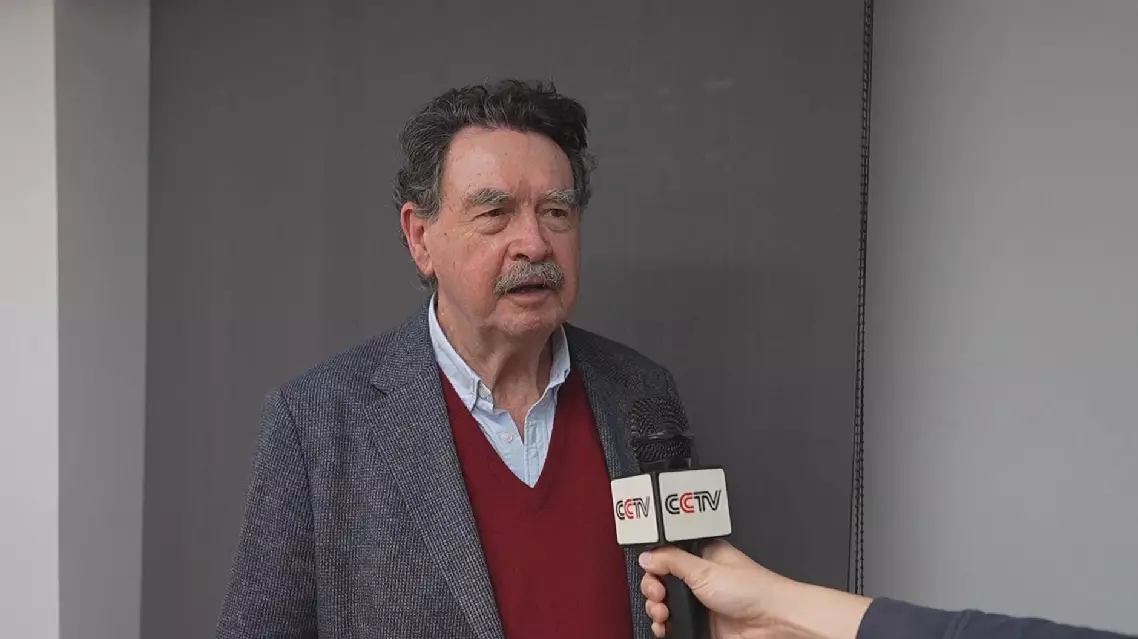
"I think this regression in Japan which goes against the agreements signed after World War II poses a grave danger to humanity: the resurgence of Japanese militarism and its attempts to rearm itself, even to acquire nuclear weapons. I think the United Nations and all nations that signed the post-war agreements should prevent Japan from taking this step, as the consequences for humanity could be extremely severe. I believe the Japanese government should heed the call from Japanese business leaders and retract statements that are perceived as inappropriate. The Japanese government must withdraw these remarks to restore the situation to normalcy," said Spanish economist Pedro Barragan.
"It is evident that the current Japanese government has deviated from the pacifist path enshrined in its constitution. By abandoning its peaceful stance and pursuing remilitarization, Japan is adopting confrontational policies that undermine peace in the Southern Hemisphere," said Claudio Goncalves, vice principal of the University of Salvador in Argentina.
Japan officials' remarks on nuclear policy spark concern at home and abroad