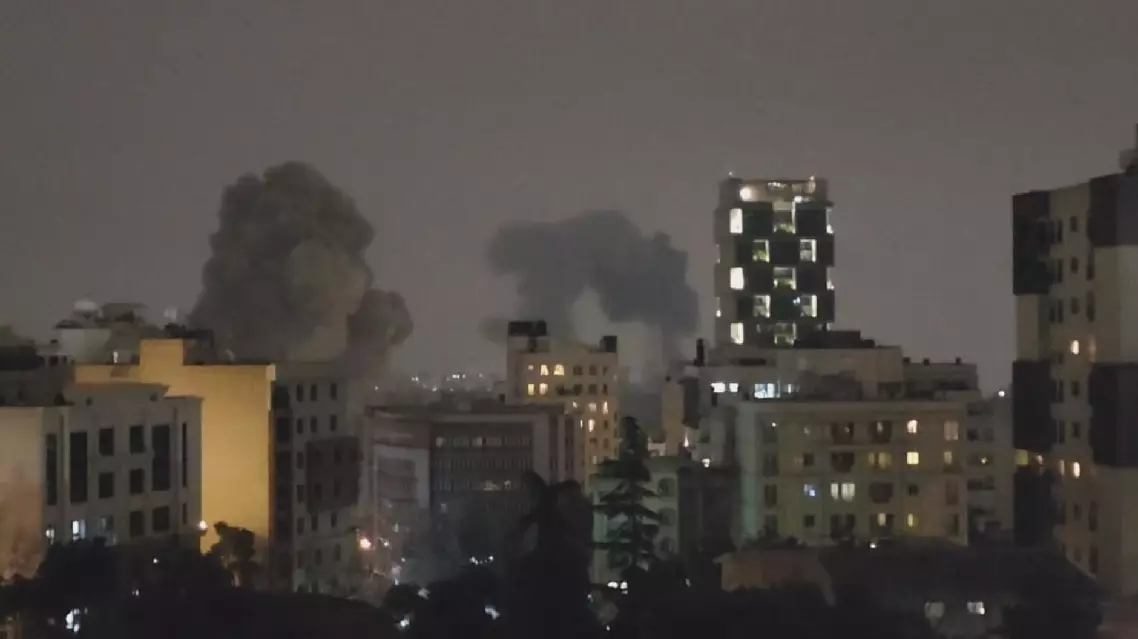
Hong Kong and Tokyo stocks slipped on Friday as investors grew increasingly cautious amid the continuing conflict in the Middle East, which has entered its second week with no sign of easing, said Timothy Pope, a market analyst for China Global Television Network (CGTN).
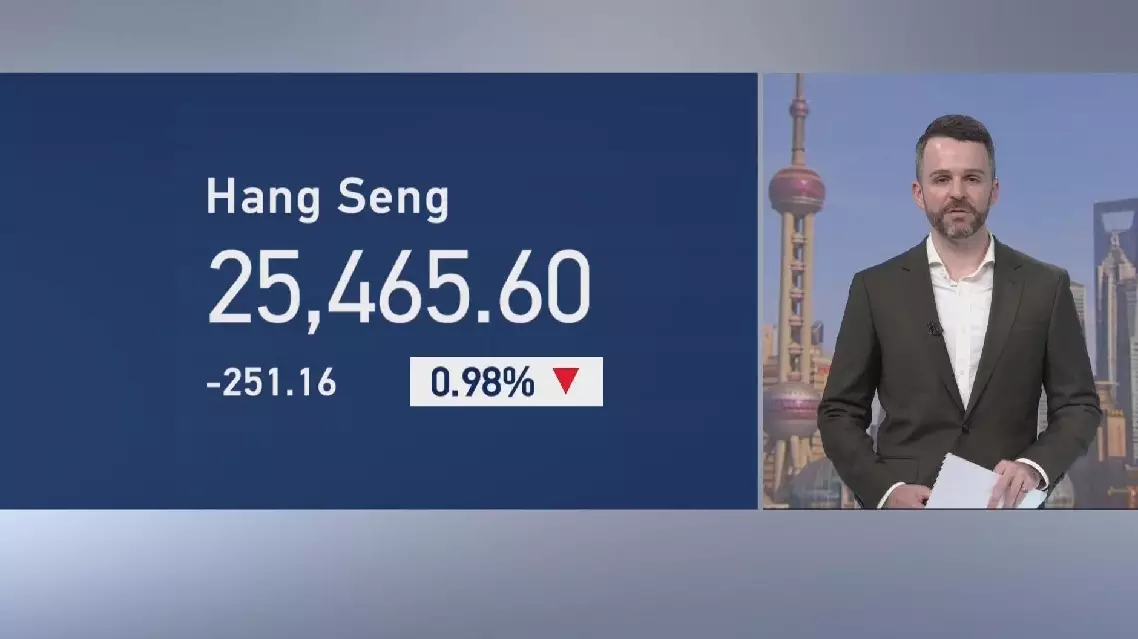
Hong Kong's stock market ended lower, with the benchmark Hang Seng Index down 0.98 percent to close at 25,465.60 points.
The Hang Seng China Enterprises Index fell 0.32 percent to end at 8,671.48 points, and the Hang Seng Tech Index fell 0.99 percent to end at 4,978.08 points.
"For Hong Kong or Tokyo, the fears over the Middle East conflict leading to an inflation spike had investors feeling very cautious. The Hang Seng [Index] shed 1 percent, extending its run of losses that it's seen this week. There were some modest gains for energy, tech and industrial stocks listed in Hong Kong, but nothing like enough to counteract the drag from materials, healthcare, consumer and real estate shares. There is a correction continuing as well for many Chinese AI listings in Hong Kong. Knowledge Atlas -- that's one of the big ones -- is up almost 360 percent since it debuted in January. It's slid again today. It was off considerably yesterday. Today it was down 4.6 percent. The AI large language model developer is caught up in this industry-wide sort of valuation reality check that's going on," said Pope.
"Also rocking the investment industry in Hong Kong this week - 8 arrests in an insider trading case involving two brokerages and a hedge fund. We saw senior executives at Guotai Junan International and CLSA, which is owned by Citic. They have been arrested as part of a joint operation between Hong Kong's financial regulator and its anti-graft office, along with staff from a hedge fund -- Infini Capital Management. The scheme is said to have netted more than 40 million U.S. dollars in illegal profits and from what we know so far involves bribes offered to brokerage staff to reveal confidential information. It is the biggest insider trading crackdown we've seen in recent years in Hong Kong and definitely drove Guotai Junan's shares off a cliff the other day. They were down to a three-month low this week," he said.
Tokyo stocks also ended lower on Friday, with the benchmark Nikkei stock index briefly losing over 2 percent in the morning, pressured by concern over an economic slowdown fueled by inflation as crude oil prices surged.
The 225-issue Nikkei Stock Average ended down 633.35 points, or 1.16 percent, from Thursday at 53,819.61.
"Over in Japan the Nikkei 225 also ended 1.2 percent lower - very much a symptom of the risk-off feeling at the moment. For the week, it's down 3.2 percent and this is its second weekly decline in a row. Before the conflict in the Middle East, sentiment on Japanese markets had been pretty good thanks to some hopes for more liberal fiscal policy after Prime Minister Sanae Takaichi's election win, and also just some pretty strong corporate earnings. But there's very little left of that pre-war confidence at the moment. The tech majors are continuing to fall. Today we saw SoftBank down 4.5 percent. And there's really not much of a buffer to absorb other bad news, like today's announcement from Honda that it's looking at its first annual loss in nearly 70 years. That's the entire time pretty much it has been listed on the stock market. It's Japan's second biggest automaker and it said it had to spend 15.7 billion dollars on restructuring just around its EV business, which has led to this sort of milestone loss for the company," said Pope.
Hong Kong, Tokyo stocks slip as investors grow cautious amid ongoing Middle East conflict: analyst