Cuban President Miguel Diaz-Canel said on Friday that Cuba had held talks with the United States to discuss key differences between the two countries and possible solutions through dialogue.
"Cuban President Miguel Diaz-Canel confirmed at a press conference on Friday that Cuban officials had recently held talks with representatives of the United States government to discuss key differences and their solutions, as well as to assess the political will to take concrete actions for the benefit of both countries," said China Media Group (CMG) reporter Gong Xiangcheng, citing Diaz-Canel at a press conference.
Noting that dialogue is still in its early stages, Diaz-Canel said Cuba is willing to continue exchanges with the United States on the basis of equality and respect for each other's political systems, sovereignty and self-determination, with the aim of maintaining security and stability in both countries and the region, identifying areas of cooperation and avoiding confrontation.
He emphasized that the dialogue process is extremely delicate and that Cuba will proceed with caution, responsibility and seriousness, noting that the country has consistently refrained from responding to speculation.
The president blamed the U.S. energy blockade for exerting significant pressure on Cuba, saying no petroleum shipments have arrived on the island in the past three months.
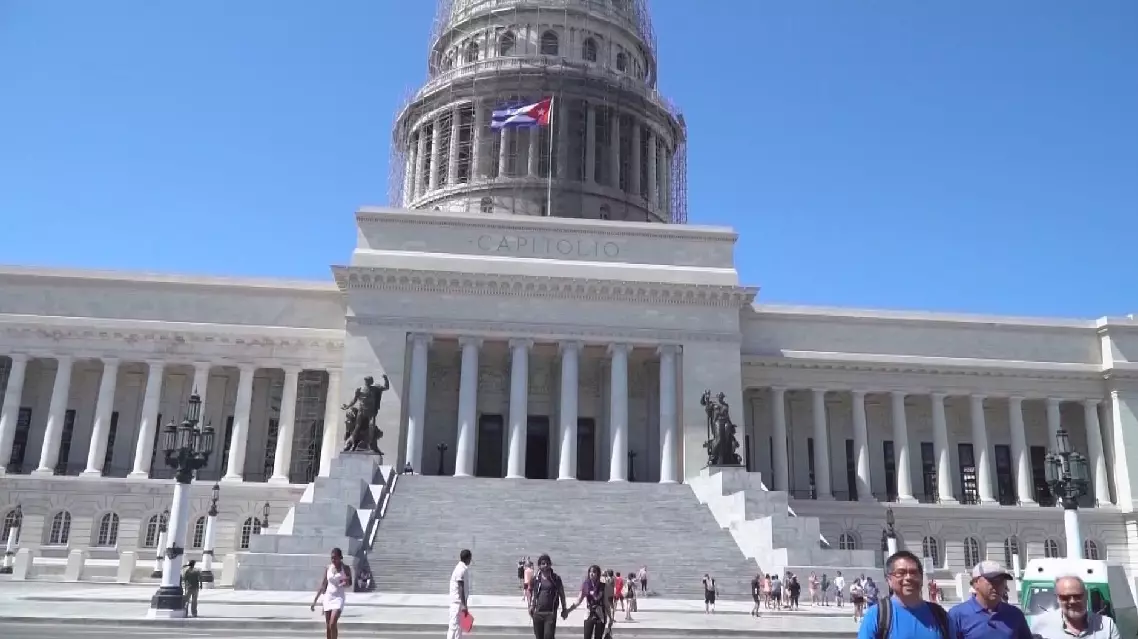
Cuba confirms talks with U.S.
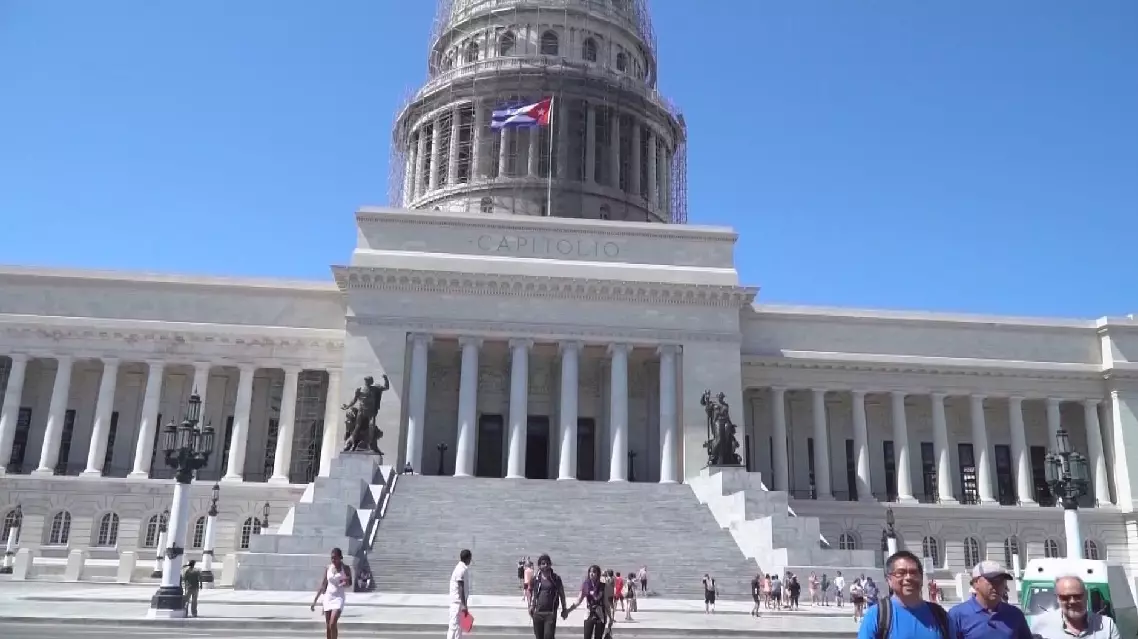
Cuba confirms talks with U.S.
China's zero-tariff policy is widely seen as a major opportunity for African countries, supporting their efforts to improve livelihoods, advance trade upgrading and promote regional stability, African officials and economic stakeholders said.
On Friday, China officially expanded its zero-tariff policy to cover all 53 African nations with which it maintains diplomatic relations. The move aims to create new pathways for African exports and industrialization at a time when global trade faces mounting pressures from protectionism.
The policy builds upon earlier measures: since Dec 1, 2024, China has already eliminated tariffs on 100 percent of tariff lines for 33 least developed countries in Africa. The latest expansion now includes economies that are relatively more developed, such as Kenya, Egypt and Nigeria, opening doors for a broader range of African products to enter the Chinese market duty-free.
Omar Toure, president of the Economic Community of West African States (Ecowas) Commission, noted that economic growth and poverty reduction can contribute to greater stability and peace in the region.
"For us, this is a major opportunity for our countries because China is a massive market and having access to such a massive market for our produce and products is a major opportunity that we must all seize. It will have impact on overall development of our countries through enhanced productivity because as you know, poverty is a key driver of insecurity in our region. The zero tariff policy is likely to advance our development, to support our development, as well as help us entrench peace and security in our region and on the continent," he said.
Beyond expanding market access, the initiative is expected to strengthen Africa's industrialization and help upgrade regional industries, spurring ambitions to pursue global economic involvement.
"It will enhance trading relations between China and the rest of its partners. I think to a large extent, also within Africa itself, it's going to act as a great catalyst for improving trade, for enhancing the economic relations and also for industrialization," said Bianca Ojukwu, Minister of State for Foreign Affairs of Nigeria.
"China is a very big market, and if you supply to China, it means you will enhance the value of trade or the volume of your exports. And that in itself is monumental. In the sense that, apart from just the value of the export, you get more and more people getting higher incomes and also being able to upgrade their production facilities. So it's really going to benefit Africa in a way that Africa can also begin to participate in a global trade," said David Chewe, Fund Manager of Zambia Export Development Fund.
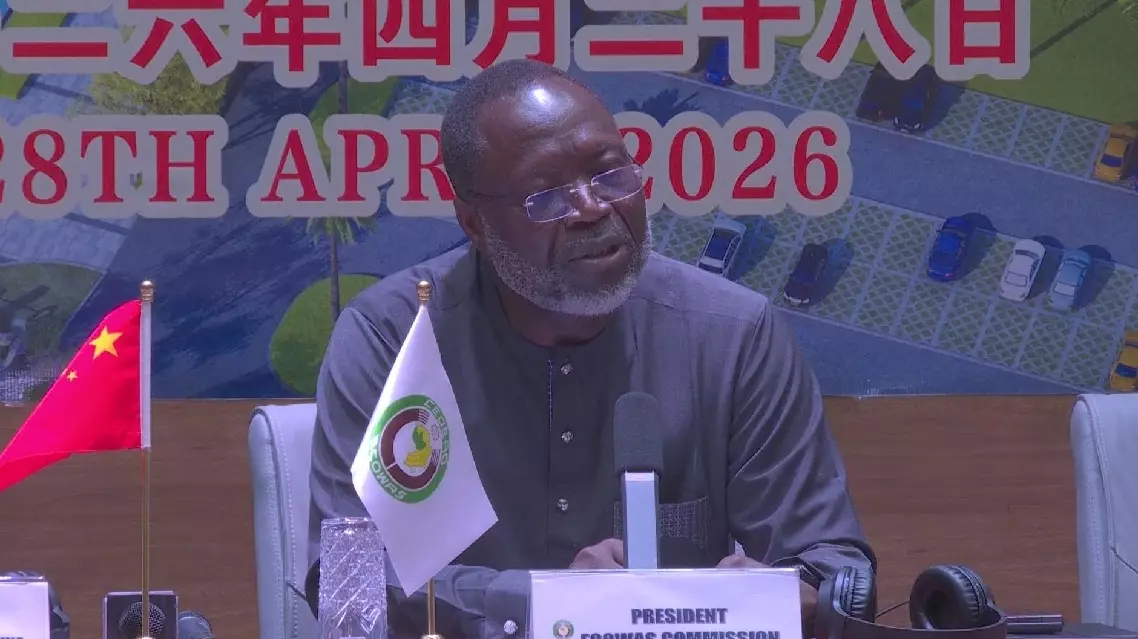
China‘s zero-tariff policy on Africa applauded as catalyst for boosting bilateral trade, peace