Senegal has an unlikely new hero, and he did not even play in the chaotic Africa Cup of Nations final won by his country.
In a bizarre turn of events, Senegal’s second-choice goalkeeper Yéhvann Diouf spent long spells of Sunday's match protecting the towels used by starting keeper Edouard Mendy from repeated attempts by ball boys to snatch them.
Click to Gallery

A ball boy throws a towel used by Senegal's goalkeeper Edouard Mendy, during the Africa Cup of Nations final soccer match between Senegal and Morocco, in Rabat, Morocco, Sunday, Jan. 18, 2026. (AP Photo/Mosa'ab Elshamy)

A ball boy attempts to grab a towel from Senegal's second-choice goalkeeper Yéhvann Diouf as he holds it for Senegal's goalkeeper Edouard Mendy, during the Africa Cup of Nations final soccer match between Senegal and Morocco, in Rabat, Morocco, Sunday, Jan. 18, 2026. (AP Photo/Mosa'ab Elshamy)

A ball boy attempts to grab a towel from Senegal's second-choice goalkeeper Yéhvann Diouf as he holds it for Senegal's goalkeeper Edouard Mendy, during the Africa Cup of Nations final soccer match between Senegal and Morocco, in Rabat, Morocco, Sunday, Jan. 18, 2026. (AP Photo/Mosa'ab Elshamy)

Morocco's Ismael Saibari tries to prevent Senegal's second-choice goalkeeper Yéhvann Diouf from handing a towel to Senegal's goalkeeper Edouard Mendy, during the Africa Cup of Nations final soccer match between Senegal and Morocco, in Rabat, Morocco, Sunday, Jan. 18, 2026. (AP Photo/Mosa'ab Elshamy)

Senegal goalkeeper Edouard Mendy dries his face while Senegal's second-choice goalkeeper Yéhvann Diouf waits to collect it from him, during the Africa Cup of Nations final soccer match between Senegal and Morocco, in Rabat, Morocco, Sunday, Jan. 18, 2026. (AP Photo/Mosa'ab Elshamy)

Senegal's goalkeeper Edouard Osoque Mendy, right, approaches Morocco's Brahim Abdelkader Díaz before he took a penalty during the Africa Cup of Nations final soccer match between Senegal and Morocco in Rabat, Morocco, Sunday, Jan. 18, 2026. (AP Photo/Youssef Loulidi)

Senegal's goalkeeper Edouard Osoque Mendy saves a panelty from Morocco's Brahim Abdelkader Díaz during the Africa Cup of Nations final soccer match between Senegal and Morocco in Rabat, Morocco, Sunday, Jan. 18, 2026. (AP Photo/Youssef Loulidi)

Senegal's goalkeeper Edouard Osoque Mendy saves from Morocco's Ismael Saibari during the Africa Cup of Nations final soccer match between Senegal and Morocco in Rabat, Morocco, Sunday, Jan. 18, 2026. (AP Photo/Youssef Loulidi)

Senegal's head coach Pape Thiaw and Senegal's goalkeeper Edouard Osoque Mendy, center, celebrate after winning the Africa Cup of Nations final soccer match between Senegal and Morocco in Rabat, Morocco, Sunday, Jan. 18, 2026. (AP Photo/Youssef Loulidi)

Senegal's goalkeeper Edouard Osoque Mendy clears the ball in front of Morocco's Abdessamad Ezzalzouli during the Africa Cup of Nations final soccer match between Senegal and Morocco, in Rabat, Morocco, Sunday, Jan. 18, 2026. (AP Photo/Mosa'ab Elshamy)
Diouf's efforts have been praised by fans as being almost as crucial as the extra-time winning goal scored by Pape Gueye, which secured Senegal’s second Africa Cup of Nations title.
Goalkeepers often keep towels close to them to wipe themselves and their gloves, especially in wet conditions such as those during Sunday’s final in Rabat.
Diouf had a crucial role on the sidelines, fighting off the assaults. At one point, he was chased by ball boys along the touchline. Some videos also show him lying flat on the pitch, shielding one of the towels, while a young man tries to wrestle with him.
In other footage filmed from the stands, Morocco captain Achraf Hakimi can be seen throwing one of Mendy's towels over advertising boards. At another moment Morocco midfielder Ismaël Saibari tried to prevent Diouf from handing a towel to Mendy.
Praising the tireless work of the second-choice goalkeeper, one social media user wrote on X: “Yehvann Diouf’s work, guys. You’ve earned the respect of an entire country. SOLDIER.”
Diouf made light of the situation, later posting a picture of him biting on his medal and holding a towel, with the caption: “Here it is (the medal and the towel).”
Speaking to reporters after the match, Diouf said he did not understand why the opposing side got so obsessed with the towels.
“Maybe people read something into those towels, but in any case they were only used to dry the gloves and the face when it’s raining,” he said. “I was just as surprised as you were, but like the team as a whole, we stuck together, and Edouard was able to get the towels he needed.”
AP at the Africa Cup: https://apnews.com/hub/africa-cup-of-nations
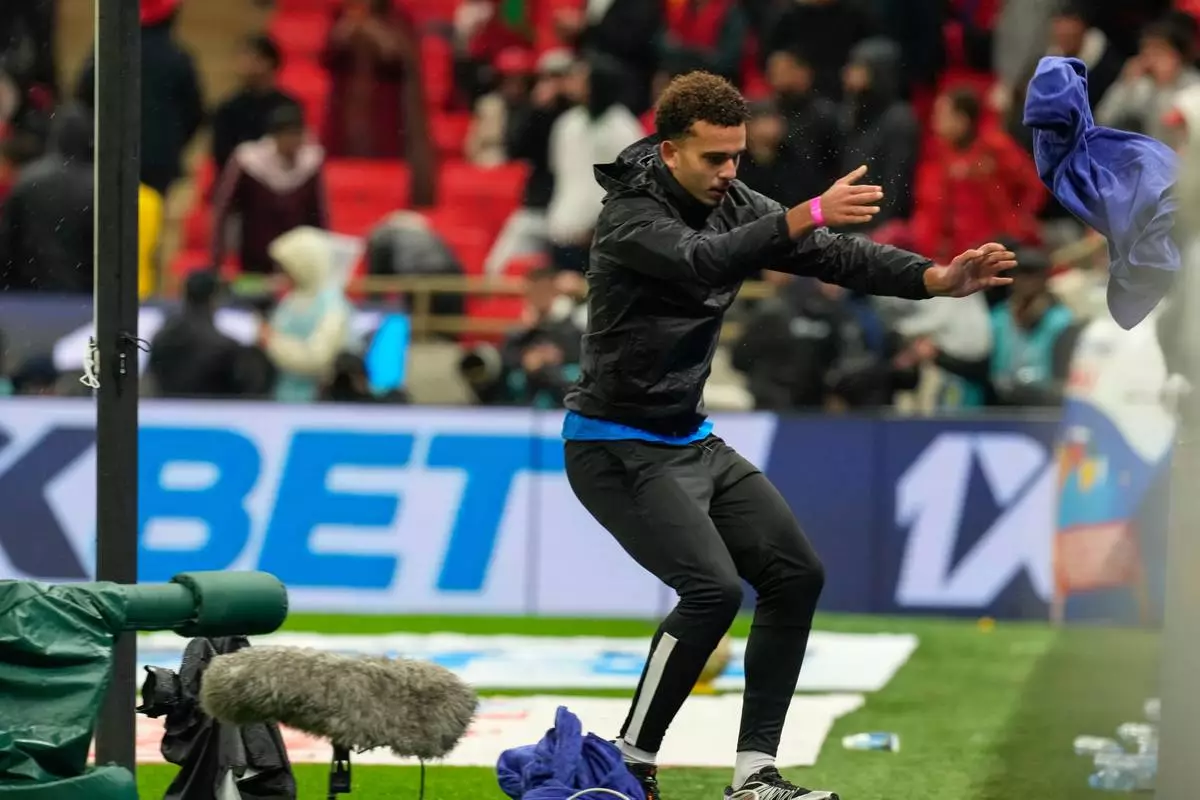
A ball boy throws a towel used by Senegal's goalkeeper Edouard Mendy, during the Africa Cup of Nations final soccer match between Senegal and Morocco, in Rabat, Morocco, Sunday, Jan. 18, 2026. (AP Photo/Mosa'ab Elshamy)
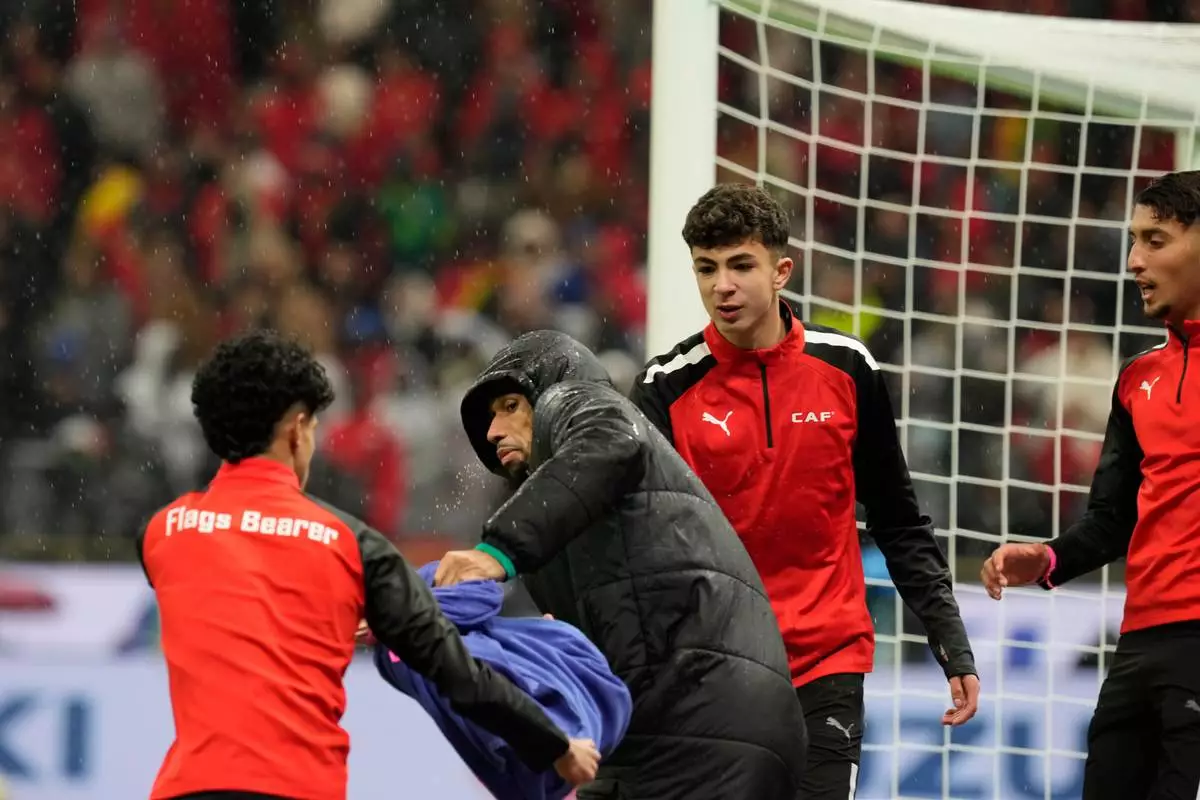
A ball boy attempts to grab a towel from Senegal's second-choice goalkeeper Yéhvann Diouf as he holds it for Senegal's goalkeeper Edouard Mendy, during the Africa Cup of Nations final soccer match between Senegal and Morocco, in Rabat, Morocco, Sunday, Jan. 18, 2026. (AP Photo/Mosa'ab Elshamy)
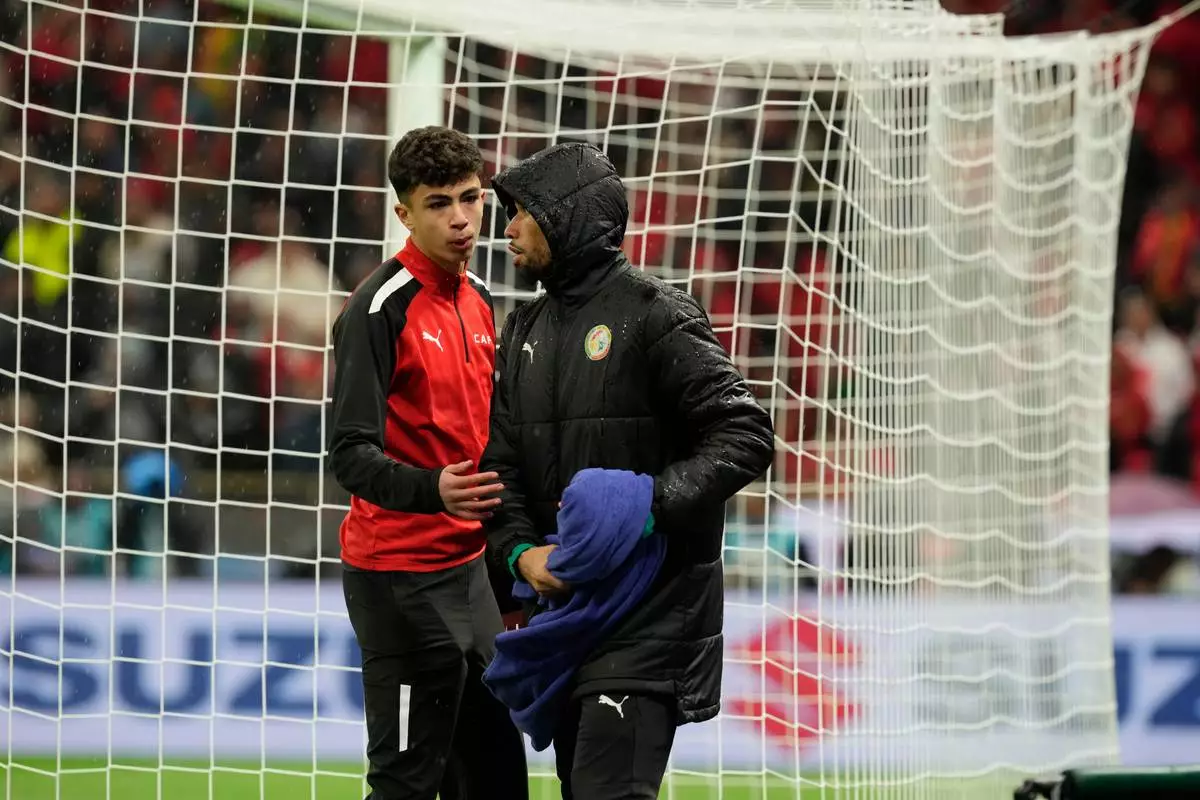
A ball boy attempts to grab a towel from Senegal's second-choice goalkeeper Yéhvann Diouf as he holds it for Senegal's goalkeeper Edouard Mendy, during the Africa Cup of Nations final soccer match between Senegal and Morocco, in Rabat, Morocco, Sunday, Jan. 18, 2026. (AP Photo/Mosa'ab Elshamy)
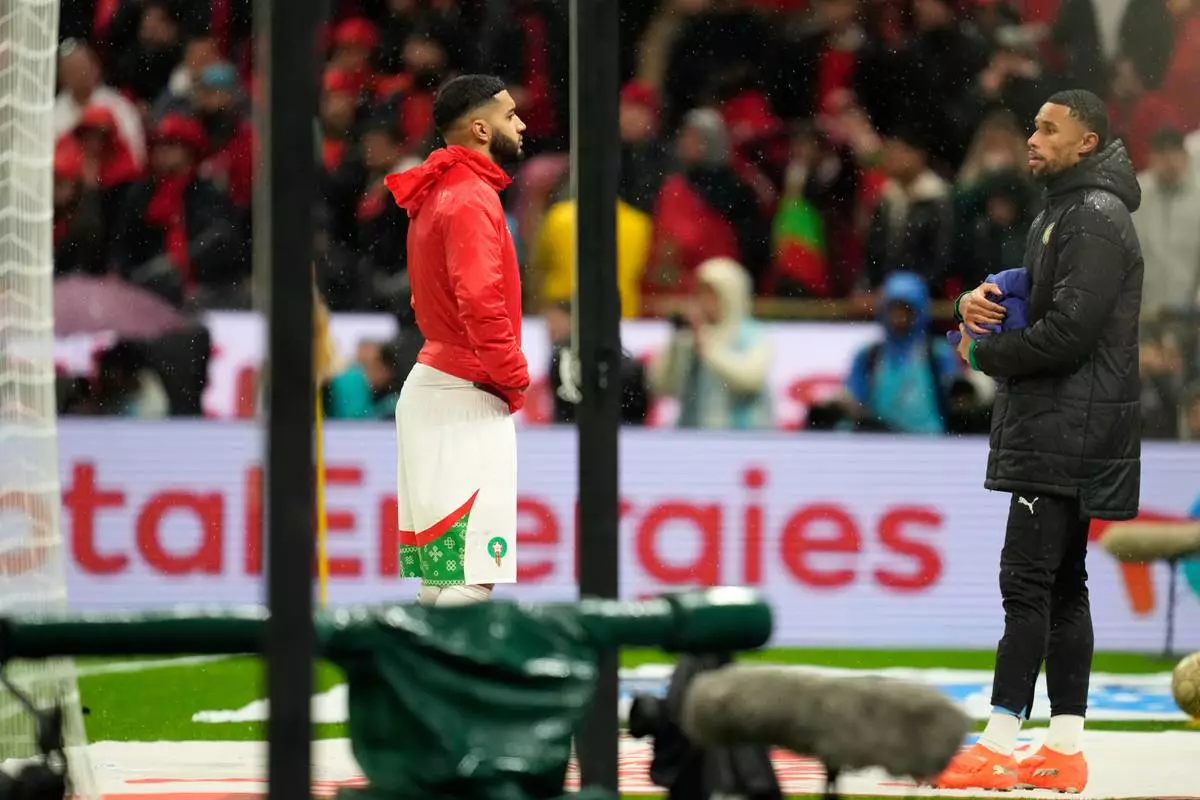
Morocco's Ismael Saibari tries to prevent Senegal's second-choice goalkeeper Yéhvann Diouf from handing a towel to Senegal's goalkeeper Edouard Mendy, during the Africa Cup of Nations final soccer match between Senegal and Morocco, in Rabat, Morocco, Sunday, Jan. 18, 2026. (AP Photo/Mosa'ab Elshamy)
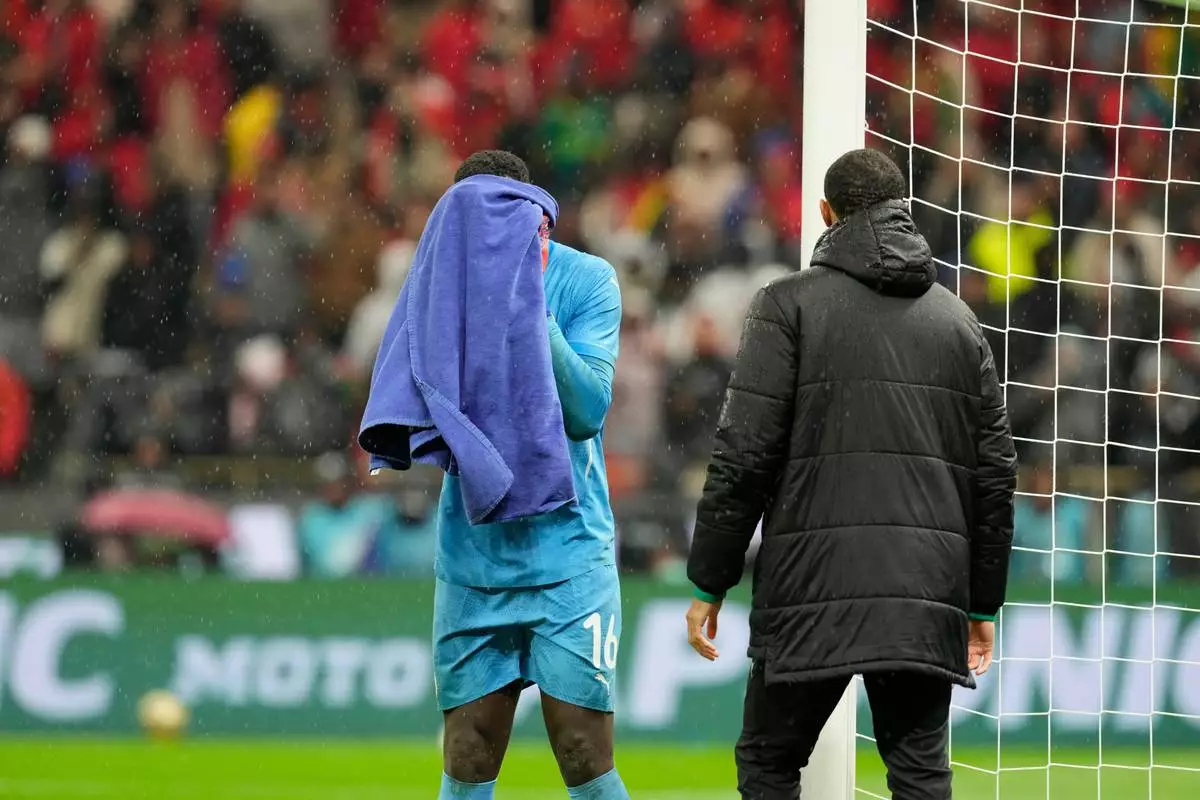
Senegal goalkeeper Edouard Mendy dries his face while Senegal's second-choice goalkeeper Yéhvann Diouf waits to collect it from him, during the Africa Cup of Nations final soccer match between Senegal and Morocco, in Rabat, Morocco, Sunday, Jan. 18, 2026. (AP Photo/Mosa'ab Elshamy)
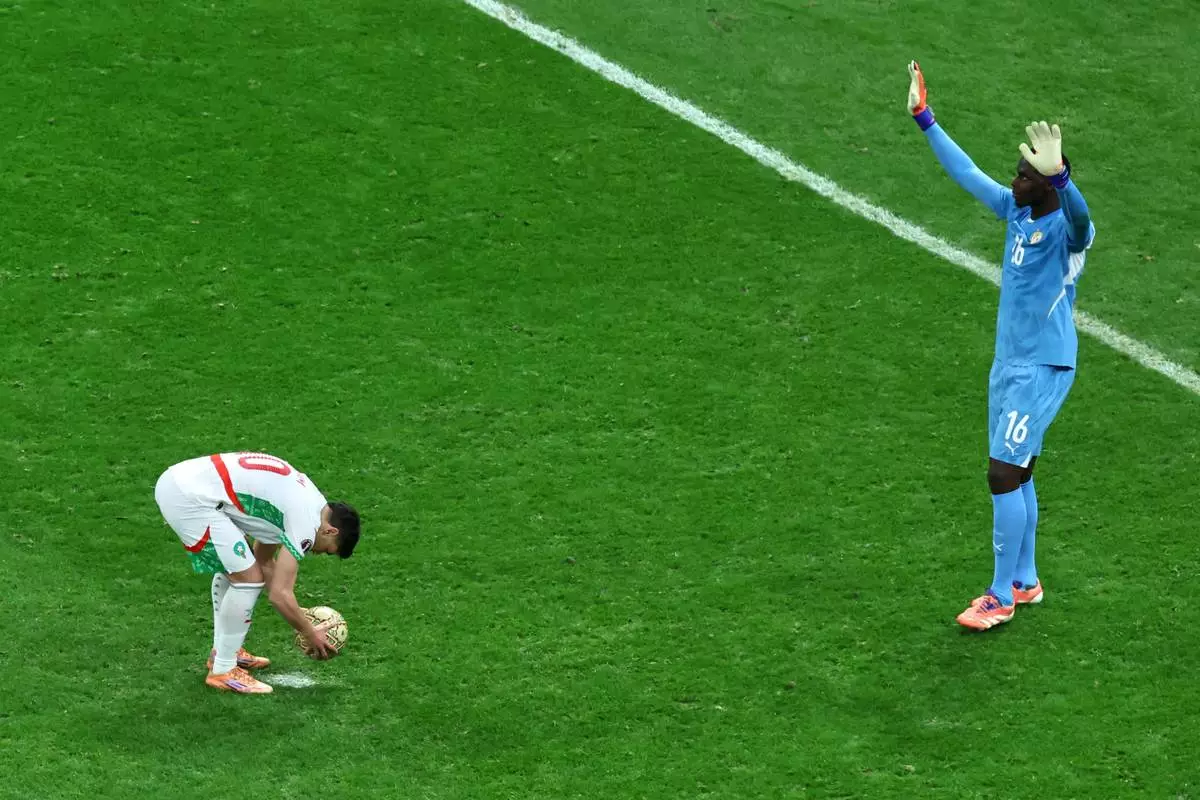
Senegal's goalkeeper Edouard Osoque Mendy, right, approaches Morocco's Brahim Abdelkader Díaz before he took a penalty during the Africa Cup of Nations final soccer match between Senegal and Morocco in Rabat, Morocco, Sunday, Jan. 18, 2026. (AP Photo/Youssef Loulidi)
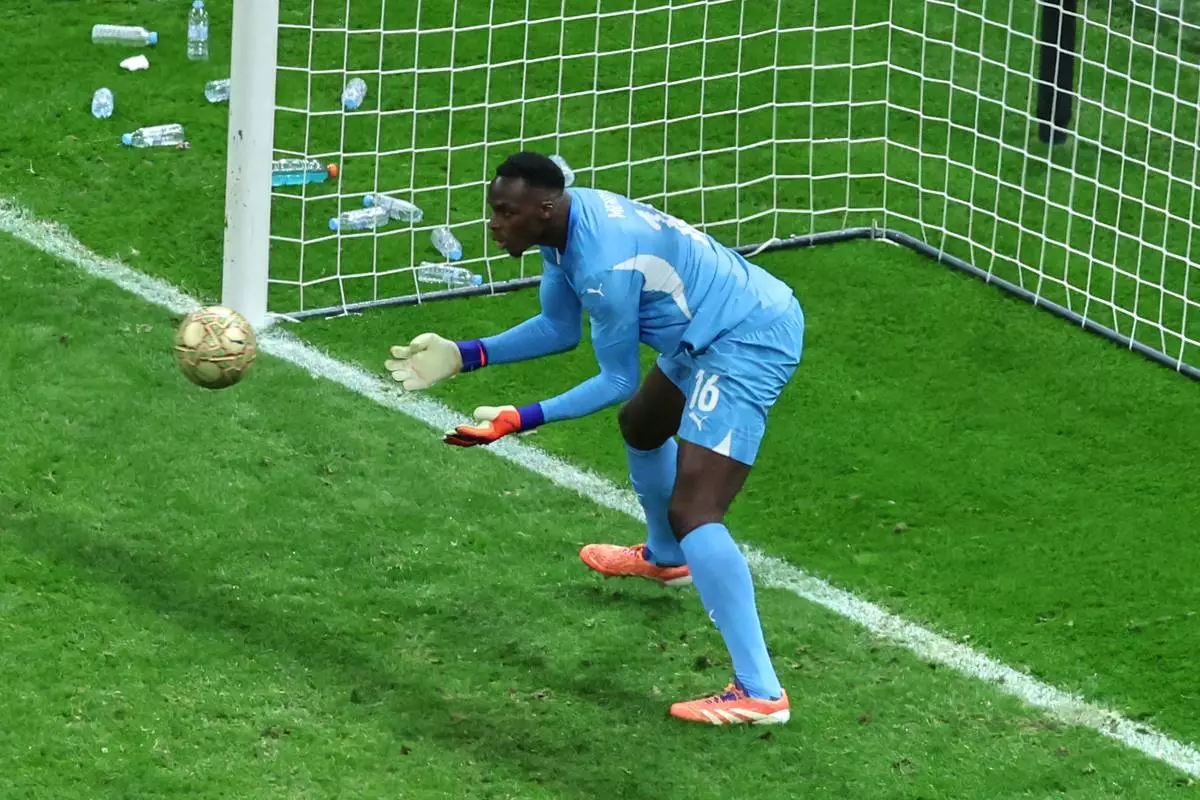
Senegal's goalkeeper Edouard Osoque Mendy saves a panelty from Morocco's Brahim Abdelkader Díaz during the Africa Cup of Nations final soccer match between Senegal and Morocco in Rabat, Morocco, Sunday, Jan. 18, 2026. (AP Photo/Youssef Loulidi)
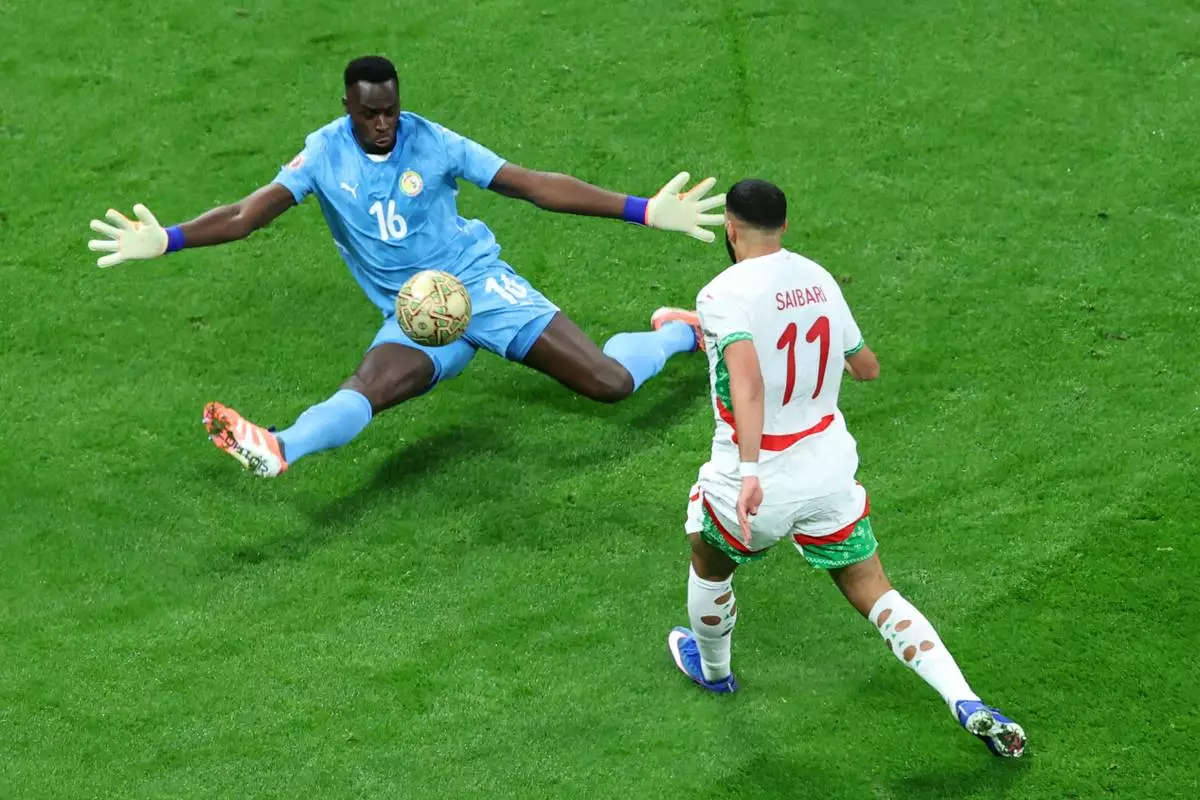
Senegal's goalkeeper Edouard Osoque Mendy saves from Morocco's Ismael Saibari during the Africa Cup of Nations final soccer match between Senegal and Morocco in Rabat, Morocco, Sunday, Jan. 18, 2026. (AP Photo/Youssef Loulidi)
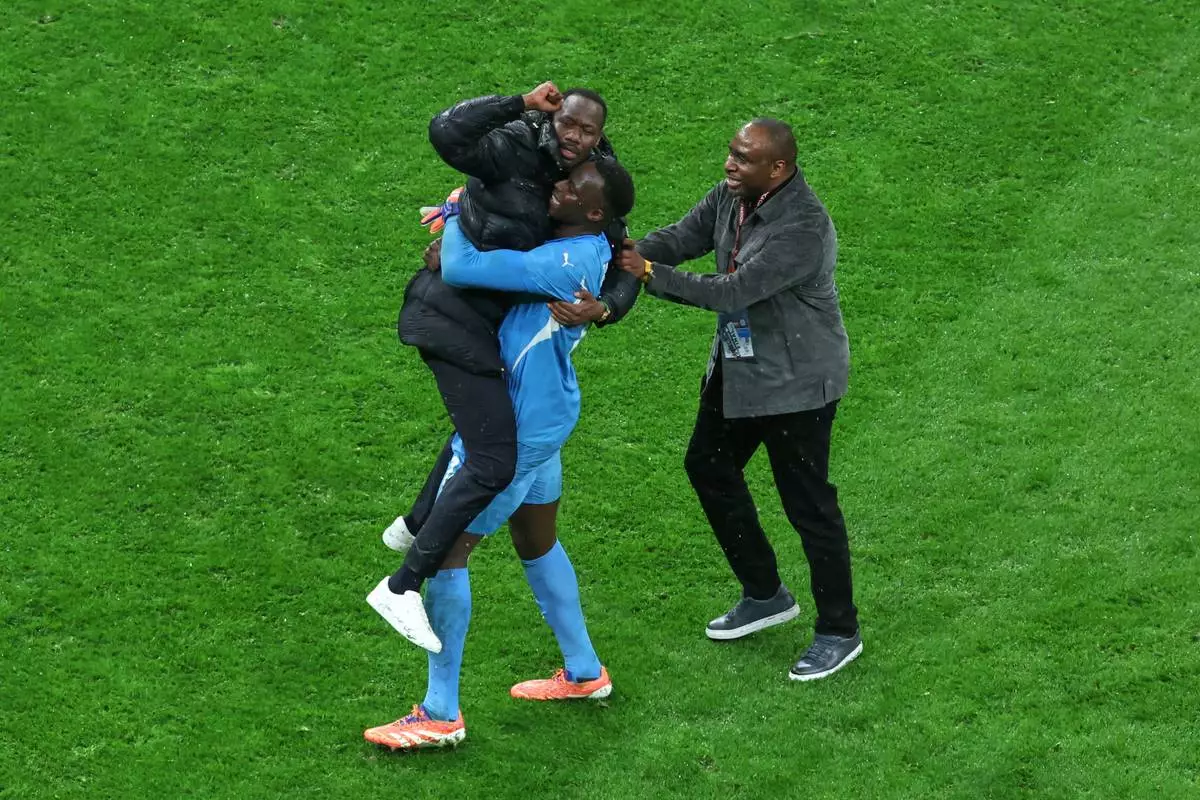
Senegal's head coach Pape Thiaw and Senegal's goalkeeper Edouard Osoque Mendy, center, celebrate after winning the Africa Cup of Nations final soccer match between Senegal and Morocco in Rabat, Morocco, Sunday, Jan. 18, 2026. (AP Photo/Youssef Loulidi)
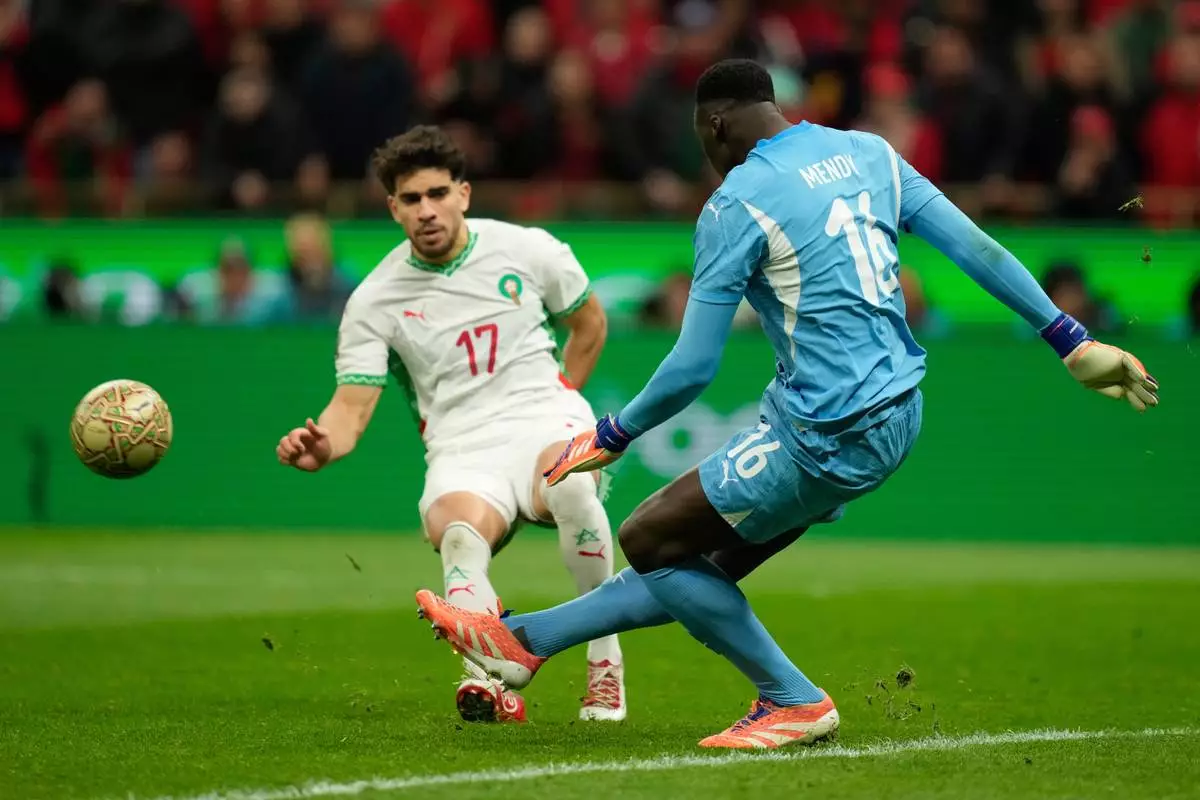
Senegal's goalkeeper Edouard Osoque Mendy clears the ball in front of Morocco's Abdessamad Ezzalzouli during the Africa Cup of Nations final soccer match between Senegal and Morocco, in Rabat, Morocco, Sunday, Jan. 18, 2026. (AP Photo/Mosa'ab Elshamy)