China's job market has remained generally stable, with the surveyed urban unemployment rate holding steady at 5.2 percent in 2025, official data showed on Monday.
For December alone, the surveyed urban unemployment rate was 5.1 percent on average, according to Kang Yi, head of the National Bureau of Statistics, at a press conference in Beijing.
"The national average urban surveyed unemployment rate for 2025 was 5.2 percent. In December, the national urban surveyed unemployment rate was 5.1 percent. The urban surveyed unemployment rate in the country's 31 major cities was 5.1 percent. The average weekly working hours for employees in enterprises nationwide was 48.6 hours. The total number of migrant workers for the year reached 301.15 million, an increase of 1.42 million, or 0.5 percent, compared with the previous year," said Kang.
China set a target of a surveyed urban unemployment rate of around 5.5 percent in 2025, and aimed to create over 12 million new urban jobs within the year.
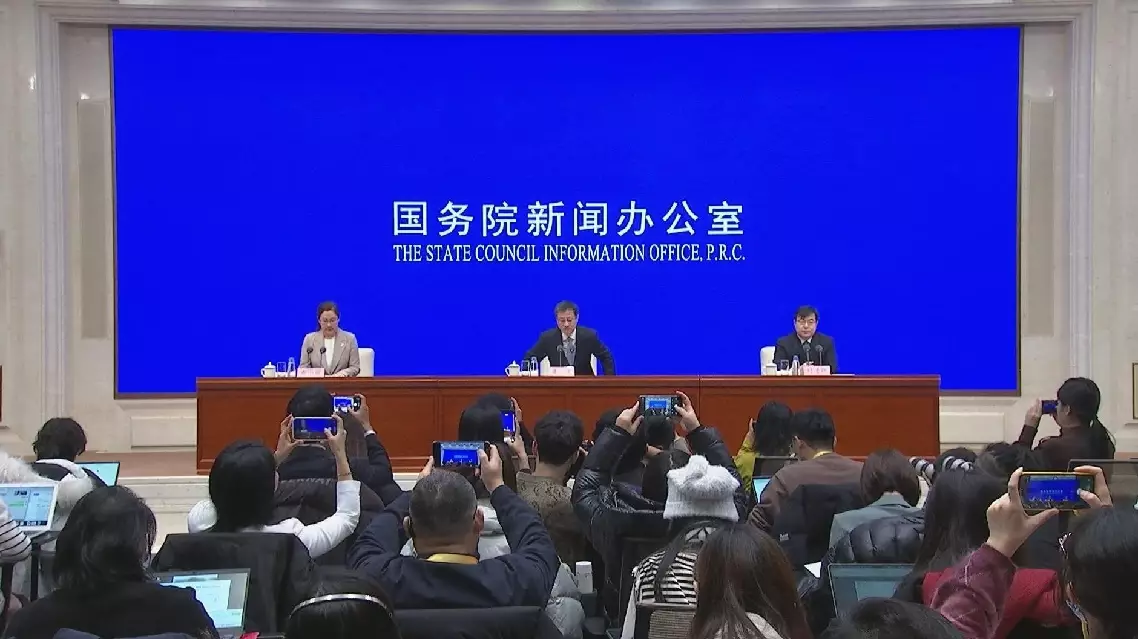
China's surveyed urban unemployment rate stands at 5.2 pct in 2025
Chen Binhua, spokesman for the Taiwan Affairs Office of the State Council, on Wednesday condemned the Democratic Progressive Party (DPP) authorities for considering a ban on the use of mainland technology and products simply because they are effective and popular, calling this stance "absurd and ridiculous."
Chen's remarks came in response to comments from DPP members suggesting that the Chinese mainland's popular navigation app Amap might be prohibited and that the public should be advised against using it if so-called security concerns arise.
"The mainland has world-leading digital mapping, navigation, and location service technologies. Many of these applications have been widely used on the mainland and in some other countries and regions for years, meeting people's practical needs, making travel more time-efficient and convenient, and enriching their daily life. This is a concrete example of how technological development benefits humanity. In addition to Amap, the mainland also boasts many advanced technologies and high-quality innovative products. People on both sides of the Taiwan Straits are of one family and we are willing to let our Taiwan compatriots be the first to share in these benefits," Chen said at a press conference in Beijing.
"However, the DPP authorities, in their pursuit of Taiwan secession, have become so opposed to the mainland that their stance has turned anti-intellectual and anti-technology. Nearly 10 years into the DPP governance, Taiwan has witnessed a troubling phenomenon of ideological constraint and speech repression, epitomized by an inability to say no to the U.S. or to acknowledge the strengths of the mainland. Simply because mainland technologies and products are effective and popular among the people of Taiwan, the DPP authorities seek to prohibit or hinder their choice of the products. This reflects a jittery with imaginary fear, which is absurd and ridiculous. Such moves find little support and will not succeed," Chen said.
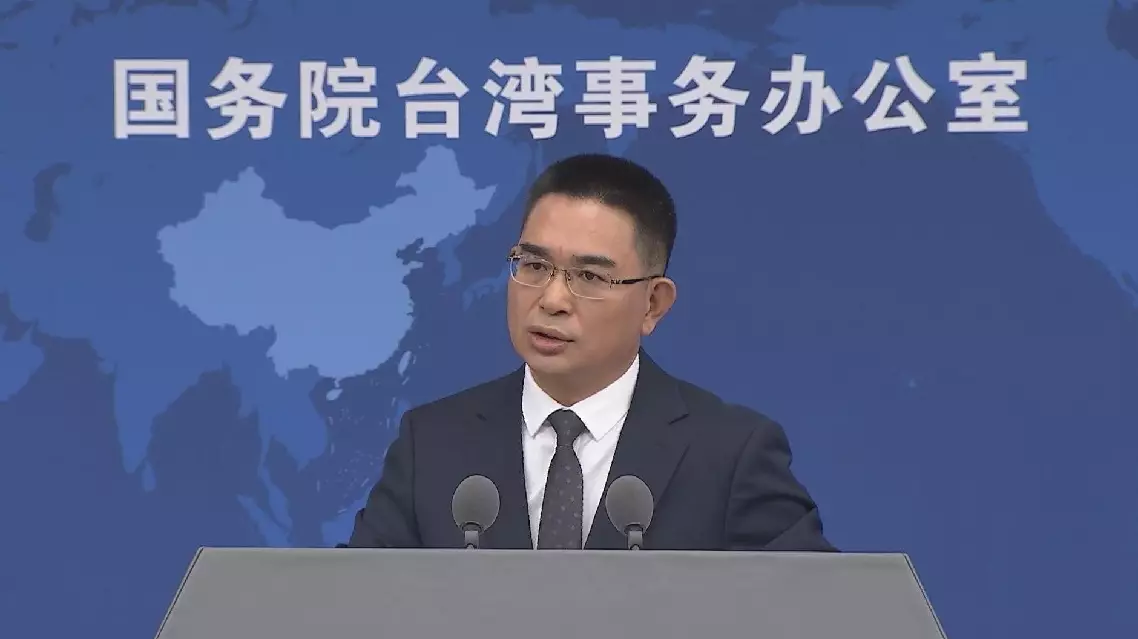
DPP's obstruction of popular mainland technology only proves "absurd, ridiculous": spokesman