Tokyo Electric Power Company Holdings (TEPCO) postponed the restart of the No. 6 reactor at its Kashiwazaki-Kariwa nuclear power plant in Niigata Prefecture.
The restart of the No. 6 reactor at the seven-unit complex was originally scheduled for Tuesday. An alarm system for the control rods, which are used to suppress the nuclear fission reaction, failed to sound during a test operation held on Saturday, TEPCO said.
The Kashiwazaki-Kariwa plant, about 220 km northwest of Tokyo, was among the 54 reactors shut down following the March 2011 core meltdowns at TEPCO's tsunami-stricken Fukushima Daiichi plant. The Niigata Prefectural Assembly approved in December the partial restart of the plant amid criticism.
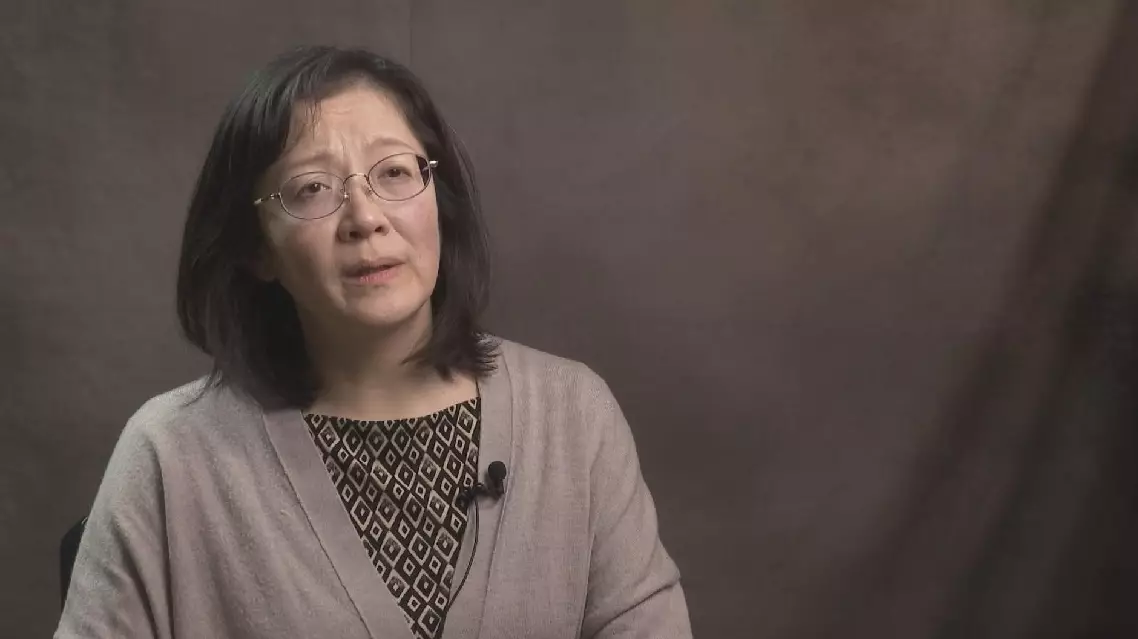
Masako Murakami, secretary-general of the Citizens' Commission on Nuclear Energy in Japan, warned that TEPCO's handling of the Fukushima nuclear accident remains inadequate, leaving citizens deeply uneasy about the then planned restart of the Kashiwazaki-Kariwa Nuclear Power Plant.
"Tens of thousands of people remain in evacuation status since the Fukushima nuclear accident. There are indeed a large number of people impacted. Now, the company responsible for the accident wants to restart another nuclear power plant. What are the feelings of the victims? This is an unavoidable question," said Murakami.
In November 2025, local civic groups and governments conducted opinion polls on restarting the Kashiwazaki-Kariwa nuclear power plant. Despite a petition opposing the restart, it was rejected, and the restart proceeded.
Japan's TEPCO postpones restart of Kashiwazaki-Kariwa nuclear plant over safety concerns
As Portugal's presidential race enters a runoff, voters are voicing frustration over housing, wages, healthcare, and education.
On Sunday, Portugal launched the first major election of Europe's 2026 political calendar. Voters on the streets of Lisbon were focused more on day-to-day issues.
"The issue I carry the most when I'm casting the vote is about our housing prices, because we are having a major crisis. Even for young people, it's really hard to buy our first house. And even renting, the prices in Lisbon are collapsing, even outside, even the outskirts are collapsing. And about our healthcare national system, because it's also collapsing. It's a very complicated issue. And I'm a teacher and when I cast my vote, I need to think about my profession and my future colleagues as well," said Maria.
"I'm concerned about things such as education in Portugal, the healthcare in Portugal, the wages which are pretty low compared to other countries in Europe. Basically for me those are the key points - education, health and wages. And right now, also the cost of living in Portugal is pretty high," said Juan.
Portugal's presidential election will proceed to a second round, with Antonio Jose Seguro leading the first round with 30.69 percent of the votes, according to data released by the General Secretariat of the Ministry of Internal Administration.
Chega party leader Andre Ventura placed second with 26.97 percent of the vote, followed by Luis Marques Mendes of the center-right Social Democratic Party in third place, with 14.82 percent.
The move to a runoff marks the first time in 40 years that a Portuguese presidential election has required a runoff between the two leading candidates.
The runoff vote is scheduled for Feb. 8, with the winner to be determined by a simple majority.
Portuguese voters prioritize housing, wages, healthcare as presidential race heads to runoff