Residents of Flint, Michigan in the United States are demanding accountability and democratic rights as the city's deadly water contamination crisis continues to scar the community more than a decade later.
The 2014 disaster, among the worst cases of lead poisoning and water contamination in U.S. history, erupted when unelected emergency managers switched Flint's water supply from Lake Huron to the polluted Flint River in a cost-cutting move. The change caused lead to leach from aging pipes and triggered an outbreak of Legionnaires' disease, leaving at least 12 people dead and hundreds of children with elevated lead levels.
"When you talk about the water crisis here in the city of Flint, it's because we're in a 65-percent Black community. The thing is about following the money. You're talking about a water crisis that took place 12 years ago. Nobody was held accountable. Nobody has been made whole, right? Children have been impacted, so our future generation will be feeling the effects [for] a long time here from now on, and nobody received a dime. I think that has been an unfortunate situation for not only the people of Flint but for this country, right? It's just a local reflection of what's taking place on a national level," said DeWaun Robinson, head of the local Black Lives Matter Organization.
Community activist Claire McClinton stressed that Flint's poisoned water was not the first crisis residents endured, as their democracy had already been stripped away when unelected emergency managers seized control of the city's decisions.
"It was an emergency manager, not our city council, not our mayor, none of that, [who] gave the order for the water to be switched. So when we had lost our democracy, this triggered the Flint water crisis. So this is the story that some of us try to tell, because that is a very important aspect of the water crises, is that before we got the bad water, we had lost our democracy," she said.
McClinton warned that safeguarding public health requires keeping rivers and lakes in public hands, and that commercial ownership of vital water resources should be outlawed.
"One of the things we were trying to, and we're going to pursue, is to make it illegal and unlawful for a company or an investor, Wall Street investor, for example, to purchase public assets. You can't buy Lake Michigan. We need a law to stop that, because as it exists now, they're going to buy Lake Huron, Lake Ontario, Lake Michigan, Lake Erie, Lake Superior. They'll purchase it. They need all this water to generate these new technologies, and that's our water. It belongs to the public," she said.
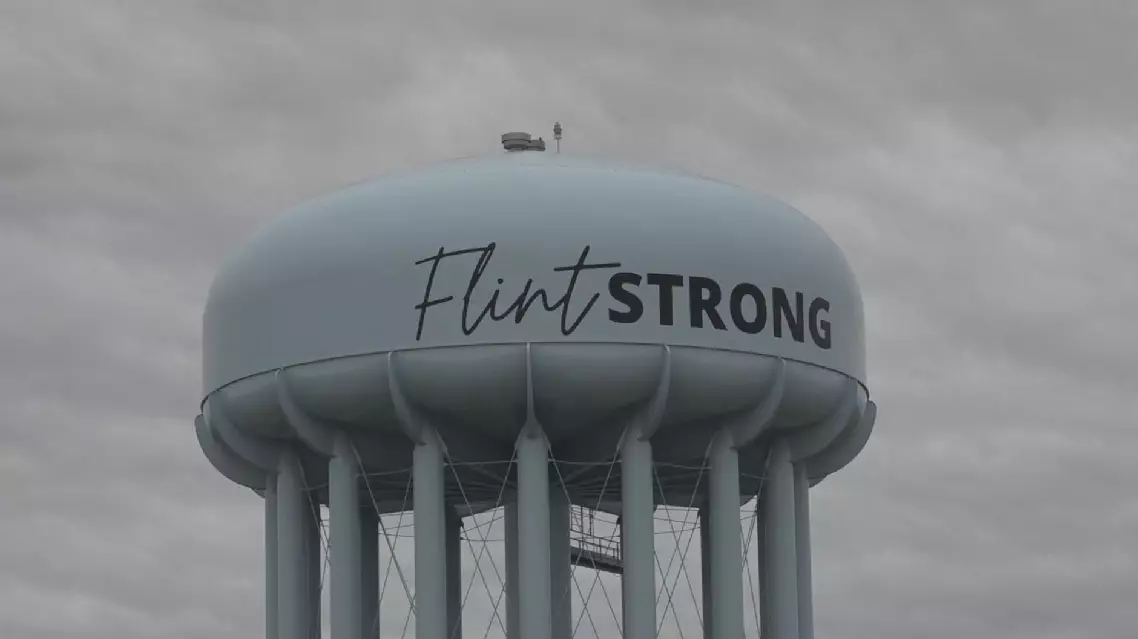
Flint residents demand justice as water crisis exposes democracy failures