Unit 6 of Japan's largest nuclear power plant, the Kashiwazaki-Kariwa Nuclear Power Plant in Niigata Prefecture, resumed operation on Wednesday night, marking the first restart of a reactor operated by Tokyo Electric Power Company (TEPCO) since the 2011 Fukushima Daiichi nuclear disaster.
The reactor was originally scheduled to restart on Tuesday but was delayed due to an alarm system malfunction. TEPCO announced early Wednesday that all alarm systems had been confirmed functional at 00:58, and preparations for reactor startup began at 02:50. The process from reactor restart to full commercial operation is expected to take slightly over a month.
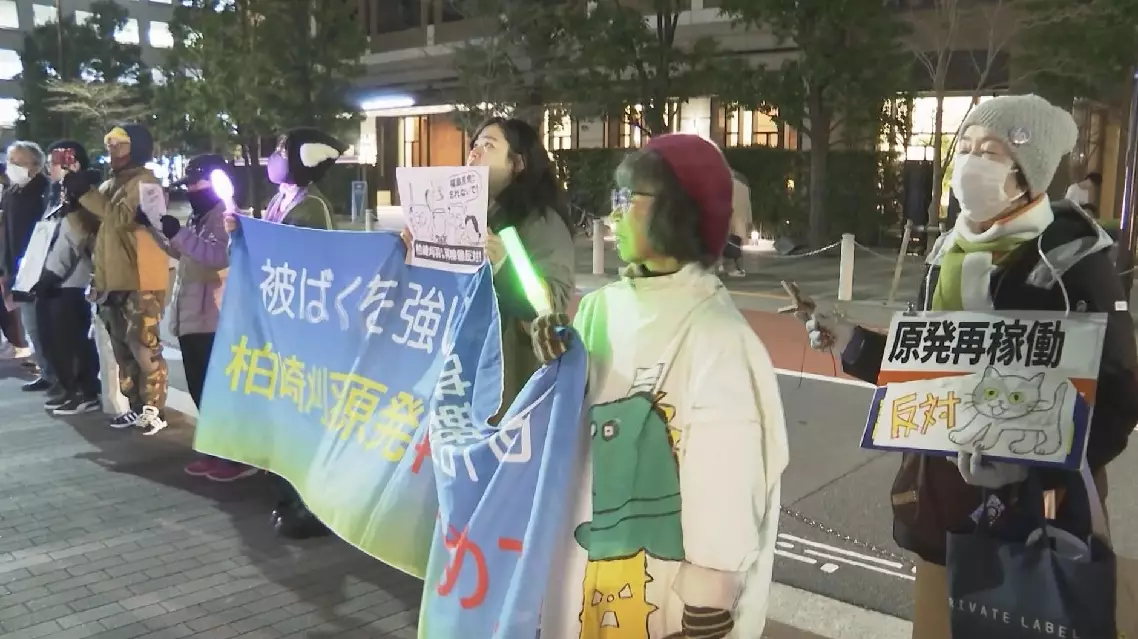
The move has sparked strong public opposition. On Wednesday evening, a crowd of protesters gathered in front of the headquarters of Japan's Nuclear Regulation Authority in Tokyo, voicing their concerns over the safety of restarting aging nuclear facilities. The protesters expressed deep skepticism about the rapid resolution of the alarm system issue and TEPCO's overall safety management.
"I think TEPCO is acting recklessly. The nuclear plant issue can't possibly be resolved so easily," a protester said.
Another demonstrator questioned how such a significant technical issue could be addressed within a single day, criticizing what they perceived as a hasty and inadequately reviewed decision.
"Can such a serious problem really be solved in a single day? I am wondering whether such a serious matter can truly be resolved with such a simplistic investigation. A nuclear plant has a very complex structure. It's impossible to reach such a conclusion so easily. It's clear that the plant is restarted hastily. I have zero trust in it. It should have been dissolved after the Fukushima accident. The government should have let it go bankrupt. Yet it continues to exist and, even worse, the Kashiwazaki-Kariwa plant is now being restarted. This is utterly absurd. I am furious and cannot understand what they are thinking about," another protester said.
The protester cited the 2011 Fukushima disaster, stating, "TEPCO should have been dissolved after the Fukushima accident. The government should have let it go bankrupt. Yet it continues to exist and, even worse, the Kashiwazaki-Kariwa plant is now being restarted. This is utterly absurd. I am furious and cannot understand what they are thinking about."
"The damage from the Fukushima nuclear disaster was immense. Nearly 15 years have passed with no real reflection from TEPCO, and now how can they want to restart the reactors? I really need to ask what lessons have been learned from the accident? If we keep going down this path, another disaster is bound to happen. Their casual conclusion that 'there's no major problem' makes me extremely angry. I strongly urge them to take whatever measures to stop the restart process," said another protester.
According to Kyodo News, on Thursday, just one day after the restart, an alarm was triggered during the control rod withdrawal process at the plant's Unit 6, causing the operation to be suspended. The cause is under investigation.
Following the Fukushima disaster, all nuclear reactors in Japan were taken offline. Data from Japan's Nuclear Regulation Authority shows that as of Jan 14, 2026, 13 reactors across seven nuclear power plants in the country have resumed operations.
Japan's Kashiwazaki-Kariwa Nuclear Plant restarts amid public protest