Zimbabwe's schools have opened their doors to young learners as a new academic year gets underway, but concern is rising among the country's teachers who say they are facing more difficulties under the weight of economic hardship and low wages.
As pupils nationwide return to classrooms full of enthusiasm, some educators say they are demoralized as they struggle to survive on salaries they describe as inadequate, especially as the cost of living continues to rise.
Charles Mubwandarikwa, a teacher with 37 years of experience, is among those frustrated by the steady decline in working conditions.
"In the 90s, the salary of a teacher was 15 times the poverty datum line that was there at that time. If we look at today's salary, you will see that it's just a small fraction of the poverty datum line, which stands well above 600 [U.S.] dollars now. Back then it was a marvel to be in the education sector," he said.
Teachers today earn just over 200 U.S. dollars a month, an amount that barely covers basic needs such as food, transport, and rent. And as the gap between living costs and income continues to widen, Mubwandarikwa said morale is being eroded across the profession.
"We are more de-motivated. We are at our lowest level," he said.
Beyond low pay, teachers are also grappling with heavier workloads. Curriculum changes and growing class sizes have stretched an already strained workforce. Past strikes have yielded little change, prompting unions to demand a fundamental shift in negotiations.
Sifiso Ndlovu, CEO of the Zimbabwe Teachers Association, is calling for legal reform to level the playing field.
"We are encouraging the Ministry of Public Service, Labour and Social Welfare to amend the public service act and provide for social dialogue, which is collective bargaining in essence, which is absent at the present moment. This is where we are saying: the groundwork which has been created so far is not very normal, it's skewed in favor of the employer. Let's create a groundwork where everybody feels comfortable to engage," said Ndlovu.
So far, however, these critical negotiations have stalled, leaving teachers in limbo.
Despite immense challenges, schools remain open, lessons continue, and exam preparations press on, a testament to the commitment of educators. This dedication underscores the pivotal role education plays in Zimbabwe's ambition to achieve upper-middle-income status by 2030.
"It enhances economic growth output and also probably acts as a poverty alleviation mechanism because an education system means a working population and a working population has better prospects of prosperity," said economic analyst Malone Gwandu.
Yet for the teachers at the heart of this vision, the irony is hard to ignore: those entrusted with building Zimbabwe’s future are themselves struggling to make ends meet.
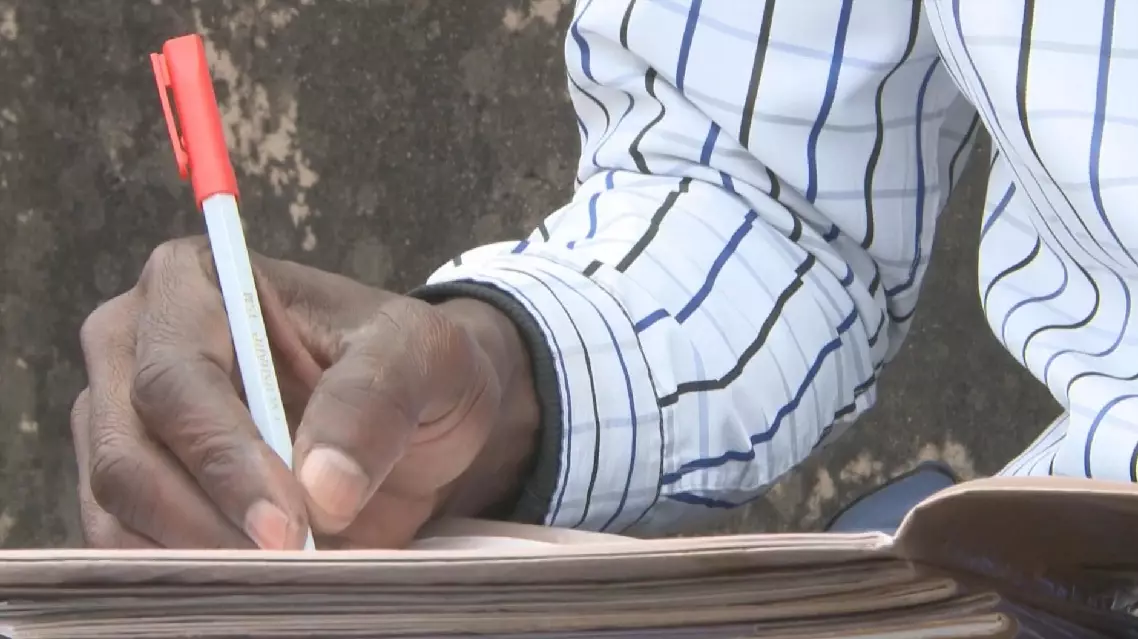
Teachers in Zimbabwe struggle with shrinking pay, heavier economic burdens