A snow leopard, an endangered species under first-class state protection, has been released back into its natural habitat following special care in northwest China's Xinjiang Uygur Autonomous Region.
The adult snow leopard was previously captured after wandering into a herder's sheep pen in Wensu County.
Then it was safely transferred to a temporary care station where veterinarians and researchers from the Tomur Peak National Nature Reserve and the Eco-Bridge Continental, a Beijing-based nature conservation NGO, gave it a thorough physical checkup.
With the animal confirmed to be in good condition, the team wore it a satellite tracking collar and returned it to its original territory on Tuesday afternoon.
"Through the real-time satellite data transmitted by the collar, we can monitor the snow leopard's range of movement and intensity of its activity, so as to predict some of its behavior," said Liu Yixuan, a researcher with the Eco-Bridge Continental.
Snow leopards typically live in alpine zones between 3,000 and 5,000 meters above sea level. Thanks to strengthened conservation efforts in recent years, the snow leopard population in Xinjiang's Tianshan Mountains has shown promising signs of steady recovery.
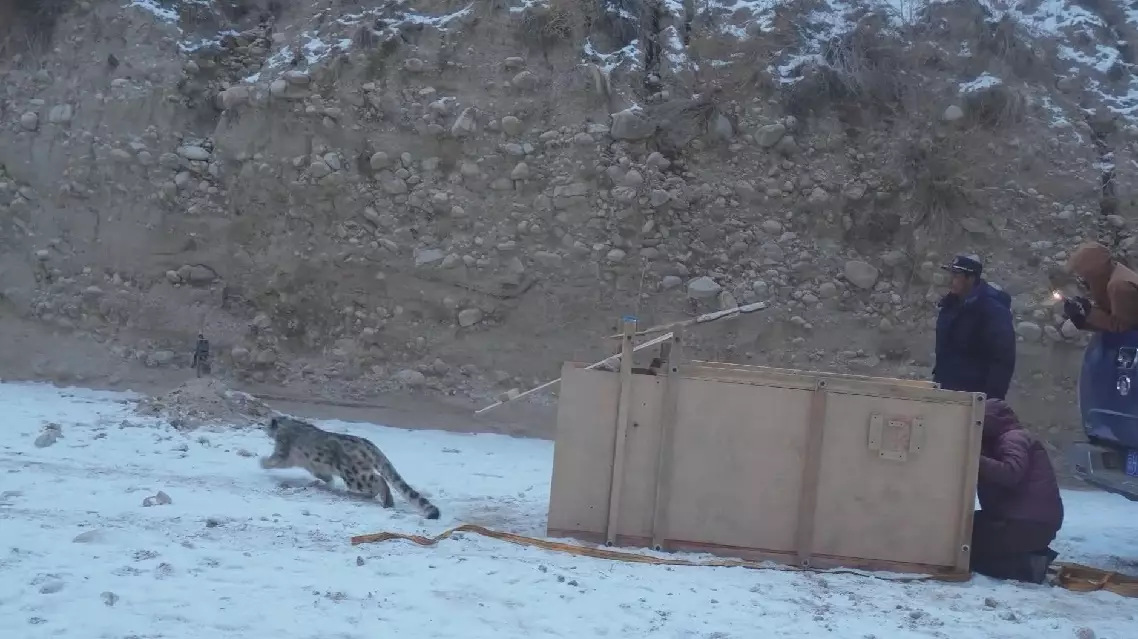
Rescued snow leopard released back into wild in Xinjiang
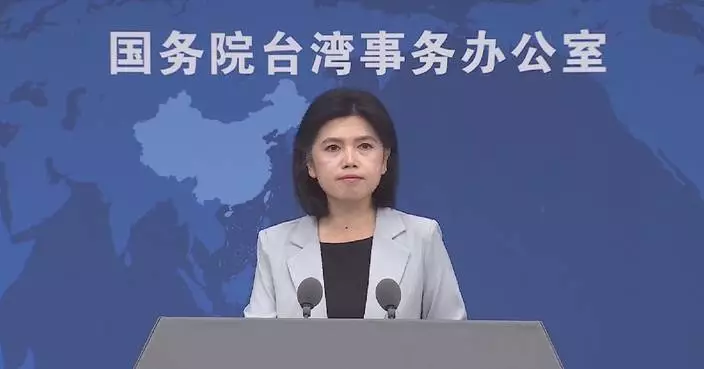
The Chinese mainland welcomes and supports more young people in Taiwan to take part in cross-Strait exchanges, said Zhu Fenglian, a spokesperson for the State Council Taiwan Affairs Office, on Wednesday, as a new poll shows rising support for national reunification among the island's youth.
The poll, conducted in Taiwan, found that among young people aged 20 to 29, the proportion leaning toward secession has declined in recent years, while support for reunification across the Strait has steadily increased.
Commenting on the findings at a regular press conference, Zhu stressed that the mainland will support more frequent interactions between young people from both sides.
"Since the Democratic Progressive Party (DPP) authorities took power, they have aggressively promoted separatist fallacies, deliberately pushed 'de-sinicization,' restricted cross-Strait exchanges, and created 'information cocoons' to mislead the Taiwan people, especially the younger generation," Zhu said.
"More and more compatriots in Taiwan, particularly young friends, are actively participating in cross-Strait exchanges, learning from each other, and building mutual understanding. They are increasingly recognizing that unification is the irresistible trend and the path to a brighter future. We welcome and support more youth from both sides of the Strait to interact regularly, strengthen their pride and confidence as Chinese, and jointly strive for national unification and the great rejuvenation of the Chinese nation," she said.
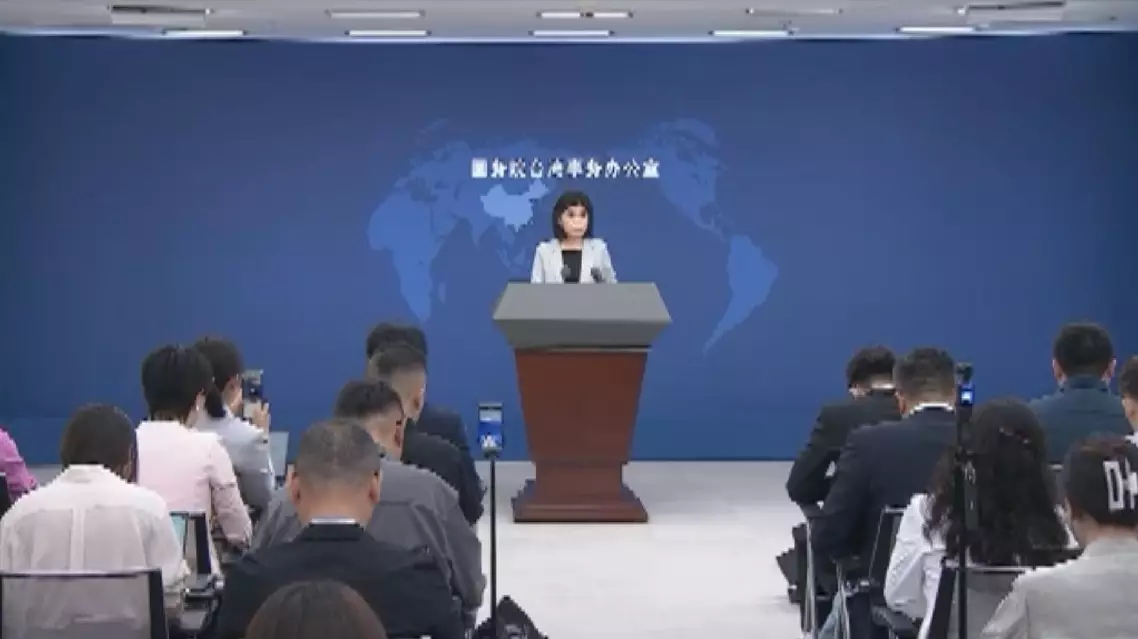
Mainland welcomes Taiwan youth to participate in cross-Strait exchanges: spokesperson