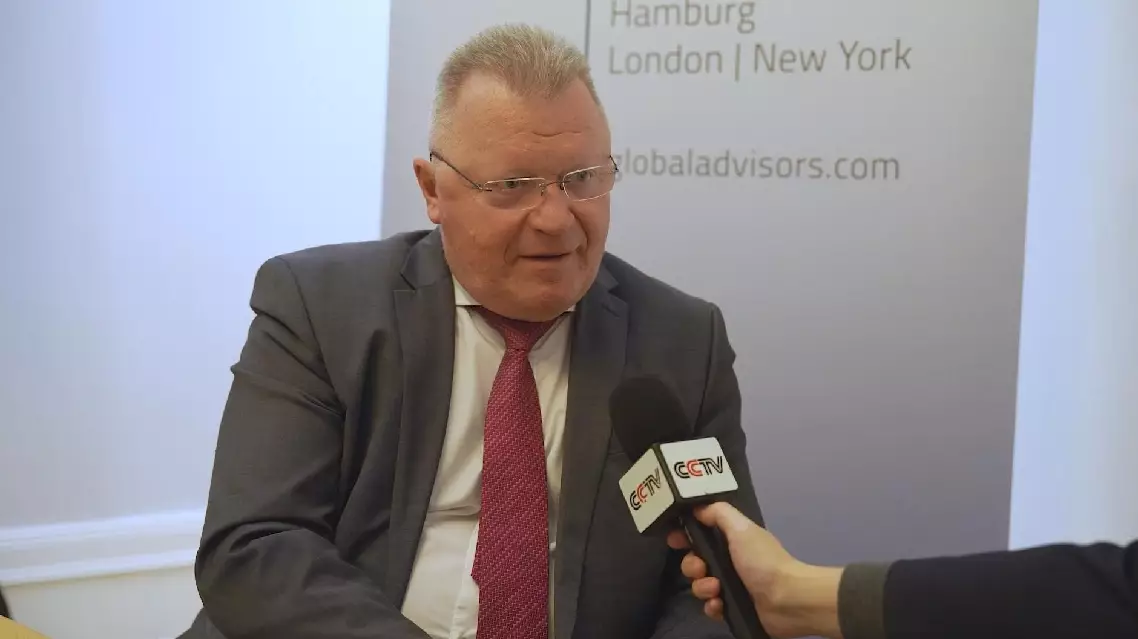
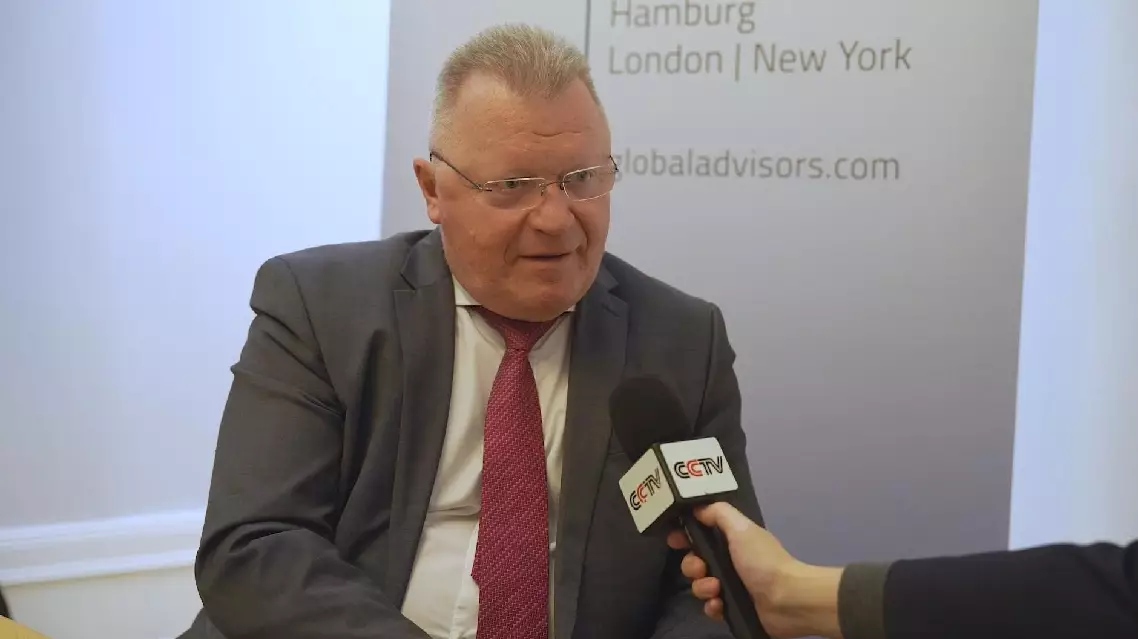
German scholar Eberhard Sandschneider on Friday warned that Europe should de-idealize transatlantic relations as the Greenland dispute has left a major rift between Europe and the United States.
Sandschneider said it is time for European leaders to recalibrate transatlantic ties, as U.S. pressure over Greenland and trade has forced Europe to reassess long-held assumptions about its traditional ally.
"I believe Europe, to some extent, must de-idealize the transatlantic relationship. We have to establish a new foundation of trust. Europe should strengthen its self-confidence and avoid becoming a pawn in U.S. politics," he said.
The international affairs expert said growing confrontations between Europe and the United States underscore how coercive, hegemonic approaches often prove counterproductive, fueling resistance rather than compliance.
"And now, regarding the Greenland issue, we suddenly see that Europe can once again adopt a unified position and speak with one voice. This indicates that we probably have to acknowledge that if external pressure is sufficiently great, it can drive Europe to become more united, which would have a positive effect for Europe," said Sandschneider.
After days of intense bargaining, tensions eased when the United States announced that a "framework deal" had been reached on Greenland-related issues and that threatened tariffs on eight European countries would be suspended.
Despite the temporary easing, European leaders remain wary. U.S. President Donald Trump has continued to press his bid to acquire Greenland, claiming the United States would gain "total access" to the Danish territory through the framework deal.
Europe should de-idealize transatlantic relations: German scholar
Europe should de-idealize transatlantic relations: German scholar