Global long-term investors are competing to secure cornerstone stakes in Hong Kong IPOs and refinancing by Chinese mainland firms, locking up capital from six to 12 months, as they shift from short-term bets to long-term exposure to Chinese assets.
The move made by investors such as Middle Eastern sovereign wealth funds and European family offices, underscore a shift in international capital flows: global investors are not only boosting exposure to Chinese assets, but are also moving from short-term holdings to long-term allocations.
Data from Wind Information showed that as of last Saturday, the average cornerstone investor subscription in Hong Kong listings had climbed to 39.15, the highest in two years. The surge reflects strategic moves by global long-term capitals to secure core assets tied to China's industrial upgrade through Hong Kong market.
"The change is noteworthy. Cornerstone investors have to accept lock-up periods, which means they value medium- to long-term certainty over short-term volatility. We've noticed that global long-term capital taking part in Hong Kong IPOs and refinancing focus more on companies' positions in the industrial chain, their technological barriers and future profitability. This shows the change in global capital's view of China's leading firms, shifting from price-driven to value-driven investment," said Ronald Wan, chief executive of the investment banking with Partners Capital International Limited, a firm dealing in securities and advising on corporate finance.
Hong Kong's stock market performed strongly in 2025, with listings by mainland leaders in new quality productive forces fueling an IPO boom and attracting active capital participation.
"At the macro level, reforms that emphasize shareholder returns and market value management are a plus to attract patient capital. At the micro level, IPOs and refinancing deals mainly come from new economic sectors, where profit growth is faster and companies are industry leaders. This gives long-term overseas investors opportunities to tap into China's innovation and growth," said Xu Bin, head of the research department at UBS Securities.
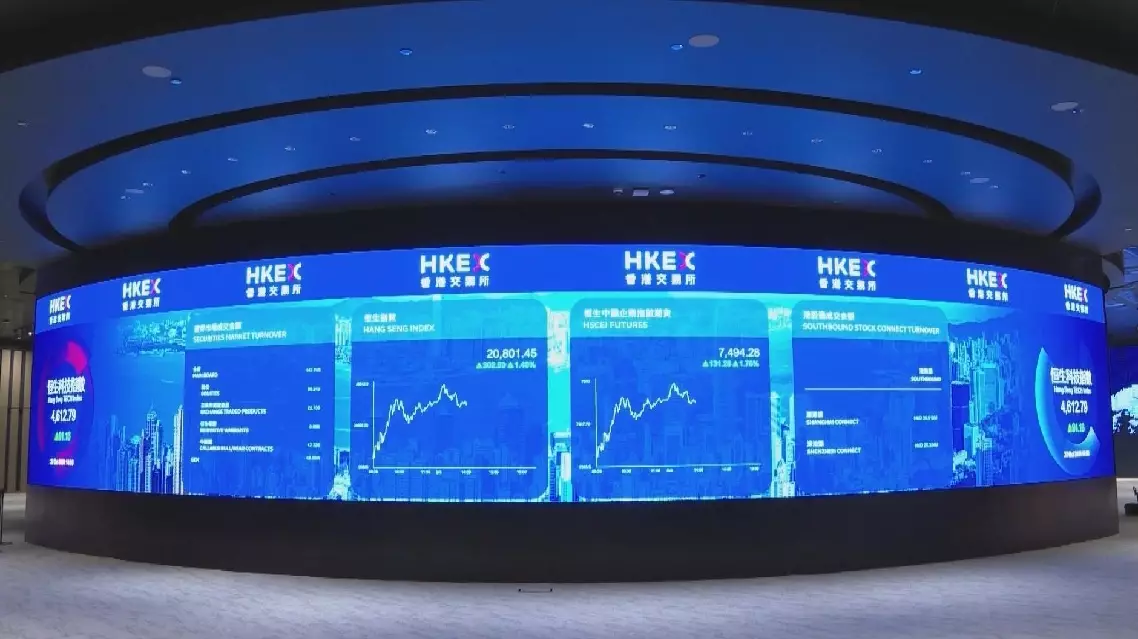
Global long-term investors vie for Chinese firms' cornerstone stakes
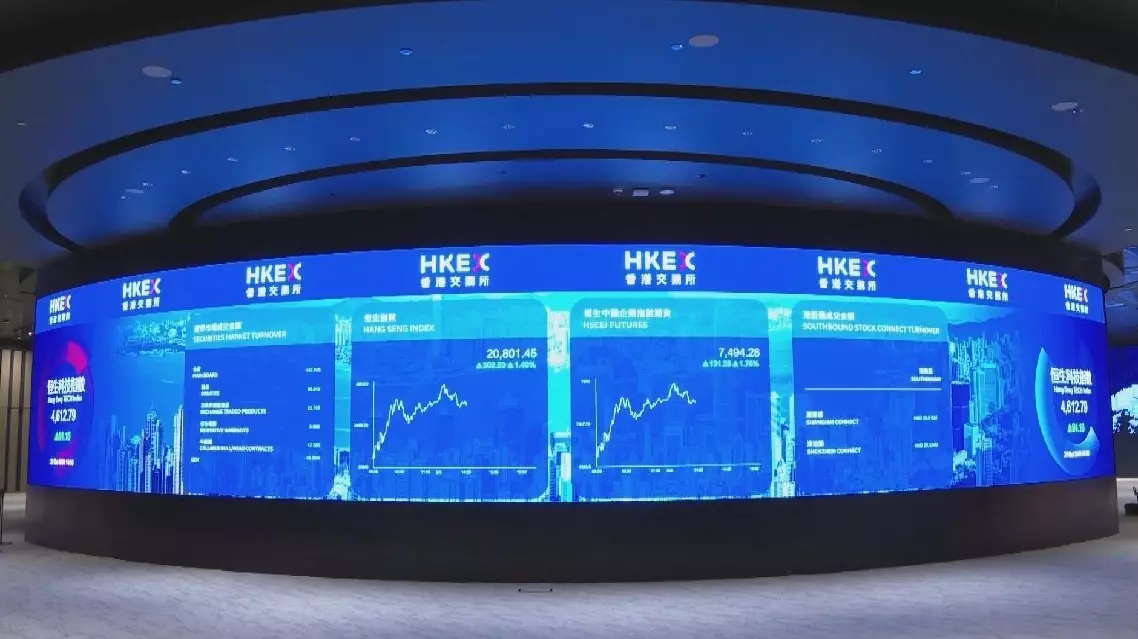
Global long-term investors vie for Chinese firms' cornerstone stakes
Hong Kong's Hang Seng Index ended slightly higher on Monday while Japan's Nikkei 225 saw a decline, according to Timothy Pope, a market analyst for China Global Television Network (CGTN).
The Hang Seng Index went up 0.06 percent to close at 26,765.52 points on Monday and the benchmark Nikkei stock index, the 225-issue Nikkei Stock Average, dropped by 1.79 percent to end at 52,885.25 points.
"The Hang Seng managed to claw back some earlier losses and end the session flat. The big supporting factor in Hong Kong was also Chinese energy and metals stocks. I said miners were going gangbusters, well, Zijin Mining surged to a record high at one point today, adding 7.8 percent, but closed 4.4 percent higher, paring those gains a little bit. Zijin mines copper as well as gold and announced today that an expansion of a Chinese copper mine project was now up and running. Its Hong Kong shares have risen almost 18 percent since the start of this year, and its Shanghai stock has also made some pretty comfortable double digit gains. The downside in Hong Kong today was also the same story as the Chinese mainland - it was tech. The Hang Seng Tech Index shed 1.2 percent by the end of the session," he said.
Popo said the decline in the Tokyo market was caused by fears of a joint Japanese-US currency intervention.
"Over in Tokyo the Nikkei 225 was down 1.8 percent as investors were on guard for a potential joint Japanese-US currency intervention. The Japanese Prime Minister said all necessary steps would be taken to act against abnormal market moves, but she was fairly non-specific. The yen surged on Friday after the New York Fed reportedly conducted a rate check, and it was up again today to a more than three-month high. The intervention would be to stem yen declines, but it's not clear if that threat has been averted as yet. But Japan's exporter heavy markets were down on the currency gains today, automaker stocks like Nissan and Honda traded significantly lower, as did the tech investor Softbank, it was one of the Nikkei's heaviest decliners. Conversely, of course, it was good for importer stocks, but those gains didn't do nearly enough to outweigh the very broad-based losses that we saw in Monday's session in Tokyo," he said.
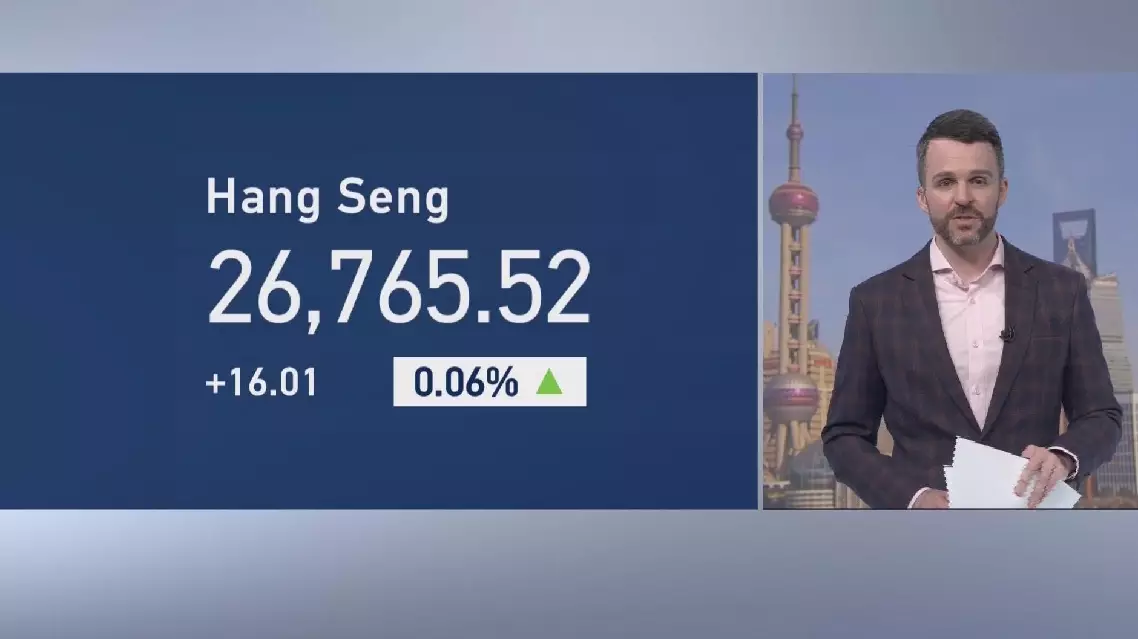
Hong Kong stock markets edge higher, Tokyo stocks decline amid currency fluctuations: analyst