Signs of economic life are returning to parts of Khartoum, Sudan's capital, months after the Sudanese Armed Forces retook the city from the paramilitary Rapid Support Forces.
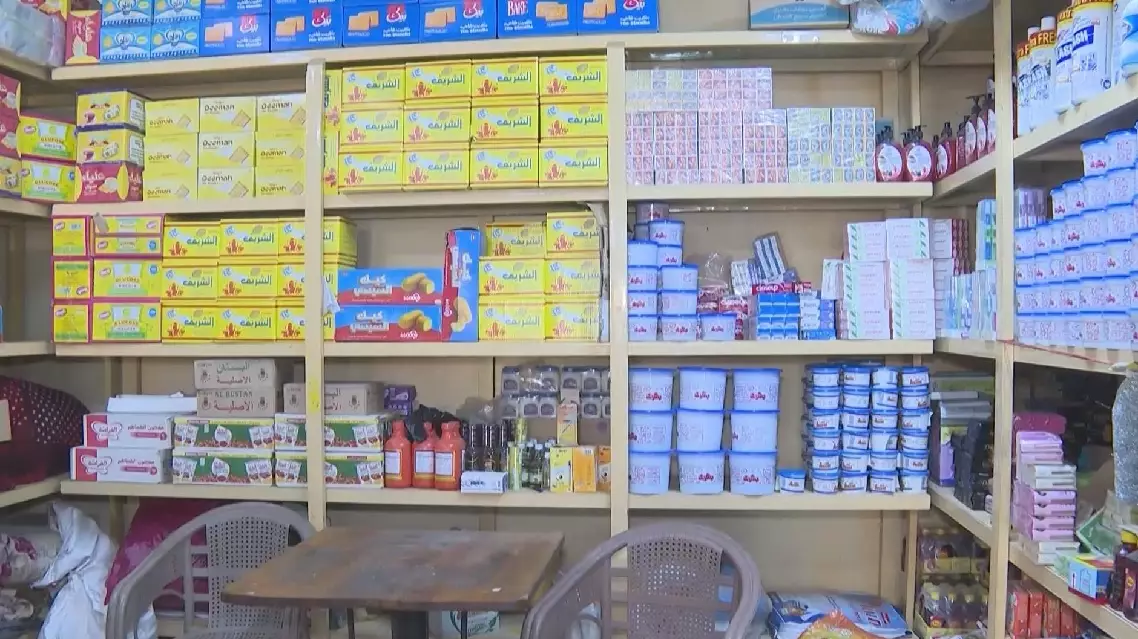
In central Khartoum and neighboring Omdurman, traders have reopened shops with customers slowly returning. They said it offered some hope that the heavy fighting once gripping the capital and forcing millions to flee was a thing of the past.
"Al-Sajana market is starting to recover, and this is a positive development. We have now emerged from a very dangerous phase. Our goods were stolen during the war, but now we have started to return and open our shops," said Abdulghaffar Al-Sharif, a merchant at the Al-Sajana Market.
Others said the revival of trade has brought a sense of normalcy.
"Market activity has returned strongly, especially in Omdurman. These areas have witnessed a revival, as if Omdurman has returned to its pre-war state. There is a smooth flow of services, merchants, and goods," said Abu Ubaida Barakat, a local resident.
Industry has also been showing signs of life. At a flour mill in the Qari industrial area, operations have resumed after more than two years of disruption.
"We resumed operations, completed maintenance, and restarted production. These mills are producing 1,200 tons per day and employ over 500 workers. This is a promising sign for food production and food security," said Mohamed Ali, operations manager of the Rotana Flour Mills.
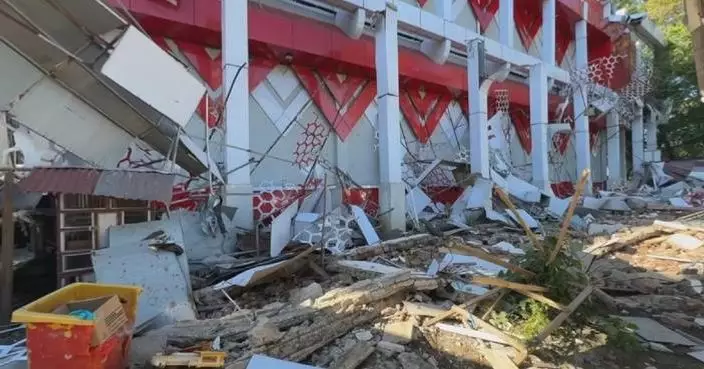
But economists warned that these improvements come amid massive losses, and many businesses will need significant support to get back on their feet.
"Reconstruction requires substantial funds because the destruction of infrastructure and factories was extensive. The industrial sector lost around 75 to 80 percent of its capacity," said Mohamed El-Nair, a professor at Almughtaribeen University.
Analysts said while markets and some services are returning, the weakened currency, damaged infrastructure, and disruption to the banking system continue to weigh heavily on Sudan's broader economic recovery.
Meanwhile, fierce fighting continues across many other parts of the country, as the army and the paramilitary continue their struggle for power and territory. Millions of desperate people await a resolution and peace so they can return to their former lives and join their compatriots in Khartoum.
Sudan has been engulfed in a deadly conflict since April 15, 2023, when fighting broke out between the Sudanese Armed Forces and the paramilitary Rapid Support Forces, leaving tens of thousands dead and millions displaced within the country and across its borders.
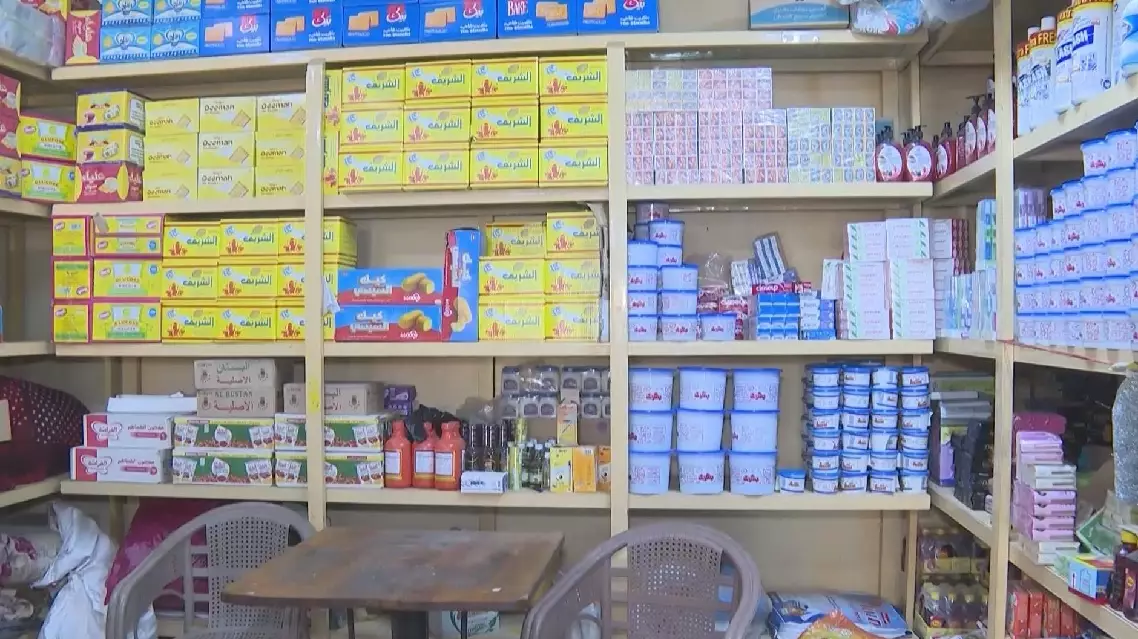
Trade resumes in parts of Sudan's war-ravaged capital Khartoum
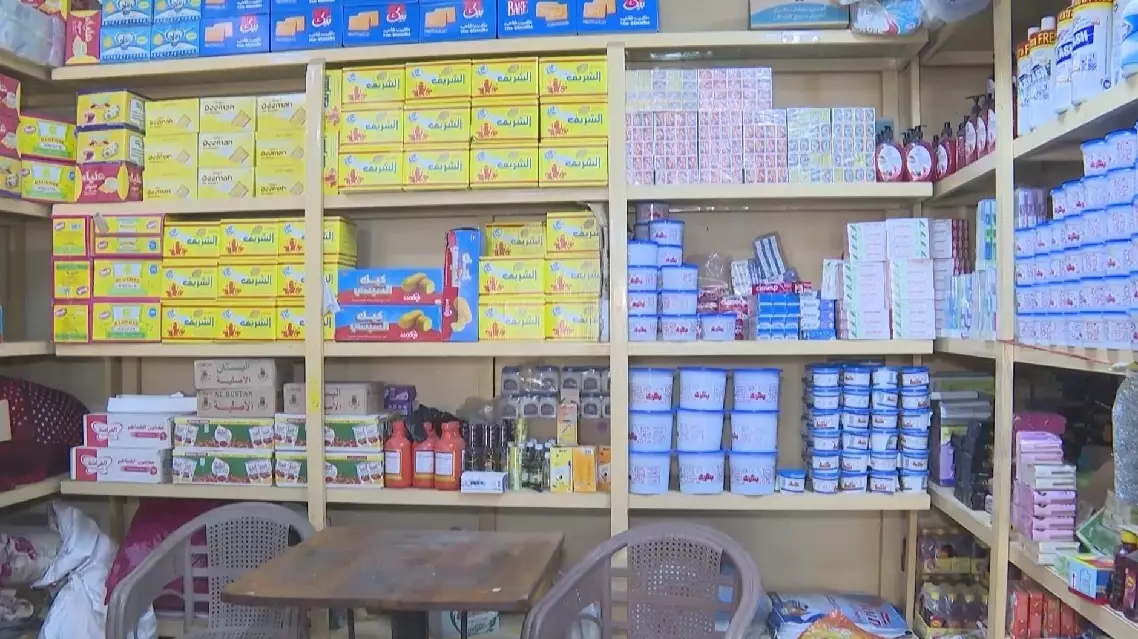
Trade resumes in parts of Sudan's war-ravaged capital Khartoum
Trade resumes in parts of Sudan's war-ravaged capital Khartoum
Major Chinese commercial banks reported steady profit growth and low non-performing loan ratios in 2025, while signaling strong lending intentions for emerging industries outlined in the country's 15th Five-Year Plan, including integrated circuits, artificial intelligence and robotics.
The six largest state-owned banks, including Industrial and Commercial Bank of China (ICBC), Agricultural Bank of China, Bank of China, China Construction Bank, Bank of Communications and Postal Savings Bank, posted combined operating revenue of 3.6 trillion yuan, up 2.44 percent year on year, with net profit reaching 1.42 trillion yuan, a 1.65 percent increase. Prominently, ICBC became the world's first bank to exceed 50 trillion yuan in total assets.
"In 2025, Bank of Communications saw positive growth in core indicators such as net profit attributable to shareholders, net operating revenue, net interest income and net fee and commission income — the best performance in recent years," said Zhang Baojiang, president of Bank of Communications. "We have developed 43 bank-wide products and 208 region-specific products, ensuring that every key area of rural revitalization has a dedicated product offering," said Wang Zhiheng, president of Agricultural Bank of China.
Among the 10 listed joint-stock banks, including China CITIC Bank, asset scale grew steadily and operating indicators improved last year. Most banks maintained low non-performing loan ratios.
Loan allocation serves as a key economic indicator. While releasing their 2025 results, many banks also identified priority sectors for lending this year, with development opportunities under the 15th Five-Year Plan (2026-2030) drawing the most attention. Multiple banks have pledged to ramp up loan disbursements to support the real economy.
"In the first two months of this year, corporate loans exceeded 2 trillion yuan, with cumulative lending of over 60 billion yuan to projects supporting major national strategies and key security capacity building," said Wang Jingwu, senior executive vice president of ICBC. "Under the 15th Five-Year Plan, serving emerging industries like integrated circuits, AI and robotics could unlock multi-trillion-yuan opportunities, perhaps as much as 10 trillion yuan, for banks like ours," said Luo Feng, vice president of China Zheshang Bank.
Several banks also said they will increase support for technology finance, green finance, inclusive finance, pension finance, digital finance and consumer credit this year, while optimizing lending structures and accelerating the application of "AI Plus" in banking operations.
"Since the beginning of this year, our quota-based consumer loans have maintained rapid growth, with new loans exceeding 20 billion yuan, an increase of over 80 percent year on year," said Liang Shidong, retail business director of Postal Savings Bank of China.
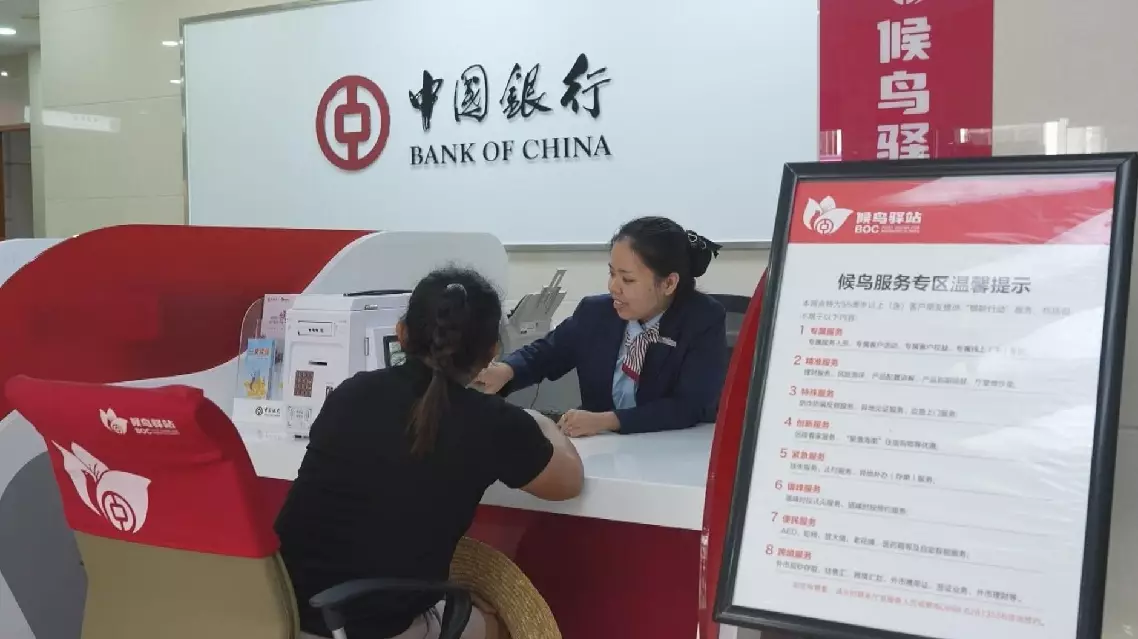
"We will advance the 'AI Plus' initiative, developing AI application models for key areas such as credit, marketing and operations. We will also accelerate branch transformation and smart operations to provide one-stop, comprehensive services that meet the diverse needs of our customers," said Zhang Hui, president of Bank of China.
Chinese banks post steady profit growth, eye opportunities from 15th Five-Year Plan