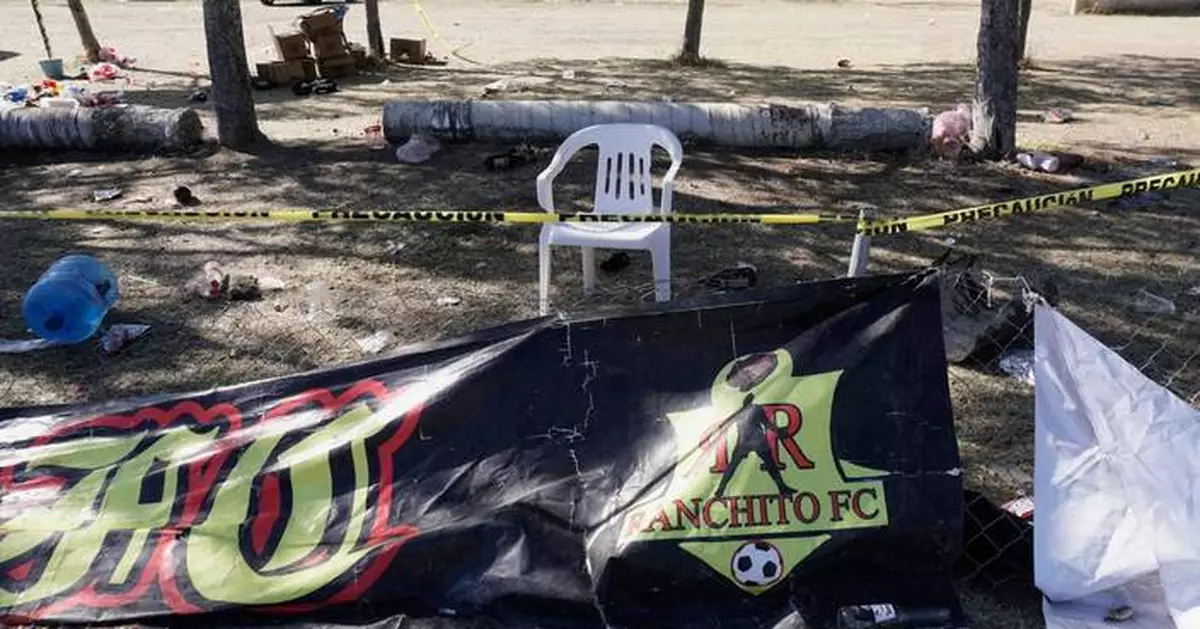
MEXICO CITY (AP) — Beer cans, candles and blood-stained clothing littered a soccer field in central Mexico on Monday, a day after gunmen killed 11 people and injured 12 others during a gathering after an amateur match.
While authorities investigate the killings, Guanajuato state Gov. Libia Dennise García said Monday that “security in the region has been reinforced” with state and federal forces. She said on social media that the state “will act decisively to protect families, restore peace to the community and bring those responsible to justice.”
Click to Gallery
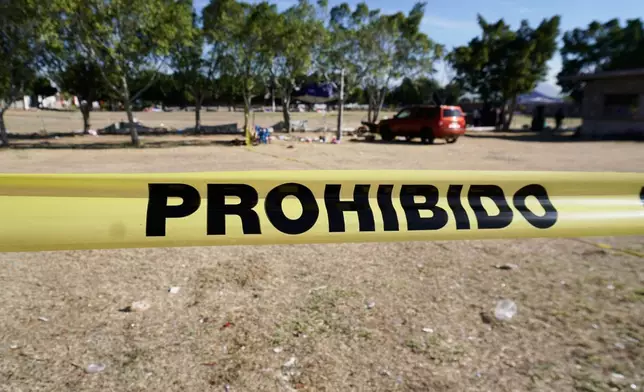
Crime scene tape surrounds a soccer field the day after gunmen opened fire, killing and wounding people, in Salamanca, Mexico, Monday, Jan. 26, 2026. (AP Photo/Mario Armas)
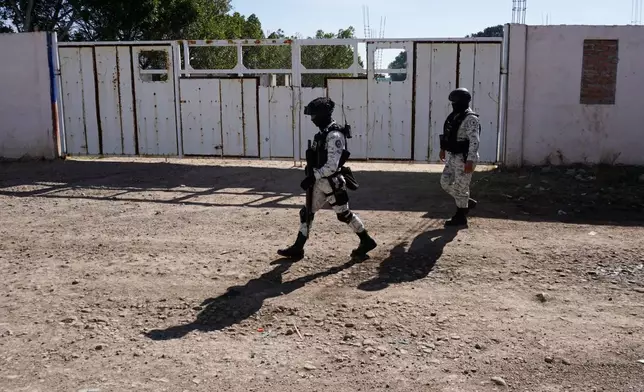
National Guards patrol near a soccer field the day after gunmen opened fire, killing and wounding people, in Salamanca, Mexico, Monday, Jan. 26, 2026. (AP Photo/Mario Armas)
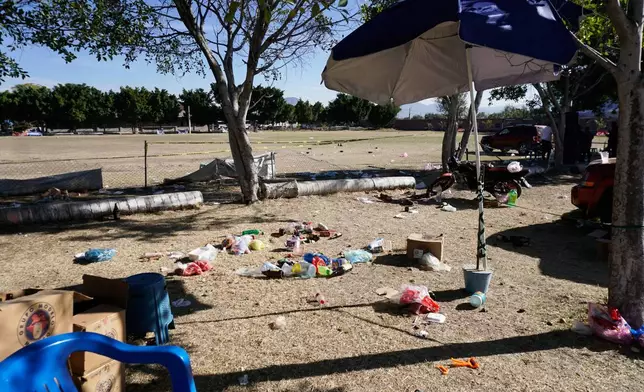
People's items left behind cover the ground at a soccer field the day after gunmen opened fire, killing and wounding people, in Salamanca, Mexico, Monday, Jan. 26, 2026. (AP Photo/Mario Armas)
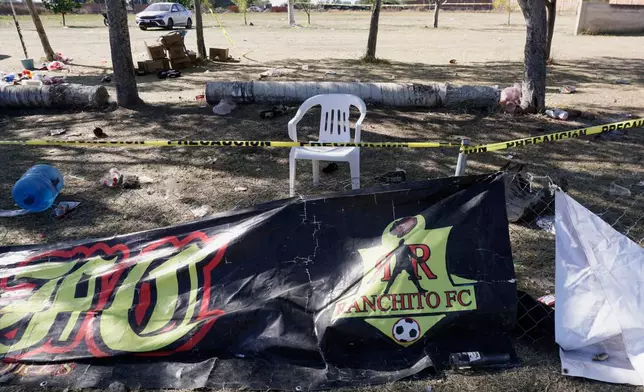
Crime scene tape surrounds a soccer field the day after gunmen opened fire, killing and wounding people, in Salamanca, Mexico, Monday, Jan. 26, 2026. (AP Photo/Mario Armas)
The massacre took place in the municipality of Salamanca, in the state with the highest number of homicides in the country. The region has been wracked by intense violence linked to the territorial dispute between the local Santa Rosa de Lima cartel — a violent group primarily dedicated to fuel theft and trafficking — and the Jalisco New Generation Cartel, CJNG.
According to a federal official familiar with the case who requested anonymity because it is an ongoing investigation, initial evidence suggests that some of the deceased people were linked to a private security company associated with the CJNG. The official added that prior to the attack, messages attributed to the Santa Rosa cartel were found mentioning their dispute with Jalisco.
The attack comes a few months before the start of the FIFA World Cup, which Mexico is co-hosting with Canada and the United States, and as the government of Mexican President Claudia Sheinbaum not only seeks to highlight its progress in security, but is also promoting local soccer and its fan base as the “powerful tool for integral development” of the population, according to Mexican Interior Secretary Rosa Icela Rodríguez.
Salamanca Mayor César Prieto — the only official to provide early details on Sunday — described the massacre as part of a “wave of violence” and appealed to Sheinbaum for help.
Nancy Angélica Canjura, researcher for Causa Común — a nongovernmental organization that analyzes data on insecurity — said that regardless of whether or not those killed were linked to criminal activity, the fact that the attack occurred in a public place and during a festive activity has a large social impact because it stays in the public consciousness that “you can't go out by choice … you shouldn't stay in public spaces.”
Canjura also mentioned that during 2025, Guanajuato was the scene of attacks at funerals, parties and other public activities and that all “dilutes the social fabric, limits life in the community” and allows criminal groups to have more power.
Sheinbaum didn't address the events in Salamanca during her news briefing on Monday, deferring to the local prosecutor’s office, which has only confirmed an ongoing investigation.
Security analyst David Saucedo, who was based in Guanajuato for many years, suggests the attack was likely by the Santa Rosa de Lima Cartel.
According to Saucedo, the group may have wanted to provoke a federal military surge into territory currently held by its rivals, the Jalisco Cartel — a move he says “undermines the image of security Mexico hopes to project on the eve of the World Cup.”
The Jalisco cartel is the fastest-growing criminal organization in Mexico. It was declared a terrorist organization by the Trump administration, which also targeted the Santa Rosa de Lima cartel.
Follow AP’s coverage of Latin America and the Caribbean at https://apnews.com/hub/latin-america
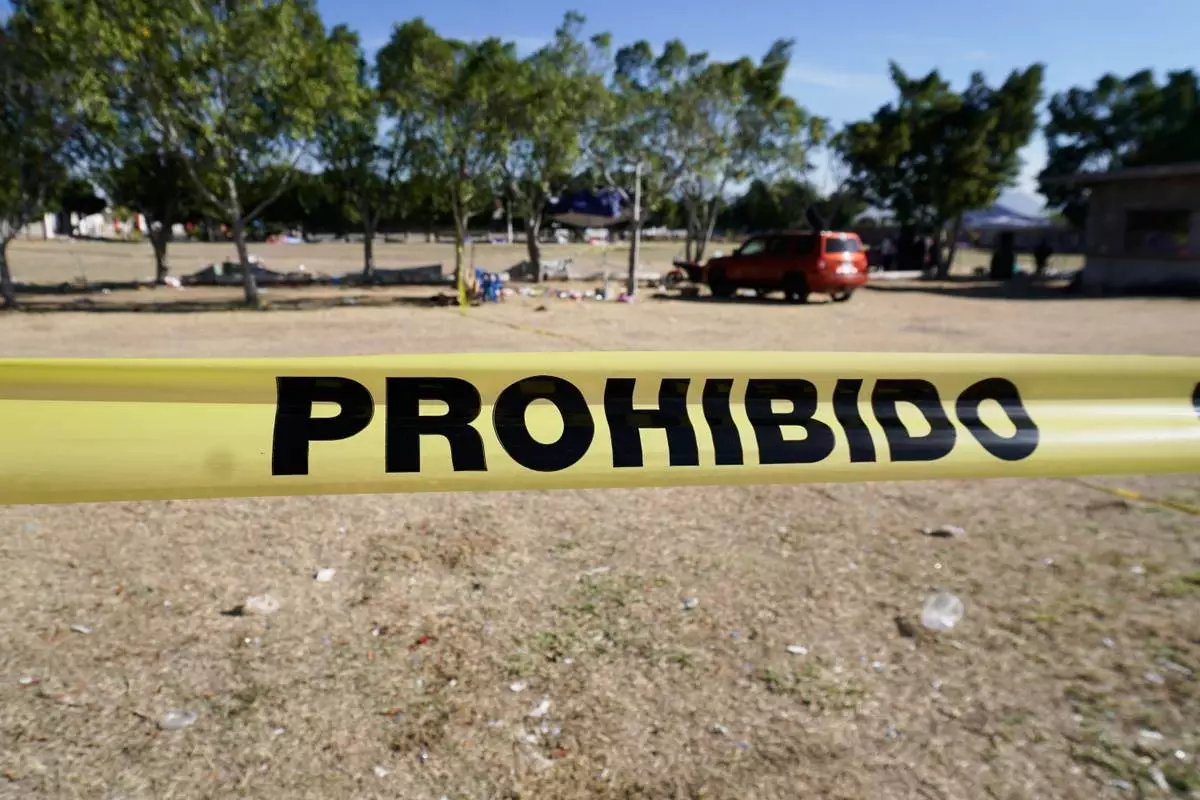
Crime scene tape surrounds a soccer field the day after gunmen opened fire, killing and wounding people, in Salamanca, Mexico, Monday, Jan. 26, 2026. (AP Photo/Mario Armas)
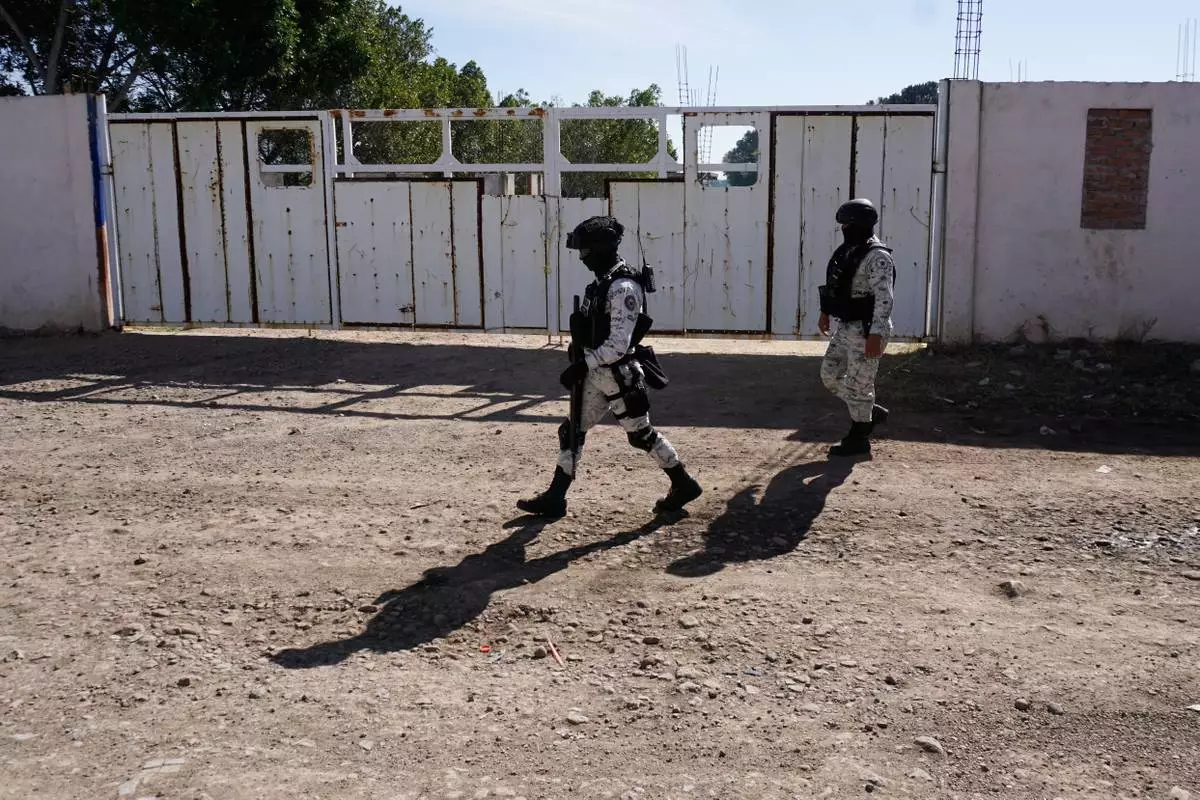
National Guards patrol near a soccer field the day after gunmen opened fire, killing and wounding people, in Salamanca, Mexico, Monday, Jan. 26, 2026. (AP Photo/Mario Armas)
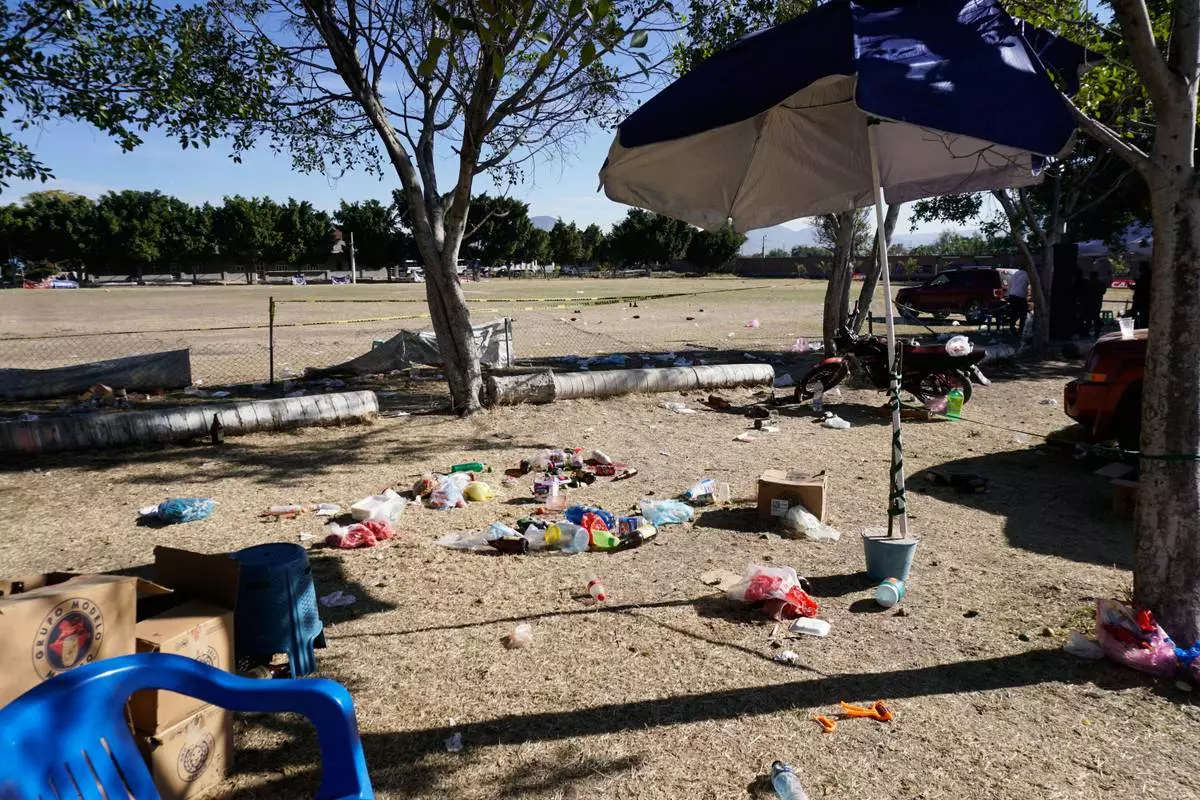
People's items left behind cover the ground at a soccer field the day after gunmen opened fire, killing and wounding people, in Salamanca, Mexico, Monday, Jan. 26, 2026. (AP Photo/Mario Armas)
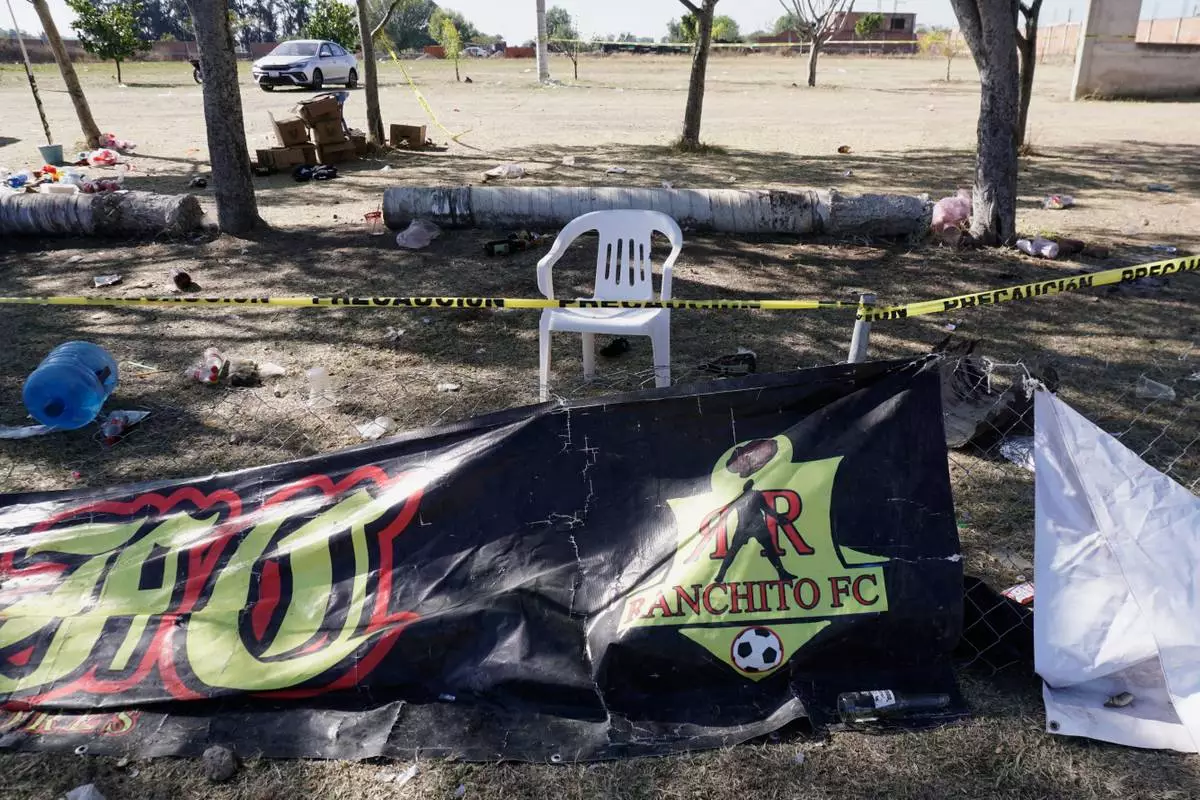
Crime scene tape surrounds a soccer field the day after gunmen opened fire, killing and wounding people, in Salamanca, Mexico, Monday, Jan. 26, 2026. (AP Photo/Mario Armas)