Gold price broke through 5,200 U.S. dollars for the first time on Wednesday, as the U.S. dollar plunged to a four-year low.
As precious metal's rally continues to bring prices to record highs, Goldman Sachs, along with other Wall Street financial institutions, has raised its end-of-year forecast for gold to 5,400 U.S. dollars.
The investment bank attributes the gold's blistering rally to slow growth in supply and the surge in safe-haven demand as global central banks and private investors flock to gold for strategic purposes.
If private institutions increase their gold holdings, gold prices could rise above 5,400 U.S. dollars by the end of 2026, Goldman Sachs said.
"What makes gold pretty unique is that you have very stable, nearly fixed supply. On the one hand, with annual gold mine production being about 100 times smaller than the stock of gold outstanding, so the supply side is fairly stable and sticky. And then, you have demand that's rising from what I would argue are pretty price-insensitive buyers that are buying for macro or hedging insurance motives -- the central banks starting in 2023 following the freeze of Russia's assets in 2020. There is two-sided risk to this forecast, on net the risks are significant skewed to the upside, because our base case doesn't incorporate any additional private sector diversification into gold on the back of the basement team," said Daan Struyven, co-head of global commodities research at Goldman Sachs.
The surge in gold prices is also fueled by a weakening U.S. dollar. The dollar index, which measures the greenback against six major peers, extended losses to sink to a four-year low on Tuesday.
Kamakshya Trivedi, chief foreign exchange and emerging markets strategist at Goldman Sachs, said the short-term weakness of the U.S. dollar is mainly due to signals of U.S.-Japan joint intervention in the foreign exchange market sent by the two countries' governments.
Looking ahead, the divergence in monetary policies among developed economies may lead to further depreciation of the U.S. dollar this year, Trivedi said.
"The dollar is an overvalued asset. It was about 15 percent overvalued coming into this year, which is part of the reason we expected more dollar depreciation this year. We expect in our baseline scenario the Fed to ease rates another couple of times this year. The European Central Bank (ECB) is likely to be on hold for most of the year. The Bank of Japan, as you know, is kind of hiking rates. And so, even on a more conventional policy trajectory, under our baseline forecast, the Fed easing is likely to provide a little bit more of impulse to that cyclical move down in the dollar," he said.
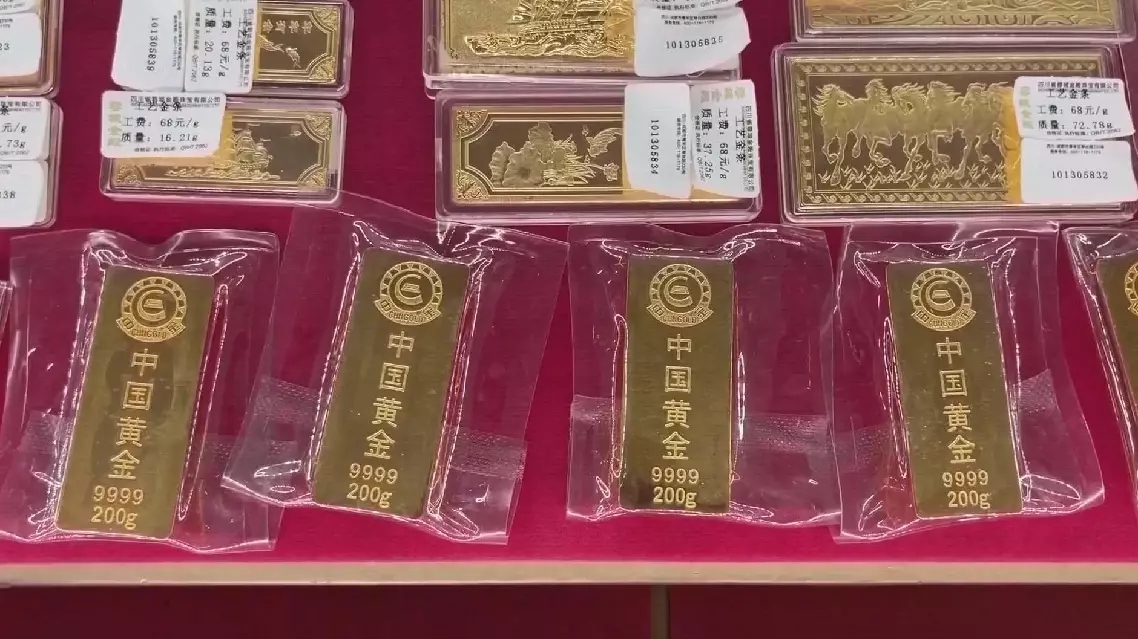
Gold price tops 5,200 US dollars
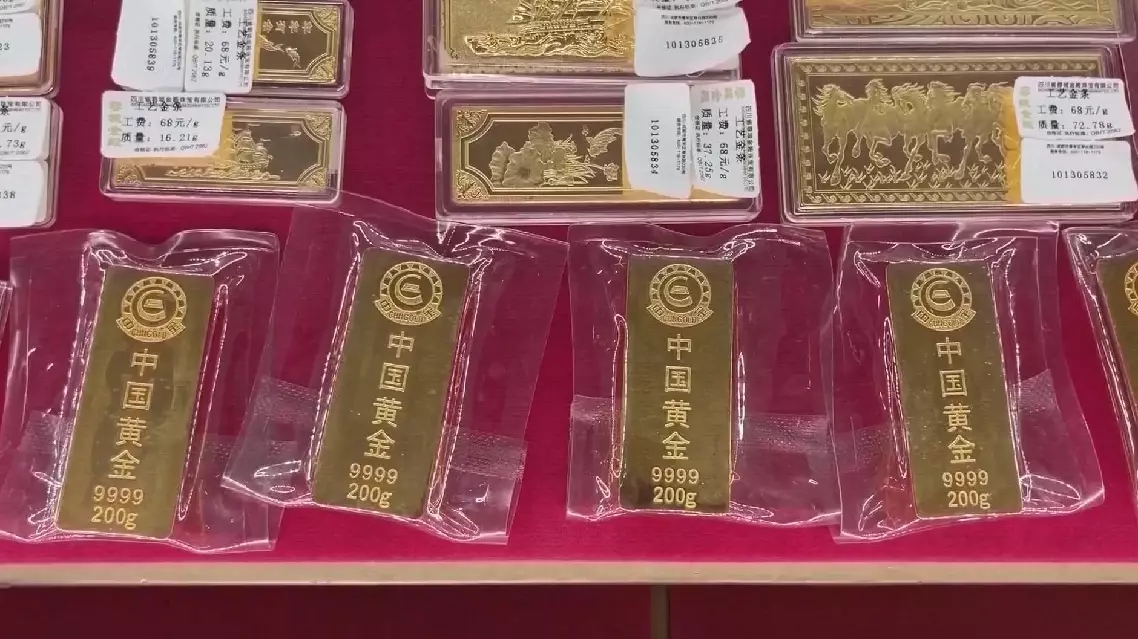
Gold price tops 5,200 US dollars