Skip to Content Facebook Feature Image

A Sudanese doctor recounts his harrowing escape from a Darfur city under rebel bombardment

News

A Sudanese doctor recounts his harrowing escape from a Darfur city under rebel bombardment
News

News

A Sudanese doctor recounts his harrowing escape from a Darfur city under rebel bombardment

2026-01-31 13:06 Last Updated At:13:31

CAIRO (AP) — Dr. Mohamed Ibrahim dashed from building to building, desperate for places to hide. He ran through streets littered with bodies. Around him, the capital of Sudan’s North Darfur province lay enveloped in smoke and fire.

Explosions, shelling and gunfire thundered from every direction.

After 18 months of battling, paramilitary fighters had overrun el-Fasher, the Sudanese army’s only remaining stronghold in the Darfur region. Ibrahim, who fled the city’s last functioning hospital with a colleague, said he feared he would not live to see the sun go down.

“All around we saw people running and falling to the ground in front of us,” the 28-year-old physician told The Associated Press, recounting the assault that began Oct. 26 and lasted three days. “We moved from house to house, from wall to wall under non-stop bombardment. Bullets were flying from all directions.”

Three months later, the brutality inflicted by the militant Rapid Support Forces is only now becoming clear. United Nations officials say thousands of civilians were killed but have no precise death toll. They say only 40% of the city’s 260,000 residents managed to flee the onslaught alive, thousands of whom were wounded. The fate of the rest remains unknown.

The violence, including mass killings, turned el-Fasher into a “massive crime scene,” U.N. officials and independent observers said. When a humanitarian team finally gained access in late December, they found the city largely deserted, with few signs of life. A Doctors Without Borders team that visited this month described it as a “ghost town” largely emptied of the people who once lived there.

Nazhat Shameem Khan, deputy prosecutor of the International Criminal Court, said war crimes and crimes against humanity were committed in el-Fasher “as a culmination of the city’s siege by the Rapid Support Forces.”

“The picture that’s emerging is appalling,” she told the U.N. Security Council last week, adding that “organized, widespread mass criminality” has been used “to assert control.”

With el-Fasher cut off, details of the attack remain scarce. Speaking with the AP from the town of Tawila, about 70 kilometers (43 miles) from the defeated capital, Ibrahim provided a rare, detailed first-person account.

As fighters swarmed in, they opened fire on civilians scrambling over walls and hiding in trenches in a vain effort to escape, while mowing down others with vehicles, Ibrahim said. Seeing so many killed felt like he was running toward his own death.

“It was a despicable feeling,” he said. “How can el-Fasher fall? Is it over? I saw people running in terror. … It was like judgment day.”

The Rapid Support Forces didn’t respond to phone calls and emails from the AP with detailed questions about the brutal attack and Ibrahim's account. RSF commander Gen. Mohammed Hamdan Dagalo acknowledged abuses by his fighters but disputed the scale of atrocities.

When the military toppled Sudan’s civilian-led government in a 2021 coup, it counted the Rapid Support Forces — descended from the country’s notorious Janjaweed militias — as its ally.

But the army and militants quickly became rivals. By late October, they'd fought fiercely for over two years in Darfur, already infamous for genocide and other atrocities in the early 2000s.

The army's last stronghold was strategically-located el-Fasher. But the RSF, accused by the Biden administration of carrying out genocide in the ongoing war, had the city surrounded. As paramilitary forces tightened the noose, residents pressed into a small area on the city's western side.

Civilians were forced to eat animal fodder as food gave out, Ibrahim said. His family fled after their home was shelled in April, wounding his mother. But with few health workers left, Ibrahim stayed, working at the Saudi Maternity Hospital as the RSF closed in.

The Saudi-financed hospital was el-Fasher's last functioning medical center. But months of RSF shelling and drone strikes had driven away most of its staff, leaving just 11 doctors.

“We worked endless shifts and supplies dwindled to nothing,” Ibrahim said.

He was treating patients around 5 a.m. on Oct. 26 when shelling intensified. Civilians sheltering near the hospital began fleeing toward a nearby military base.

“People were running in every direction,” he said. “It was obvious that the city was falling."

Around 7 a.m., he and another doctor decided to flee, setting out on foot for the army base about 1.5 kilometers (a mile) away. An hour later, RSF fighters attacked the hospital, killing a nurse and wounding three others. Two days later, the militants stormed the facility again, killing at least 460 people and abducting six health workers, according to the World Health Organization.

Ibrahim and his colleague darted from house to house, passing four corpses and many wounded civilians, before reaching a dormitory at the University of el-Fasher. Thirty minutes later, RSF artillery began pounding the area.

Separated from his colleague, Ibrahim sprinted across an open area where “anything could happen to you — a drone strike, a vehicle ramming over you, or RSF chasing you,” he said.

He moved between buildings to another dormitory. Hiding inside an empty water tank, he heard the screams of people chased by gunmen amid two hours of nonstop shelling.

When the bombardment slowed, he headed to the university’s medical school, jumping from roof to roof to avoid being seen. He found a broken wall behind the school’s morgue and took cover for nearly an hour. By then it was noon and RSF fighters rampaged across el-Fasher.

Ibrahim ran past 25 to 30 more dead before finally reaching the army base around 4 p.m. and reuniting with his coworker.

Thousands, mostly women, children or older people, were taking refuge there. Many sheltered in trenches; scores were injured and bleeding. Ibrahim used clothing scraps to dress wounds, stabilizing one man's broken wrist with a sling made from a shirt.

Around 8 p.m., Ibrahim and about 200 others, mostly women and children, left the base for Tawila, a town swelled by the influx of tens of thousands fleeing the fighting. Guides led the way under a bright moon.

When they heard trucks, or spotted fighters on camels in the distance, they dropped to the ground. When threats passed they continued on.

Eventually the group reached a trench the militants built on the outskirts of el-Fasher to tighten the blockade. They helped each other scale the 3-meter-high (10-foot-high) trench. But when the group reached a second and then a third trench, some struggled and turned back. Their fate remains unknown.

At the last trench, those ahead of Ibrahim came under fire as they climbed out. Ibrahim and his colleague lay flat in the trench until the shooting subsided.

Finally, around 1 a.m., they ventured into the darkness. Five from the group lay dead, with many others wounded.

The survivors walked for hours toward Tawila. Around noon on Oct. 27, they were stopped by RSF fighters on motorcycles and trucks mounted with weapons.

Encircling the group, the militants fatally shot two men and took the doctors and others captive. The fighters separated Ibrahim, his colleague and three others, chained them to motorcycles and forced them to sprint behind.

At an RSF-controlled village, fighters chained the prisoners to trees and interrogated them. At first Ibrahim and his friend told them they were ordinary civilians.

“I didn’t want to tell them I was a doctor, because they exploited doctors," he said. "But my friend admitted he was a doctor, so I had to.”

That evening the fighters met with a commander, Brig. Gen. Al-Fateh Abdulla Idris, who has been identified in videos executing unarmed captives.

Ibrahim and his colleague were brought out in chains then taken back to the village, where the fighters demanded ransom for their release.

“They said, ‘You are doctors. You have money. The organizations give you money, a lot of money,’” he said.

The fighters handed them a cellphone to call their families for ransom. At first, the gunmen demanded $20,000 each. Ibrahim was so stunned by the amount that he laughed, and the fighters beat him with their rifles.

“My entire family don’t have that,” he told them.

After hours of abuse, the militants asked Ibrahim how much he could pay. When he offered $500, they "started beating me again,” he said. “They said we will be killed.”

The fighters turned to Ibrahim’s friend, repeating the demands and beatings.

Ibrahim said his colleague eventually agreed to $8,000 each — an enormous sum in a country where the average monthly salary is $30 to $50.

“I almost hit him. … I didn’t trust them to let us go,” Ibrahim said.

With little choice, Ibrahim called his family. After they transferred the money, the fighters separated the doctors, keeping them blindfolded. Eventually, they were moved to vehicles filled with fighters who told them they were being taken to Tawila.

Instead, they were dropped off in an RSF-controlled area, prompting fears they would be recaptured. When they spotted fighters, the doctors hid in the brush. They emerged an hour later, spotted tracks of horse-drawn carts and began following them.

Three hours later, they spotted the flag of the Sudan Liberation Army-Abdul Wahid, a rebel group not involved in fighting between the RSF and government troops.

The rebels allowed them entry. They were met by a Sudanese-American Physicians Association team, which provides care for those fleeing el-Fasher, then continued on.

When they finally reached Tawila, Ibrahim was reunited with survivors, including another Saudi hospital physician. The man said he had seen video of the doctors' capture on Facebook and was sure they had been killed.

“He embraced me and we both wept,” Ibrahim said. “He didn’t imagine I was still alive. It was a miracle.”

AP writers Sarah El Deeb in Beirut and Adam Geller in New York contributed to this report.
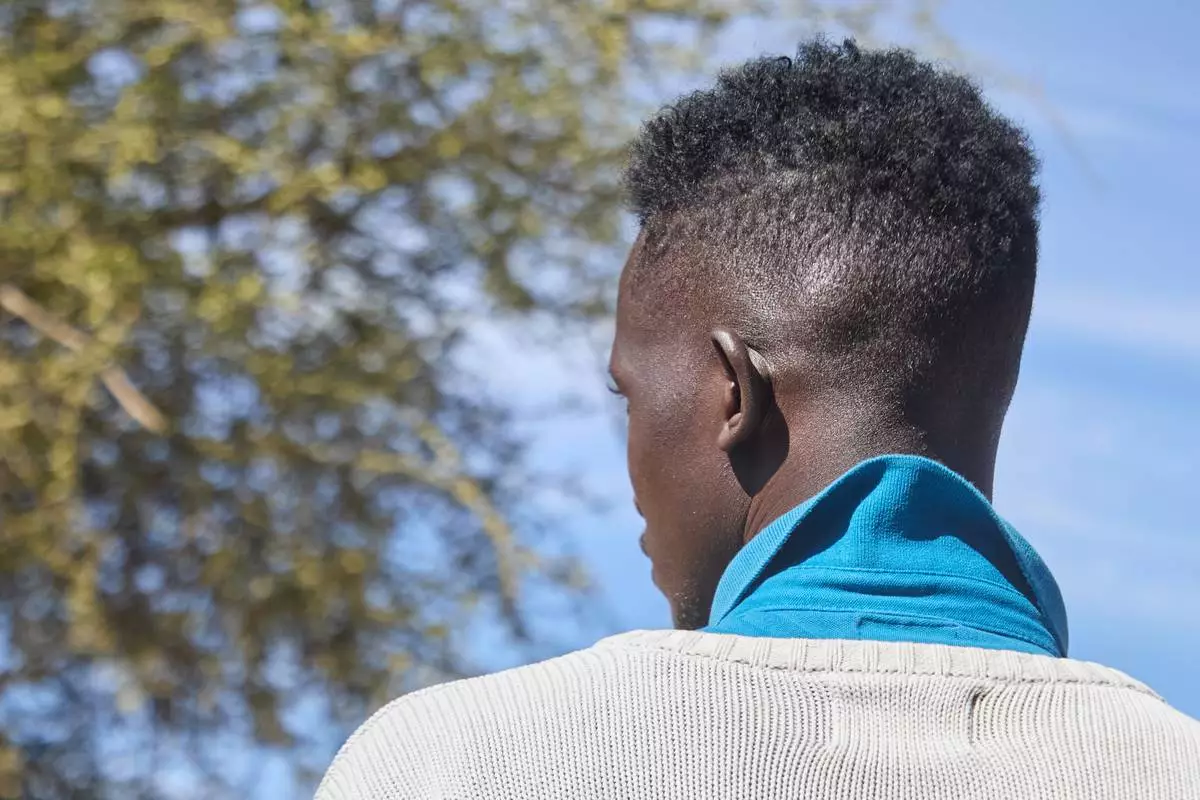
Dr. Mohammed Ibrahim walks at Rwanda refugee camp in Darfur, Sudan, Dec. 22, 2025. (AP Photo/Marwan Mohamed)
Dr. Mohammed Ibrahim walks at Rwanda refugee camp in Darfur, Sudan, Dec. 22, 2025. (AP Photo/Marwan Mohamed)

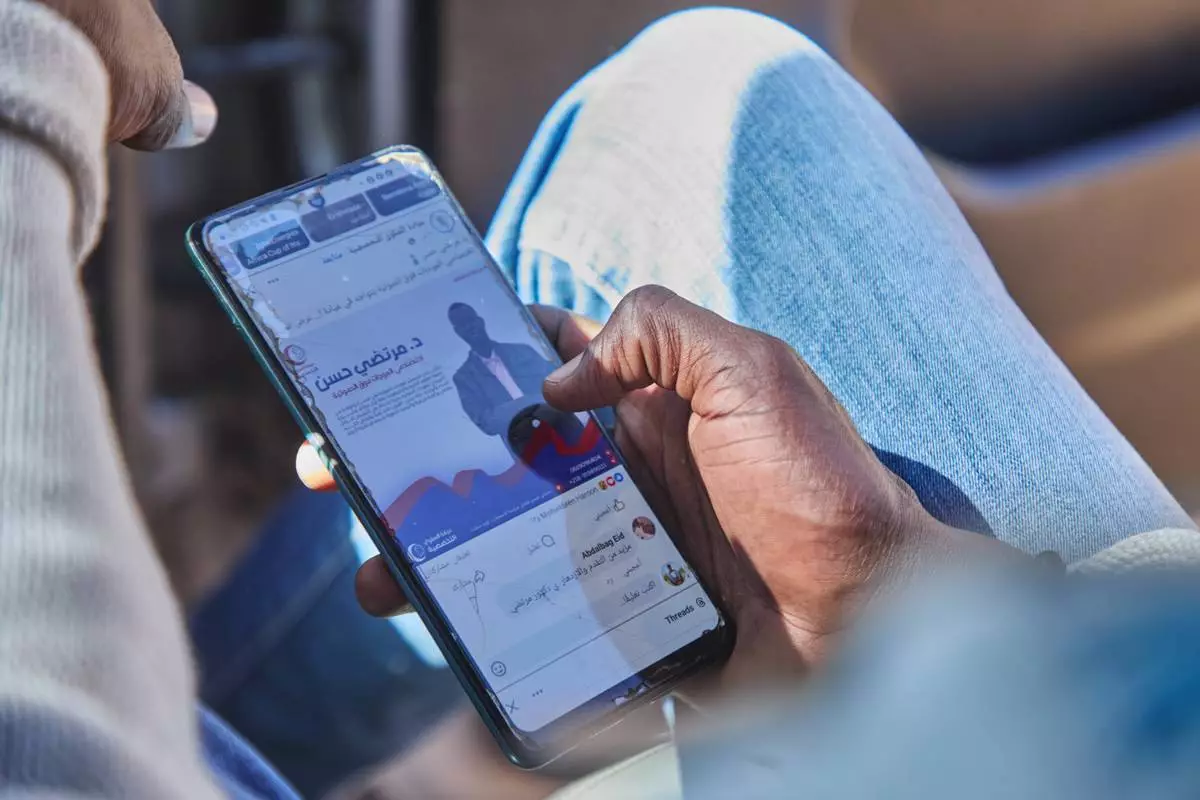
Dr. Mohammed Ibrahim checks his messages at Rwanda refugee camp in Tawila in Darfur, Sudan, Dec. 22, 2025. (AP Photo/Marwan Mohamed)
Dr. Mohammed Ibrahim checks his messages at Rwanda refugee camp in Tawila in Darfur, Sudan, Dec. 22, 2025. (AP Photo/Marwan Mohamed)

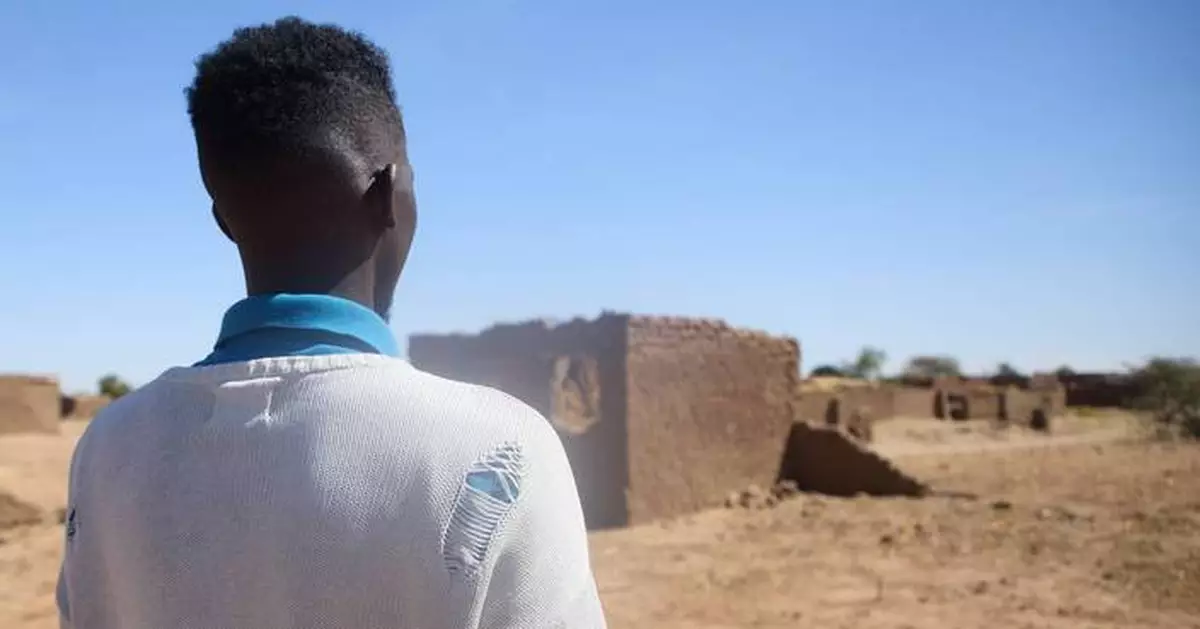
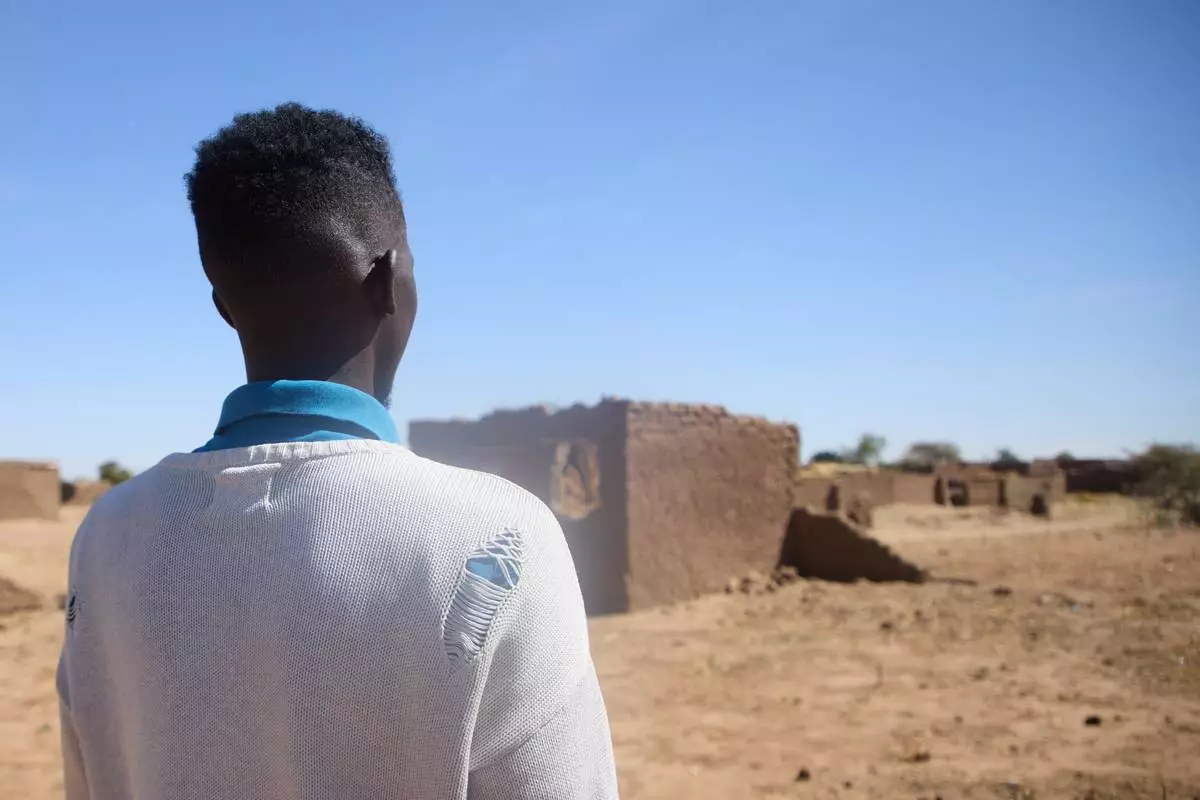
Dr. Mohamed Ibrahim, who asked that his face not be shown, walks at the Rwanda refugee camp in Darfur, Sudan, Dec. 22, 2025. (AP Photo/Marwan Mohamed) (AP Photo/Marwan Mohamed)
Dr. Mohamed Ibrahim, who asked that his face not be shown, walks at the Rwanda refugee camp in Darfur, Sudan, Dec. 22, 2025. (AP Photo/Marwan Mohamed) (AP Photo/Marwan Mohamed)
LOS ANGELES (AP) — Journalist Don Lemon was released from custody Friday after he was arrested and hit with federal civil rights charges over his coverage of an anti-immigration enforcement protest that disrupted a service at a Minnesota church.

Lemon was arrested overnight in Los Angeles, while another independent journalist and two protest participants were arrested in Minnesota. He struck a confident, defiant tone while speaking to reporters after a court appearance in California, declaring: “I will not be silenced.”

“I have spent my entire career covering the news. I will not stop now,” Lemon said. “In fact there is no more important time than right now, this very moment, for a free and independent media that shines a light on the truth and holds those in power accountable.”

The arrests brought sharp criticism from news media advocates and civil rights activists including the Rev. Al Sharpton, who said the administration of President Donald Trump is taking a “sledgehammer” to “the knees of the First Amendment.”

A grand jury in Minnesota indicted Lemon and others on charges of conspiracy and interfering with the First Amendment rights of worshippers during the Jan. 18 protest at the Cities Church in St. Paul, where a U.S. Immigration and Customs Enforcement official is a pastor.

In court in Los Angeles, Assistant U.S. Attorney Alexander Robbins argued for a $100,000 bond, telling a judge that Lemon “knowingly joined a mob that stormed into a church.” He was released, however, without having to post money and was granted permission to travel to France in June while the case is pending.

Defense attorney Marilyn Bednarski said Lemon plans to plead not guilty and fight the charges in Minnesota.

Lemon, who was fired from CNN in 2023 following a bumpy run as a morning host, has said he has no affiliation to the organization that went into the church and he was there as a solo journalist chronicling protesters.

“Don has been a journalist for 30 years, and his constitutionally protected work in Minneapolis was no different than what he has always done,” his lawyer, Abbe Lowell, said in a statement earlier Friday.

Attorney General Pam Bondi promoted the arrests on social media.

“Make no mistake. Under President Trump’s leadership and this administration, you have the right to worship freely and safely,” Bondi said in a video posted online. “And if I haven’t been clear already, if you violate that sacred right, we are coming after you.”

Since he left CNN, Lemon has joined the legion of journalists who have gone into business for themselves. He posts regularly on YouTube and has not hidden his disdain for Trump.

Yet during his online show from the church, he stressed: “I’m not here as an activist. I’m here as a journalist.” He described the scene before him and interviewed churchgoers and demonstrators.

The indictment names nine defendants including Lemon. It says two of them posted their planned action on social media the day before and gave the others instructions in a shopping center parking lot the following morning.

Lemon started livestreaming and told the audience he was with a group gearing up for a “resistance” operation against federal immigration policies, according to the document. Lemon “took steps to maintain operational secrecy by reminding co-conspirators to not disclose the target of their operation,” the indictment says, and stepped away so his microphone would not accidentally divulge the planning.

During the briefing before the operation, prosecutors say, Lemon thanked an activist who is among the nine indicted for what she was doing and assured her he was not saying what was going on.

Inside the church the defendants shouted slogans and blew whistles after the pastor was about to begin the sermon and gestured in a hostile and aggressive manner, according to prosecutors, and the pastor and congregants perceived “threats of violence.”

Lemon told the livestream he saw a young man who was frightened, sad and crying and it was understandable because the experience was traumatic and uncomfortable, the indictment says. The defendants then surrounded the pastor and Lemon “peppered him with questions to promote the operation’s message.”

Last week a magistrate judge rejected prosecutors’ initial bid to charge Lemon. Shortly afterward he predicted on his show that the administration would try again.

“And guess what,” Lemon said. “Here I am. Keep trying. That’s not going to stop me from being a journalist. That’s not going to diminish my voice. Go ahead, make me into the new Jimmy Kimmel if you want. Just do it. Because I’m not going anywhere.”

Independent journalist Georgia Fort livestreamed the moments before her arrest, telling viewers that agents were at her door and her First Amendment right as a journalist was being diminished.

A judge released Fort, Trahern Crews and Jamael Lundy on bond, rejecting the Justice Department's attempt to keep them in custody. Not guilty pleas were entered. Fort's supporters in the courtroom clapped and whooped.

“It’s a sinister turn of events in this country,” Fort's attorney, Kevin Riach, said in court.

Jane Kirtley, a media law and ethics expert at the University of Minnesota, said the federal laws cited by the government were not intended to apply to reporters gathering news.

The charges against Lemon and Fort, she said, are “pure intimidation and government overreach.”

Some experts and activists said the charges are not only an attack on press freedoms but also a strike against Black Americans who count on Black journalists to bear witness to injustice and oppression.

The National Association of Black Journalists said it was “outraged and deeply alarmed” and warned of an effort to “criminalize and threaten press freedom under the guise of law enforcement.”

Crews is a leader of Black Lives Matter Minnesota who has led many protests and actions for racial justice, particularly following George Floyd’s killing in Minneapolis in 2020.

“All the greats have been to jail, MLK, Malcom X — people who stood up for justice get attacked,” Crews told The Associated Press. “We were just practicing our First Amendment rights.”

A prominent civil rights attorney and two other people involved in the protest were arrested last week. Prosecutors have accused them of civil rights violations for disrupting the Cities Church service.

The Justice Department launched an investigation after the group interrupted services by chanting “ICE out” and “Justice for Renee Good,” referring to the 37-year-old mother of three who was fatally shot by an ICE officer in Minneapolis.

Cities Church belongs to the Southern Baptist Convention and lists one of its pastors as David Easterwood, who leads ICE's St. Paul field office.

“We are grateful that the Department of Justice acted swiftly to protect Cities Church so that we can continue to faithfully live out the church’s mission to worship Jesus and make him known,” lead pastor Jonathan Parnell said.

Richer and Tucker reported from Washington. Associated Press reporters Dave Bauder and Aaron Morrison in New York; Giovanna Dell'Orto, Tim Sullivan, Steve Karnowski and Jack Brook in Minneapolis; Josh Funk in Omaha, Nebraska; and Audrey McAvoy in Honolulu contributed.

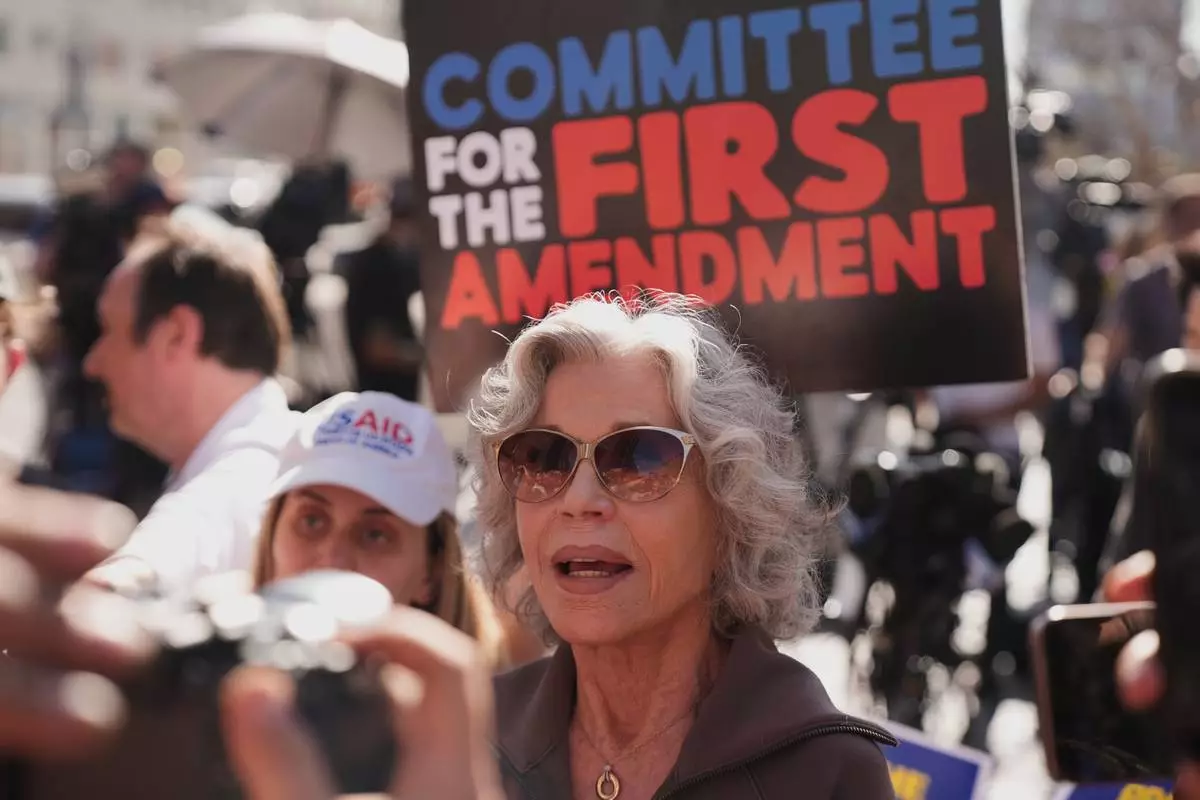
Jane Fonda talks to media about First Amendment and her support for journalist Don Lemon. "They arrested the wrong "Don!" while speaking outside the Edward R. Roybal Federal Building in Los Angeles on Friday, Jan. 30, 2026. (AP Photo/Damian Dovarganes)

Jane Fonda talks to media about First Amendment and her support for journalist Don Lemon. "They arrested the wrong "Don!" while speaking outside the Edward R. Roybal Federal Building in Los Angeles on Friday, Jan. 30, 2026. (AP Photo/Damian Dovarganes)

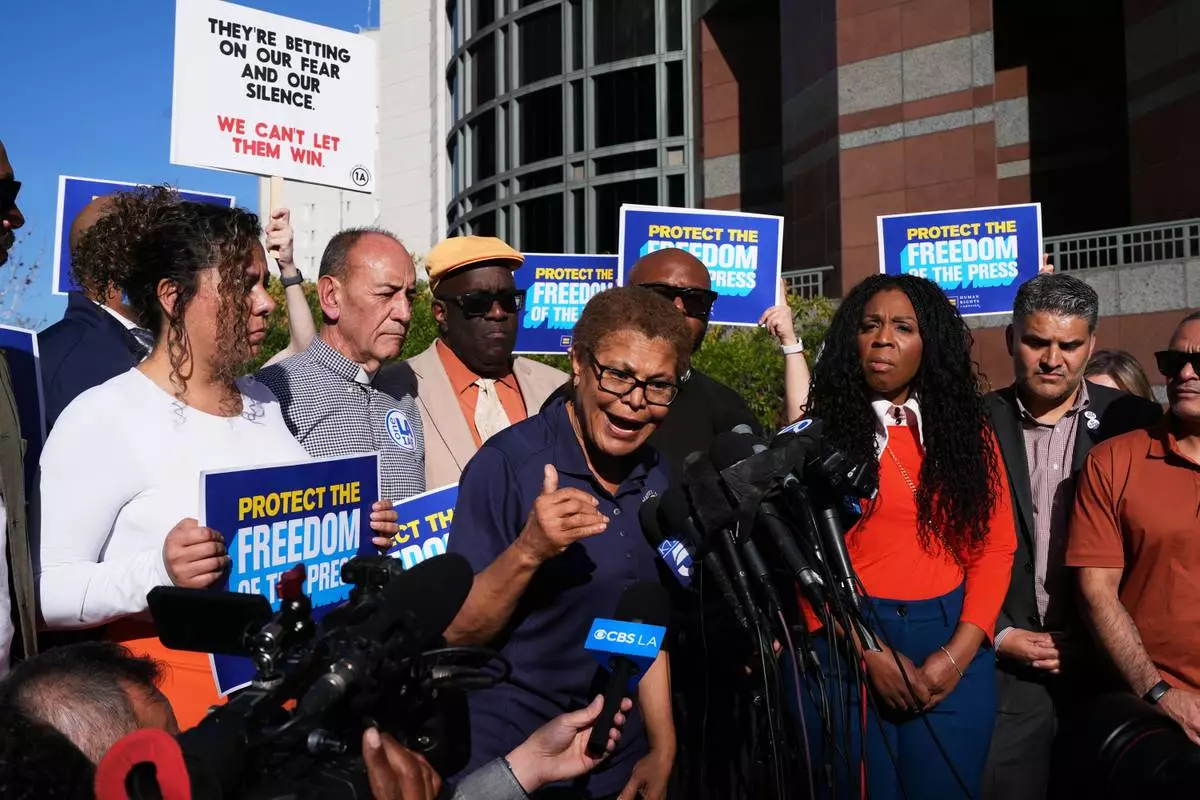
Los Angeles Mayor Karen Bass speaks to the media outside the Edward R. Roybal Federal Building in Los Angeles on Friday, Jan. 30, 2026. (AP Photo/Damian Dovarganes)

Los Angeles Mayor Karen Bass speaks to the media outside the Edward R. Roybal Federal Building in Los Angeles on Friday, Jan. 30, 2026. (AP Photo/Damian Dovarganes)

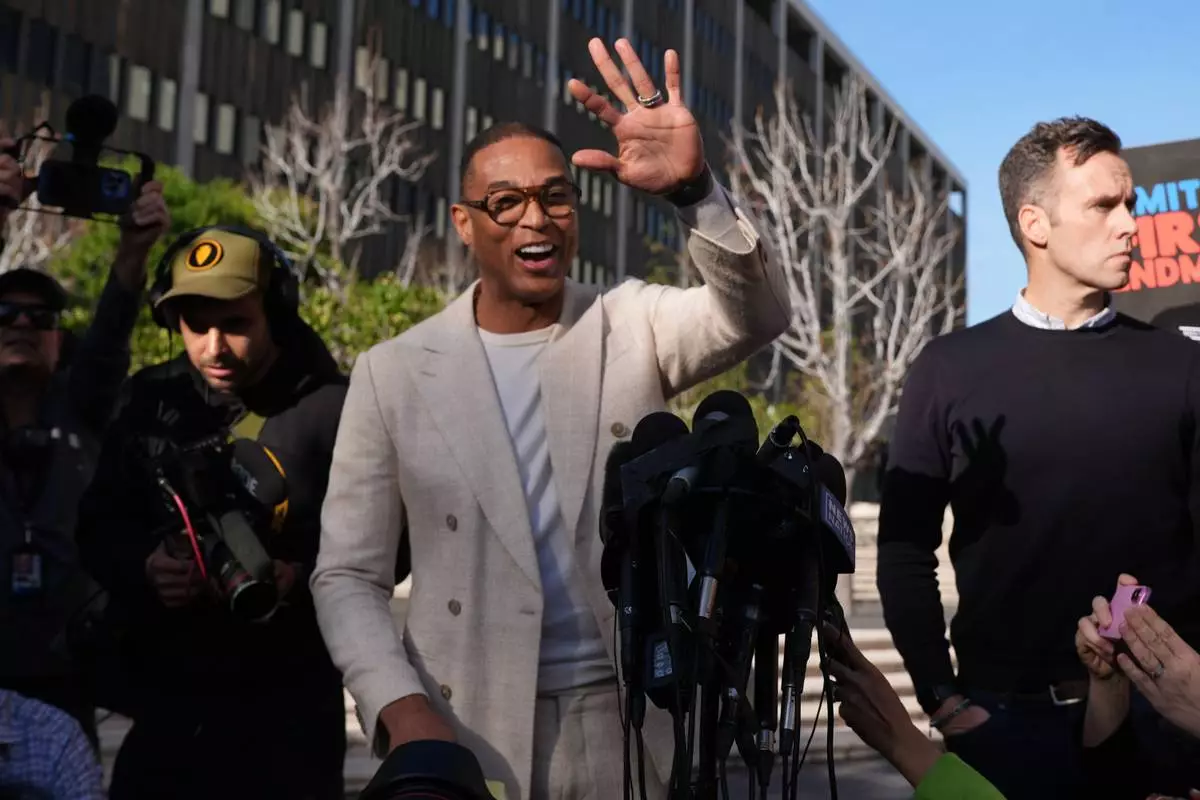
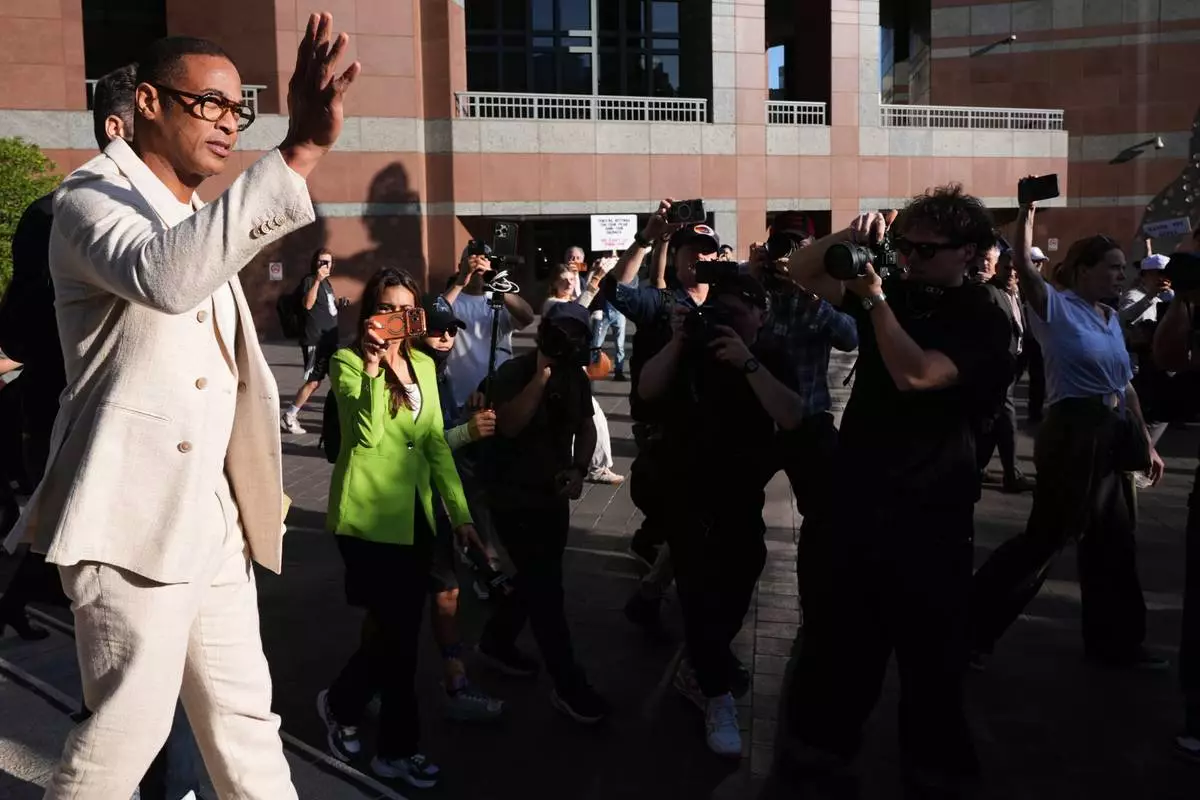
Journalist Don Lemon, waves after leaving a hearing at the Edward R. Roybal Federal Building in Los Angeles on Friday, Jan. 30, 2026. (AP Photo/Damian Dovarganes)

Journalist Don Lemon, waves after leaving a hearing at the Edward R. Roybal Federal Building in Los Angeles on Friday, Jan. 30, 2026. (AP Photo/Damian Dovarganes)

Journalist Don Lemon, waves to the media after a hearing outside the Edward R. Roybal Federal Building in Los Angeles on Friday, Jan. 30, 2026. (AP Photo/Damian Dovarganes)

Journalist Don Lemon, waves to the media after a hearing outside the Edward R. Roybal Federal Building in Los Angeles on Friday, Jan. 30, 2026. (AP Photo/Damian Dovarganes)

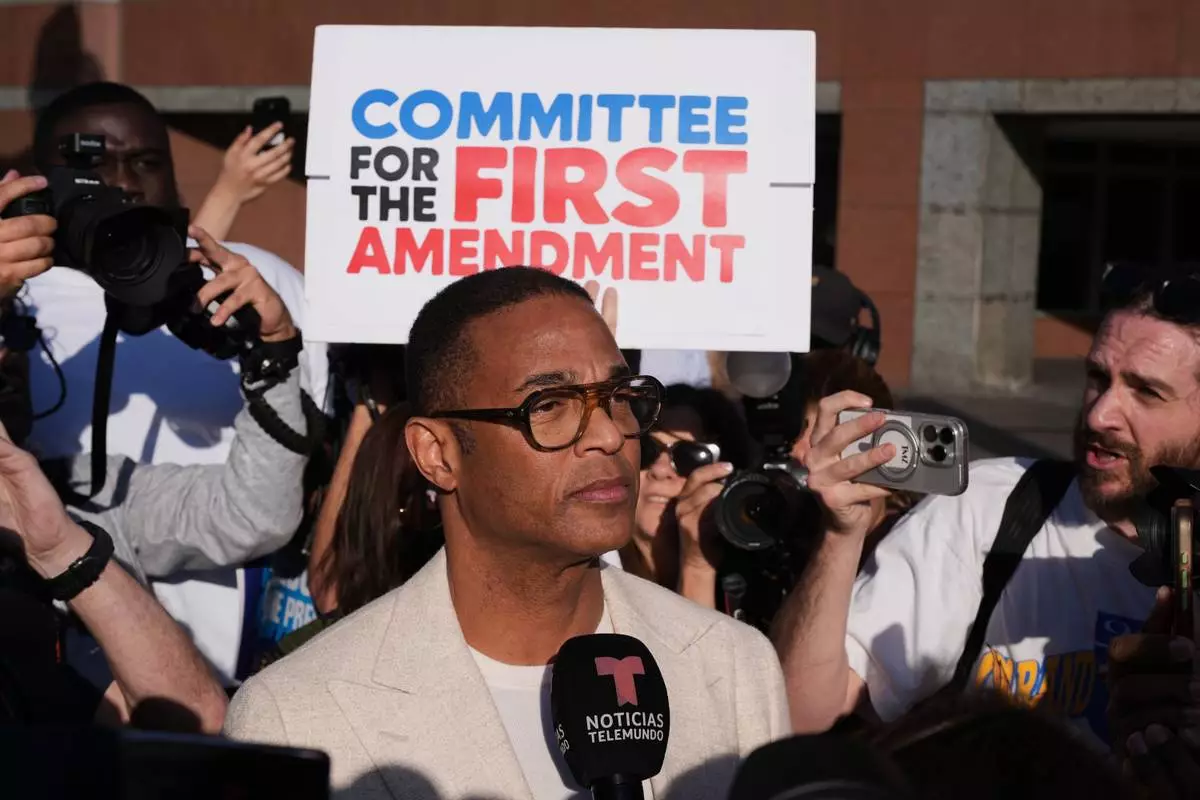
Journalist Don Lemon, talks to the media after a hearing at the Edward R. Roybal Federal Building in Los Angeles on Friday, Jan. 30, 2026. (AP Photo/Damian Dovarganes)

Journalist Don Lemon, talks to the media after a hearing at the Edward R. Roybal Federal Building in Los Angeles on Friday, Jan. 30, 2026. (AP Photo/Damian Dovarganes)

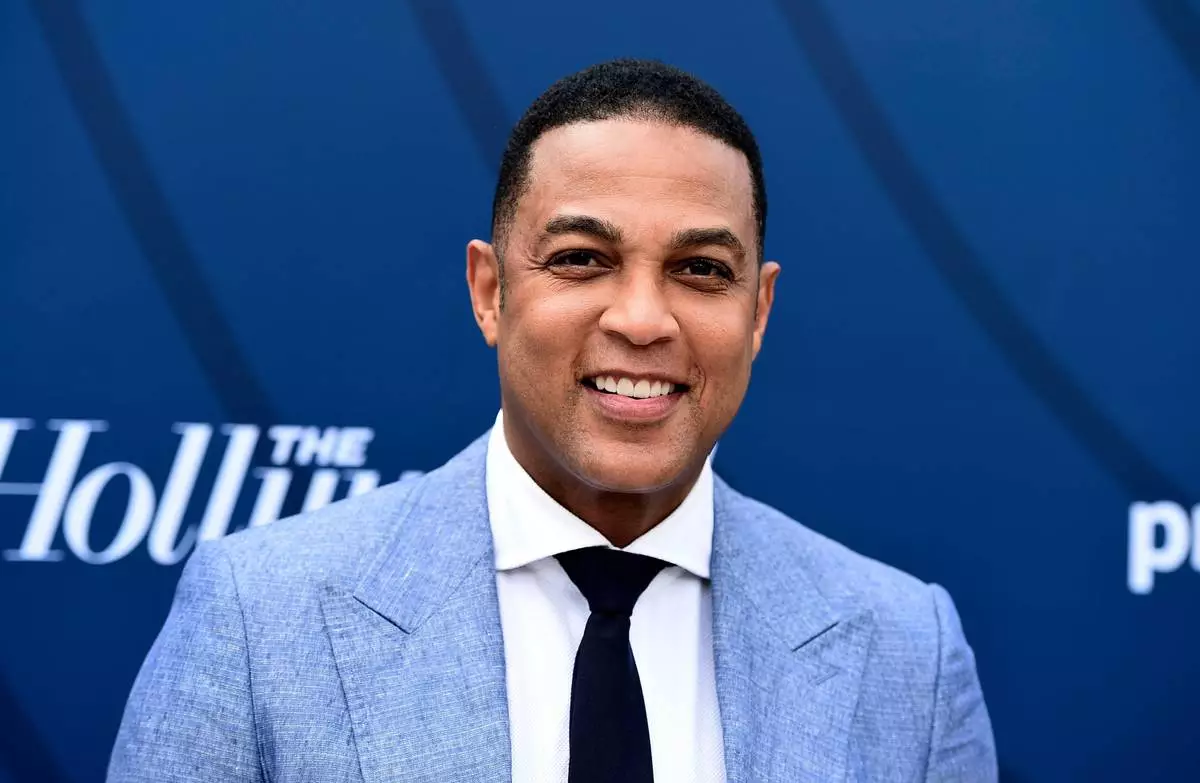
FILE - Don Lemon arrives at THR's Empowerment in Entertainment Gala at Milk Studios, April 30, 2019, in Los Angeles. (Photo by Jordan Strauss/Invision/AP, FILE)

FILE - Don Lemon arrives at THR's Empowerment in Entertainment Gala at Milk Studios, April 30, 2019, in Los Angeles. (Photo by Jordan Strauss/Invision/AP, FILE)

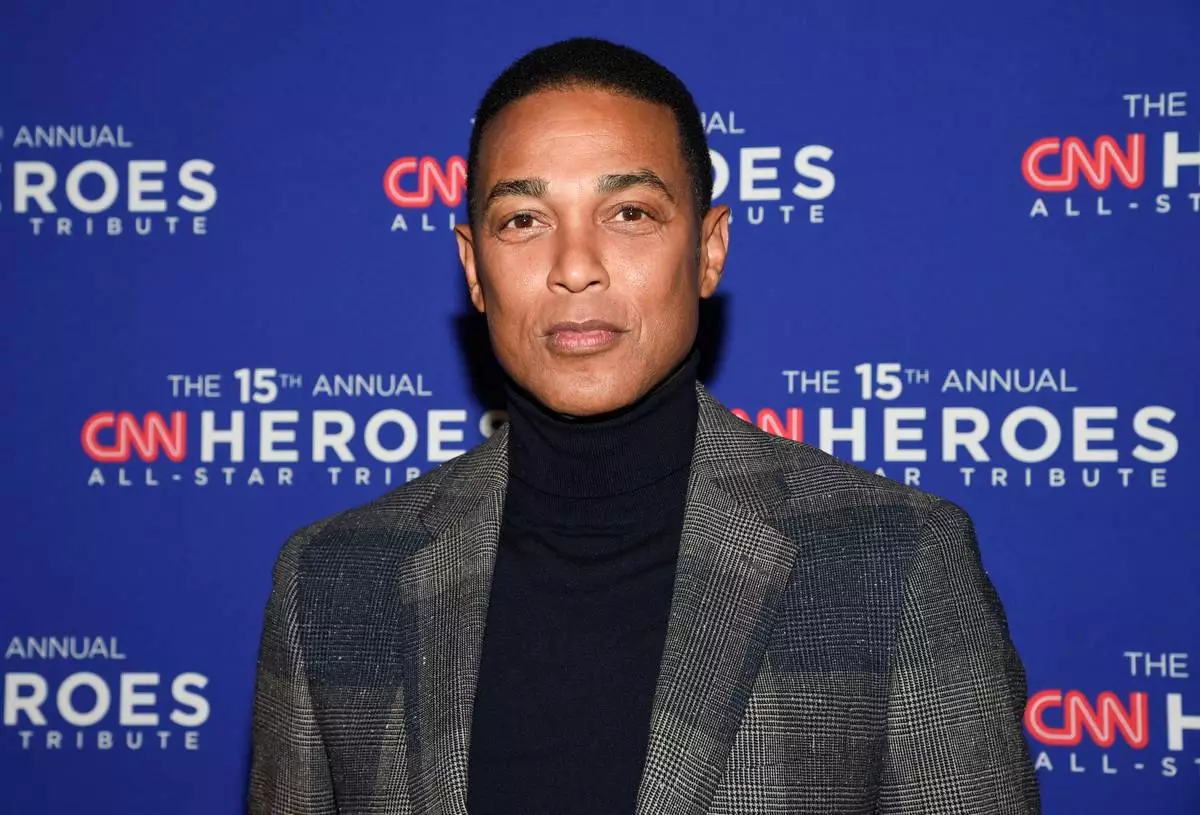
FILE - Don Lemon attends the 15th annual CNN Heroes All-Star Tribute at the American Museum of Natural History, Sunday, Dec. 12, 2021, in New York. (Photo by Evan Agostini/Invision/AP, File)

FILE - Don Lemon attends the 15th annual CNN Heroes All-Star Tribute at the American Museum of Natural History, Sunday, Dec. 12, 2021, in New York. (Photo by Evan Agostini/Invision/AP, File)

Recommended Articles