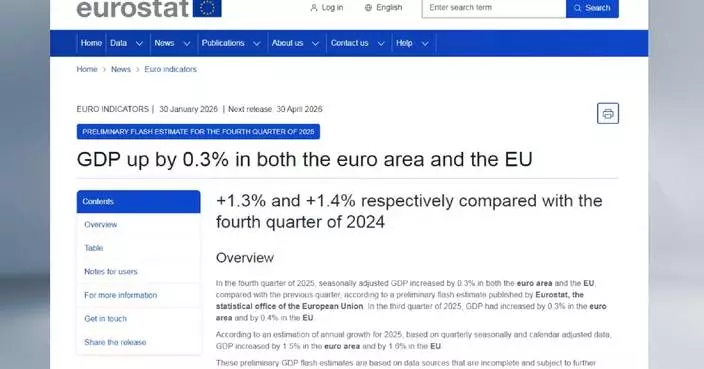
The U.S. Senate on Friday evening approved a funding package just hours before government funding was set to expire. With the House still in recess until Monday, a short funding lapse is still likely.
The upper chamber passed the measure by a vote of 71-29, indicating bipartisan support.
The approval came one day after U.S. Senate Democrats reached a deal with Republicans and the White House would pass five spending bills to fund part of the government for the remainder of the fiscal year, as well as a stopgap measure to fund the Department of Homeland Security (DHS).
The bill now heads to the House, which still needs time to approve it. Speaker Mike Johnson said Thursday that the earliest floor action in the House could be Monday, noting the House's requirement that text be available 72 hours before a vote, according to a report by The Hill.
The recent two fatal shootings by federal enforcement in Minneapolis have prompted Democrats to seek changes to how immigration agencies operate. Senate Minority Leader Chuck Schumer said Wednesday that until Immigration and Customs Enforcement is properly reined in and overhauled legislatively, the DHS funding bill does not have the votes to pass the Senate.
Funding for multiple U.S. federal agencies, including the Department of Defense, the Department of Education, the Department of Health and Human Services, the Department of Labor, the Department of Transportation and the Department of Housing and Urban Development, is expected to expire Saturday.
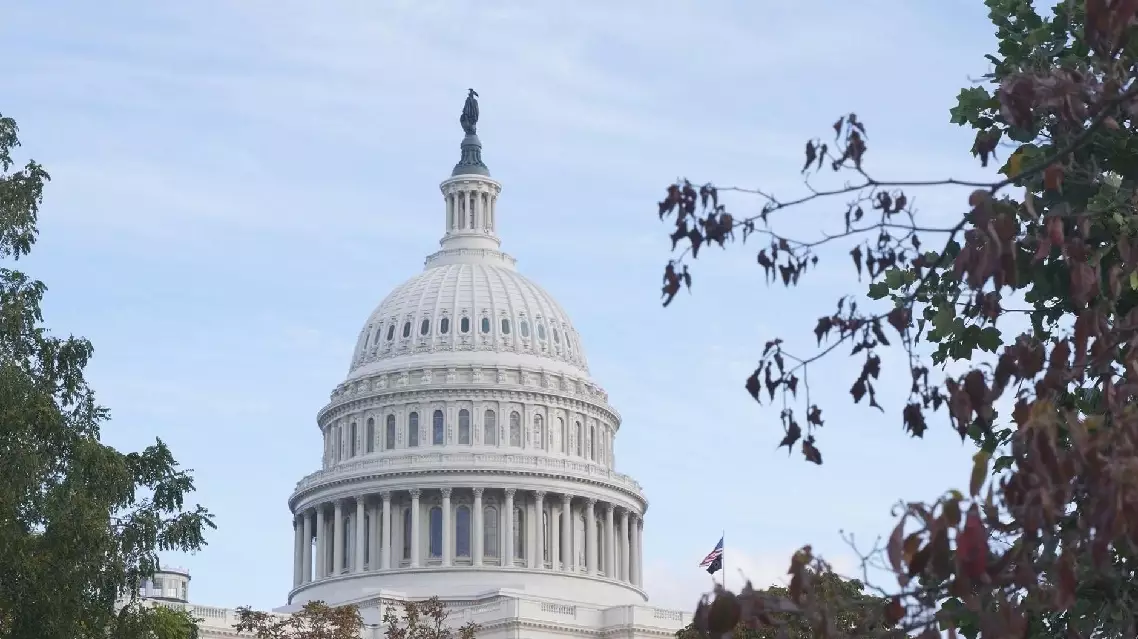
U.S. Senate approves funding package hours before shutdown deadline, funding lapse still likely
The Beijing Stock Exchange (BSE) has seen a significant expansion of its investor base, with the total number of qualified investors exceeding 10 million as of Jan 20, indicating the bourse's rising vitality and appeal.
This represents a net increase of almost 2 million accounts on the third-born of China's A-share market compared to the same period last year.
This figure marks the highest number of qualified investors since the establishment of the BSE in 2021, doubling from 4 million at its inception. In just the past five months alone, the number surged from 9 million to more than 10 million.
Experts say that the rapid growth of the investor base is attributed to the robust performance of the bourse's new share market.
Since the beginning of 2026, the frozen funds for new share subscriptions on the BSE has exceeded 1 trillion yuan (about 143.85 billion U.S. dollars), reflecting sustained high investor enthusiasm for entering the market.
"The scale of 10 million investors is a key indicator of the maturity of the Beijing Stock Exchange's market ecosystem. The impressive performance of the new stock market has validated the investment value of BSE-listed companies, attracting incremental capital inflows. And the expansion of market size and growth in investor numbers form a virtuous cycle, providing more sufficient capital support for innovation-oriented small and medium-sized enterprises," said Lu Zhe, chief economist at the Soochow Securities.
The total market capitalization of the BSE has approached to 1 trillion yuan. Data shows that the number of companies listed on the bourse has reached 290, with a total value of 949.571 billion yuan (about 136.59 billion U.S. dollars).
Meanwhile, the BSE has demonstrated strong market resilience, with the Beijing Stock Exchange 50 Index up by around 50 percent cumulatively in 2025. The benchmark index includes 50 stocks considered to be representative of the market, providing a tool to monitor the overall performance of the bourse.
Since the opening of the BSE, over 90 percent of the listed companies have cumulatively distributed 19.86 billion yuan (about 2.86 billion U.S. dollars) in cash dividends, with 16 companies having paid out dividends exceeding their total amount of funds raised through listing.
The 2025 third-quarter report shows that the average revenue of 279 BSE-listed companies stood at 520 million yuan (about 74.8 million U.S. dollars), an increase of 5.99 percent year-on-year. Their average net profit was almost 32.99 million yuan (about 4.74 million U.S. dollars).
Five companies included in the Beijing Stock Exchange 50 Index, as well as eight companies not included, have disclosed their equity distribution plans, with the combined cash distribution amounting to 358 million yuan (about 51.5 million U.S. dollars).
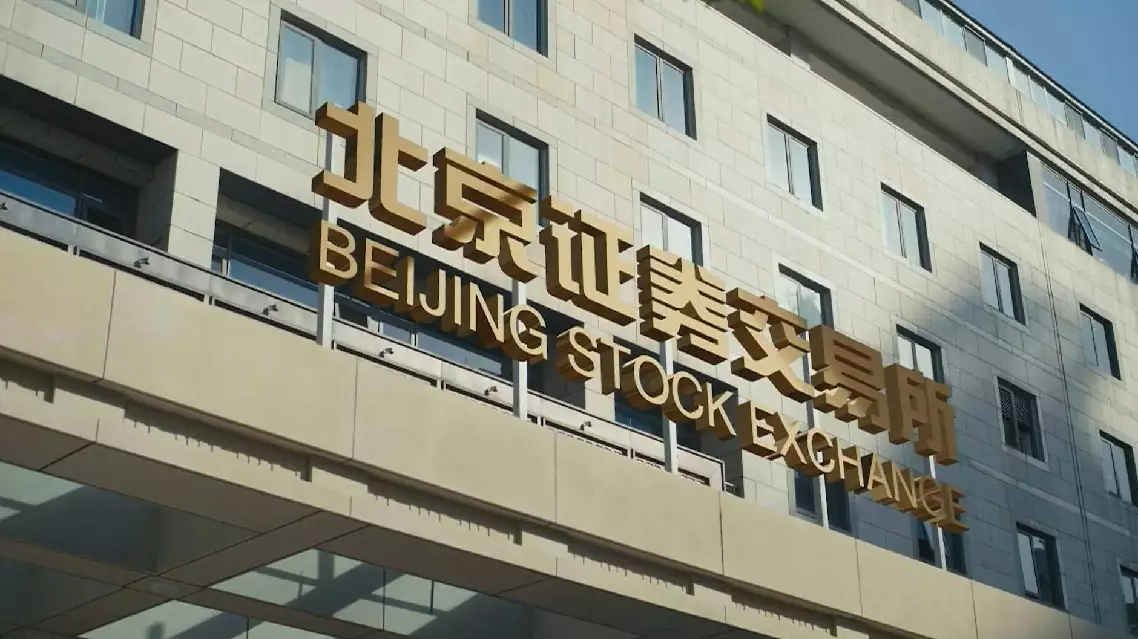
Beijing Stock Exchange sees record number of qualified investors