The China-Europe freight train service, a sprawling trade network stitching together economies across the Eurasian continent, is unleashing vast new opportunities for countries along its route through greater connectivity, paving the way for shared prosperity, said an expert on globalization.
As a cornerstone project of the Belt and Road Initiative, China-Europe freight trains have established a vast logistics network across Eurasia. As of October 2025, the service has expanded its operational network to 232 cities in 26 European countries and over 100 cities across 11 Asian countries.
At the heart of this monumental initiative is Xi'an in northwest China's Shaanxi Province, an ancient capital that served as the starting point of the ancient Silk Road for more than 1,000 years. Today, that trade legacy is reborn in the cross-continent rail network dubbed the modern "steel camel caravans."
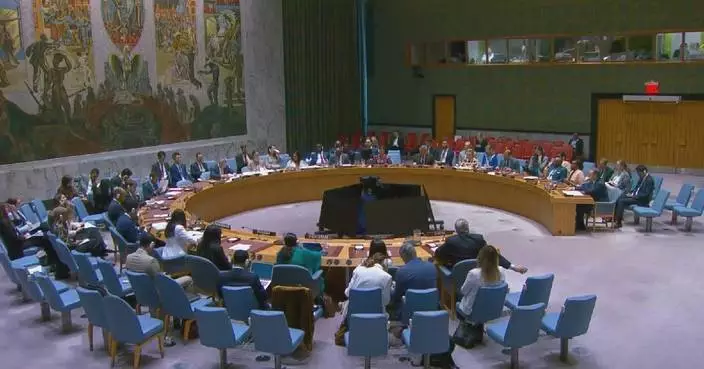
In an exclusive interview with Shaanxi Broadcasting Group, Victor Gao Zhikai, vice president of the Center for China and Globalization, expounded on how the ambitious project has emerged as a transformative force for trade and development across the Eurasian continent and beyond.
"Now we have this new connectivity, some of the lines originating from Xi'an in particular, and throughout China. There are many other cities which are the starting points of their connectivity through Xi'an to west China, to the Chinese border with Kazakhstan, and now with several other central Asian countries," he said.
This renewed connectivity is more than just a commercial route. According to Gao, it boosts productivity, raises living standards, and creates millions of jobs along its extensive network, particularly in the landlocked nations of Central Asia, who have struggled for centuries to access distant markets.
"And I think the excitement of this is that it really improves the productivity and the efficiency of moving goods back and forth, and it actually improves the living standards of the people throughout this long line of connectivity and creates millions of jobs in different countries. Especially, it is meaningful for many of the central Asian countries because many of them are landlocked, traditionally, and find it very difficult to have access to markets far away. I think this lays a much better groundwork for peace and prosperity, stability and development," said the expert.
In an era of rising protectionism and trade tensions, the China-Europe freight train service stands as a robust "champion project for free trade."
"It also serves as a major counterweight to what we witness in some other countries, like de-globalization or reverse globalization, or trying to set up artificial barriers to prevent trade among nations or even try to sabotage free trade. So, in essence, the railway and highway connectivity projects originating from Xi'an and Shaanxi in particular are a champion project for free trade. And we believe in free trade," said Gao.
The hope, Gao says, is that the opportunity and prosperity brought by these projects will bring and stability and peace to all participating nations.
"Through our connectivity on the Eurasian Continent, we believe we can turn the whole Eurasian Continent and Africa and the much larger geographical region into exciting and promising places of preserving and defending prosperity, development, stability, and peace for the benefit of all the participating nations," said the expert.
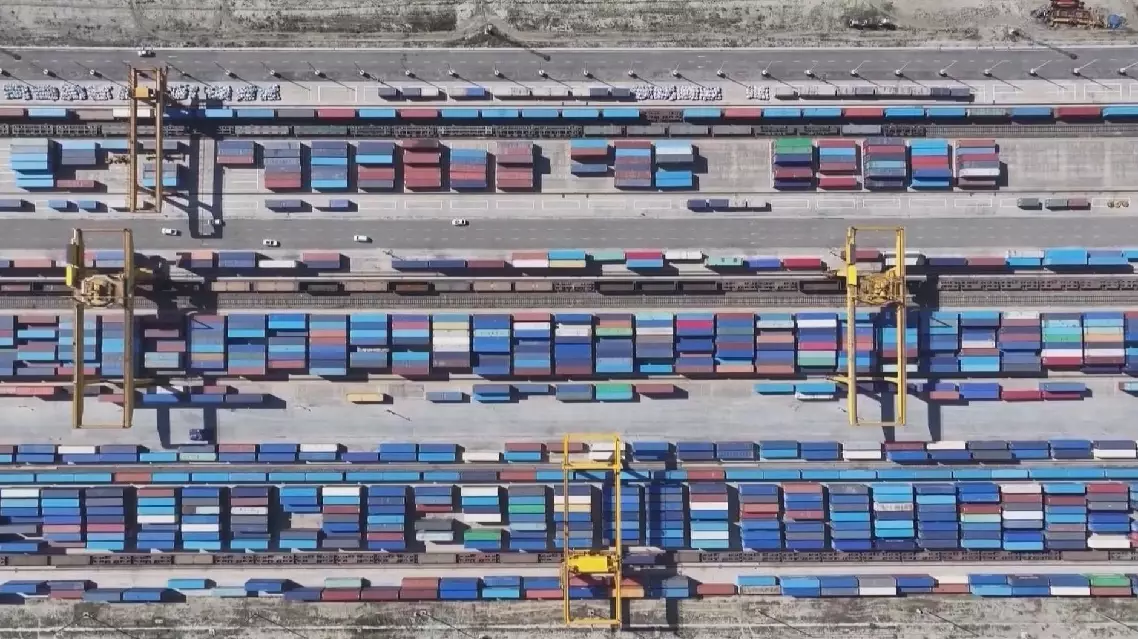
China-Europe freight train network drives Eurasian connectivity, shared prosperity: expert
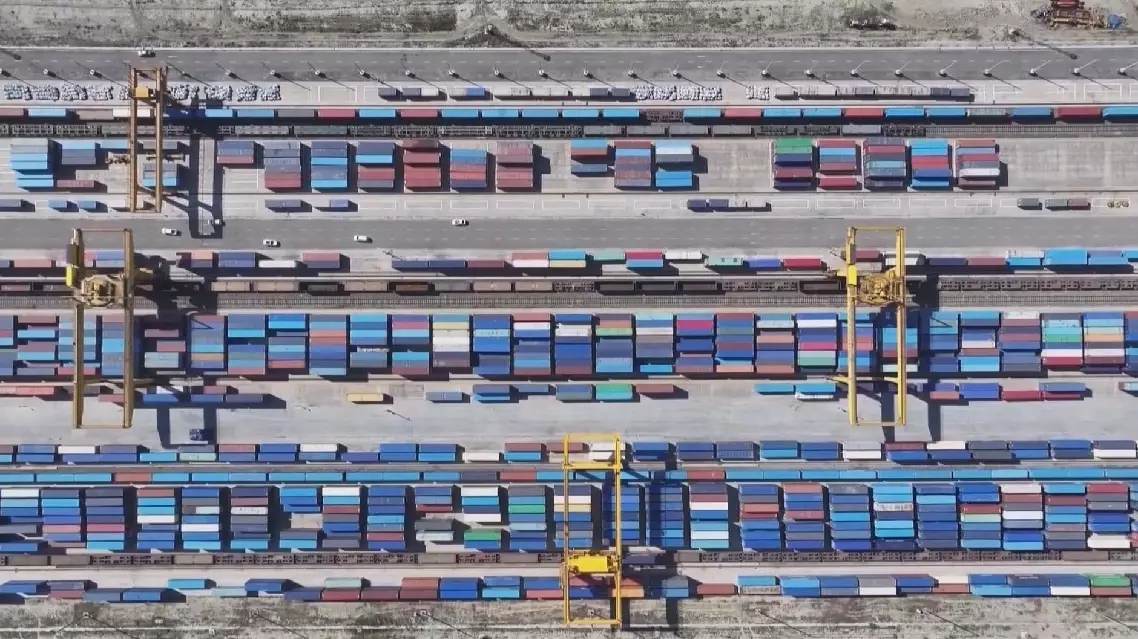
China-Europe freight train network drives Eurasian connectivity, shared prosperity: expert