China's domestic tourism reached record-breaking levels in 2025, with a total of 6.52 billion trips generating 6.3 trillion yuan (about 910 billion U.S. dollars) in revenue, according to a report released in Beijing on Friday.
The Beijing-based Jinghe Institute of Culture and Tourism released its 2025 annual report on the sector on Friday afternoon.
In 2025, urban visits rose 14.3 percent to nearly 5 billion, while rural travel surged 22.6 percent to 1.53 billion outings, according to the report.
The report highlights emerging global and domestic trends, including the integration of digital technology into cultural and tourism activities, the fusion of sports events with travel, and the growing integration of tourism and wellness.
Experts say that various high-tech solutions are reshaping the tourism industry by catering to the diverse demands of tourists and enterprises.
"The integration of virtual and real elements represents a crucial trend in the development of immersive experiences. Immersive experiences are no longer confined to physical spaces but are continuously expanding across various business formats. In today's immersive cultural and tourism sector, it is essential to capture the emotional value for every visitor and address the ever-evolving new consumption demands of the consumers," said Bu Xiting, master's mentor at the School of Cultural Industries Management of Communication University of China.
"Throughout the development of the cultural and tourism sector, the media has played an extremely important role. Once focused on one-way communication, it primarily served as a recorder and amplifier. As we enter the era of social media, I think platforms have evolved beyond merely serving as tools for recording and amplifying content. Most importantly, they have become deeply involved in resource integration, resource convergence, and the creation and dissemination of numerous brands within the cultural and tourism landscape," said Li Zhengrong, general manager of government affairs operations of social media Weibo.

China's domestic tourism hits record 6.52 billion trips in 2025
Lebanon's Health Ministry said Saturday that Israeli strikes during the latest round of fighting have killed 2,020 people and wounded 6,436 others since hostilities escalated.
The ministry said the toll reflects cumulative casualties recorded across multiple regions amid continued Israeli airstrikes and cross-border exchanges of fire.
On Saturday, the Israel Defense Forces (IDF) said that Israeli forces engaged in close-range firefights with Hezbollah militants, striking multiple targets and killing several militants while seizing various weapons. In the past 24 hours, the IDF targeted over 200 Hezbollah sites within Lebanon and continued to target Hezbollah rocket launchers to prevent attacks against Israel.
Additionally, the IDF's Home Front Command has tightened public safety guidelines, suspending or limiting educational activities in border communities, Upper Galilee, and Haifa Bay, while also restricting the size of gatherings in those areas.
Hezbollah, in its statement, claimed that its operations in southern Lebanon continued, attacking Israeli tanks and personnel. The group also targeted Israeli military infrastructure, soldiers, and vehicles in northern Israel.
The escalation followed renewed hostilities involving Hezbollah, which said it launched rockets from southern Lebanon toward Israel on March 2 for the first time since a ceasefire on Nov. 27, 2024. The exchange prompted Israel to expand its military campaign across Lebanon.
Lebanon has since been hit by sustained strikes in several areas, with fighting spreading beyond border regions into other parts of the country.
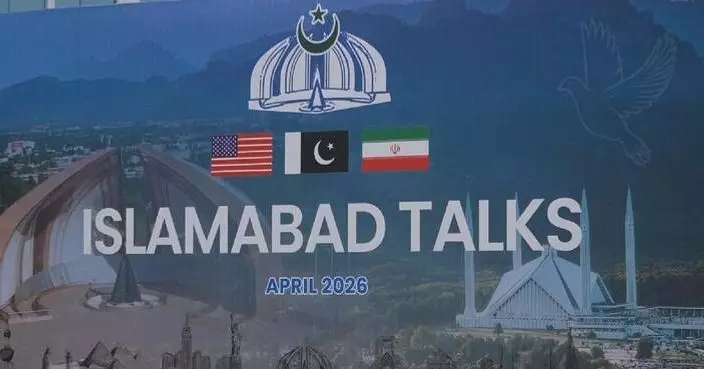
Iran and the United States agreed to a ceasefire on Wednesday. Israel said it would abide by the truce but argued the agreement does not apply to Lebanon. That assertion was rejected by Iran and by mediator Pakistan.
Israeli Prime Minister Benjamin Netanyahu said Saturday that the disarmament of Hezbollah is a prerequisite for any ceasefire agreement with Lebanon.
In a video statement, he said Lebanon had approached Israel several times over the past month seeking to begin direct talks following Israeli military actions.
"I approved this, subject to two conditions: we want to achieve the disarmament of Hezbollah, and we want a real peace agreement that will last for generations," Netanyahu said.
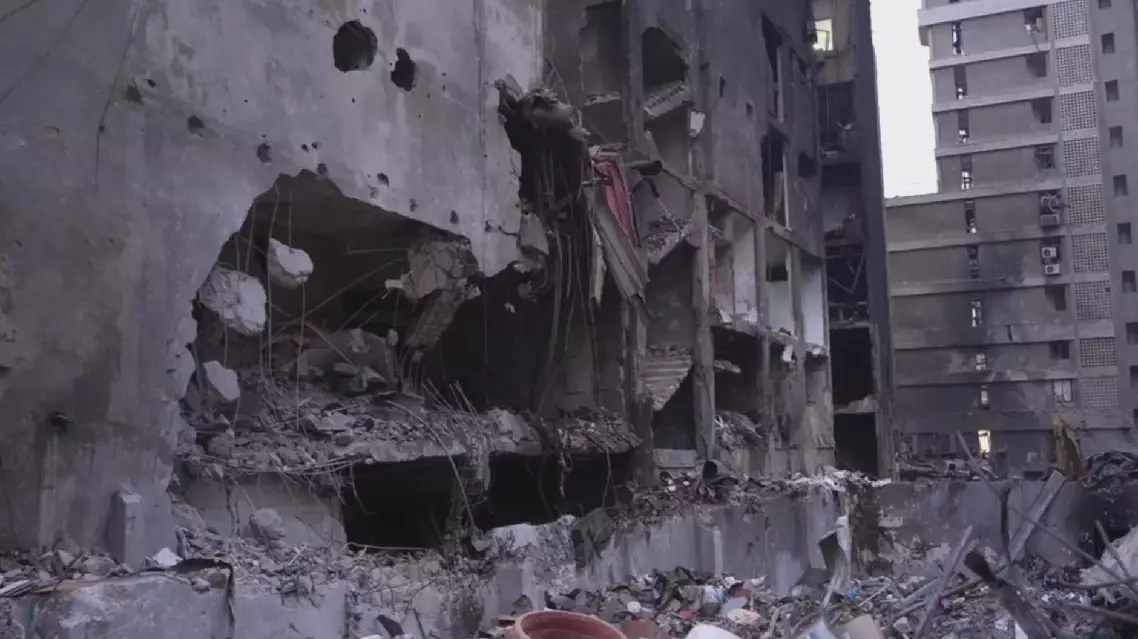
Death toll from Israeli attacks in Lebanon reaches 2,020