New evidence given by a former member of Japan's wartime Unit 731 has recently been made public, shedding further light on the notorious biological experiments carried out by Japanese troops during their invasion of China in World War II.
The Exhibition Hall of Evidences of Crime Committed by Unit 731 of the Japanese Imperial Army on Saturday released a 47-minute video featuring Hideo Sato, who was a member of the bubonic plague research squad of the Japanese germ-warfare unit during the war.
In the footage, Sato details the unit's criminal operations, including the cultivation of plague bacteria, animal vivisection and human experimentation.
Japanese scholar Fuyuko Nishisato donated the video to the exhibition hall in 2019, according to the institution, which was built on the former site of the Unit 731 headquarters in Harbin, the capital city of northeast China's Heilongjiang Province.
"I dissected over 1,000 animals, primarily guinea pigs, mice and other small animals. Hearts and lungs above the diaphragm were the only organs that we needed. The lungs showed signs of congestion and the liver and pancreas were darkened and hypertrophied. Our research aimed to weaponize the plague bacteria," said Sato.
Sato, who served in the bubonic plague research squad during 1942 to 1945, said the squad vivisected plague-infected animals under the guise of "disinfection duties." He stated that his primary role involved verifying the lethality and mortality rates of the bacteria through animal testing, with the objective of "turning the plague into a weapon."
"Unit 731 was also known as the 'rat unit.' It captured large numbers of rats across various regions and used them to breed fleas and to produce biological weapons. For this reason, the plague-infected fleas were Unit 731's trump card, because they are highly lethal and infectious and can easily spread to other regions, thus inflicting maximum casualties among Chinese soldiers and civilians," said Jin Shicheng, director of the publicity, education and exhibition department of the exhibition hall.
Sato said that Unit 731 applied a standardized work flow in all processes of bacteriological weapons production, including environmental control and hte cultivation cycle, so as to achieve mass production.
"There was a factory, which had rows of rooms serving as incubators for cultivating bacteria. If a temperature of 37 degrees Celsius was required in the rooms, the temperature would be set to 37 degrees Celsius. We also had culture dishes and we smeared bacteria inside them and would then keep them in the incubators for 24 to 48 hours to allow bacteria to reproduce. The bacteria would become our weapons," said Sato.
Jin said the industrialized production enabled the unit to produce a shocking amount of bacteria.
"The amount of bacteria that Unit 731 produced, as a member of the unit had said, was enough to wipe out all humanity," Jin said.
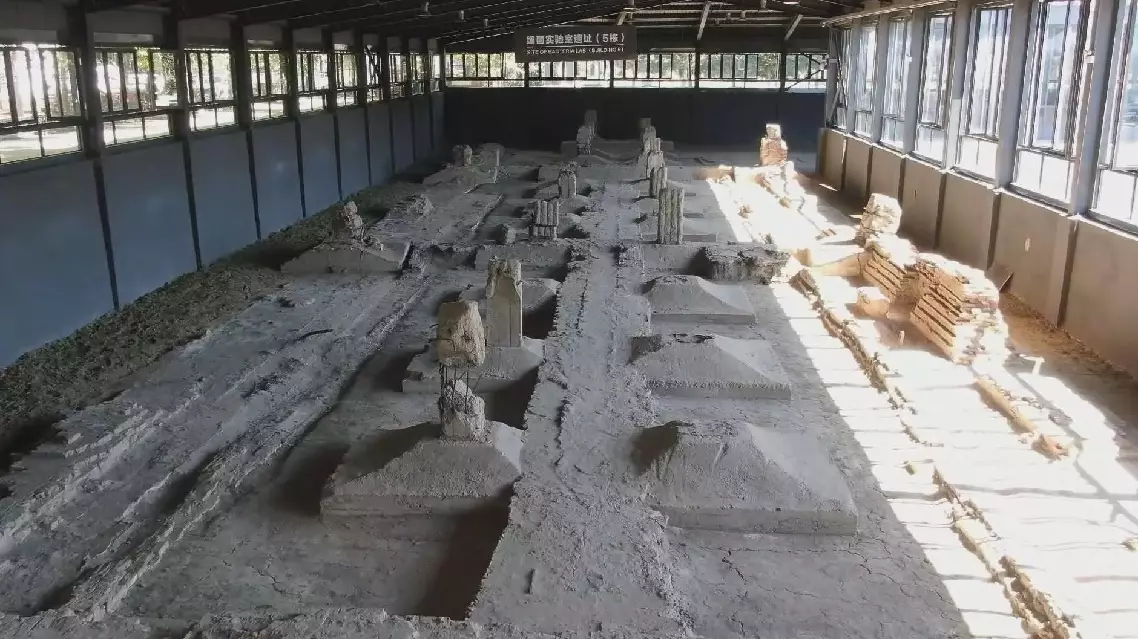
Video evidence adds details of Japan's germ-warfare crimes in China