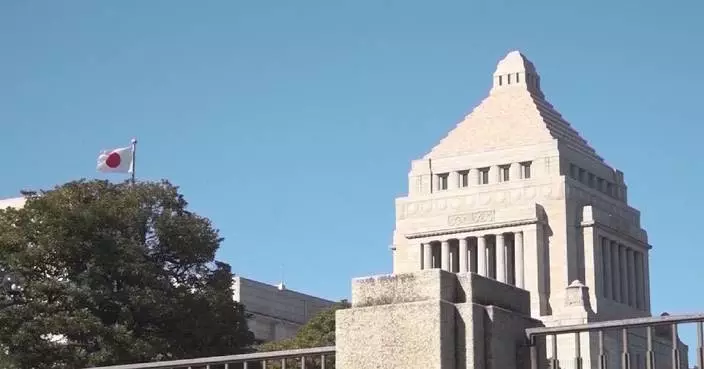
A group of Japanese people gathered in front of the Ministry of Defense in Tokyo on Monday to voice their opposition to the government's sharp increase in defense spending and its continued push for the construction of a new U.S. military base at Henoko in Okinawa.
The protesters,from different regions and age groups, expressed their strong dissatisfaction with Prime Minister Sanae Takaichi's current security policy and the heavy burden that the military base has imposed on Okinawa.
"I believe that as long as we build the military base, it will lead us toward war. I don't want Okinawa to bear more of the burden," said a protester.
"I feel very ashamed that Japan is involved in exporting military weapons, and I believe it makes people around the world feel scared. I strongly oppose arms exports and the Takaichi administration's attempt to push for war," said another protester.
During a Diet session on Nov.7, 2025, Takaichi said that the Chinese mainland's "use of force on Taiwan" could constitute a "survival-threatening situation" for Japan and implied the possibility of armed intervention in the Taiwan Strait.
The protesters also expressed their concern about the changes in security policies since Takaichi took office in October 2025, believing that related statements and policies made by the current administration are leading Japanese society as a whole toward a more dangerous direction.
"I think Japan is heading into a very dangerous situation after Takaichi took office and made the remarks regarding China-related issues, especially the Taiwan issue, indicating relations between China's Taiwan region and Japan. Meanwhile, the defense spending is also increasing," said another protester.
"In particular, Takaichi's remarks on November 7 last year at the Lower House budget committee meeting, specifically regarding the 'survival-threatening situation,' were, in my opinion, tantamount to an act of aggression against China. Japan's intervention in the Taiwan question is entirely external interference and absolutely should not be undertaken. It constitutes an act of war," said another protester.
"I feel very uneasy. I hope there will be more dialogue and alternative approaches. The defense budget seems to have no upper limit. We should consider more peaceful options instead of escalating tensions," said another protester.
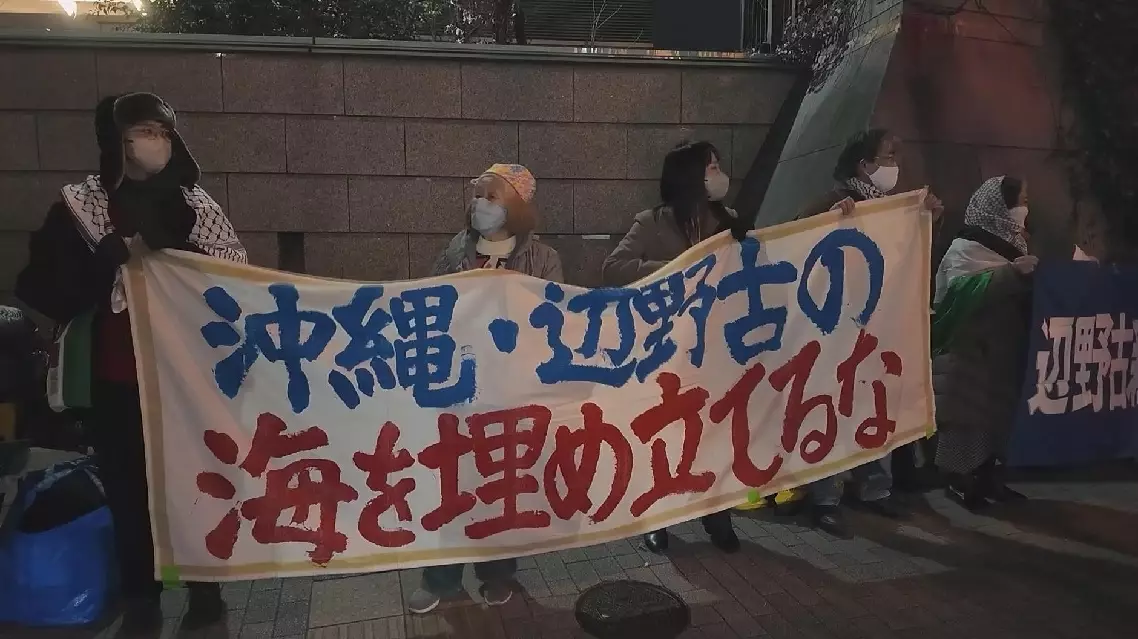
Japanese rally to protest against PM's push for military expansion