HONOLULU--(BUSINESS WIRE)--Feb 3, 2026--
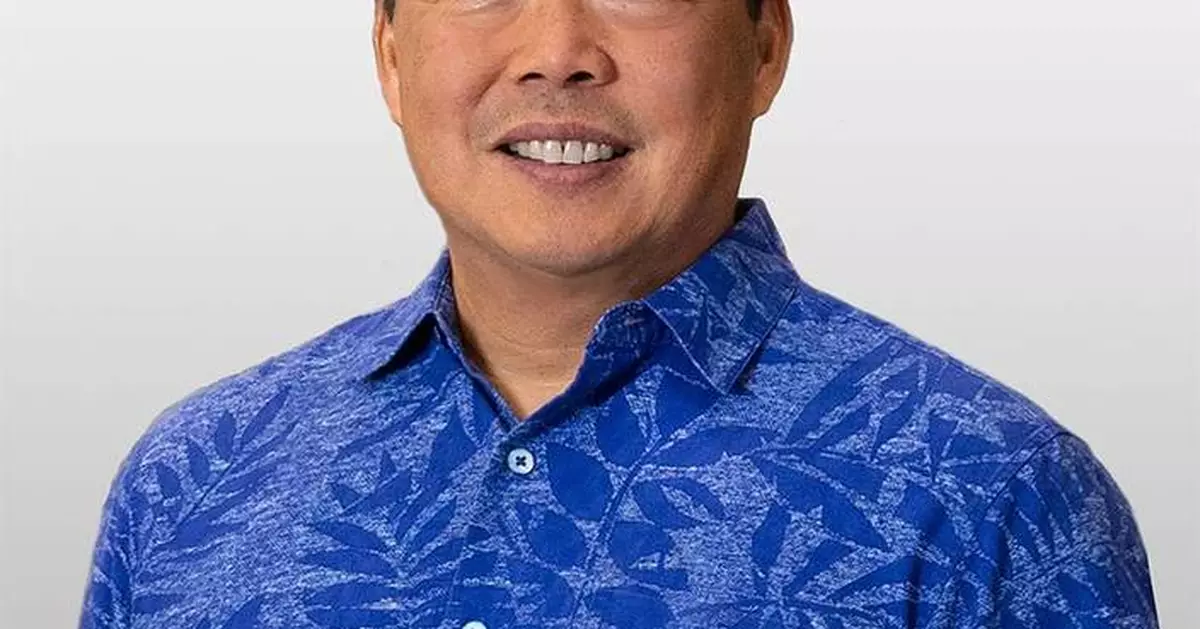
Bank of Hawai‘i announces today that Peter S. Ho, who has served as Chairman and Chief Executive Officer since 2010, will retire effective March 31, 2026. This decision is the culmination of the bank’s long-term succession plan for its CEO designed to ensure stability and continuity for the 128-year-old financial institution. To further support the transition, Ho plans to serve as a consultant to the company following his retirement through the end of 2027.
This press release features multimedia. View the full release here: https://www.businesswire.com/news/home/20260203990703/en/
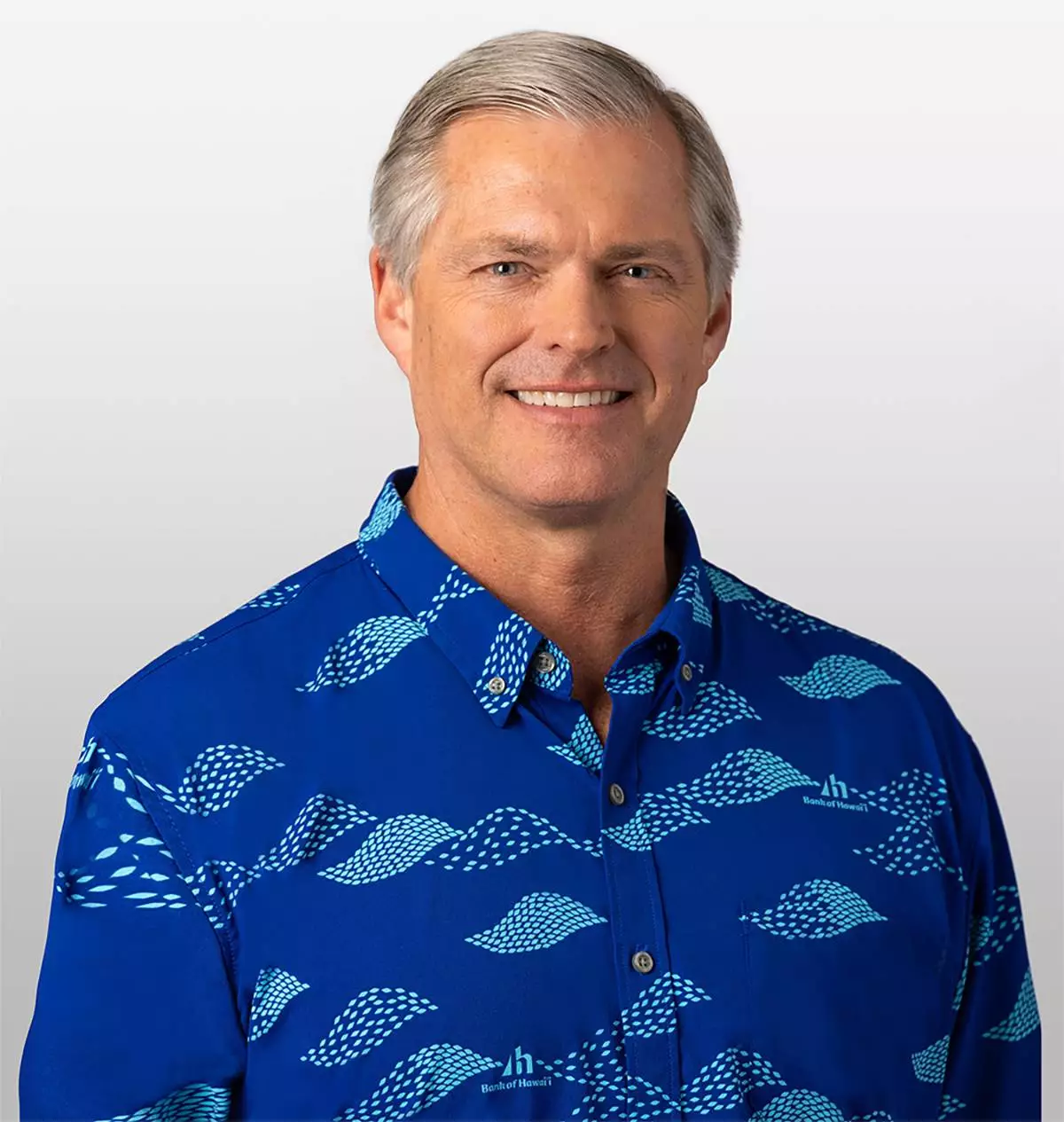
The Board of Directors unanimously selected current BOHC President and Chief Banking Officer James C. Polk to succeed Ho as President and Chief Executive Officer, upon Ho’s retirement. Polk will also join its Board of Directors. Additionally, Hawai‘i Pacific Health President and CEO Raymond P. Vara, Jr., currently BOHC’s Lead Independent Director, will assume the new role of Non-Executive Chairman of BOHC’s Board of Directors on April 1.
“To serve as CEO at Bank of Hawai‘i has been the greatest honor of my professional life,” said Bank of Hawai‘i Chairman and CEO Peter Ho. “I’ve had the privilege of leading this wonderful organization with a vision of serving our employees, customers and communities to the fullest. Our success is built on a shared commitment to the values that unite us, and a legacy of trust and service that continues to guide us forward. I’ll depart confident that Bank of Hawai‘i is in exceptional hands under Jim’s leadership.”
Ho began his banking career at Manufacturers Hanover in New York City, and in 1993, he returned home to join Bank of Hawai‘i, where he advanced through senior leadership roles. In 1999, he was promoted to Senior Vice President overseeing Corporate Banking, becoming the bank’s youngest SVP. In 2001, Ho was named Executive Vice President of Corporate Banking and Commercial Real Estate Lending. And in 2003, he was promoted to EVP leading the entire Hawai‘i Commercial Banking Group and joining BOH’s Executive Committee. One year later, he became Vice Chair of Investment Services. In 2006, Ho was named Chief Banking Officer. In 2008, he was named president; and in 2010, Ho was appointed Chairman and CEO. He holds a bachelor’s degree and an MBA in business administration from the University of Southern California and is a graduate of the Advanced Management Program at Harvard Business School.
Ho is the third-longest tenured CEO in Bank of Hawai‘i history (after Clarence Hyde Cooke, CEO from 1909-1937, and Edward Carden, CEO from 1937-1955). Under Ho’s leadership, Bank of Hawai‘i consistently delivered solid results, receiving multiple accolades for its financial performance, including being named one of “America’s Best Banks” by Forbes magazine for 15 consecutive years, and listed among “America’s Most Trustworthy Companies” by Newsweek magazine for the last four years in a row, and is the only company selected in the state.
Ho championed a culture of innovation at Bank of Hawai‘i that embraced transformation initiatives, including its signature Branch of Tomorrow concept, modernization of its mobile and online banking platforms, and enhancements to its Call Center.
Over the years, Ho has been chosen to provide leadership in a variety of capacities, including serving as a director of the Federal Reserve Bank of San Francisco for two consecutive terms from 2013 to 2018. He also served as vice chair of the state of Hawai‘i’s House Select Committee on COVID-19 Economic and Financial Preparedness, and as Chair of the APEC Hawai‘i Host Committee in 2011.
A champion for community involvement and civic duty, Ho serves on the boards of many local nonprofits, including Hawai‘i Community Foundation and Mental Health America of Hawai‘i. He has spearheaded initiatives that strengthen communities. For example, he launched the bank’s annual Live Kōkua Giving Campaign in 2010, which has raised more than $9.4 million since its inception to support nonprofit organizations across Hawai‘i and the West Pacific region. For employees, Ho established the Bank of Hawai‘i College Assistance Program that covers 100% tuition for employees seeking a first degree. And during the pandemic, “Bankoh Meals-To-Go” was Ho’s brainchild, keeping the company’s two café restaurants in business while providing food donations to Aloha Harvest and free weekly meals for employees and their families for nearly 100 consecutive weeks.
In recognition for his service, Ho was named 2003 Young Businessperson of the Year by Pacific Business News, was recognized as the state’s Distinguished Citizen by the Boy Scouts of America–Aloha Council in 2012, and was the recipient of the Naval Heritage Award from the U.S. Navy Memorial Foundation in 2016.
“On behalf of the Bank of Hawai‘i Board of Directors, I want to express our deepest gratitude to Peter for decades of unwavering leadership and dedication,” said Raymond Vara. “His remarkable career, spanning more than 30 years, has been defined by progressive roles that strengthened the company and a steadfast commitment to community causes that have touched countless lives.”
Vara continued, “As we look ahead, we are thrilled to welcome Jim as the next CEO. He brings a strong foundation of continuity and strategic execution, coupled with deep institutional knowledge of the bank as well as the business landscape here in Hawai‘i. His experience will be invaluable as we continue to build on the bank’s legacy of excellence and service to our customers and communities.”
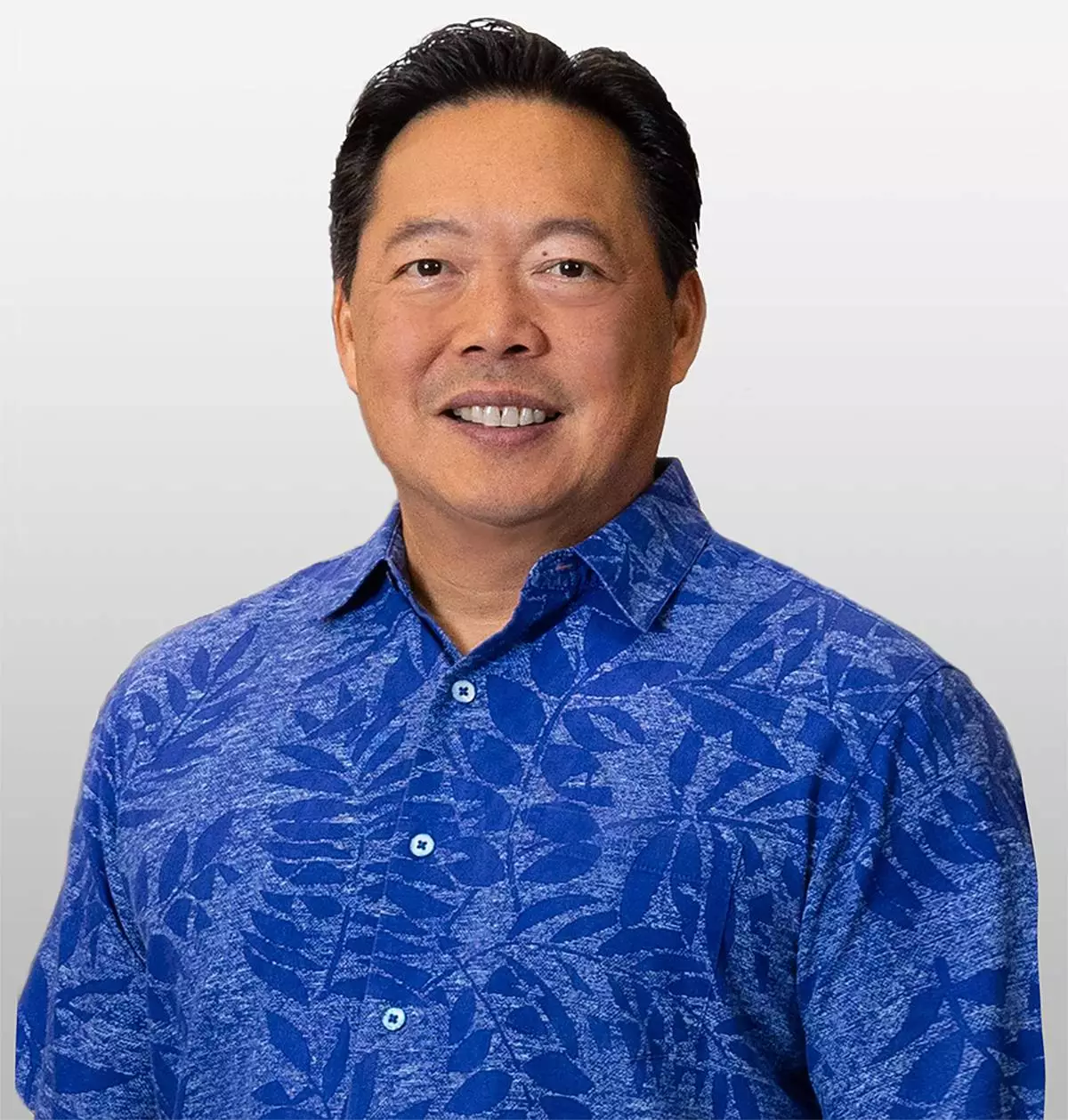
On April 1, President James C. Polk will add the role of Chief Executive Officer to his title, and will join the Board of Directors of Bank of Hawai‘i Corporation. With over 35 years of experience in the financial services industry, Polk will become the 16 th CEO in Bank of Hawai‘i’s 128-year history.
“I’m deeply grateful to assume the role of CEO in April, and I’m immensely appreciative of the trust placed in me by Peter and the Board,” said James Polk. “I look forward to building upon the strategy that has served this company well for decades, and driving forward a culture of innovation, trust and commitment to the communities who rely upon us.”
Polk joined the bank in 1999, and has since served in multiple leadership roles, overseeing many major areas, including Commercial Banking, Retail Lending, Deposits, Mortgage Banking, The Private Bank and Branch Banking. In 2006, Polk was promoted to EVP and Pacific Islands Division Manager, overseeing the bank’s West Pacific region. In 2009, he advanced to Senior Executive Vice President and Manager of the bank’s Hawai‘i Commercial Banking Division, and was also named a member of the bank’s Executive Committee. In 2016, Polk was promoted to vice chair, and in 2021 to chief banking officer.
As part of the company’s considered succession plan, Polk was named President in July 2024, becoming responsible for all of the bank’s revenue-generating businesses: Commercial Banking, Merchant Services, Cash Management, Wealth Management and Retail Banking (including Branch Banking and the Contact Center).
A strong community and employee advocate, Polk serves on the boards of the Hawaii Medical Service Association (HMSA) and AfterSchool AllStars Hawai‘i, and he is the executive sponsor of the bank’s employee-resource group, Nā ‘Ōiwi Aloha, which strives to create opportunities for Native Hawaiians and allies to engage in dialogue and culture.
Polk earned his bachelor’s degree in economics from the University of Michigan and is a graduate of Harvard Business School’s Advanced Management Program, as well as a graduate of the Pacific Coast Banking School at the University of Washington.
About Bank of Hawai‘i
Bank of Hawai‘i Corporation is a regional financial services company serving businesses, consumers and governments in Hawai‘i and the West Pacific. The Company’s principal subsidiary, Bank of Hawai‘i, was founded in 1897 and offers customers branch, ATM network, convenient 24-hour telephone, internet and mobile banking services. Bank of Hawai‘i Corporation and its subsidiaries offer a wide range of financial products and services, including deposit and lending services, investments, trust services, private banking, leasing, mortgage, insurance. Bank of Hawai‘i also remains steadfast in its commitment to supporting the communities it serves. Additional information about the bank can be found atwww.boh.com.

Raymond P. Vara, Jr.
James C. Polk
Peter S. Ho