WILMINGTON, Del. (AP) — A Delaware man who was once married to former first lady Jill Biden decades ago remains in jail on first-degree murder charges as authorities investigate the death of his wife, who was found unresponsive in their home late last year.
William Stevenson, 77, of Wilmington was charged Monday in a grand jury indictment with killing his wife, Linda Stevenson, 64, on Dec. 28. He has remained in jail after failing to post $500,000 bail, authorities said. Investigators have not disclosed a motive.
Click to Gallery
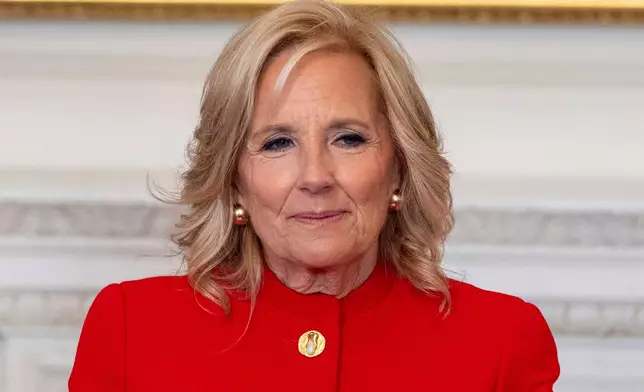
FILE - First lady Jill Biden speaks during an event at the White House in Washington, Jan. 16, 2025. (AP Photo/Alex Brandon, File)
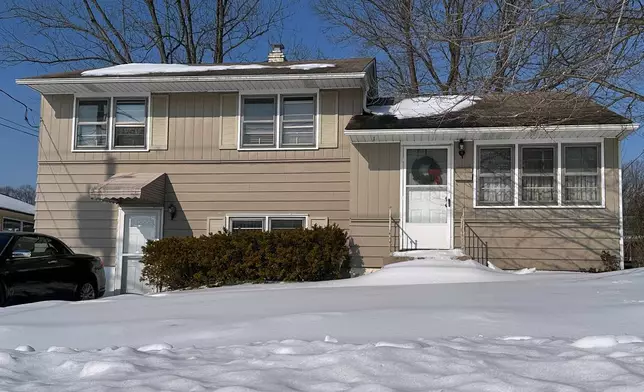
The home of William Stevenson, the ex-husband of former first lady Jill Biden, is shown in Wilmington, Del., Tuesday, Feb. 3, 2026. Stevenson has been charged in the killing his current wife at the home. (AP Photo/Mingson Lau)
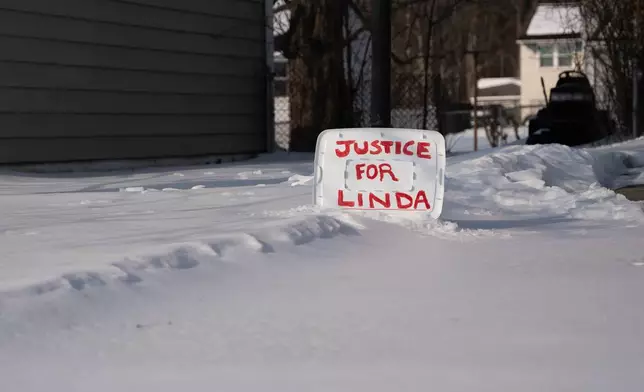
A sign reading "Justice for Linda" is seen in a yard near the home of William Stevenson, the ex-husband of former first lady Jill Biden, in Wilmington, Del., Tuesday, Feb. 3, 2026. (AP Photo/Mingson Lau)
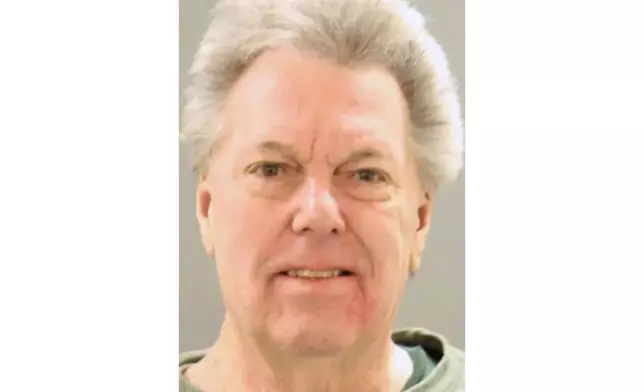
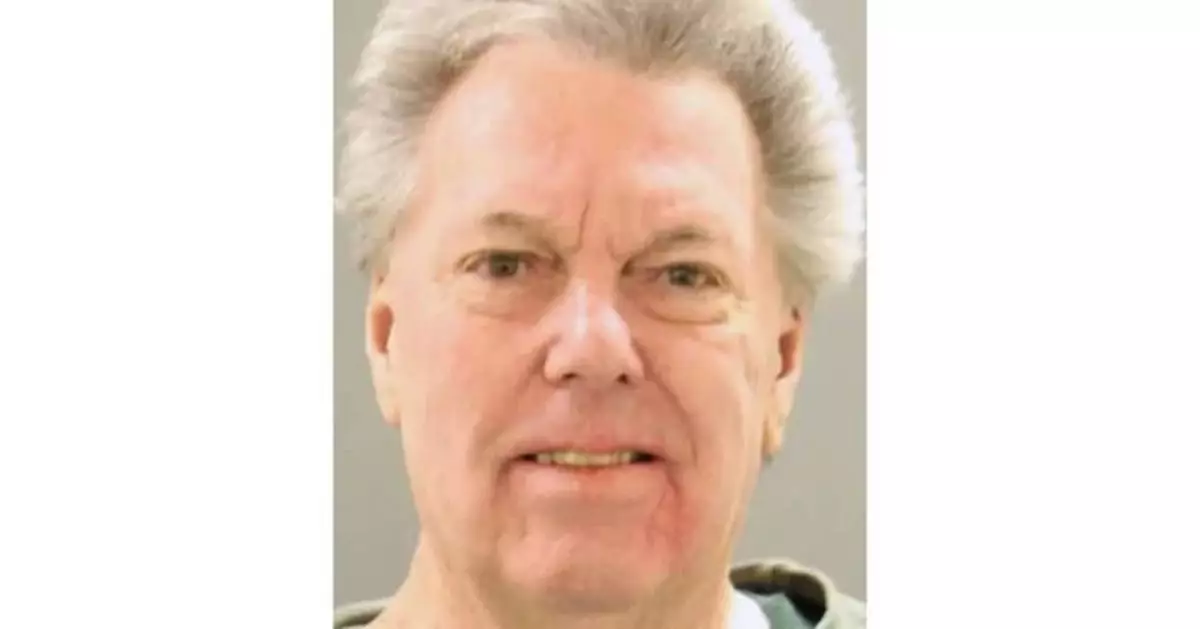
This undated photo released by New Castle County Police, Del., on Tuesday, Feb. 3, 2026, shows William Stevenson. (New Castle County Police via AP)
Police say they were called to the couple’s home shortly after 11 p.m. for a reported domestic dispute and found a woman unresponsive in the living room, according to a previous news release. Life-saving measures were unsuccessful.
Stevenson was charged following a weekslong investigation by detectives in the Delaware Department of Justice. It was not immediately clear whether Stevenson has an attorney. The Associated Press left a voicemail at a phone number and sent emails to addresses associated with him seeking comment. Court records made public so far do not list a defense lawyer, and charging documents detailing the allegations have not been released.
Linda Stevenson ran a bookkeeping business and was described in her obituary as a family-oriented mother and grandmother and a Philadelphia Eagles fan. The obituary does not mention her husband.
In a statement posted on Facebook, Linda Stevenson's daughter Christine Mae described her mother as an avid reader and a dedicated runner. The mother-daughter duo would participate in a monthly 5k to support local charities, she wrote.
“One hug from her and all your worries would disappear,” Mae wrote. “The pain of losing her is paralyzing and the emptiness in my heart is an abyss.”
In her post, Mae also expressed frustration that coverage of the case has focused on Stevenson’s past marriage to Jill Biden rather than on her mother’s life. She said Linda Stevenson “deserves her own story” and should not be reduced to being described in relation to her husband’s former spouse.
Mae was not available for further comment.
Stevenson was married to Jill Biden from 1970 to 1975. Jill Biden married U.S. Sen. Joe Biden in 1977. He served as U.S. president from January 2021 to January 2025. A spokesperson for former U.S. President Joe Biden and first lady said Jill Biden declined to comment on Monday.
William Stevenson founded the Stone Balloon, a popular music venue in Newark, Delaware, in the early 1970s.
In her 2019 memoir, Jill Biden wrote about meeting Stevenson while she was a student at the University of Delaware and marrying him at age 18.
Jill Biden said she fell in love with a “tall ex-football player” who drove a yellow Camaro and who her parents “loved." She described him as charismatic and entrepreneurial and wrote that she believed she had found a partnership “built on loyalty and devotion.”
“Looking back, it may seem like that relationship was a mistake of youth,” she wrote, adding that there was a time when she truly believed they were “destined for each other.”
Jill Biden wrote that the marriage later unraveled as they grew in different directions, calling its collapse “the biggest disappointment of my young life.”
She wrote that she ultimately decided not to “settle for a counterfeit love.” She said that the divorce underscored for her the importance of financial independence, a lesson she said she later passed on to her daughters and to young women she taught.
In the memoir, Jill Biden wrote that she had “absolutely no interest in politics” at the time she married her first husband, but that Stevenson became increasingly engaged in the long-shot 1972 U.S. Senate campaign of Joe Biden. She wrote that she began seeing campaign materials at their home and attended the election-night celebration, where she met Biden’s first wife, Neilia.
In a 2024 interview with the conservative outlet Newsmax, Stevenson criticized Jill Biden and described their divorce as contentious, calling her “bitter” and “nasty.”
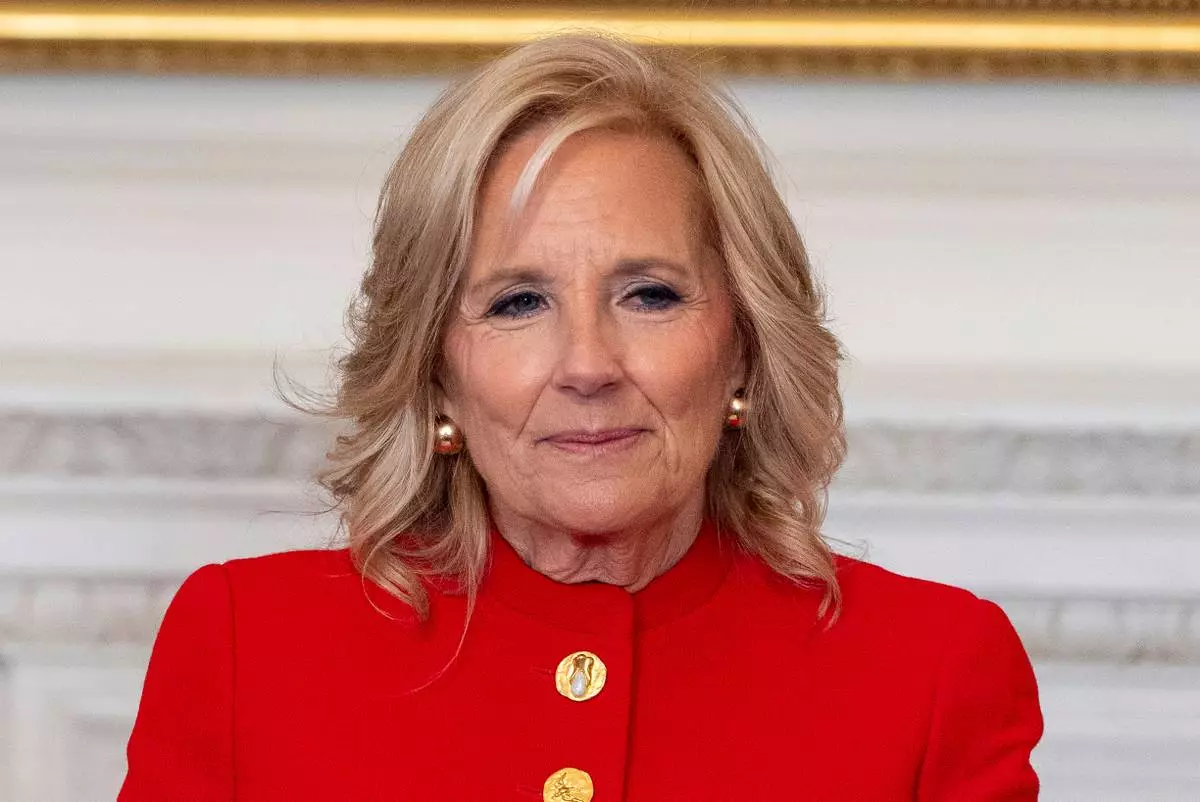
FILE - First lady Jill Biden speaks during an event at the White House in Washington, Jan. 16, 2025. (AP Photo/Alex Brandon, File)
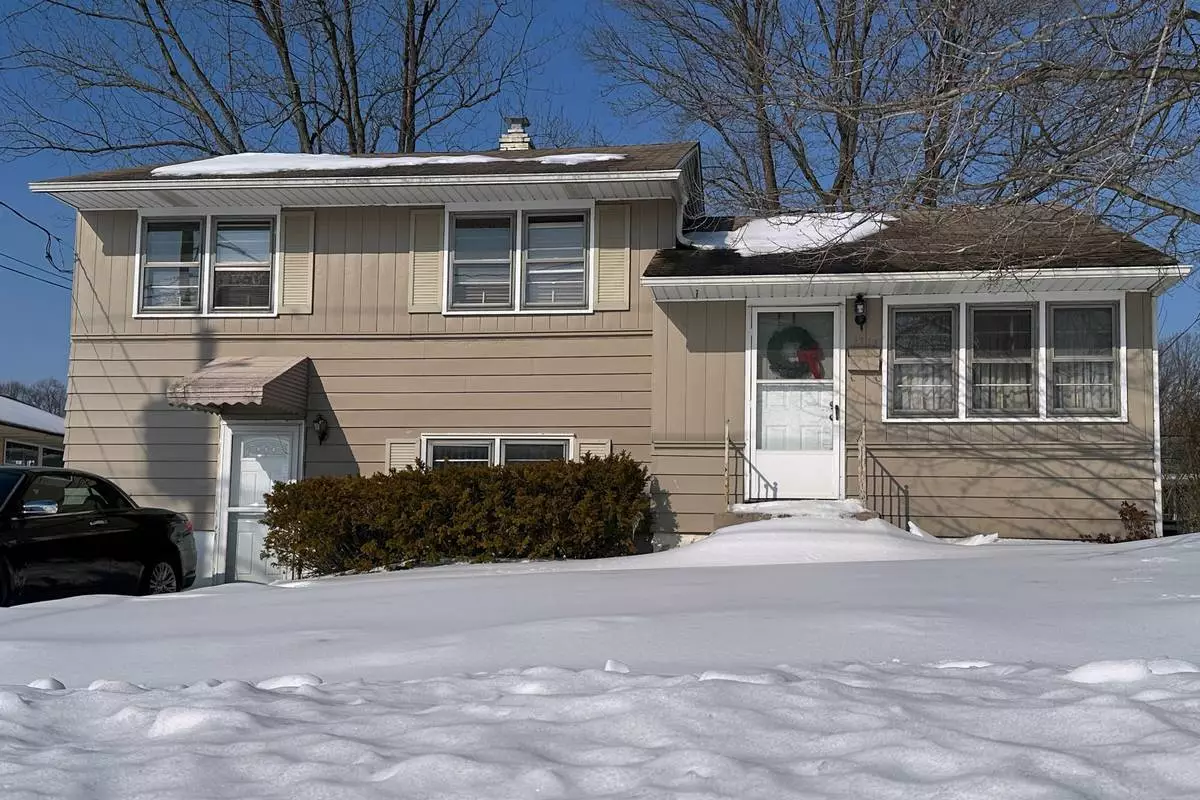
The home of William Stevenson, the ex-husband of former first lady Jill Biden, is shown in Wilmington, Del., Tuesday, Feb. 3, 2026. Stevenson has been charged in the killing his current wife at the home. (AP Photo/Mingson Lau)
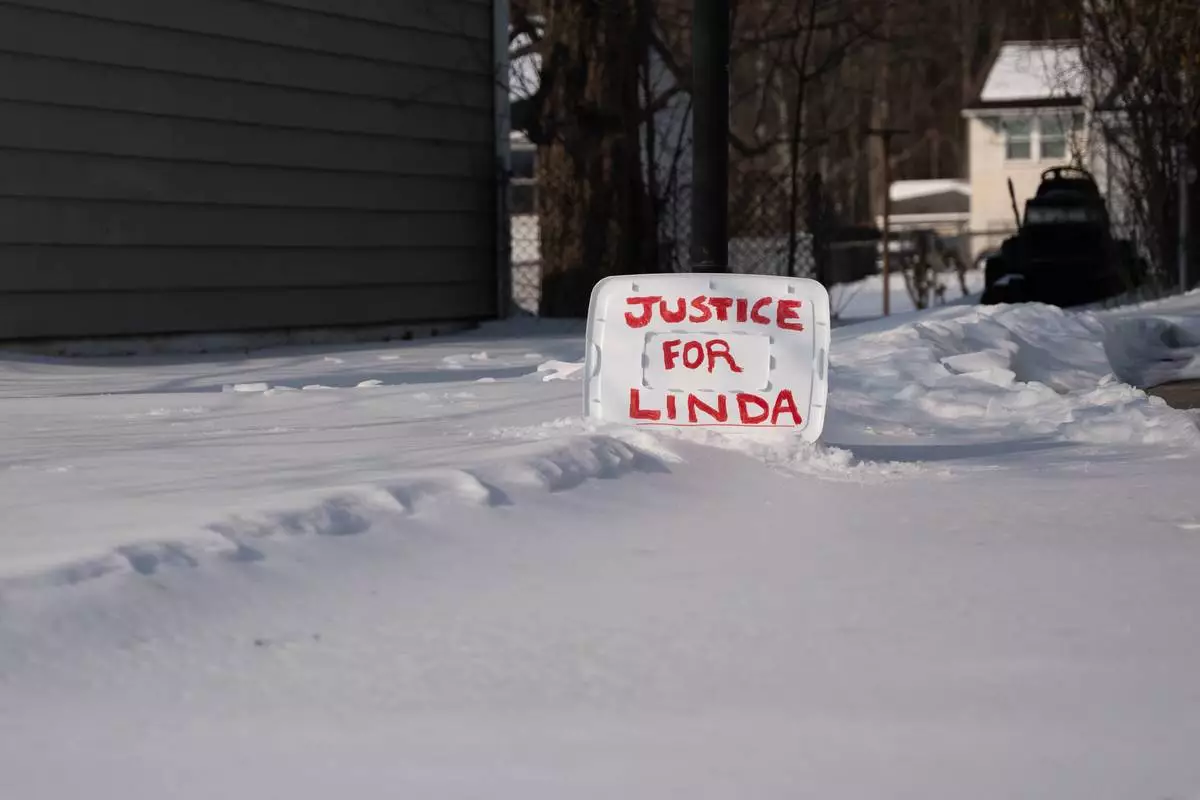
A sign reading "Justice for Linda" is seen in a yard near the home of William Stevenson, the ex-husband of former first lady Jill Biden, in Wilmington, Del., Tuesday, Feb. 3, 2026. (AP Photo/Mingson Lau)
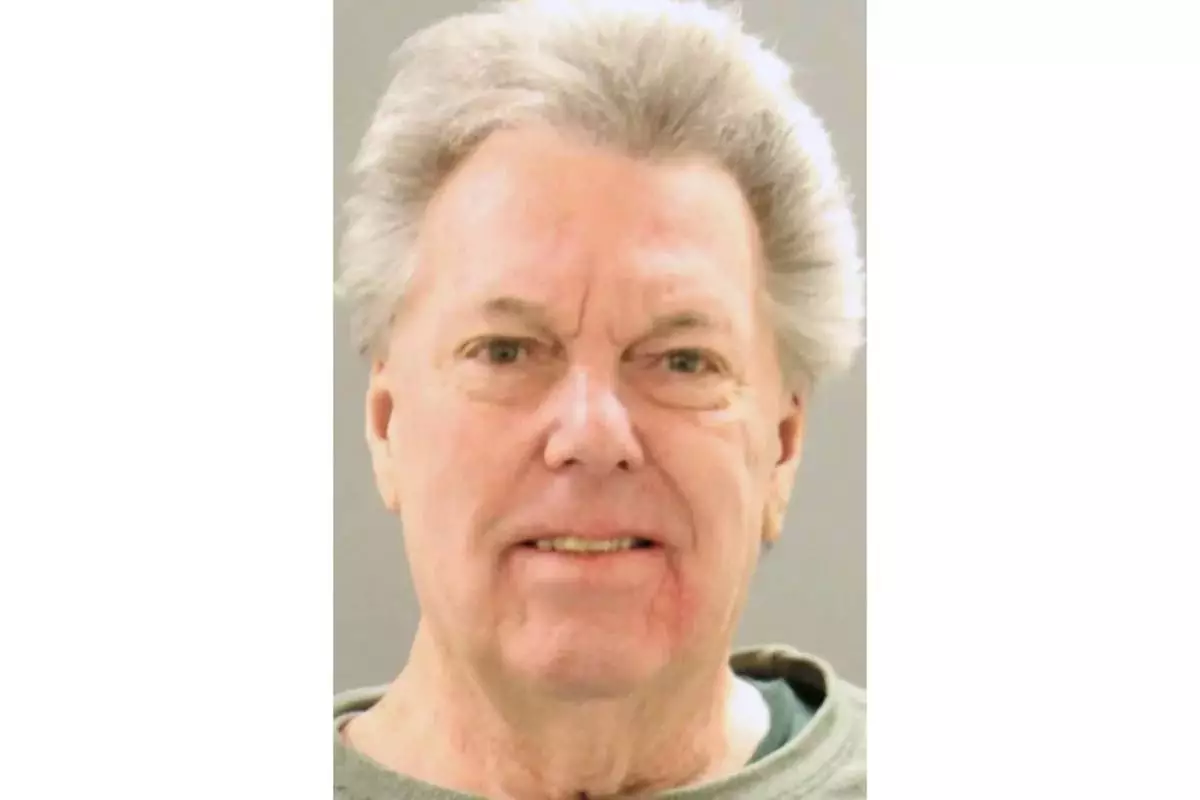
This undated photo released by New Castle County Police, Del., on Tuesday, Feb. 3, 2026, shows William Stevenson. (New Castle County Police via AP)
NASHVILLE, Tenn. (AP) — A new Tennessee law has eased up on two longstanding financial hurdles for people with felony sentences who want their voting rights back, including a unique requirement among states that they must have fully paid their child support costs.
The Republican-supermajority Legislature approved the Democratic-sponsored change, which now lets people prove they have complied for the last year with child support orders, such as payment plans. The legislation also unties the payment of all court costs from voting rights restoration.
Advocates for years have sought various changes to Tennessee’s voting rights restoration system at the statehouse and in court. They say loosening these two rules marks the biggest rollback of restrictions to voting rights restoration in decades.
“This is huge and this is history,” said Keeda Haynes, senior attorney for the advocacy group Free Hearts led by formerly incarcerated women like her.
Most Republicans voted for it and Democrats supported it unanimously. The law took effect immediately upon Republican Gov. Bill Lee's signature last week.
“I think people are at a point where they want to just remove the barriers out of the way and allow people to be fully functional members of society,” said Democratic House Minority Leader Karen Camper, a bill sponsor.
In 2023, the state decided gun rights were required to restore the right to vote, and shelved a paperwork process that didn't require going to court. Election officials said a court ruling made the changes necessary, though voting rights advocates said officials misinterpreted the order.
Last year, lawmakers untangled voting and gun rights. But voting rights advocates opposed some of the bill's other provisions, such as keeping the process in the courts, where costs can rack up if someone isn't ruled indigent.
Easing up on the financial requirements uncommonly split legislative Republicans. For instance, Senate Speaker Randy McNally voted against it, while House Speaker Cameron Sexton supported it, noting that people aren't getting forgiveness on making their payments.
“They need to continue paying that, and as long as they do, then there’s a possibility (to restore their voting rights)," Sexton said. "I really think that’s harder for people to argue against than maybe what something else was.”
Republican Rep. Johnny Garrett, who voted no, said in committee his vote would hinge on whether “there still can be an (child support) arrearage owed beyond that 12 months.”
For some, backed-up child support payments could reach hundreds or thousands of dollars, and court costs could be hundreds or thousands more, said Gicola Lane, Campaign Legal Center's Restore Your Vote community partnership senior manager.
Advocates credited their narrowed focus, omitting goals such as automatic restoration of rights, no longer tying restitution payments to voting rights, or offering a path for certain people to restore their right who are permanently disenfranchised, including those convicted of voter fraud or most murder charges.
The bill passed the Senate last year and the House this year.
Lawmakers gave the child support requirement final passage in 2006 within an overhaul bill that also created a voting rights restoration process outside of court. Critics said the child support rule penalized impoverished parents.
Democrats were then narrowly hanging onto legislative leadership in both chambers. Republicans held a slim Senate majority but GOP defectors voted for a Democratic speaker.
Last year marked the dismissal of a five-year-old federal lawsuit over Tennessee’s voting-rights restoration system. Free Hearts and the Campaign Legal Center represented plaintiffs in the long-delayed case, which saw some election policy changes along the way.
Roughly 184,000 people have completed supervision for felonies and their offenses don't preclude them from restoring their voting rights, according to a plaintiffs expert’s 2023 estimate in the lawsuit. About one in 10 were estimated to have outstanding child support payments, and more than six in 10 owed court courts, restitution or both, the expert said.
Both Republican and Democratic-led states have eased the voting rights restoration process in recent years. Some states have added complexities.
In Florida, after voters approved a constitutional amendment in 2018 restoring the right to vote for people with felony convictions, the Republican-controlled Legislature watered that down by requiring payment of fines, fees and court costs.
Voting rights are automatically restored upon release in nearly half of states. In 15 others, it occurs after parole, probation or a similar period and sometimes requires paying outstanding court costs, according to the National Conference of State Legislatures. In Maine and Vermont, people with felonies keep their voting rights in prison, the NCSL says.
Ten other states including Tennessee require additional government action. Virginia ’s governor must intervene to restore voting rights of people convicted of felonies. In some states, including Tennessee, certain conviction types render someone ineligible.
However, Virginia lawmakers this year have passed a proposed state constitutional amendment to ask voters whether they want automatic voting rights restoration after someone is released from prison. Kentucky lawmakers have proposed a similar change for voters' consideration that would automatically restore voting rights after certain completed sentences, including probation.
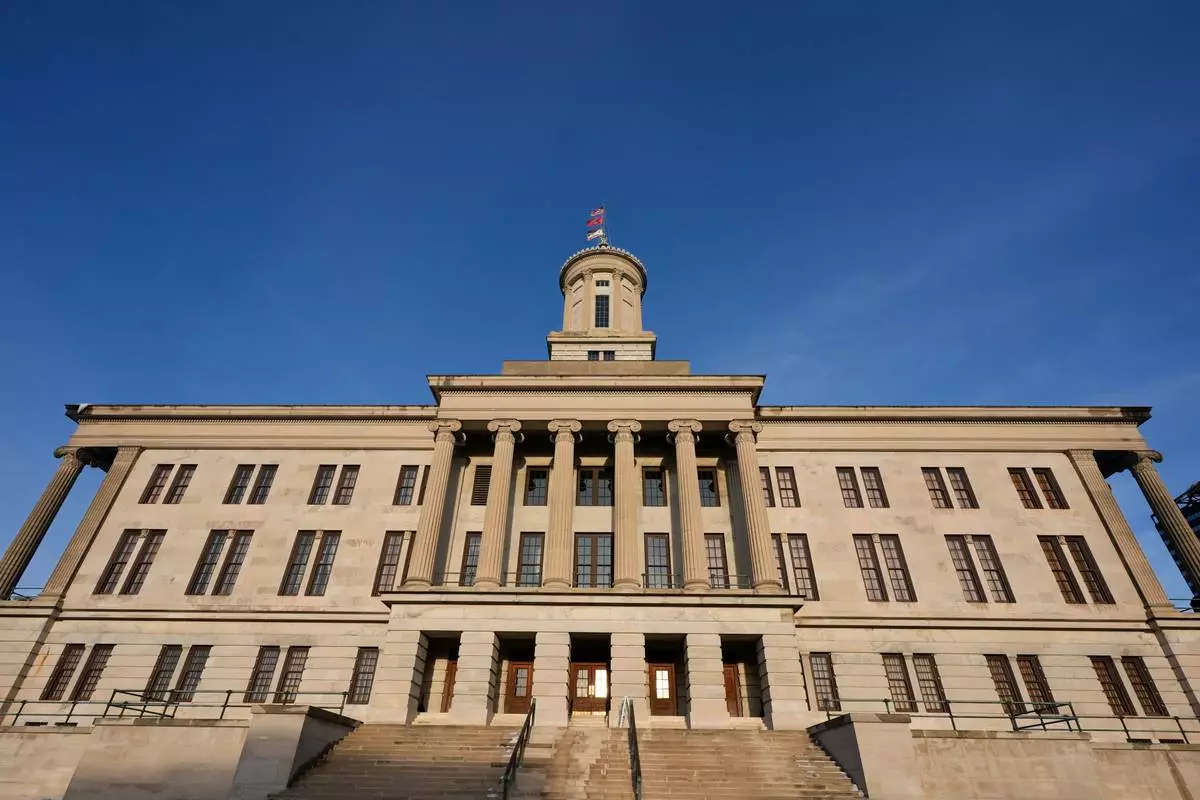
FILE - The Tennessee Capitol is seen, Jan. 22, 2024, in Nashville, Tenn. (AP Photo/George Walker IV, File)