China's economy exceeded 140 trillion yuan (over 20 trillion U.S. dollars) in 2025, with several provinces and cities crossing new GDP thresholds, signaling sustained momentum and more balanced regional development at the outset of the country's 15th Five-Year Plan (2026-2030) period.
Figures from the National Bureau of Statistics showed the country's total GDP enjoyed a 5-percent year-on-year growth last year, reflecting a steady overall economic expansion, while regional data from across the country also pointed towards a more balanced level of growth.
The data represents a strong end to China's 14th Five-Year Plan period (2021-2025), as the country now begins its new five-year planning cycle under the 15th Five-Year Plan (2026-2030), a key blueprint which maps out the clear economic development priorities for the years ahead.
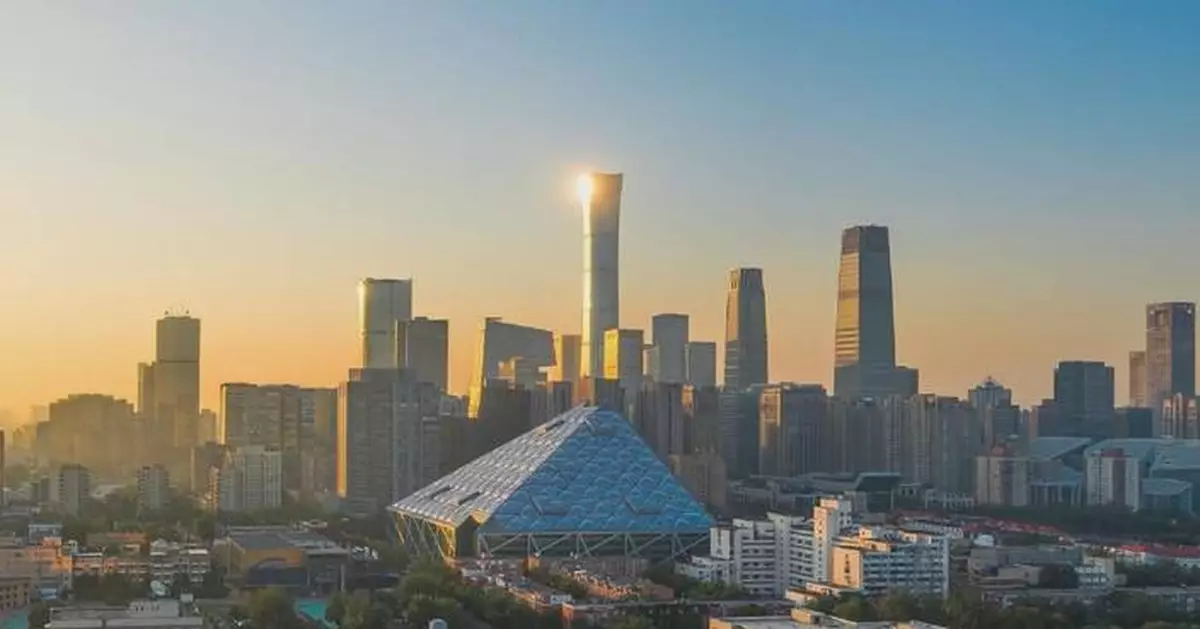
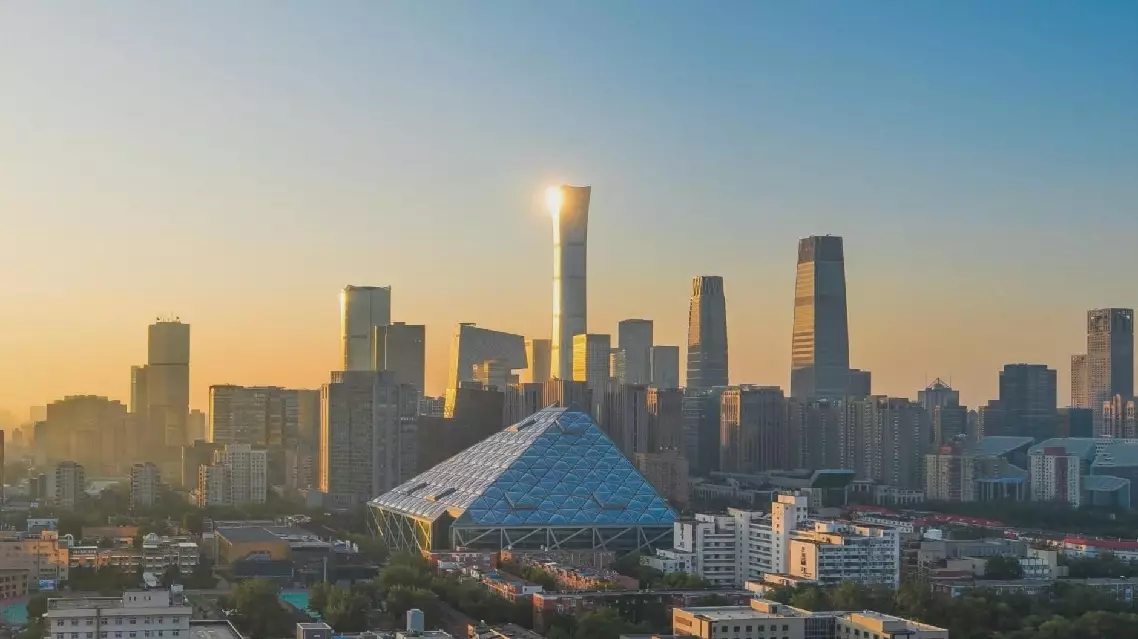
The megacities of Beijing and Shanghai have cemented their positions among the world's top urban economies as Beijing's GDP surpassed 5 trillion yuan for the first time, making it the country's second "5-trillion-yuan city" after Shanghai, which exceeded 5.6 trillion yuan in 2025. Both now rank within the global top ten by urban economic output.
In another landmark moment for regional growth, east China's Shandong Province saw its annual GDP exceed 10 trillion yuan, becoming the third province to reach that milestone after the southern manufacturing powerhouse of Guangdong and the eastern Jiangsu Province. Shandong, which sits on the coast of the Yellow Sea, now aims to solidify its role as a key economic growth engine for more northern regions in the country.
Meanwhile, data showed that the group of Chinese cities with GDP above the one-trillion-yuan mark continued to expand, reflecting more geographically balanced development. Wenzhou City in east China's Zhejiang Province and Dalian City in the northeastern Liaoning Province both crossed this threshold in 2025, bringing the total number of Chinese "trillion-cities" to 29.
At the district level, Shenzhen's Nanshan District, known as a major technology and manufacturing hub within the Guangdong-Hong Kong-Macao Greater Bay Area, became China's first sub-city administrative division to itself achieve a GDP exceeding 1 trillion yuan.
Looking ahead, several provincial-level regions have set out their 2026 growth targets. Beijing and Shanghai aim for around 5 percent GDP growth, Guangdong is targeting between 4.5 to 5 percent, while Zhejiang is aiming as high as 5.5 percent, and the central Henan Province has set its growth goal at approximately 5 percent.
These milestones underscore the continued resilience and upgrading of the Chinese economy as it pursues high-quality development and advances its modernization agenda.
Last October, the Chinese government adopted its recommendations for formulating the 15th Five-Year Plan, outlining seven key objectives which will steer the country's development through 2030.
These objectives -- spanning high-quality development, scientific and technological innovation, reform, cultural and ethical progress, people's well-being, ecological conservation, and national security -- embody a systematic and well-rounded vision of integrated development.
China's economy charts steady course as key regions hit new GDP milestones