Japanese Prime Minister Sanae Takaichi's recent erroneous remarks on China's Taiwan region constitute a blatant violation of the one-China principle, which has damaged the political foundation of China-Japan relations, according to a Japanese expert.
At a Diet meeting last November, Takaichi claimed that the Chinese mainland's "use of force on Taiwan" could constitute a "survival-threatening situation" for Japan and implied the possibility of armed intervention in the Taiwan Strait, which drew strong criticism worldwide.
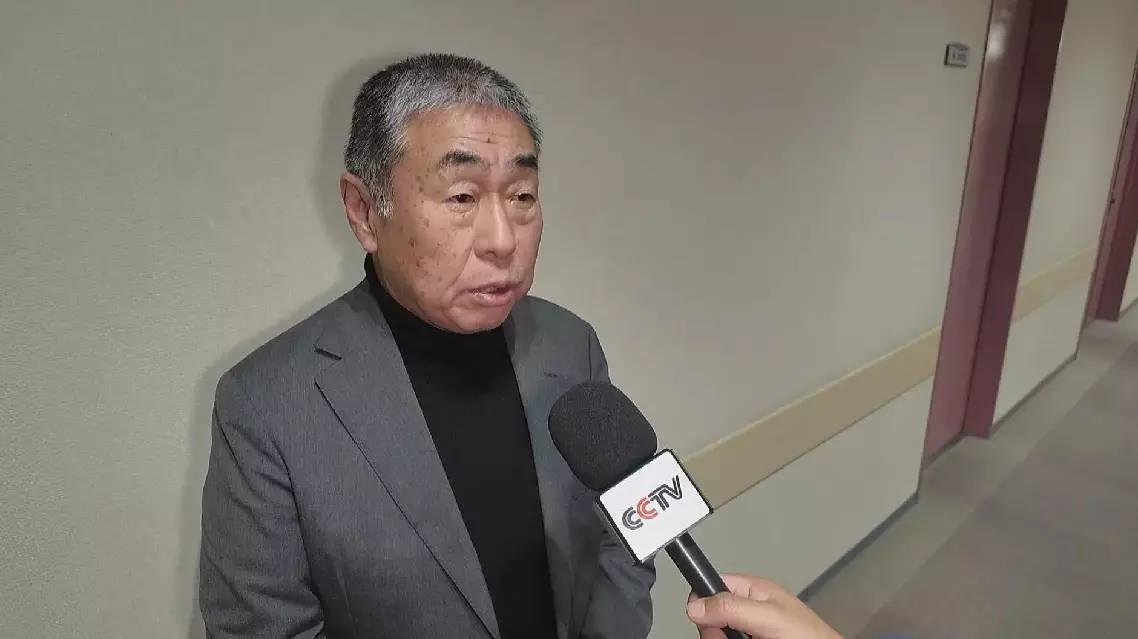
Iseki Kaname, a council member of the Japan-China Friendship Association of Osaka, condemned Takaichi's remarks in an interview with China Central Television (CCTV), voicing firm opposition.
"The one-China principle means the government of the People's Republic of China is the sole legal government representing the whole of China. Taiwan is an inalienable part of the Chinese territory. Takaichi's remarks claiming that a 'Taiwan contingency' could constitute a so-called 'survival-threatening situation' for Japan is a blatant act of trampling on the one-China principle. It is also a flagrant violation of the 1972 Sino-Japanese Joint Statement and the 1978 Sino-Japanese Treaty of Peace and Friendship. I believe what she said is an extremely serious erroneous statement. Therefore, I firmly oppose it and demand Takaichi withdraw her remarks," said Kaname.
He also pointed out that the security-related policies Japan has been advancing in recent years are in violation of the Constitution of Japan, contradicting the country's postwar path of peace.
"Japan's constitution itself is a pledge that Japan will never again launch a war of aggression. I believe if Japan wants to develop in the future, its relationship with China will be of most importance," Kaname noted.
Takaichi's erroneous remarks trample on one-China principle: Japanese expert
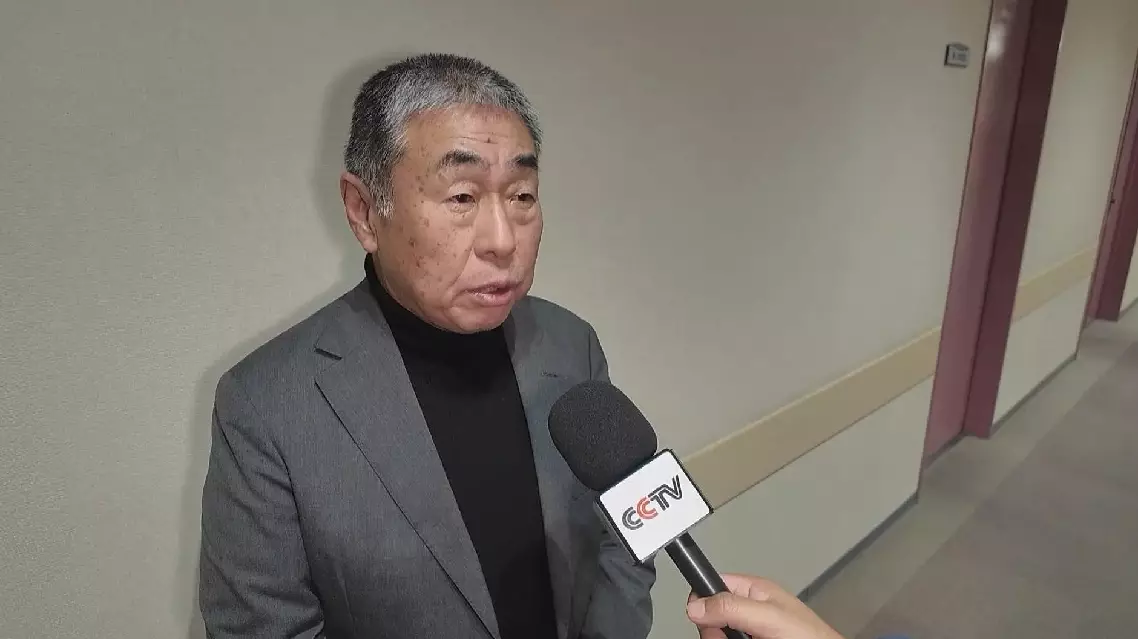
Takaichi's erroneous remarks trample on one-China principle: Japanese expert
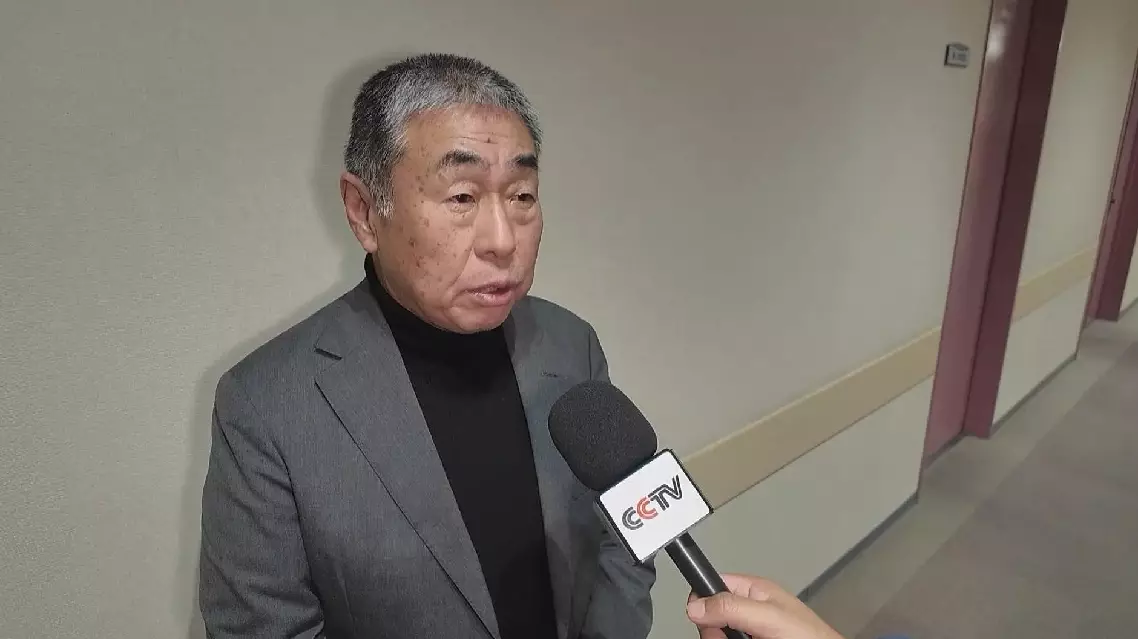
Takaichi's erroneous remarks trample on one-China principle: Japanese expert
Polish citizens are feeling the squeeze of surging energy costs, as the conflict in the Middle East continues to roil the international energy market,
In Poland, rising fuel prices are gradually making their way into everyday life and the real economy. Many residents said higher energy costs are taking a heavy toll.
"I do think about this issue more and try to reduce my fuel consumption. Overall, everything happening right now is unsettling," said Pawel, a Warsaw resident.
"I really feel it. Prices have gone up a lot. We're trying to cope and can manage for now. Taxi fares haven't increased yet, but it's definitely getting harder," said Wiktor, another resident.
"Of course it has affected us. Because fuel prices have gone up, everything else is more expensive and costs more now," said Anita, another local resident.
Meanwhile, those working in the transport and service sectors said rising oil prices are directly impacting their businesses.
"The courier industry, like most taxi drivers, is soon going to face closure and be forced out of business. I used to drive international long-distance buses, and honestly, some people in that sector are also thinking about quitting," said Michal, another Warsaw resident.
Lukasz Goczek, a professor from the Department of Macroeconomics and Theory of Foreign Trade at the University of Warsaw, said the continued shipping disruptions in the Strait of Hormuz, a vital global energy corridor, could leave global energy prices elevated for a long time, heavily impacting the world economy.
"Iran has this huge leverage. It's got the whole world in a chokehold because 20 percent of oil that's transported in the world goes through the Strait. It obviously means that the price of energy is going to increase. We see it at the petrol stations," said Goczek.
Goczek also noted that U.S. and Israeli military actions against Iran have dealt a serious blow to the international order.
"I think that's pretty much, by now, the international law. If it's not that, it's definitely very, very illegal. There wasn't any reason for war. It just straightforwardly began without any warning. So it was much of a surprise. We need the international order to have peace, to prosper, to have trade," said Goczek.
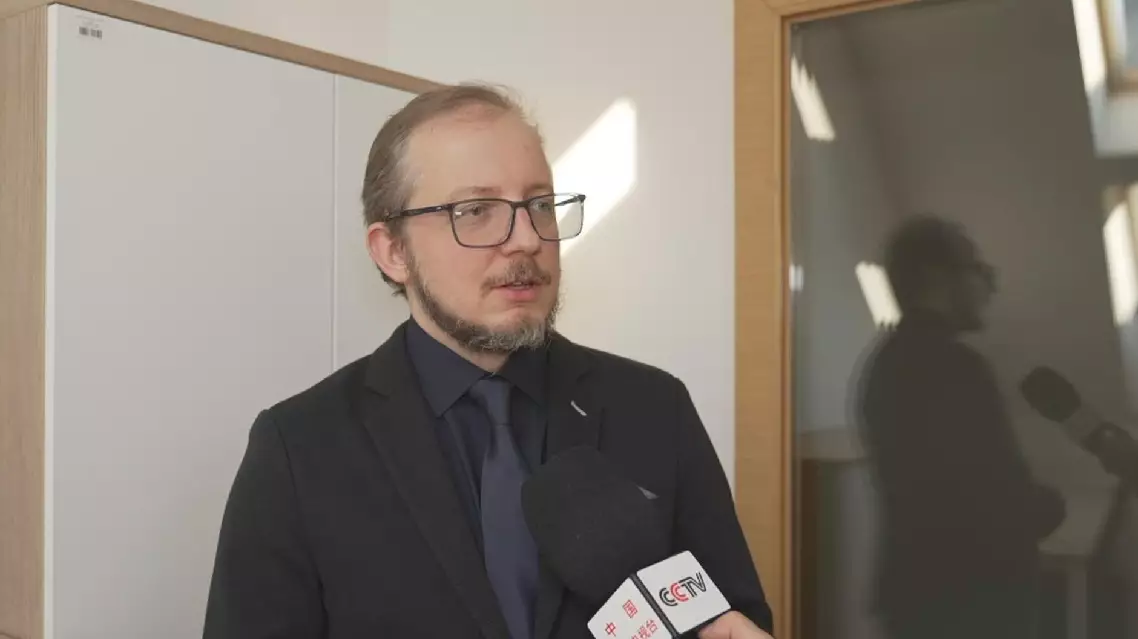
Rising energy costs squeeze Polish households, businesses