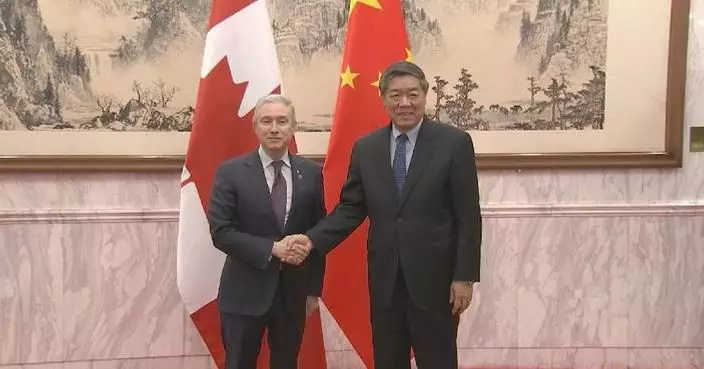
China urges Lithuania to return to the right track of adhering to the one-China principle and accumulate conditions for the normalization of China-Lithuania relations, Chinese foreign ministry spokesman Lin Jian said in Beijing on Friday.
Lin made the remarks at a regular news briefing when asked to comment on Lithuanian Prime Minister Inga Ruginiene's recent statement that her country's 2021 decision to host a "Taiwanese representative office" was a strategic mistake.
"China has made clear its position on this issue more than once. China's door to communication with Lithuania remains open. We hope that Lithuania can translate its willingness to improve bilateral ties into real actions, correct its wrongdoings at an early date, return to the right track of adhering to the one-China principle, and accumulate conditions for the normalization of China-Lithuania relations," said Lin.
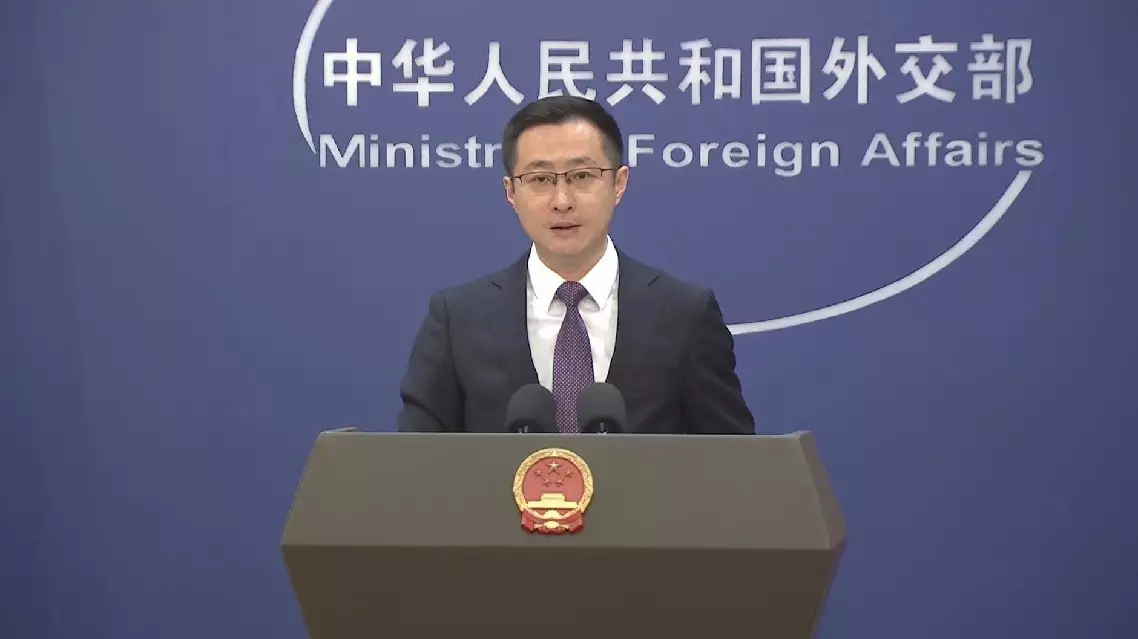
China urges Lithuania to take practical actions to improve bilateral ties
China urges Lithuania to take practical actions to improve bilateral ties
China urges Lithuania to take practical actions to improve bilateral ties
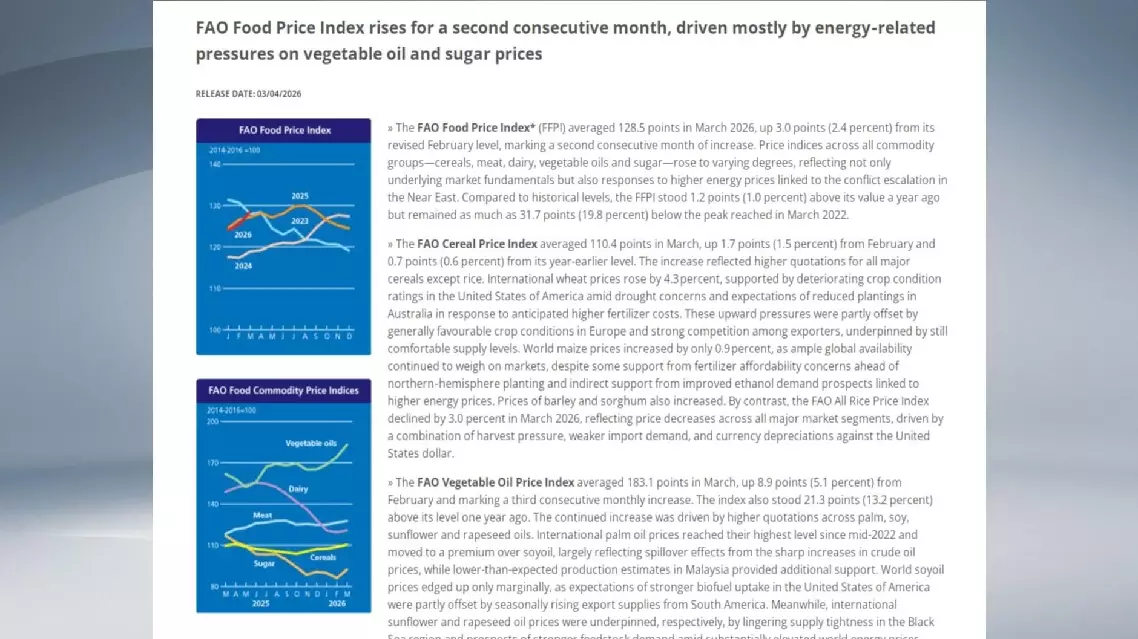
Global food commodity prices climbed for a second consecutive month in March, driven mainly by higher energy costs linked to escalating conflict in the Middle East, the Food and Agriculture Organization of the United Nations (FAO) said in report released on Friday.
The FAO Food Price Index, which tracks monthly changes in the international prices of a basket of globally traded food commodities, averaged 128.5 points in March, up 2.4 percent from February and 1.0 percent above its level a year ago.
According to the report, the FAO Vegetable Oil Index and Sugar Price Index showed the largest increases, up 5.1 percent and 7.2 percent, respectively.
The FAO Cereal Price Index increased by 1.5 percent from the previous month, driven primarily by higher world wheat prices, which rose 4.3 percent.
The FAO Meat Price Index rose by 1.0 percent from the previous month, and the FAO All-Rice Price Index declined by 3.0 percent in March, according to the report.
FAO stated that rising energy and fertilizer prices have been driving up agricultural input costs.
If the conflict stretches beyond 40 days, farmers will have to choose to farm the same with fewer inputs, plant less, or switch to less intensive fertilizer crops, according to FAO Chief Economist Maximo Torero.
These choices will hit future yields and shape food supply and commodity prices for the rest of this year and beyond, Torero said.
Global food prices rise for 2nd consecutive month in March amid Middle East conflict: FAO