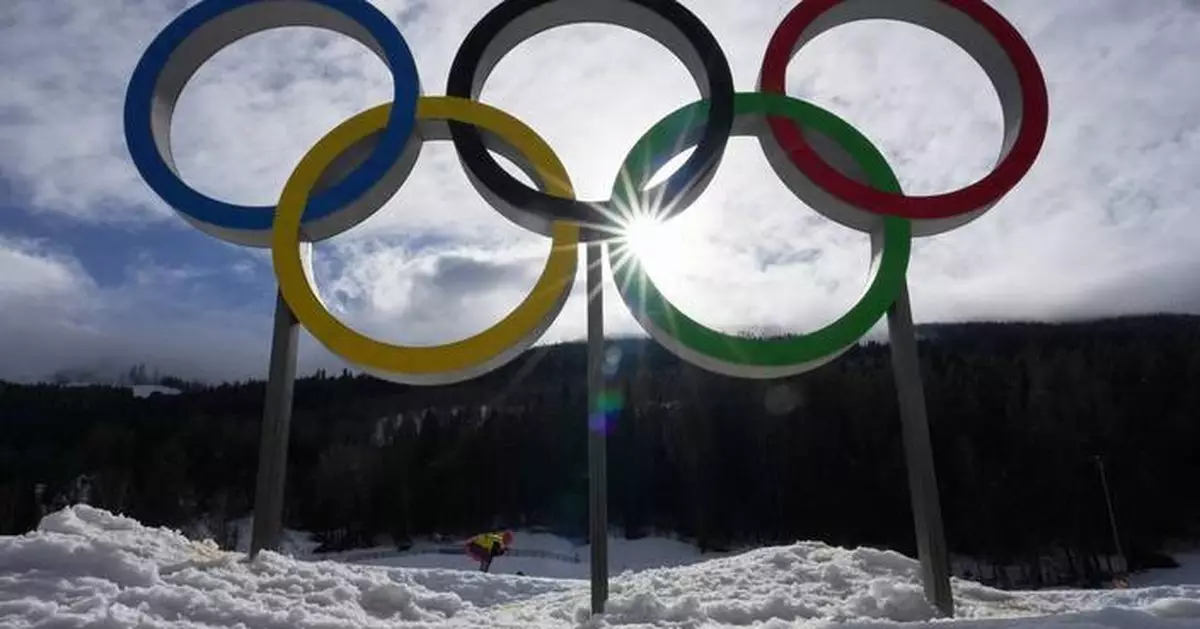
MILAN (AP) — The Milan Cortina Winter Olympics officially started on Friday, with the opening ceremony and the lighting of the cauldrons.
And these Games are particularly supersized.
Click to Gallery

The sun sets over the mountains and the Livigno Valley prior to the Milano Cortina 2026 Winter Olympic Games opening ceremony in Livigno, Italy on Friday, Feb. 6, 2026. (Sean Kilpatrick/The Canadian Press via AP)
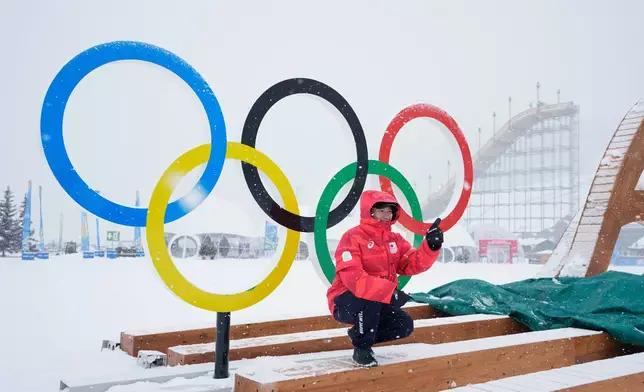
Japan's Goshin Fujiki poses for a photo in front of the Olympic rings at the 2026 Winter Olympics, in Livigno, Italy, Wednesday, Feb. 4, 2026. (AP Photo/Gregory Bull)
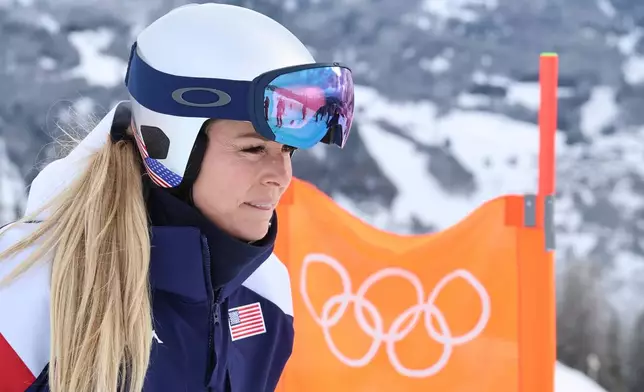
United States' Lindsey Vonn concentrates ahead of an alpine ski, women's downhill official training, at the 2026 Winter Olympics, in Cortina d'Ampezzo, Italy, Friday, Feb. 6, 2026. (AP Photo/Marco Trovati)
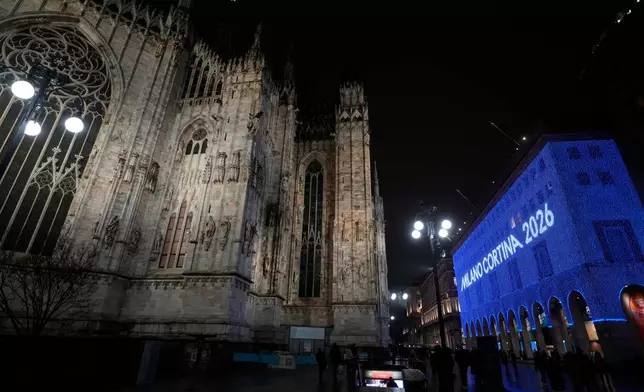
Milan Cortina 2026 is projected on the facade of a building in front of the Duomo gothic cathedral, in Milan, Italy, Wednesday, Jan. 28, 2026. (AP Photo/Luca Bruno)
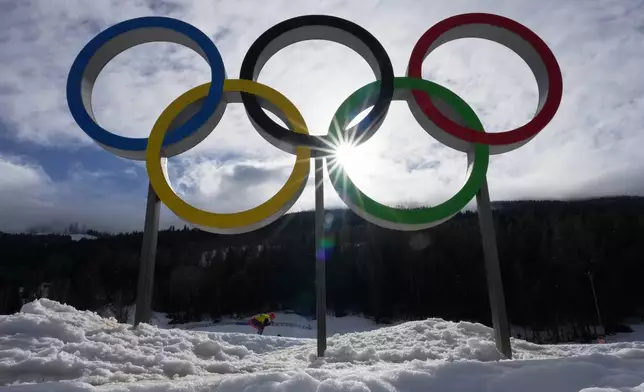
An athlete skis past Olympic rings during a cross country training session at the 2026 Winter Olympics, in Tesero, Italy, Thursday, Feb. 5, 2026. (AP Photo/Kirsty Wigglesworth)
These are the first Olympics to fully embrace cost-cutting reforms installed by the International Olympic Committee, and use mostly existing venues — which has meant scattering the Games all over northern Italy.
Here’s a look at some of the key numbers ahead of the opening ceremony:
The number of new sports at these Games. Ski mountaineering — also know as skimo — is making its Olympic debut. The sport combines uphill sprinting (on boots and on skis) and downhill skiing.
That's how many times Italy has hosted the Winter Olympics previously: in Cortina d’Ampezzo in 1956 and Turin in 2006. Italy has held the Summer Games once, in Rome in 1960.
The number of locations for events in the most spread-out Winter Games ever. Ice sports will take place in Milan and women’s Alpine skiing, curling and sliding events in Cortina — the two main hubs. But there will also be competition in Bormio, Livigno, Predazzo, Tesero and Anterselva, and the closing ceremony will take place in Verona.
Number of Russian athletes set to compete as neutral individuals along with seven Belarusians. They are not allowed to compete under their national flag or anthem and cannot take part in the opening ceremony athlete parades.
The number of days of competition.
The age difference (in years) between Team USA's oldest athlete at the Games and its youngest. Curler Rich Ruohonen will set a Team USA Winter Olympic record at age 54, while the youngest member of the team is 15-year-old freeskier Abby Winterberger.
Lindsey Vonn's age at her fifth Olympics after making a sensational return to ski racing. If she wins what would be a fourth Olympics medal she would edge France’s Johan Clarey — who was also 41 when he claimed downhill silver in 2022 — to become the oldest Olympic Alpine skiing medalist ever.
How old San Siro turns this year. The stadium that will host the opening ceremony will be knocked down in the next few years after a new arena is built next to it.
The number of medal events at the Milan Cortina Winter Olympics. If that sounds like a lot, it's not even close to the Summer Games. There will be more than 350 medal events at the 2028 Olympics in Los Angeles.
The number of athletes competing at the Milan Cortina Games. The United States will have the largest presence with 235 athletes — the largest ever U.S. Winter Olympics team. Host nation Italy will have 196.
That's how many volunteers will be helping out at the Games. About 900 of them will be working behind the scenes at the opening ceremony.
AP Olympics: https://apnews.com/hub/milan-cortina-2026-winter-olympics

The sun sets over the mountains and the Livigno Valley prior to the Milano Cortina 2026 Winter Olympic Games opening ceremony in Livigno, Italy on Friday, Feb. 6, 2026. (Sean Kilpatrick/The Canadian Press via AP)
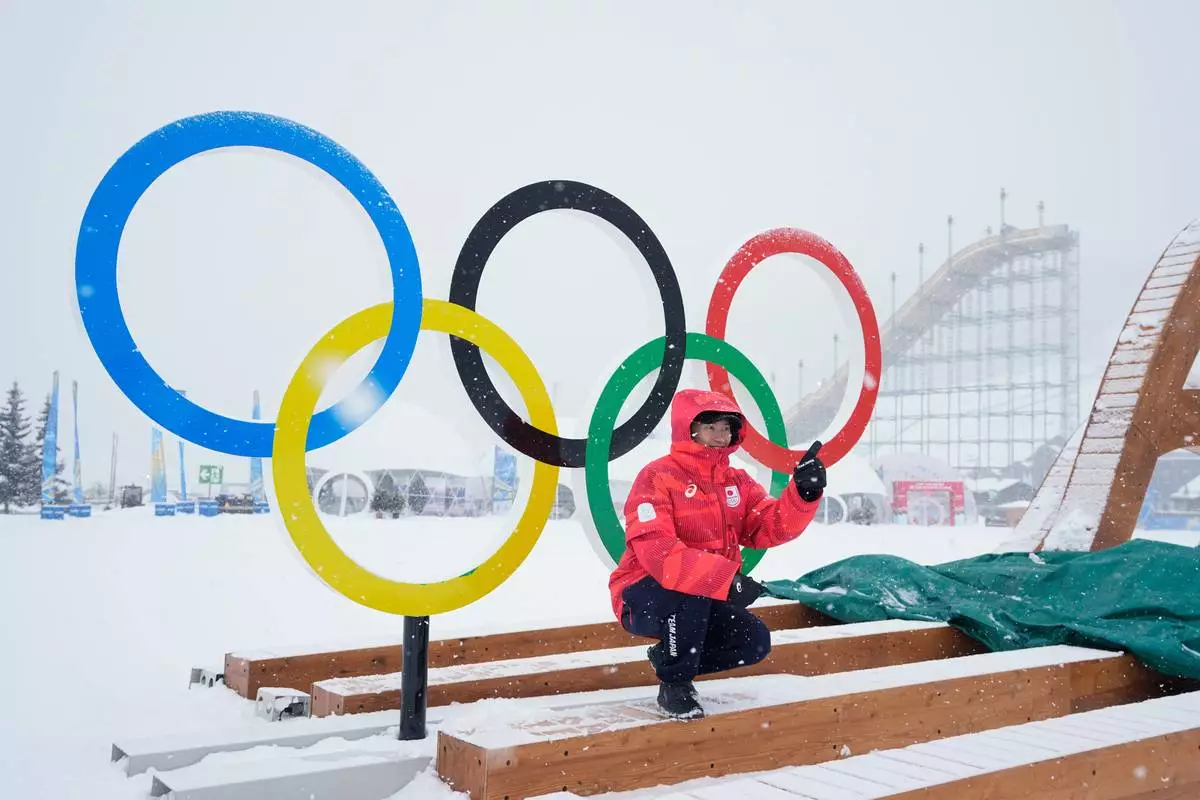
Japan's Goshin Fujiki poses for a photo in front of the Olympic rings at the 2026 Winter Olympics, in Livigno, Italy, Wednesday, Feb. 4, 2026. (AP Photo/Gregory Bull)

United States' Lindsey Vonn concentrates ahead of an alpine ski, women's downhill official training, at the 2026 Winter Olympics, in Cortina d'Ampezzo, Italy, Friday, Feb. 6, 2026. (AP Photo/Marco Trovati)
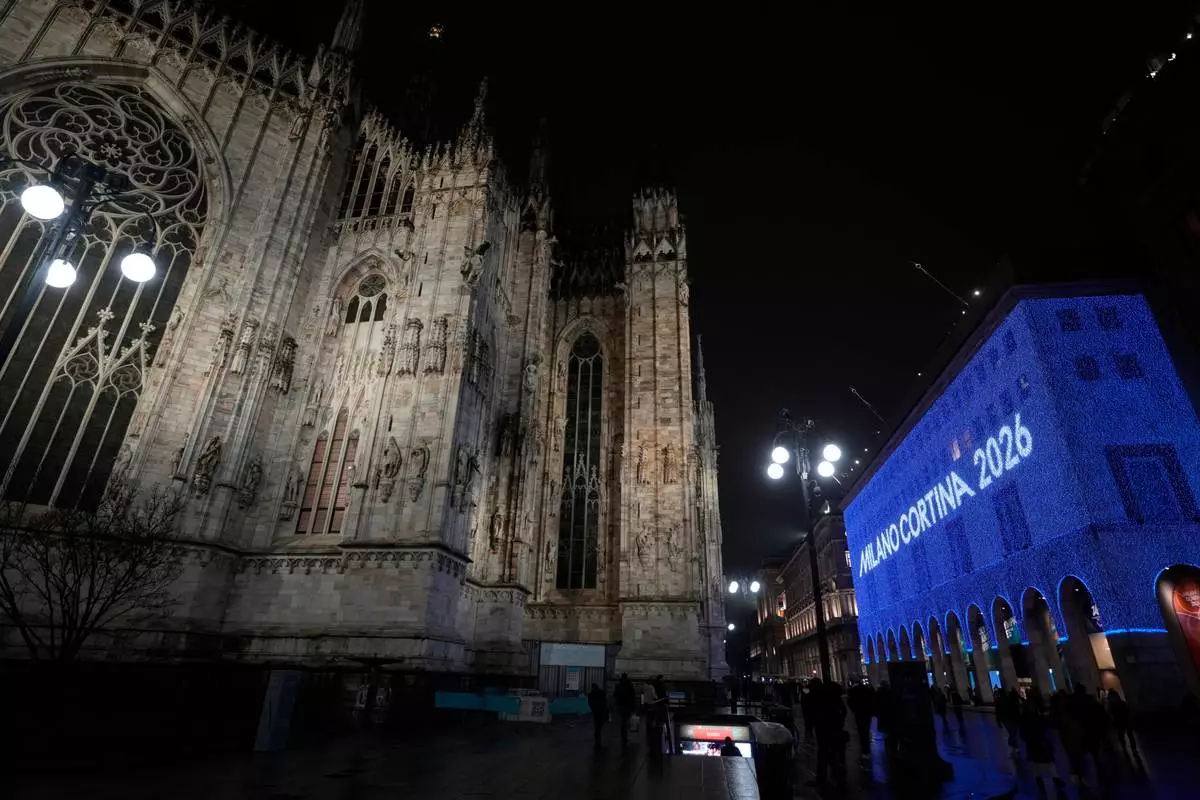
Milan Cortina 2026 is projected on the facade of a building in front of the Duomo gothic cathedral, in Milan, Italy, Wednesday, Jan. 28, 2026. (AP Photo/Luca Bruno)
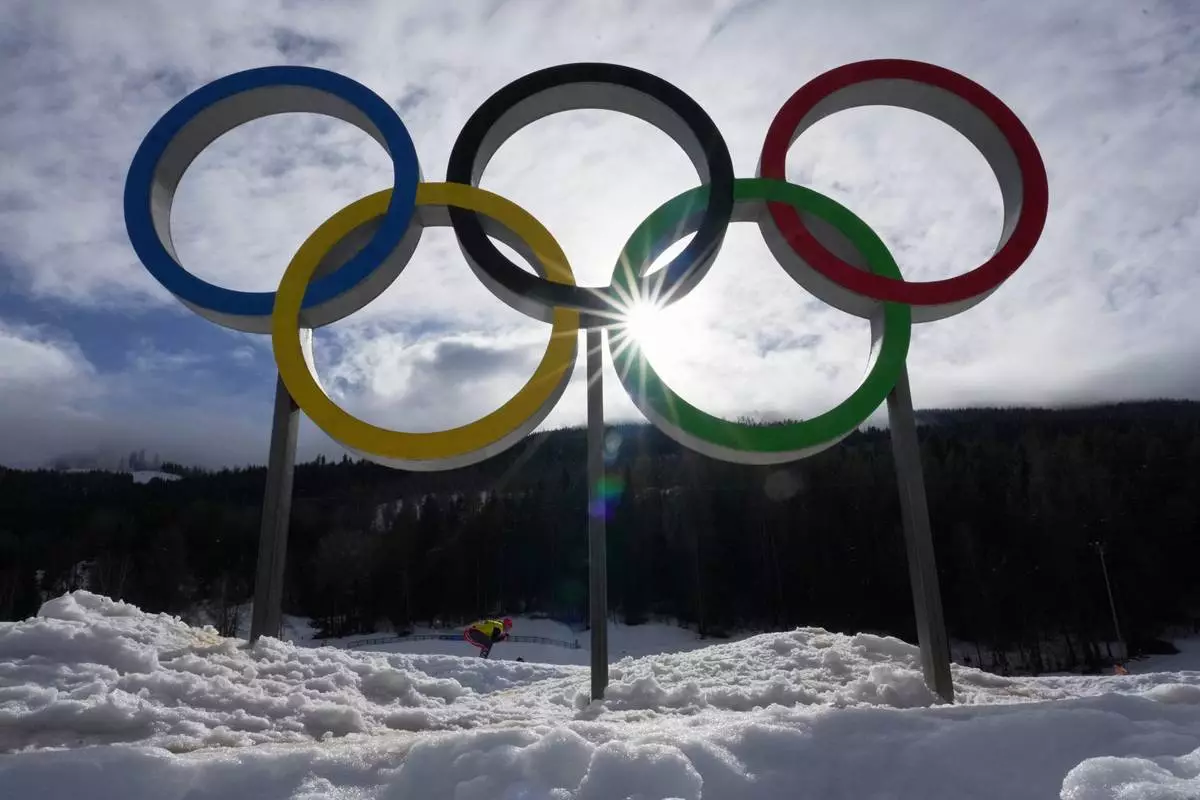
An athlete skis past Olympic rings during a cross country training session at the 2026 Winter Olympics, in Tesero, Italy, Thursday, Feb. 5, 2026. (AP Photo/Kirsty Wigglesworth)