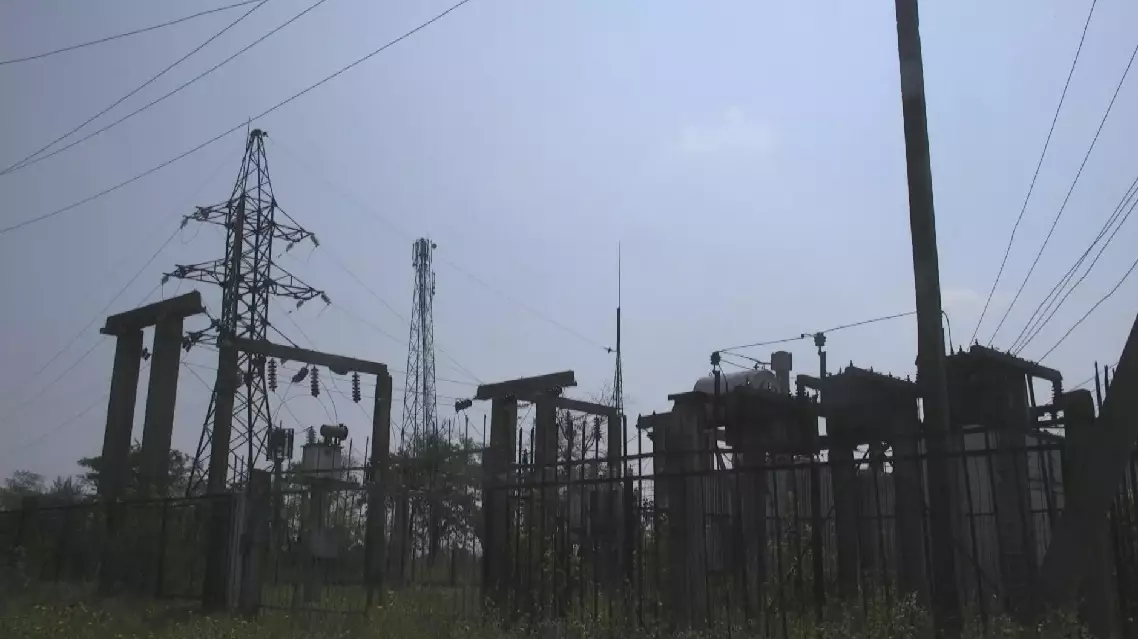
Russian forces attacked Ukraine's energy infrastructure overnight on Saturday, for the second time in less than a week, Ukraine's Energy Minister Denys Shmyhal said.
The strikes targeted the Burshtyn and Dobrotvir thermal power plants in western Ukraine, as well as substations and overhead transmission lines, the minister said.
He further said personnel unloaded units at nuclear power plants as a precautionary measure.
Ukraine's state-run energy company Ukrenergo has requested emergency assistance from Poland in the wake of the attack, Shmyhal added, while the company said it has imposed emergency power outages across most of the country.
The previous attack on Ukraine's energy facilities was carried out on Tuesday.
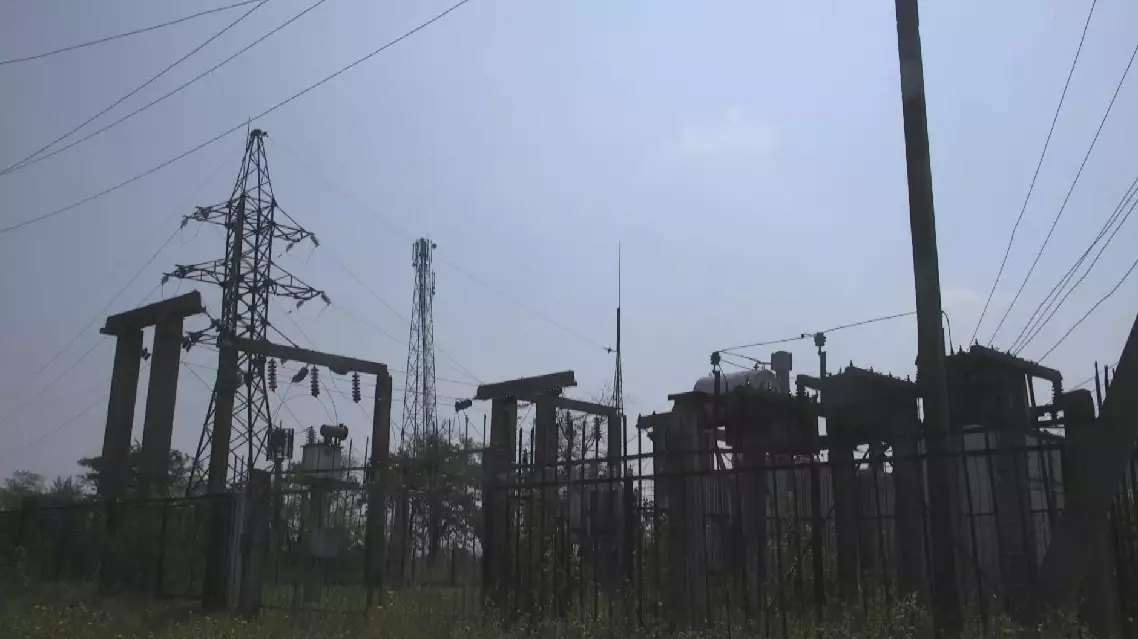
Russia attacks Ukraine's energy infrastructure 2nd time in a week: Ukrainian authorities
Russia attacks Ukraine's energy infrastructure 2nd time in a week: Ukrainian authorities
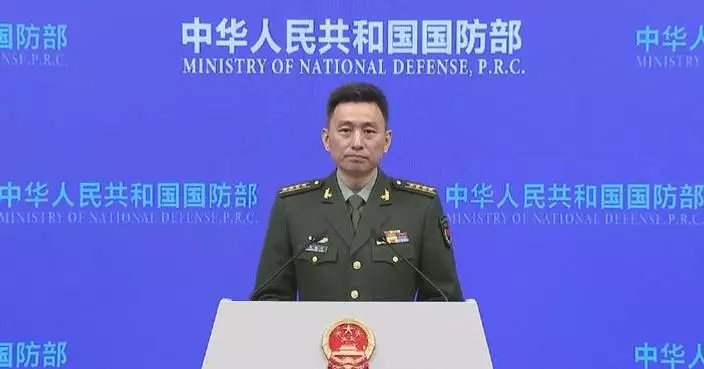
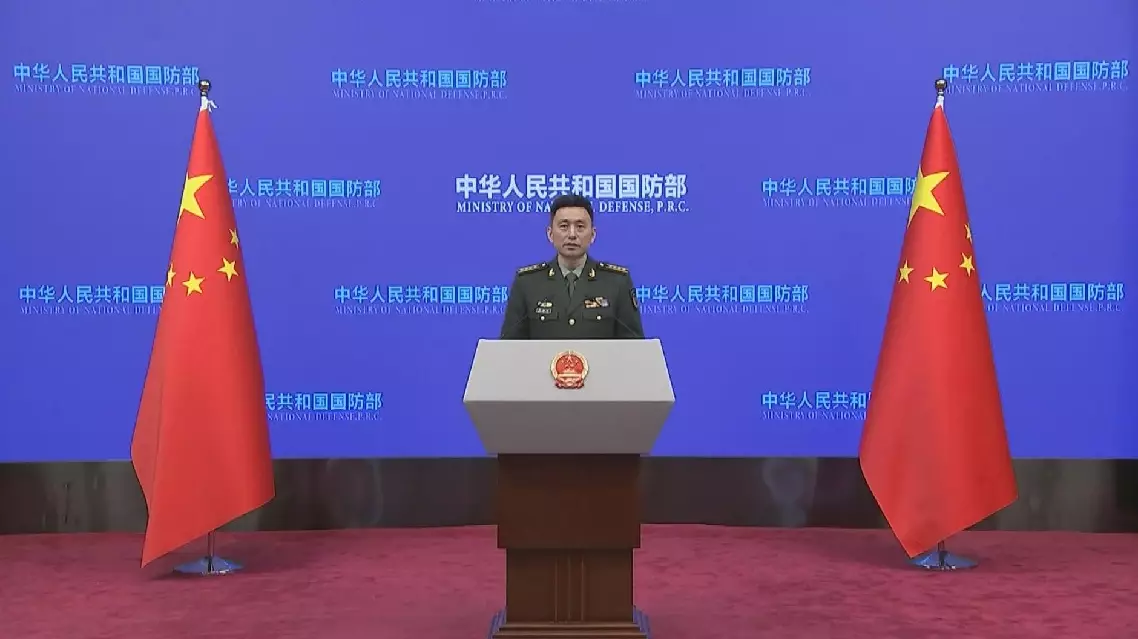
A Chinese Defense Ministry spokesman on Friday lashed out at Japan's latest sharp increase in defense budget and planned revision of defense equipment transfer principles to allow the export of lethal weapons, urging the country to make a clean break from militarism.
It was reported that the Japanese parliament has enacted a record-high budget for fiscal year 2026, featuring a defense expenditure of 9.04 trillion yen (about 58 billion U.S. dollars), exceeding 9 trillion yen for the first time. Reports also indicate that the Japanese government is planning a significant revision to the implementation guidelines of its "Three Principles on Transfer of Defense Equipment and Technology," which will allow the export of lethal weapons.
Speaking at a press conference in Beijing, Senior Colonel Zhang Xiaogang, the spokesman, said in response, "Various signs have shown that the Japanese right-wing forces are stepping up efforts to push the country's security policy to shift toward a more offensive and expansionist direction. Their acts gravely violate the [1943] Cairo Declaration, the [1945] Potsdam Proclamation, the [1945] Japanese Instrument of Surrender, and other instruments with legal effect under international law, gravely go against Japan's own Constitution and existing domestic norms, and pose a serious threat to the post-war international order and regional peace and stability."
"Japanese militarism once inflicted untold suffering on the region and beyond, yet there has never been a proper reckoning with it after World War II," Zhang said.
Now, the Japanese side has completely torn off its disguise and accelerated its pace of re-militarization, which cannot but arouse strong concern and condemnation from the rest of the world, the spokesman said.
"We urge the Japanese side to stop its retrogressive moves and make a clean break from militarism. Otherwise, it will lose the trust of its Asian neighbors and the rest of the international community," he said.
China urges Japan to break away from militarism