Tehran residents have expressed their skepticism over the renewed diplomatic efforts between Iran and the United States in Oman.
Commenting on the indirect negotiations on Friday between Iran and the United States that focused solely on Iran's nuclear issue, Iranian Foreign Minister Seyed Abbas Araghchi said on Saturday that they were a good "start," but there is a long way ahead to build trust.
With no defined outcome reached during the talks, uncertainty remains over whether negotiations will continue or not.
Tehran resident Elham said she doesn't have hope towards negotiations with Washington.
"They have been negotiating for almost 22 years. I think it has been over 20 years. And every day it is postponed (to next week, next year)," said Elham.
"War is not good for anyone. It is bad for the U.S., West Asia, regional countries, and also Iran. If sides can reach a rational conclusion, it is in the best interests of both," said Zare, another Tehran resident.
Tehran resident Mohsen said the indirect negotiations are fake and do not make sense.
"And it is an erosive issue regarding the new global order," said Mohsen.
With no clear timetable, sanctions still in place, and regional tensions running high, many Iranians are waiting to see whether diplomacy will bring tangible results or yet another round of delay.
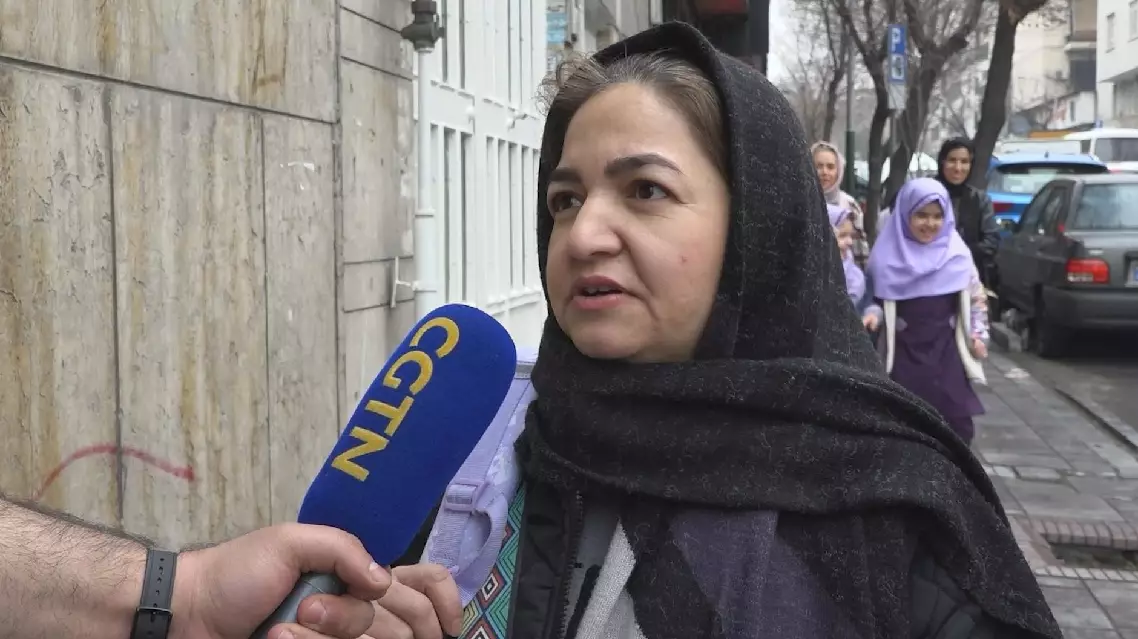
Iranian public remains skeptical of talks with Washington
A Japanese professor criticized the snap general election triggered by Prime Minister Sanae Takaichi's dissolution of the lower house as unreasonable, which just leaves a campaign period of 16 days for a general election of the House of Representatives when Takaichi announced the decision on Jan 23.
The decision is aimed to capitalize on her cabinet's current high approval ratings, according to Japanese media, and the voting in the general election began on Sunday morning, with over 1,200 candidates competing for 465 seats in the House of Representatives.
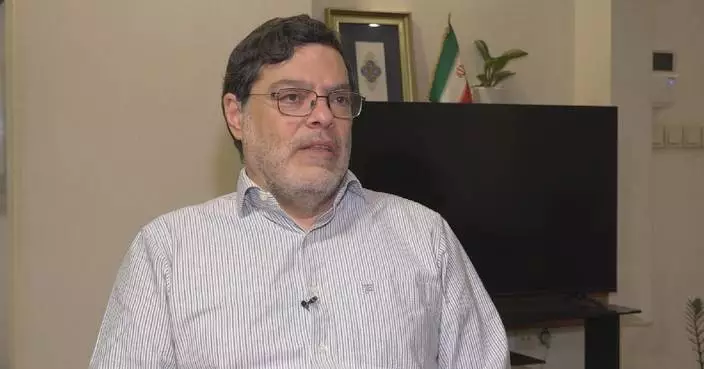
Speaking in an interview with the China Global Television Network (CGTN) on Sunday, Mikitaka Masuyama, professor at Tokyo's National Graduate Institute for Policy Studies, revealed the motivations behind calling this snap election.
"From my point of view, it is just how selfish attempts to consolidate the parliamentary base for Takaichi. There is no reason to have the snap election this time around, so we have to have the delays in the execution of the budget and in the heavy snow regions, having election is very costly and makes it a lot difficult for even ordinary people to go to the voting booth. So, it is cannot be justified to have an election this time around," said Masuyama.
The primary focus of the election is whether the ruling coalition of the Liberal Democratic Party (LDP) and the Japan Innovation Party (JIP) will secure a majority and allow the Takaichi administration to continue.
Speaking at a street rally on Jan 27, Takaichi said she wishes to "win the public trust," while reiterating her pledge to resign if the ruling camp fails to win a majority.
Analysts said Takaichi's decision to dissolve the lower house and call an early election while staking her position as prime minister reflects mounting internal pressures on her administration.
The recent personal scandals, economic and diplomatic policy risks, and her controversial remarks on foreign policy have made it difficult for the prime minister to fully implement her own agenda, pushing her to take a bold gamble.
"If Takaichi would win this election by landslide, she would assume the election gave her mandate. So, she probably becomes more confident in her stance on the security policy," said Masuyama.
"But I do understand that the international security environment is rapidly changing. I think we have to enhance defense capability. That does not necessarily mean that Japan to adopt a posture that could heighten the tensions with neighboring countries. I would rather see political groups gain power that enable Japan to play a more proactive role in international cooperation," he added.
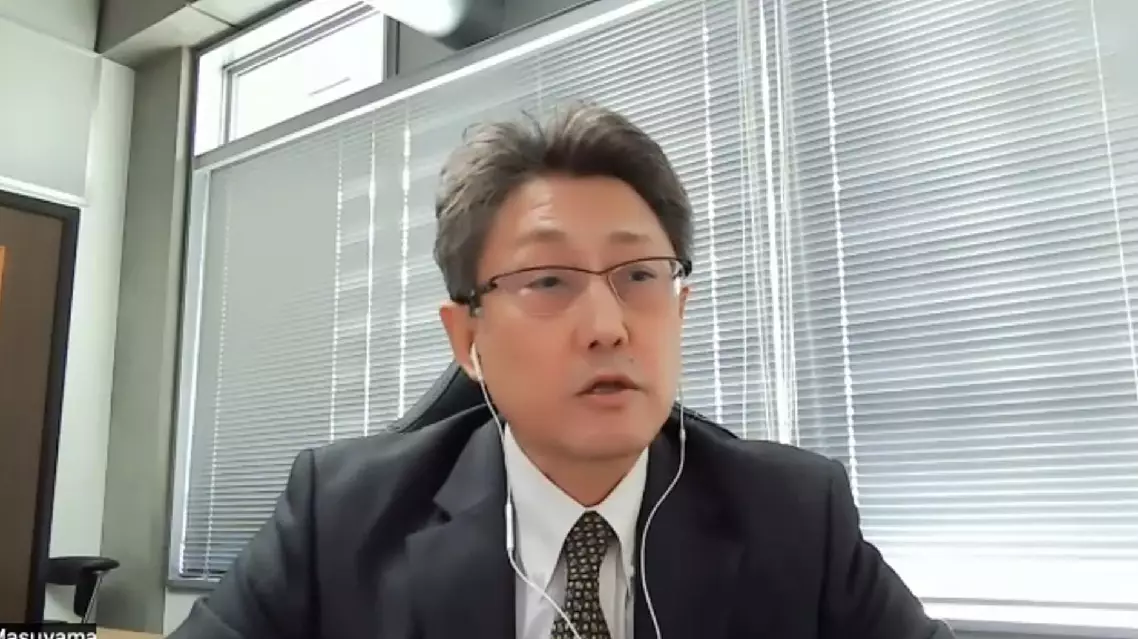
Japanese expert: snap election unreasonable