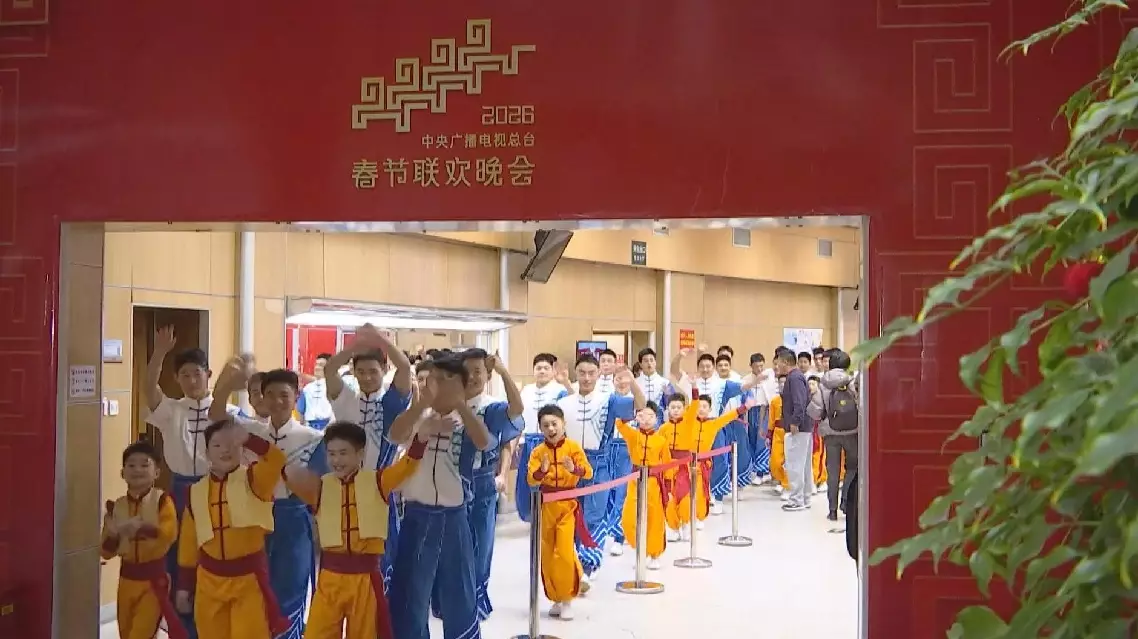
The China Media Group (CMG), the country's flagship broadcaster, successfully conducted the fourth rehearsal of the highly-anticipated Spring Festival Gala on Sunday.
The gala, set to be aired on Chinese New Year's Eve on February 16 this year, will combine traditional Chinese culture with modern stagecraft, as well as cross-cultural performances featuring international artists.
Commonly known as "Chunwan" in Chinese, the gala has been broadcast live on each Chinese New Year's Eve since 1983, and has been recognized by Guinness World Records as the most-watched annual television program on the planet.
Just over a year ago, the Spring Festival itself was inscribed on UNESCO's Representative List of the Intangible Cultural Heritage of Humanity.
This year, CMG has hosted a series of preview events in the United States, Russia, France, Italy, and several African countries, inviting international audience to experience the gala and Chinese culture ahead of the Chinese New Year.
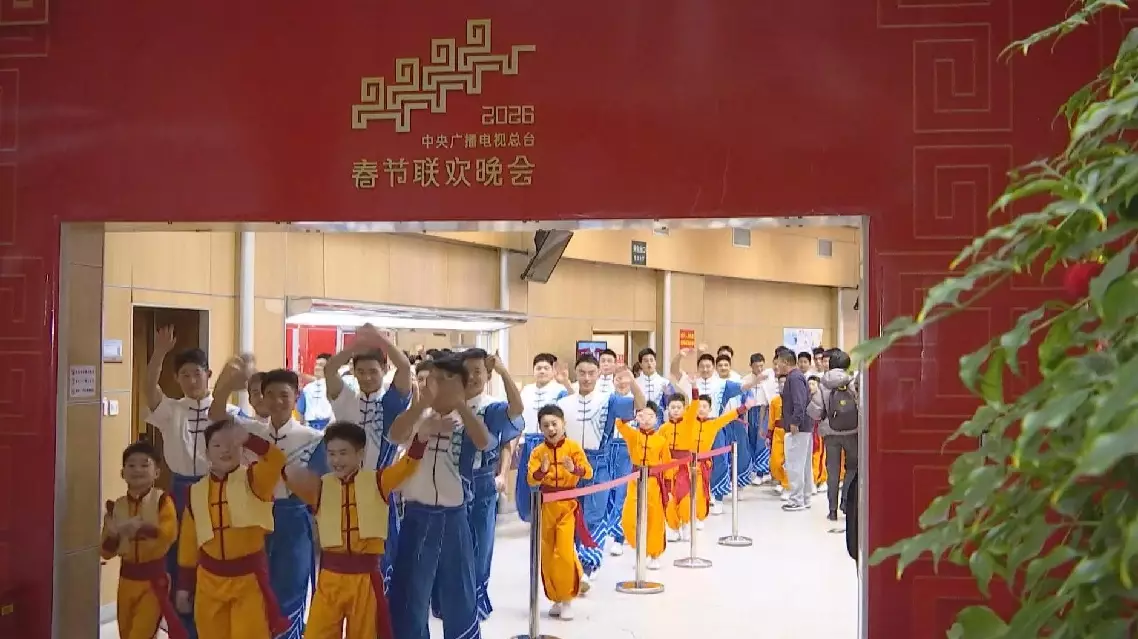
CMG holds 4th rehearsal for 2026 Spring Festival Gala
CMG holds 4th rehearsal for 2026 Spring Festival Gala
Iran's Foreign Minister Seyed Abbas Araghchi on Sunday reiterated that the administration of the Strait of Hormuz and routes in the waterway will not be the same as they were in the past, according to the official news agency IRNA.
Araghchi made the remarks at a ceremony in the Iranian capital Tehran while stressing that "fundamental and strategic" changes have taken place in West Asia following the U.S.-Israeli war against Iran.
"We must accept that new realities have taken hold. The routes in the Strait of Hormuz will not be the same as they once were, and the strait's management will also not be as it was in the past," he said. "There are matters on which we have held negotiations, and these negotiations will continue."
The minister stressed that the region's security must be ensured by regional countries and without reliance on foreign forces, "who have come to the region aiming to safeguard their own interests and protect Israel, and whose continued presence will lead to nothing but insecurity for the entire region."
He added that Iran was ready to cooperate with all regional countries.
On Feb. 28, Israel and the United States launched joint attacks on Tehran and other Iranian cities. Iran responded with waves of missile and drone attacks targeting Israel and U.S. bases and assets in the region, and tightened its grip on the Strait of Hormuz.

Iran's FM says Hormuz Strait's routes, management not to return to pre-war era