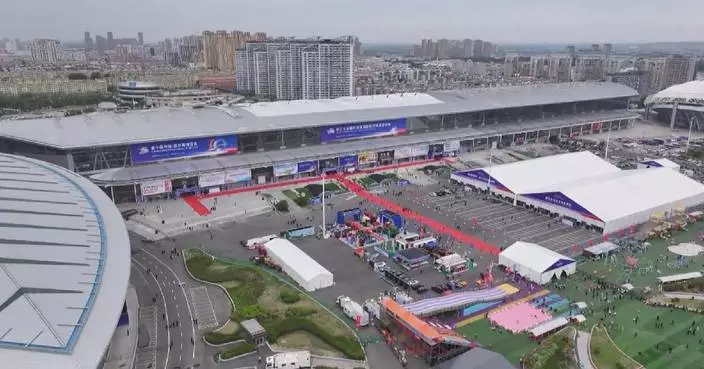
Africa's expanding trade with China, which is now one of the fastest growing markets for African coffee, was highlighted at the 22nd African Fine Coffees Conference and Exhibition in the Ethiopian capital Addis Ababa.
The three-day event, which closed on Friday, united stakeholders from the coffee value chain, including farmers, exporters, and international buyers, to discuss critical issues such as quality, sustainability, and market access.
China's consumption of African coffee is rapidly increasing, thanks to urban lifestyles and a burgeoning cafe culture.
Traders say Chinese consumers are showing a preference for specialty beans, particularly Ethiopian and East African varieties, which are gaining traction in cafes and retail outlets.
This exhibition has facilitated partnerships between Chinese buyers and African exporters in various areas, including logistics, roasting, and branding.
"Last year, we have like more than 400 containers from Ethiopian coffee to China to support the market in China, because everyone knows that the Chinese coffee industry is a boom there. More and more clients, they will pick Ethiopian coffee in their SOE (single origin espresso), in their recipe, in their signature drink. So more and more people fall in love with the Ethiopian coffee," said Annie Yip, a coffee trader.
This growth is not isolated to Ethiopia. Other African nations, such as Uganda, are also enhancing their coffee exports to China, boosted by government-led promotion and direct market engagement.
"The Chinese market is extremely important for Uganda. Coffee exports to China have increased by 270 percent in the past two years. Uganda has grown as a very big exporter of coffee to China, and we want this market to grow even farther. In fact, we have our office in China. It's promoting coffee," said Gerald Kyalo, Ugandan Ministry of Agriculture Commissioner.
Analysts said that the evolving Africa-China coffee trade signifies a broader economic shift towards stronger South-South cooperation, allowing African producers to view coffee as a strategic bridge in long-term trade partnerships.
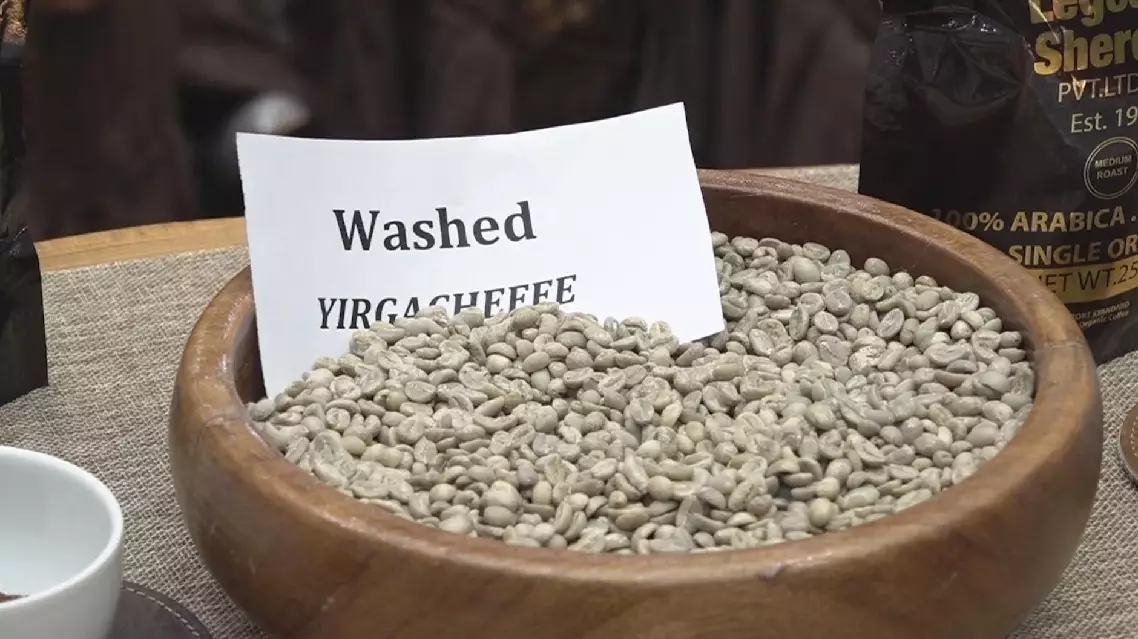
African coffee finds growing market in China
Former Russian ambassador to China Andrey Denisov said the close relationship between the two nations will continue to flourish, speaking after he was honored at a ceremony for his efforts in advancing bilateral friendship and cooperation. On Monday, Denisov returned to Beijing to attend the inaugural presentation ceremony for China's Outstanding Diplomat Medal, which recognizes envoys who have left a distinctive mark in shared chapters of understanding. A total of eight foreign diplomats, including Denisov, received the medal at the ceremony in recognition of their outstanding contributions to promoting friendship and cooperation between China and their respective countries.
The former ambassador expressed great pride upon receiving the award, both for his own accomplishments and for the friendship between two countries that it represents.
"I'm proud that my very, very modest contribution to the progress of the bilateral relations have been marked in a so high-ranking award. It's not just a reward. It's kind of hope that the future progress will be the same and even better than it was before," said Denisov.
Fluent in Chinese and a veteran witness to China's reform and opening up, Denisov reflected on his decades-long connection.
"Because I am an old Beijinger, lived in Beijing for more than 20 years, it's no wonder I find the feeling of nostalgia here. As the Chinese say, practice is the only criterion for testing truth. I have spent many years living and working in China, pushing forward and promoting the development of bilateral relations," he said.
Denisov served as Russia's ambassador to China from 2013 to 2022, participating in nearly every top-level interaction. He has not only done a great deal of effective work in promoting bilateral cooperation across various fields between the two countries, and in enhancing the friendship and mutual trust between the two peoples, but has also witnessed the upgrading and improvement of their bilateral relations.
Noting that 2025 marks the 30th anniversary of the establishment of the China-Russia strategic partnership of coordination and the 25th anniversary of the signing of the China-Russia Treaty of Good-Neighborliness and Friendly Cooperation, Denisov expressed confidence in the future.
"We are two big countries. We are not allies, but we are very close. So from that point of view, I'm convinced to have a good future and good results will be achieved soon," said Denisov.
Russian President Vladimir Putin will pay a state visit to China from Tuesday to Wednesday at the invitation of Chinese President Xi Jinping. This will be President Putin's 25th visit to China, Chinese foreign ministry spokesman Guo Jiakun said on Monday.
Continuing working on affairs related to China and also the bilateral ties even after leaving his post, Denisov has high expectations for President Putin's state visit to China this time.
"I hope that the forthcoming visit by my president will be a presentation of such a type of stability and positive spirit. We have big expectations and I'm quite sure as former ambassador that everything will be accomplished in (good) form. And we expect good results, as usual," said Denisov.
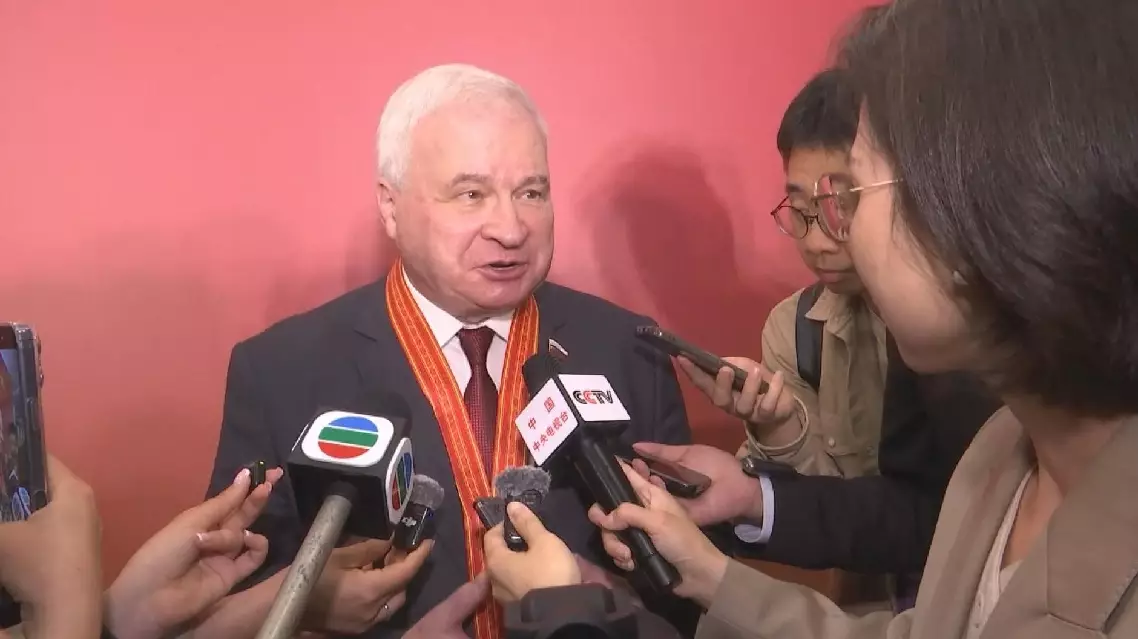
Former Russian ambassador hails 'good future' of China-Russia ties