DUBAI, United Arab Emirates--(BUSINESS WIRE)--Feb 9, 2026--
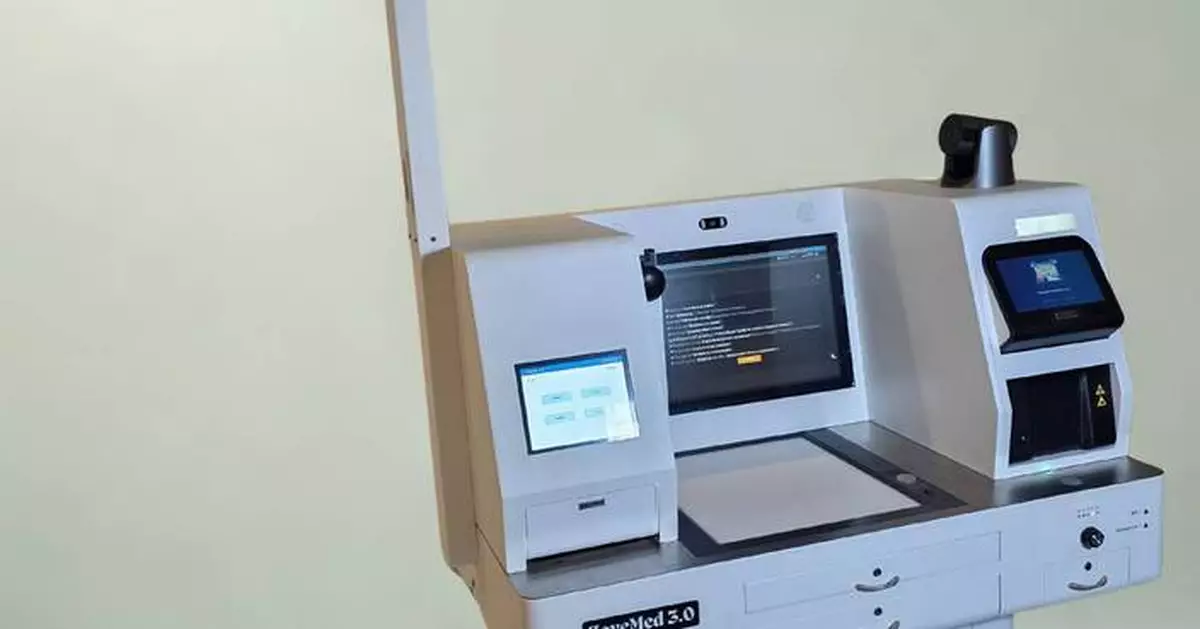
Zoya Technologies today unveiled ZoyeMed 3.0, an edge-native clinical terminal designed to deliver autonomous primary and acute care with humans in the loop. Presented at WHX Dubai 2026, the system combines on-device artificial intelligence, multimodal sensing, point-of-care testing, and longitudinal patient modeling to support high-fidelity diagnostics without reliance on continuous cloud connectivity.
This press release features multimedia. View the full release here: https://www.businesswire.com/news/home/20260209475744/en/
ZoyeMed 3.0 represents a significant architectural shift from earlier generations of ZoyeMed systems. While previous versions established a dense clinical sensorium, version 3.0 introduces a closed-loop, edge-first architecture that separates real-time safety and triage from higher-order reasoning, enabling longitudinal modeling over time. This approach allows care delivery to remain functional in environments with limited bandwidth, staffing constraints, or intermittent connectivity.
Since 2025, Zoya Technologies has shipped 44 ZoyeMed 1.0 units, with deployments underway in Mexico as part of a broader multi-phase contract covering up to 300 units. In Colombia, the company has signed agreements for 64 units per year over a three-year period. The first ZoyeMed 3.0 unit has already been delivered to Bogotá in preparation for pilot deployment following the WHX Dubai unveiling.
Unlike telemedicine platforms or AI copilots layered onto existing hospital systems, ZoyeMed 3.0 is designed as physical healthcare infrastructure, integrating diagnostics, decision support, and follow-up into a compact, on-site clinical unit. The system is intended to reduce cognitive load on clinicians while extending access to consistent, protocol-driven care at scale.
“ZoyeMed 3.0 moves clinical intelligence closer to the patient,” said Dr. Syed Sabahat Azim, Chief Executive Officer of Zoya Technologies. “By operating at the edge, the system is designed to function reliably even when connectivity is limited, while building a longitudinal view of patient health over time.”
Following the WHX Dubai unveiling, Zoya Technologies plans staged deployments of ZoyeMed 3.0 across Latin America, the Middle East, and South Asia.
About Zoya Technologies LLC
Zoya Technologies LLC is a deep-technology infrastructure company focused on building edge-native systems for real-world service delivery at scale. The company develops physically grounded, autonomous systems that integrate sensing, safety, and longitudinal intelligence, with healthcare as its first deployed domain.
*Source: AETOSWire
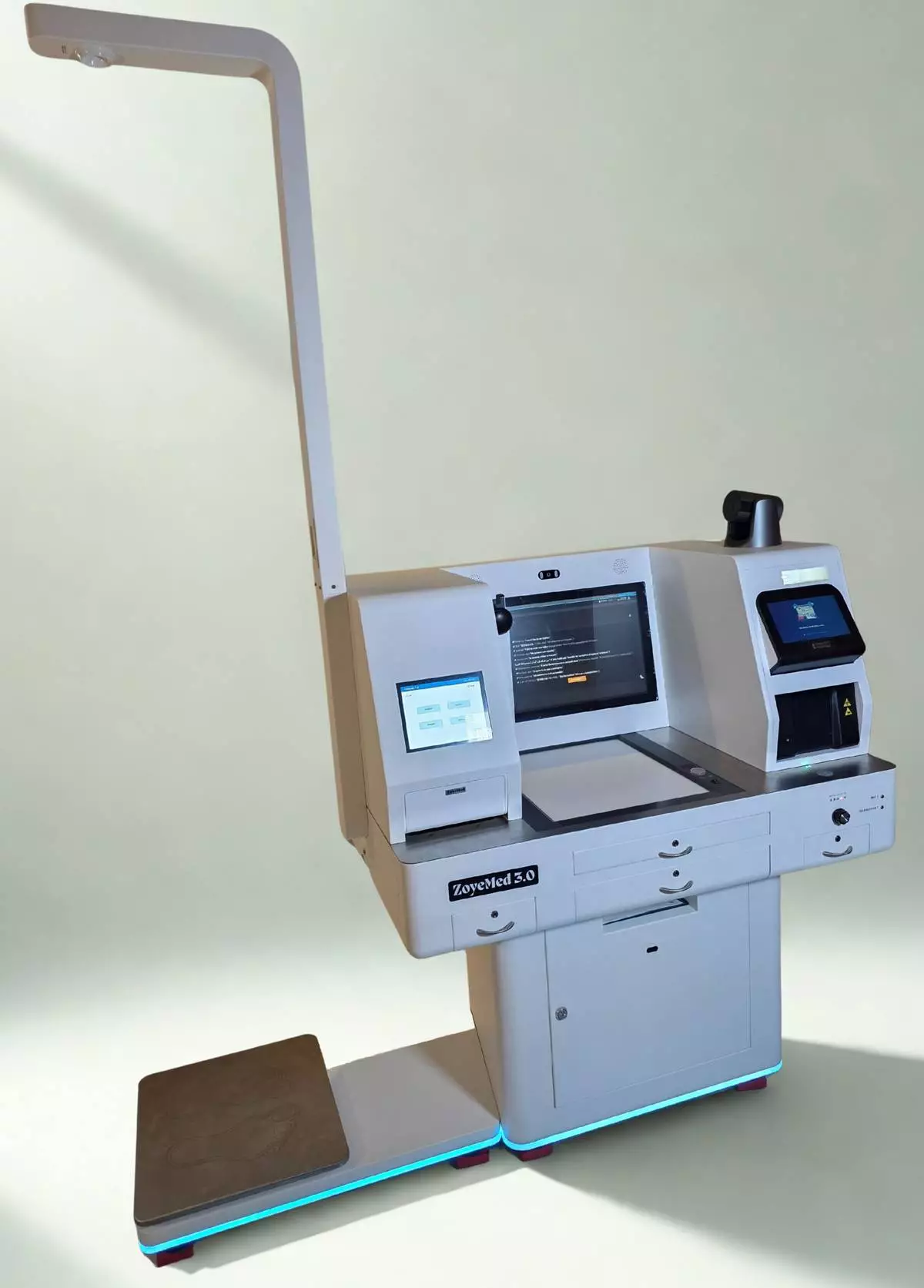
ZoyeMed 3.0, an edge-native autonomous clinical terminal developed by Zoya Technologies, designed to support primary and acute care using on-device intelligence and multimodal sensing. The interface shown represents a neutral, multilingual system layer and does not display clinical data. (Photo: AETOSWire)
PHILADELPHIA (AP) — The Philadelphia Phillies are keeping Don Mattingly as manager, removing his interim tag and giving him a two-year deal even after a late-season collapse nearly cost the team a playoff spot.
Team president of baseball operations Dave Dombrowski announced the move Wednesday. Mattingly led the team to a 79-55 record and a spot in the postseason after he replaced the fired Rob Thomson in late April. The Phillies nearly blew a four-game lead for a wild card in the final week of the regular season, then lost in three games to the Atlanta Braves in the NL Wild Card Series.
The Phillies were 9-19 when they fired Thomson in April after he led the Phillies to four straight playoff appearances, including the 2022 World Series, and consecutive NL East titles.
Dombrowski and the Phillies were rebuffed twice by former Red Sox manager Alex Cora. Dombrowski was spurned by Cora when he made the move to fire Thomson and again after the season ended, leaving him in both cases with Mattingly.
The 65-year-old Mattingly was hired last offseason to serve as a bench coach and had another year left on his contract. With an MLB work stoppage on the table in December, leaving at least parts of next season in doubt, Mattingly is the safe and familiar choice to oversee a roster that includes Bryce Harper, Trea Turner, Kyle Schwarber and one of the top rotations in baseball.
Dombrowski has yet to hold his annual end-of-season press conference — he and Mattingly will speak Thursday, the team said. The Phillies were eliminated from the playoffs on Oct. 1.
The Phillies' September swoon prevented them from lining up their pitching against Atlanta because it took until Game 162 to clinch a playoff spot.
Philadelphia forced Game 3 against the Braves with three dramatic solo home runs late in Game 2. But in the end, the Phillies were eliminated from the postseason for the fifth consecutive year as they chase their first World Series title since 2008.
The Phillies’ core of Harper, Schwarber, J.T. Realmuto, Zack Wheeler and Aaron Nola have made five straight playoff appearances and averaged 91 wins per year during that stretch. They have yet to win a championship and have been eliminated further and further from that goal each season since reaching the 2022 World Series.
The following season, Philadelphia exited in the National League Championship Series, and the next two years saw losses in the Division Series. A wild-card exit this season marked another step in the wrong direction.
Mattingly was one of three interim managers in baseball last season. Andy Green of the New York Mets and Chad Tracy of the Red Sox each were midseason replacements who eventually had the interim tag removed.
A six-time AL All-Star in his playing career with the New York Yankees, Mattingly is the father of Phillies general manager Preston Mattingly.
See AP’s full MLB coverage here

Philadelphia Phillies interim manager Don Mattingly walks to the mound against the Atlanta Braves in the seventh inning during Game 2 of baseball's National League Wild Card Series Wednesday, Sept. 30, 2026, in Atlanta. (AP Photo/Brynn Anderson)