Skip to Content Facebook Feature Image

China urges Japan to act prudently on historical issues

China

China

China

China urges Japan to act prudently on historical issues

2026-02-09 16:31 Last Updated At:21:37

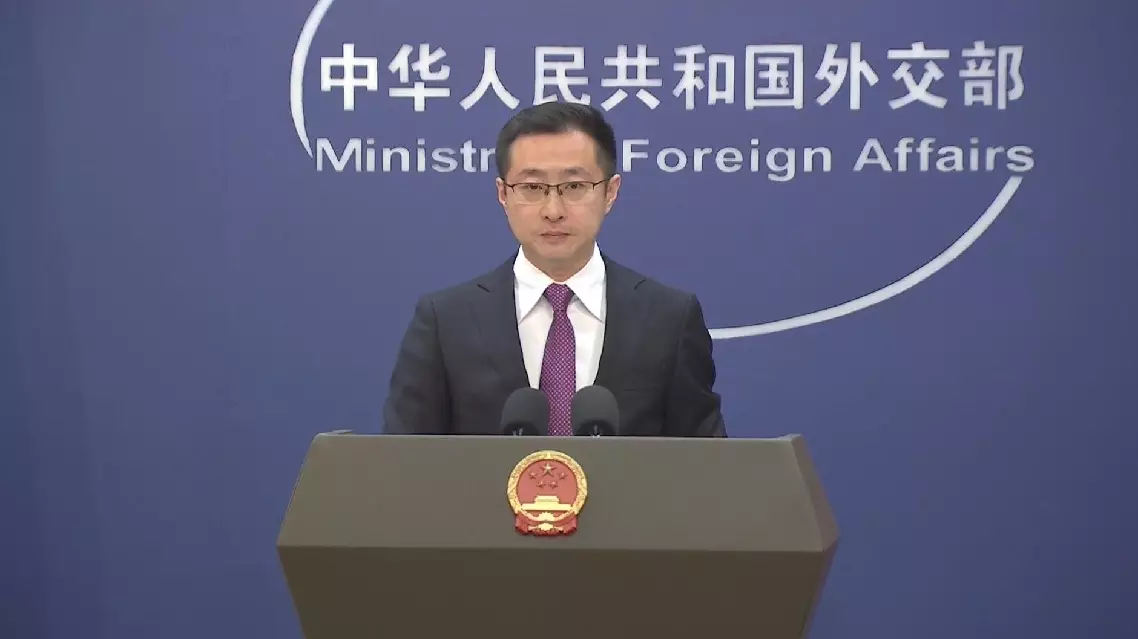
China urges Japan to face up to and reflect on the history of aggression, and act prudently on historical issues such as the issue of the Yasukuni Shrine, Foreign Ministry spokesman Lin Jian said on Monday at a press briefing in Beijing.

Lin made the remarks in response to a media query about Japanese Prime Minister Sanae Takaichi's claim in a Fuji Television Network Inc. program on Sunday night. Takaichi said she would strive to win the understanding of the international community, including the United States, regarding her possible visit to Tokyo's notorious war-linked Yasukuni Shrine, a symbol of Japan's past brutal militarism.

"The Yasukuni Shrine is a spiritual tool and symbol of Japanese militarists' war of aggression against foreign nations. The shrine honors 14 convicted Class-A war criminals who bear grave responsibilities for the war crimes committed during that war of aggression. The core of the Yasukuni Shrine issue lies in whether Japan can correctly recognize and deeply reflect on its history of militarist aggression, which involves human conscience, the political foundation of China-Japan relations, and Japan's national credibility," he said.

"Forgetting history means betrayal, and denial of crimes spells repetition of offense. This year marks the 80th anniversary of the beginning of the work of the Tokyo Trials. In this special year, Japan should particularly face up to and reflect on its history of aggression, act prudently on historical issues such as the issue of the Yasukuni Shrine, avoid repeating past mistakes and take concrete actions to make a clear break with militarism," said Lin.
China urges Japan to act prudently on historical issues
China urges Japan to act prudently on historical issues

China urges Japan to act prudently on historical issues

China urges Japan to act prudently on historical issues

Striking natural phenomena are currently on display in different parts of China, as changing temperatures create unique and beautiful landscapes. In Xinjiang, a frozen lake has displayed massive "star" patterns, while in Shanxi, the famous Hukou Waterfall has re-emerged from its icy winter slumber.

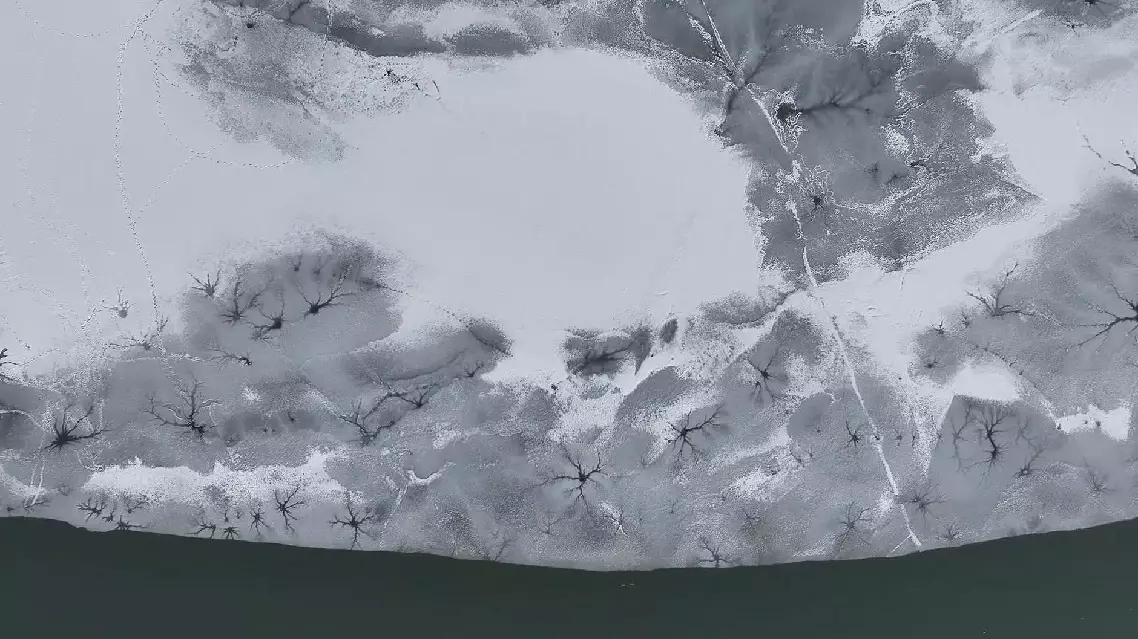
In Qapqal Xibe Autonomous County, northwest China's Xinjiang Uygur Autonomous Region, Saixi Lake is presenting a rare spectacle dubbed the "Star of the Ice Lake."

A combination of low temperatures, snowfall, and the local topography has created the stunning view. Water from beneath the frozen surface has seeped through cracks in the ice, spreading out over a thin layer of snow. This process has generated giant, star-like patterns across the lake.

Adding to the scene's mystique, another part of the lake remains unfrozen due to geothermal heat. Here, the collision of the lake's average water temperature of 28 degrees Celsius with the sub-zero air, which has dipped below minus 10 degrees Celsius, creates a misty effect over the water's surface.

Meanwhile, in border areas between Shanxi and Shaanxi provinces, the mighty Hukou Waterfall on the Yellow River is once again showcasing its spectacular cascade as ice gradually melts with rising temperatures.

As downstream water levels have receded, the drop between the upper and lower sections of the waterfall has increased to approximately 20 meters, amplifying its grandeur.

The powerful flow of the waterfall, set against the backdrop of remaining snow and ice on the riverbanks, has created a unique and picturesque scene characteristic of the seasonal transition.

Natural wonders emerge across China as seasons shift

Natural wonders emerge across China as seasons shift

Recommended Articles