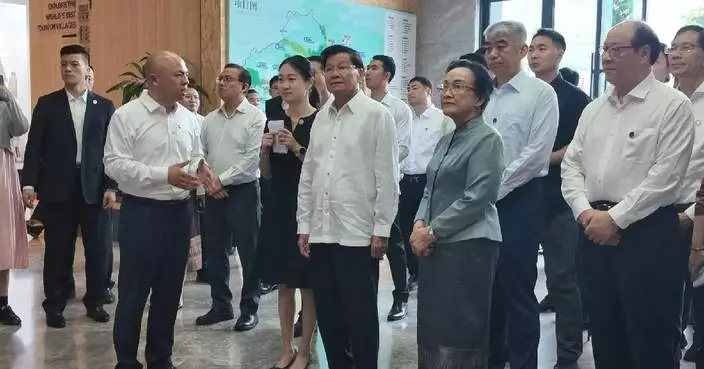
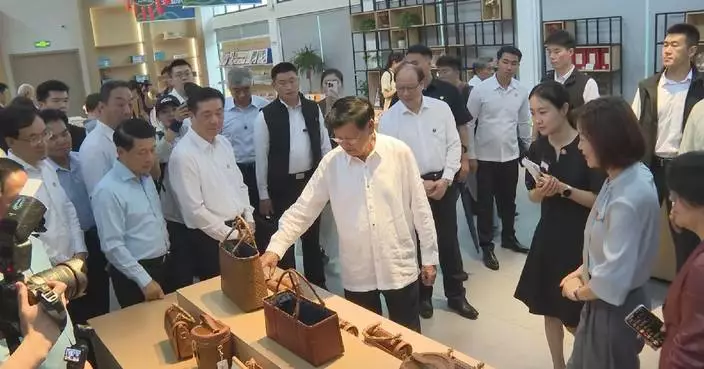
Chinese President Xi Jinping, also general secretary of the Communist Party of China Central Committee, visited an information technology (IT) innovation park in Beijing on Monday morning.
At the park, Xi learned about IT application and innovation, and was briefed on Beijing's efforts to expedite the development of an international sci-tech innovation center.
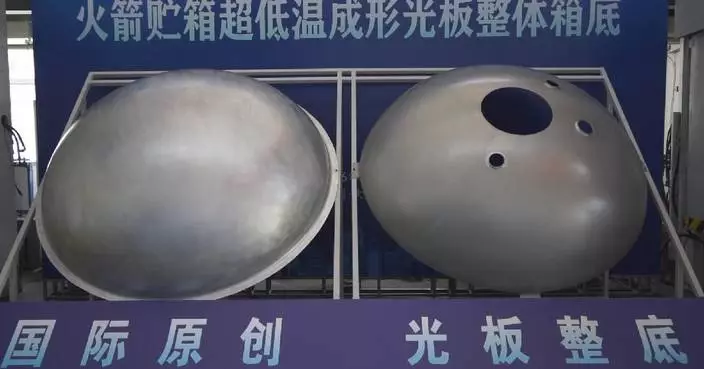
Xi checked the display of sci-tech innovation outcomes, and talked with researchers and heads of sci-tech enterprises.
Located by the Tongming Lake in southeast Beijing's Yizhuang area, the park was established in 2019 by China's Ministry of Industry and Information Technology and the Beijing Municipal Government to coordinate resources and accelerate the shift of sci-tech breakthroughs from laboratory to industry.
The park, with an area of 1.7 million square meters, is home to over 90 percent of China's leading IT firms, hosting about 1,000 companies.
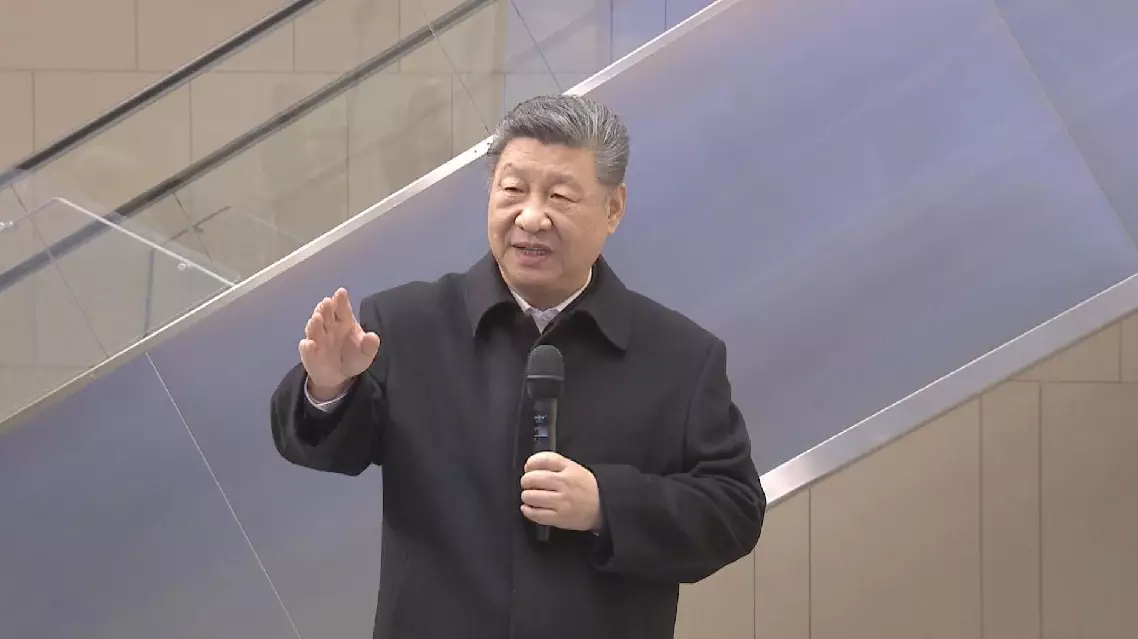
Xi visits IT innovation park in Beijing
A proposed bill on the management of the Strait of Hormuz has entered the review stage at Iran's Supreme National Security Council and will be submitted to parliament for debate and voting after final conclusions are reached, Iran's semi-official Mehr News Agency reported on Wednesday.
No details about the bill's contents were disclosed.
According to the report, work on the legislation has been underway for some time. In addition to the parliamentary review process, several specialized parliamentary committees have participated in studying and assessing the proposal, including the National Security and Foreign Policy Committee, the Construction Committee, and the Councils and Internal Affairs Committee.
The report said the committees and several lawmakers had previously submitted separate proposals and drafts. Following a process of coordination and consolidation, a unified text has been prepared and is awaiting further review.

Iran moves forward with review of Strait of Hormuz management legislation: media