Second-hand home transactions hit a 10-month high in January in Shenzhen City, south China's Guangdong Province, according to data from the city's real estate information platform.
Cumulative online transactions for new and resale homes in January 2026 reached over 10,000 units, remaining largely unchanged from December 2025.
This defied the typical pre-Spring Festival decline in transaction volumes, extending the recovery trend observed at the end of last year.
Notably, the second-hand housing market emerged as a bright spot, with January's transaction volume hitting a 10-month high. This also marks the 11th consecutive month that the market has recorded over 5,000 transactions.
In January, Shenzhen's resale housing market led the recovery with a significant increase in transaction volume.
Data from the Shenzhen Real Estate Intermediary Association showed that 6,802 second-hand home transactions were recorded citywide in January, a 2.9 percent month-on-month increase and a 45.5 percent year-on-year surge, the highest level in nearly 10 months.
"In January 2026, second-hand home transactions exceeded 1,600 units for four consecutive weeks. Multiple stores I oversee saw month-on-month spikes of 70 percent to 80 percent. Most transactions involved move-up homes such as swapping smaller units for larger ones or moving from older to newer residential communities," said Chen Jian, regional manager of a local real estate agency.
At multiple intermediary stores, first-time homebuyers are making decisions much faster, with some even scheduling follow-up viewings and price negotiations on the same day.
Meanwhile, sellers are holding back listings, especially in prime districts like Futian and Nanshan.
Data from Leyoujia Research Center show that Shenzhen's second-hand home listing prices have hovered around 60,000 yuan (about 8646.84 U.S. dollars) per square meter for three consecutive months.
"We achieved last month's total transaction volume in just ten days. Expectations between our clients and property owners are gradually aligning as buyers perceive this as a market bottoming phase, while sellers are eager to offload their properties. This convergence of interests leads to swift consensus," said Jia Zhonghua, branch store manager of a Shenzhen real estate agency.
Statistics from Shenzhen Real Estate Intermediary Association showed that the four core districts -- Longgang, Futian, Luohu, and Nanshan -- accounted for over 70 percent of the city's total resale home transactions, driving the market recovery.
Among them, Longgang District recorded 1,454 transactions in January, maintaining its position as the city's top performer. Futian followed with 1,176 transactions. Yantian District led the growth with a 35.1-percent month-on-month increase, while districts like Guangming and Longhua also saw robust growth.
"I used to live in Longhua, but now I might move to this district (Nanshan) for convenient commute," said a homebuyer.
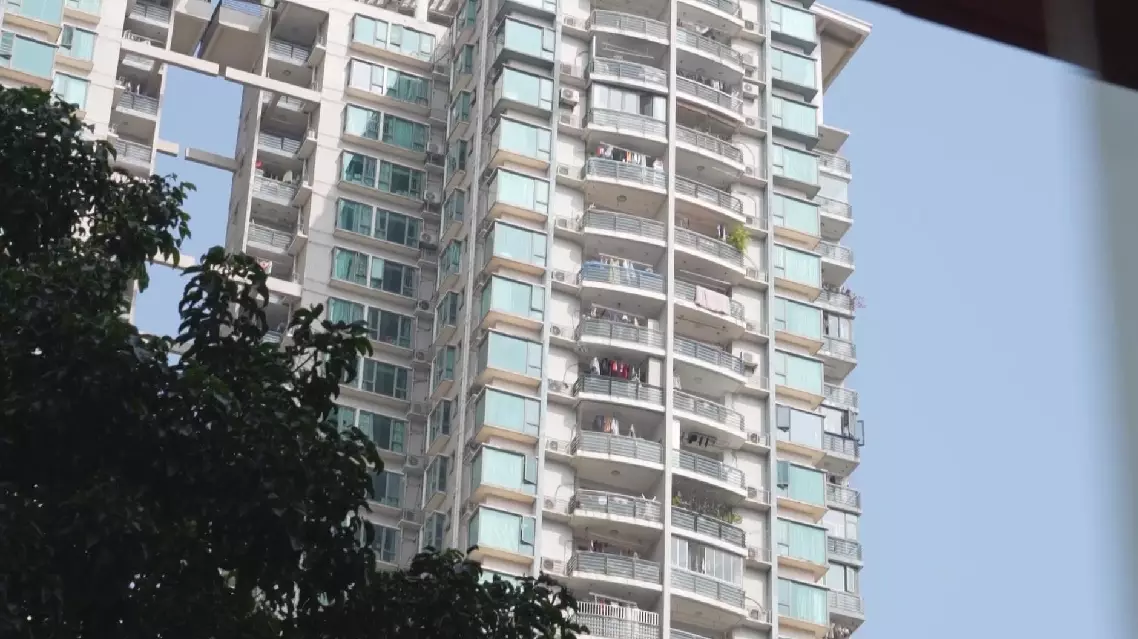
Shenzhen's second-hand home transactions hit 10-month high in January: data
Xi Jinping, general secretary of the Communist Party of China (CPC) Central Committee and Chinese president, said on Monday that the relationship between China and the Democratic People's Republic of Korea (DPRK) stands at a new historical starting point.
Xi arrived in the DPRK capital of Pyongyang earlier on Monday to begin a two-day state visit at the invitation of Kim Jong Un, general secretary of the Workers' Party of Korea and president of the State Affairs of the DPRK, marking his first trip to the country in seven years.
Delivering a speech at a welcome banquet hosted by Kim, Xi pointed out that China and the DPRK, linked by mountains and rivers and sharing a common future, have seen their traditional friendship passed down across generations and grow ever stronger over time through the test of the evolving international landscape.
This year marks the 65th anniversary of the China-DPRK Treaty of Friendship, Cooperation and Mutual Assistance, and the China-DPRK relationship stands at a new historical starting point, Xi said, noting that he has reached important consensus with Kim during his visit.
From the strategic perspective of the future and destiny of socialism, both leaders have agreed to seize the general trend of the times, respond to the shared aspirations of the two peoples, strengthen high-level exchanges, deepen strategic communication, expand practical cooperation, enhance people-to-people bonds, promote the high-level development of China-DPRK relations, jointly open up brighter prospects for the socialist cause of both countries, and contribute to the continuous progress of human society, Xi said.
The successful convening of the Ninth Congress of the WPK this year has made strategic plans and major arrangements for the long-term development of the Party and the country's cause, ushering in a new period of comprehensive development of the DPRK's socialist cause, Xi said.
As good neighbors, good friends and good comrades, the Chinese side sincerely wishes that, under the strong leadership of the Central Committee of the WPK headed by General Secretary Kim, the DPRK people will successfully accomplish the goals and tasks set by the Ninth Congress of the WPK and make constant new achievements in the socialist cause of the DPRK, Xi said.
On behalf of the WPK, the government and the people of the DPRK, Kim extended the warmest welcome to Xi on his visit. Kim said that Pyongyang was filled with an atmosphere of friendship on this special day as the DPRK's Party, government and people warmly welcomed their most distinguished guest.
Noting that Xi's first overseas trip of the year had brought him to the DPRK, Kim said this fully demonstrated the great importance Xi attached to developing relations between the two parties and the two countries, and constituted the most valuable support for the DPRK's socialist cause.
Noting the meeting with Xi came nine months after their previous meeting, Kim said that during this meeting, they reached important consensus on further advancing DPRK-China relations with new contemporary connotations in light of new changing circumstances, and exchanged views on international and regional issues of mutual concern, which will surely accelerate the development of the DPRK-China friendship with profound historical traditions, and contribute to peace and stability in the region and the world.
The DPRK people take heartfelt joy in the remarkable achievements made by the brotherly Chinese people, Kim said, expressing belief that under the leadership of the CPC with Xi at its core, the great Chinese people will surely create greater achievements in building a great modern socialist country in all respects, realizing the Second Centenary Goal, and completing the new journey toward the great rejuvenation of the Chinese nation.
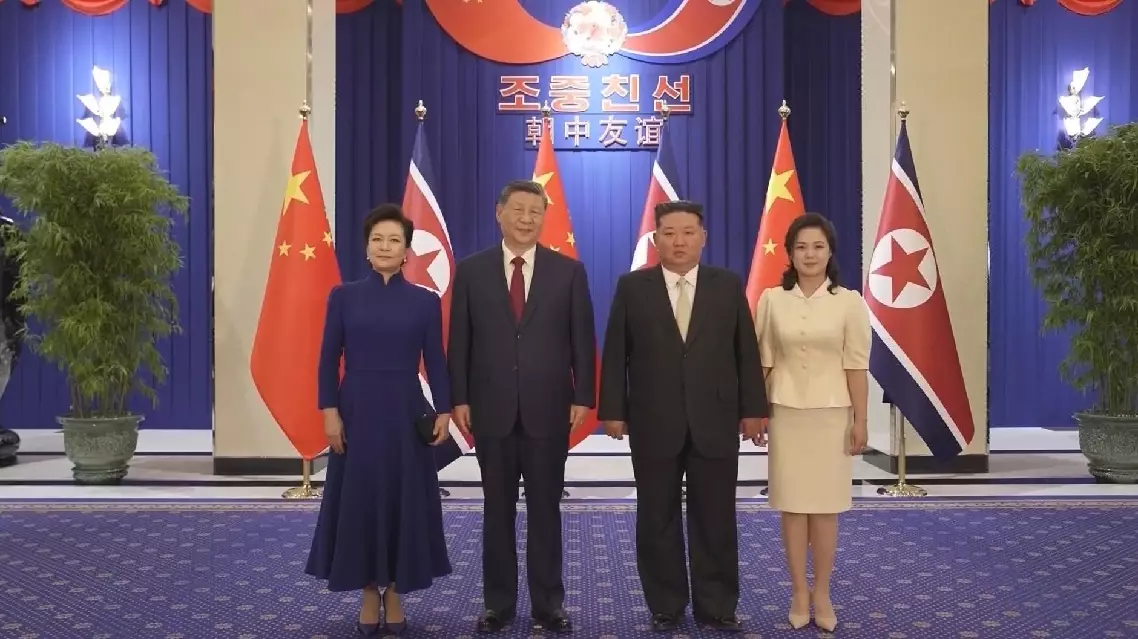
Xi says China-DPRK ties stand at new historical starting point