China calls on individuals and groups in Japan with influence and insight to carefully consider the risks posed by the country’s right-wing forces following the recent general election, said Chinese Foreign Ministry Spokesman Lin Jian at a regular press briefing in Beijing on Monday.
Lin was responding to a media query about numerous posts on Chinese social media that have voiced concern over a perceived rightward shift in Japan.
"Japanese militarists once led Japan to the war of aggression, committed horrendous crimes to Japan’s Asian neighbors and the world, and also inflicted untold suffering on the Japanese people. No one should forget the potent lessons of history. Only by truly learning those lessons can one look to the future. Whether Japan will stick to the path of peaceful development and take concrete actions to earn the trust of its Asian neighbors and the international community, or go against the trend of history and challenge the post-war international order, is a serious question for those running the Japanese government and people with insights in Japan," he said.
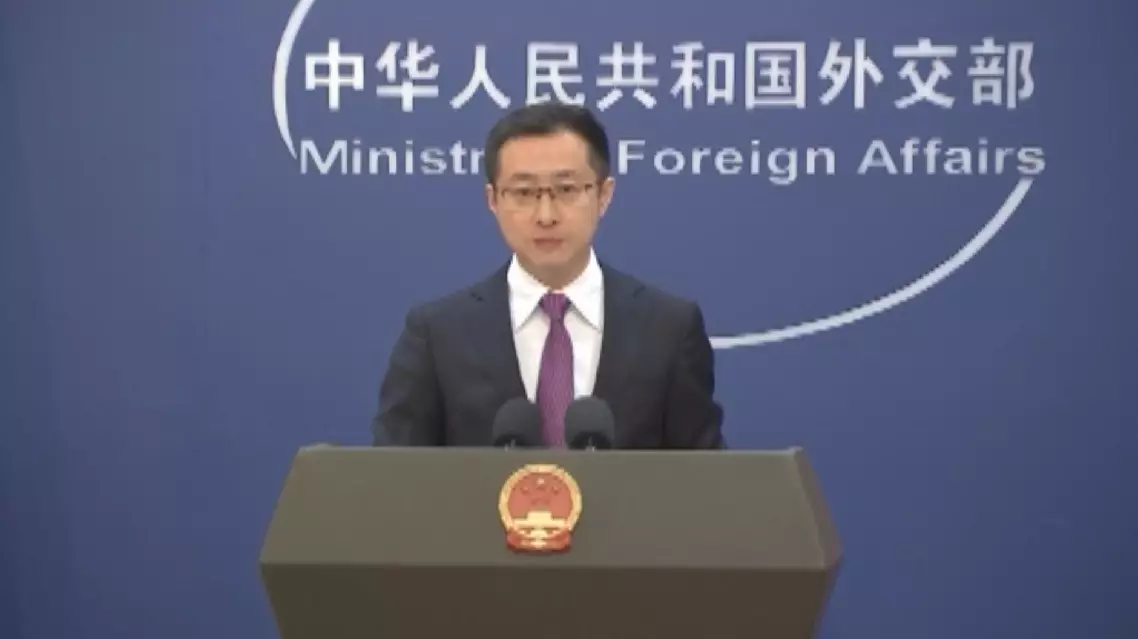
China urges people with insights in Japan to consider risks by Japanese right-wing forces
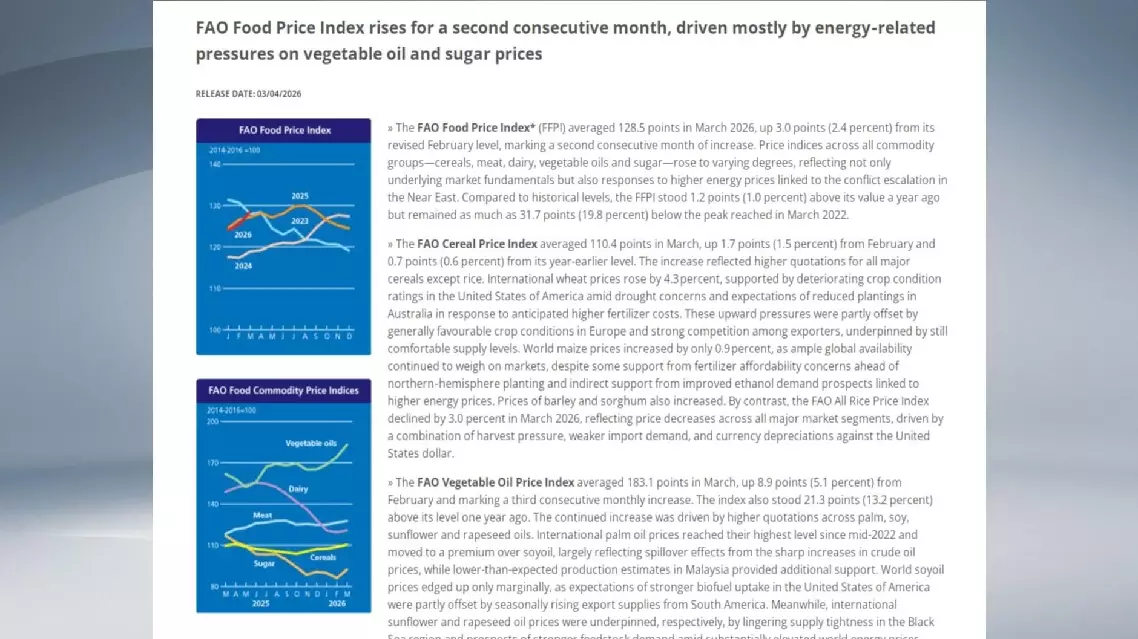
Global food commodity prices climbed for a second consecutive month in March, driven mainly by higher energy costs linked to escalating conflict in the Middle East, the Food and Agriculture Organization of the United Nations (FAO) said in report released on Friday.
The FAO Food Price Index, which tracks monthly changes in the international prices of a basket of globally traded food commodities, averaged 128.5 points in March, up 2.4 percent from February and 1.0 percent above its level a year ago.
According to the report, the FAO Vegetable Oil Index and Sugar Price Index showed the largest increases, up 5.1 percent and 7.2 percent, respectively.
The FAO Cereal Price Index increased by 1.5 percent from the previous month, driven primarily by higher world wheat prices, which rose 4.3 percent.
The FAO Meat Price Index rose by 1.0 percent from the previous month, and the FAO All-Rice Price Index declined by 3.0 percent in March, according to the report.
FAO stated that rising energy and fertilizer prices have been driving up agricultural input costs.
If the conflict stretches beyond 40 days, farmers will have to choose to farm the same with fewer inputs, plant less, or switch to less intensive fertilizer crops, according to FAO Chief Economist Maximo Torero.
These choices will hit future yields and shape food supply and commodity prices for the rest of this year and beyond, Torero said.
Global food prices rise for 2nd consecutive month in March amid Middle East conflict: FAO