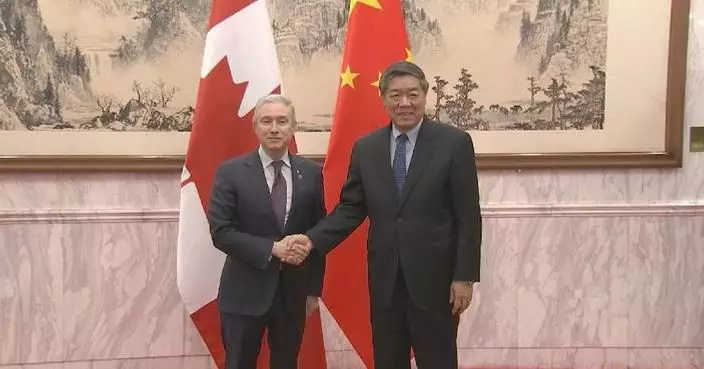
The opening session of the First Senior Officials' Meeting of APEC China 2026 was held in south China's Guangzhou City, Guangdong Province, on Tuesday morning.
Themed "Building an Asia-Pacific Community to Prosper Together", the meeting focused on openness, innovation and cooperation, the three priorities of the APEC "China Year".
The meeting launched cooperation across all fields and mechanisms, and held in-depth discussions on specific areas, aiming to generate outcomes for the 33rd APEC Economic Leaders' Meeting to be held in Shenzhen City from Nov 18 to 19.
Additionally, about 300 activities will also be held throughout 2026, including senior officials' meetings and ministerial meetings.
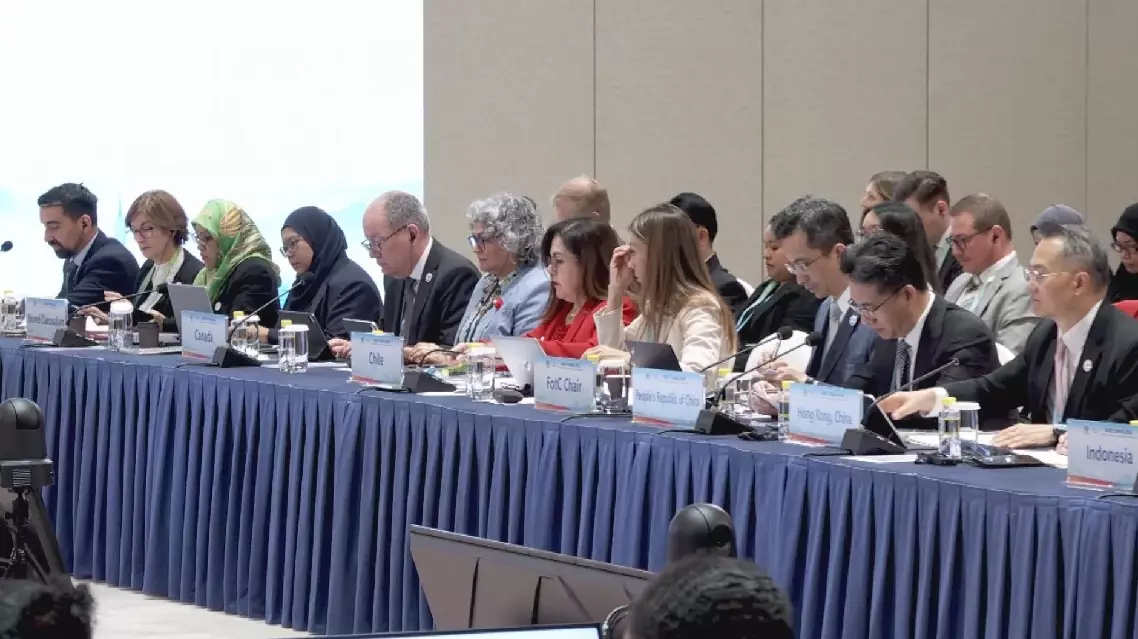
First Senior Officials' Meeting of APEC China 2026 opens in Guangzhou
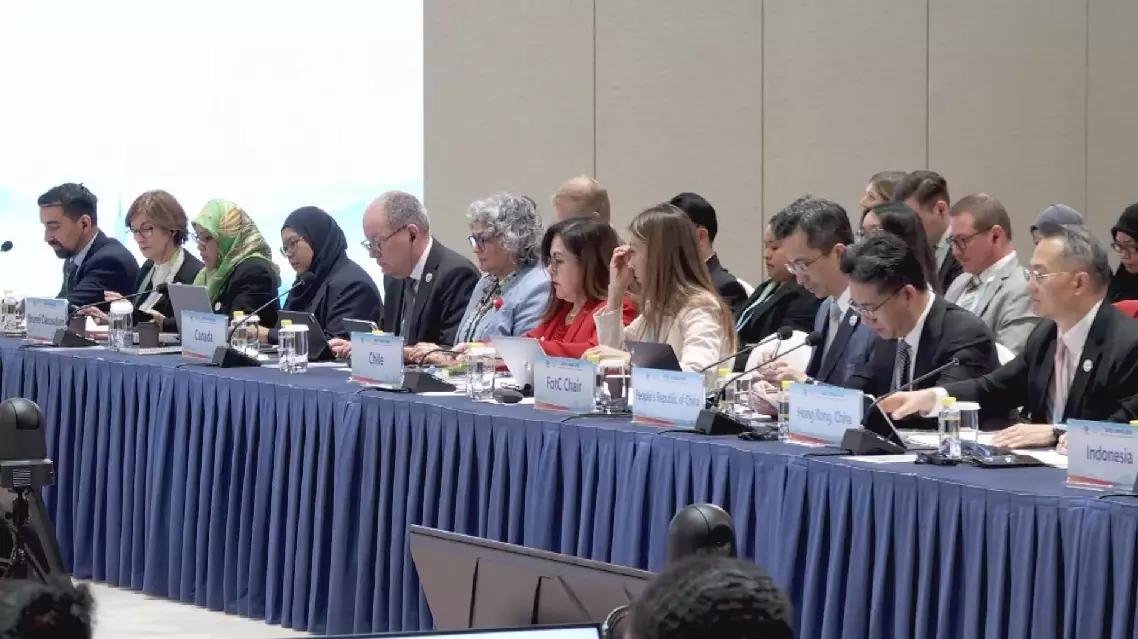
First Senior Officials' Meeting of APEC China 2026 opens in Guangzhou
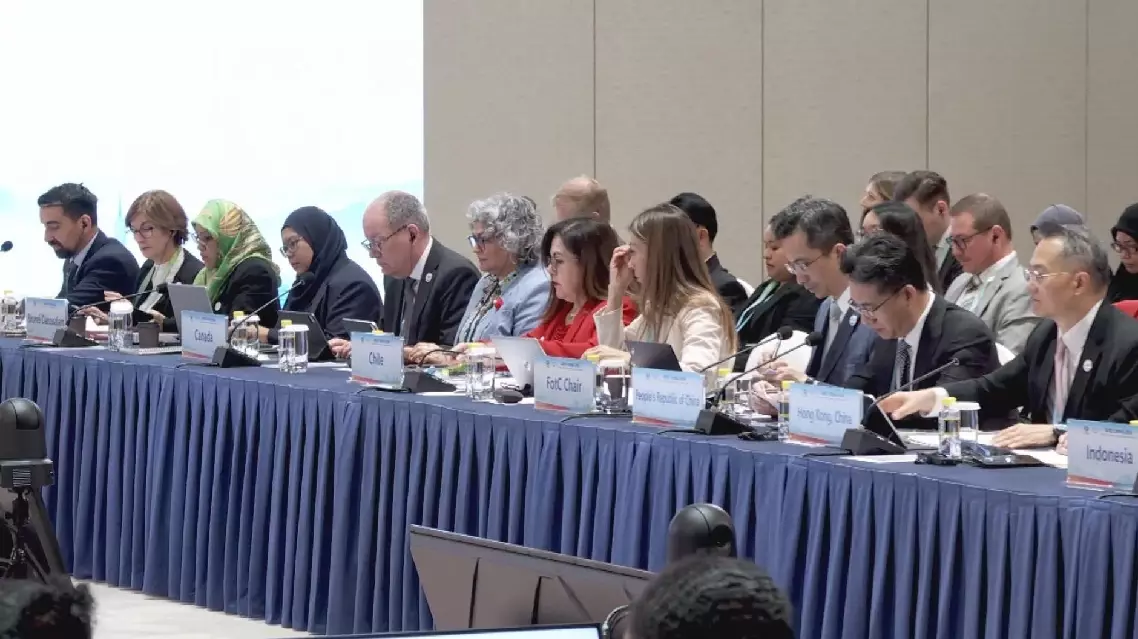
First Senior Officials' Meeting of APEC China 2026 opens in Guangzhou
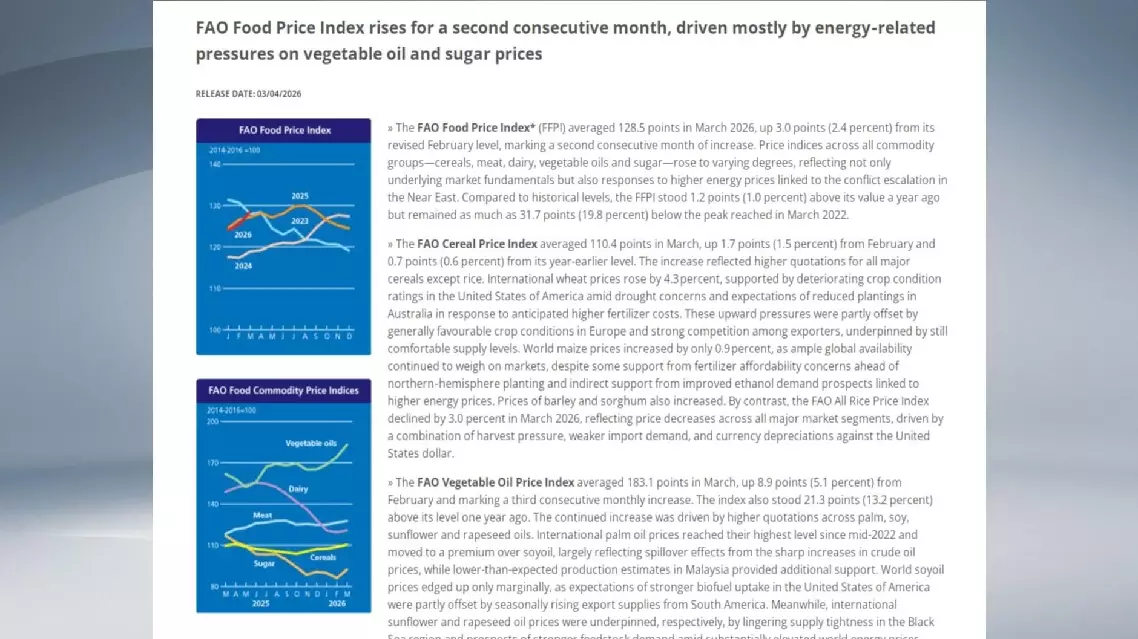
Global food commodity prices climbed for a second consecutive month in March, driven mainly by higher energy costs linked to escalating conflict in the Middle East, the Food and Agriculture Organization of the United Nations (FAO) said in report released on Friday.
The FAO Food Price Index, which tracks monthly changes in the international prices of a basket of globally traded food commodities, averaged 128.5 points in March, up 2.4 percent from February and 1.0 percent above its level a year ago.
According to the report, the FAO Vegetable Oil Index and Sugar Price Index showed the largest increases, up 5.1 percent and 7.2 percent, respectively.
The FAO Cereal Price Index increased by 1.5 percent from the previous month, driven primarily by higher world wheat prices, which rose 4.3 percent.
The FAO Meat Price Index rose by 1.0 percent from the previous month, and the FAO All-Rice Price Index declined by 3.0 percent in March, according to the report.
FAO stated that rising energy and fertilizer prices have been driving up agricultural input costs.
If the conflict stretches beyond 40 days, farmers will have to choose to farm the same with fewer inputs, plant less, or switch to less intensive fertilizer crops, according to FAO Chief Economist Maximo Torero.
These choices will hit future yields and shape food supply and commodity prices for the rest of this year and beyond, Torero said.
Global food prices rise for 2nd consecutive month in March amid Middle East conflict: FAO