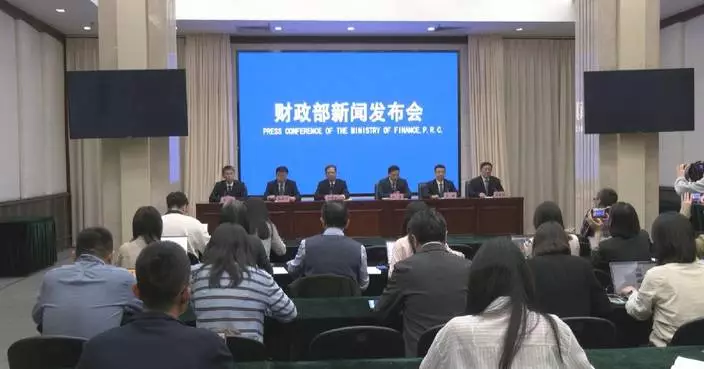
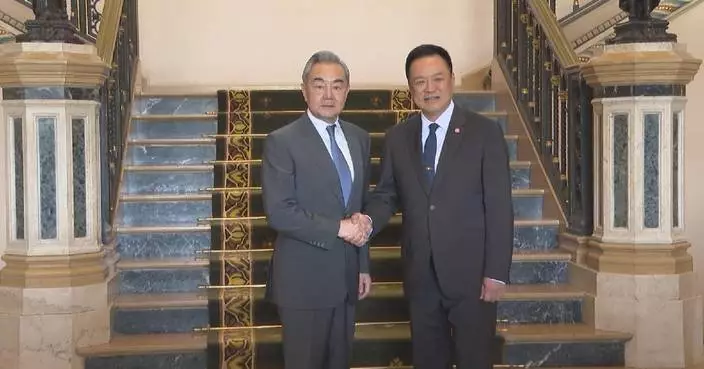
The first Senior Officials' Meeting of the Asia-Pacific Economic Cooperation of 2026 was successfully held in Guangzhou City, south China's Guangdong Province, from February 1 to 10, marking the official launch of the APEC "China Year."
As the first major event of China's host year, the meeting signals the full rollout of work across APEC's various mechanisms, with cooperation in multiple fields set to accelerate.
"During this meeting, all parties conducted in-depth discussions around the theme of 'Building an Asia-Pacific Community to Prosper Together' and the three priorities of openness, innovation and cooperation, and put forward a series of work plans. Senior officials and heads of delegations from various economies expressed their active support for China in hosting this year's meetings and pledged joint efforts to ensure fruitful outcomes for the APEC 'China Year'," said Chen Xu, Chair of the APEC 2026 Senior Officials' Meeting.
This marks the third time China has hosted APEC, and the first time in 12 years since it last served as host.
In that time, APEC member economies have maintained steady growth.
Representing nearly 40 percent of the global population, they account for more than 60 percent of global economic output and nearly half of global trade, driving the continued shift of the world's economic center of gravity toward the Asia-Pacific region.
APEC member economies have also embraced the digital era. Internet penetration across the region has risen from 52 percent to nearly 90 percent. Emerging industries such as the digital economy, artificial intelligence and new energy vehicles are flourishing, further strengthening the Asia-Pacific's position as a global hub of innovation-driven growth.
However, amid growing global uncertainties and transformation, the Asia-Pacific region faces increasing challenges. At this critical juncture, the international community has high expectations for China to lead a new chapter of Asia-Pacific cooperation in 2026.
"The world is in the (period of) very fast change, (becoming) unpredictable. The message is very clear that we need to build cooperation, we need global partnership, we need to be responsible for our next generation, we are very happy that China is trying to (advance the process of onboarding for) the FTA of the Asia Pacific. So trade is very important, trade is connecting us together. So we are supporting China on this trading and economic growth," said Rujikorn Saengchantr, Thailand's APEC senior official.
"Protectionism and unilateralism is a threat, a challenge, not just to AEPC but to the global world as well. APEC provides a platform for dialogue and for corporations, I think that AEPC showcases the importance of multilateralism," said Ding Guorong, Chairman of the APEC Economic Committee.
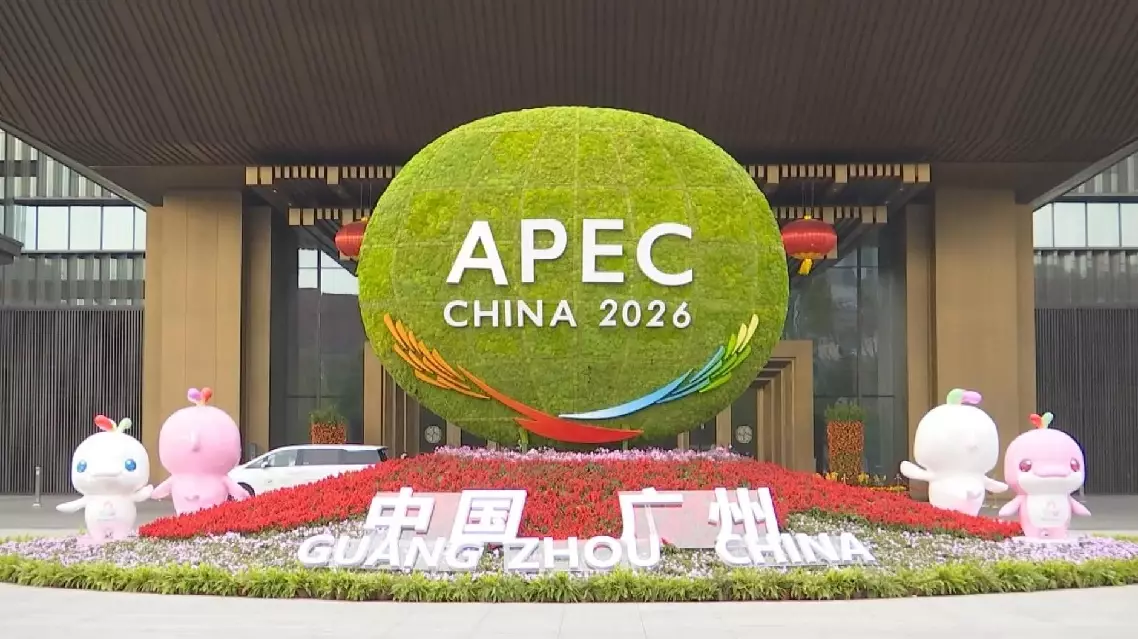
APEC China Year launches with first senior officials meeting