Skip to Content Facebook Feature Image

Japan must address 'comfort women' issue responsibly: spokesman

China

Japan must address 'comfort women' issue responsibly: spokesman
China

China

Japan must address 'comfort women' issue responsibly: spokesman

2026-02-11 16:36 Last Updated At:21:17

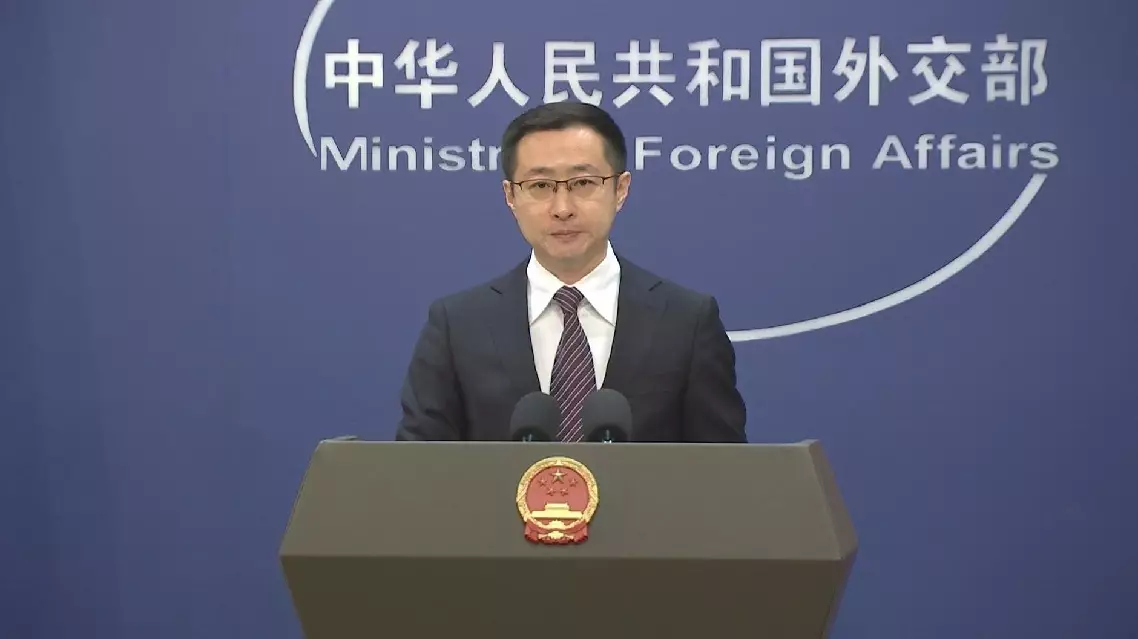
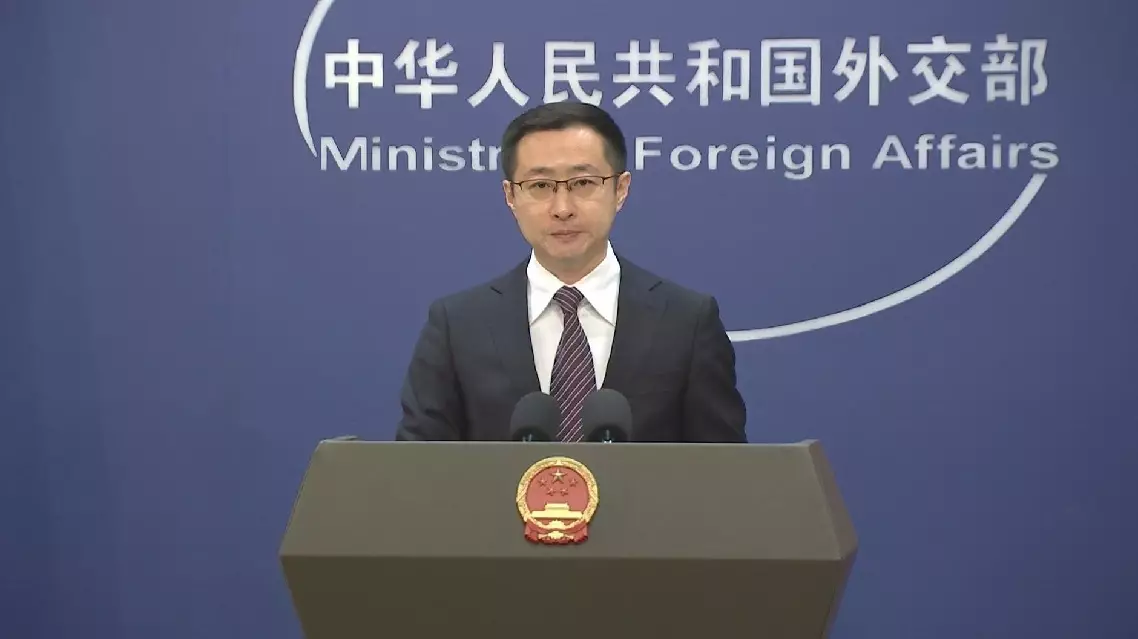
Japan must deal with issues left from the past, such as the forced recruitment of "comfort women" with honesty and responsibility, said Chinese Foreign Ministry spokesman Lin Jian at a regular press briefing in Beijing on Wednesday.

He made the comments in response to a media query about the grave concern of multiple international human rights special mechanisms over Japan's denial of the right of "comfort women" victims to seek truth and compensation.

"The forced recruitment of 'comfort women' constituted a grave crime committed by Japanese militarism and a severe violation of the rights of the victims. The evidence is irrefutable and undeniable. The international community has expressed strong indignation over this crime," he said.

"For a long time, certain forces within Japan have persistently attempted to deny or even distort the history of the forced recruitment of 'comfort women.' China expresses grave concern over Japan's incorrect and dishonest attitude and practices toward its history of aggression. We have made our position clear again this time. Japan should deeply reflect on its history of aggression and on the profound suffering its crimes inflicted upon victims. It must address issues left from the past, such as the forced recruitment of 'comfort women' in an honest and responsible manner and earn the trust of its Asian neighbors and the international community with concrete actions," said Lin.
Japan must address 'comfort women' issue responsibly: spokesman
Japan must address 'comfort women' issue responsibly: spokesman

Japan must address 'comfort women' issue responsibly: spokesman

Japan must address 'comfort women' issue responsibly: spokesman

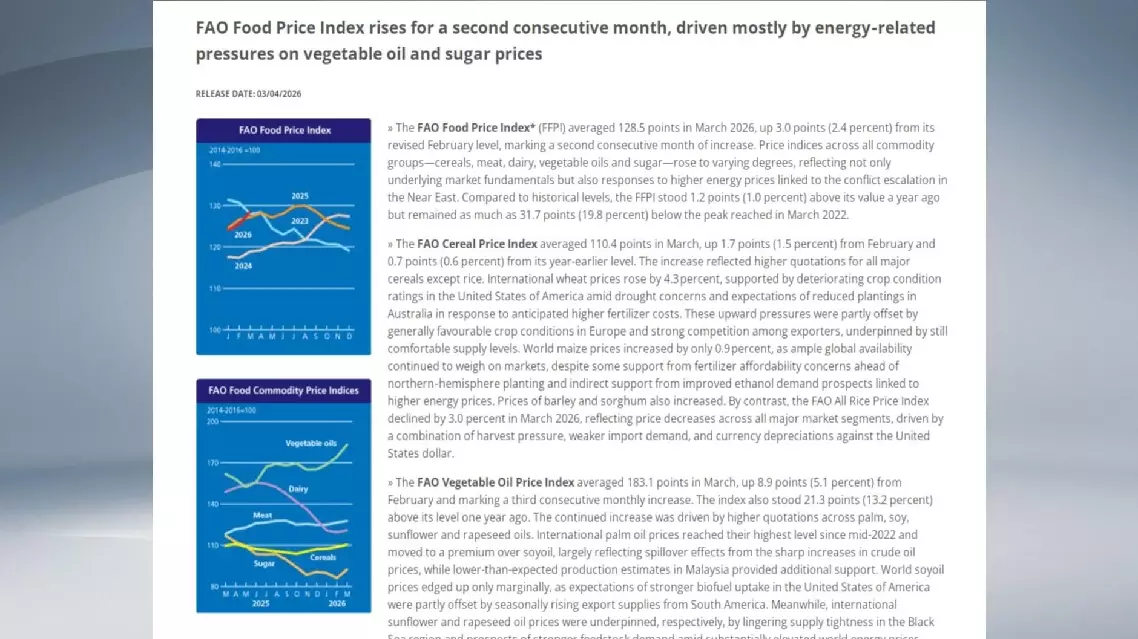
Global food commodity prices climbed for a second consecutive month in March, driven mainly by higher energy costs linked to escalating conflict in the Middle East, the Food and Agriculture Organization of the United Nations (FAO) said in report released on Friday.

The FAO Food Price Index, which tracks monthly changes in the international prices of a basket of globally traded food commodities, averaged 128.5 points in March, up 2.4 percent from February and 1.0 percent above its level a year ago.

According to the report, the FAO Vegetable Oil Index and Sugar Price Index showed the largest increases, up 5.1 percent and 7.2 percent, respectively.

The FAO Cereal Price Index increased by 1.5 percent from the previous month, driven primarily by higher world wheat prices, which rose 4.3 percent.

The FAO Meat Price Index rose by 1.0 percent from the previous month, and the FAO All-Rice Price Index declined by 3.0 percent in March, according to the report.

FAO stated that rising energy and fertilizer prices have been driving up agricultural input costs.

If the conflict stretches beyond 40 days, farmers will have to choose to farm the same with fewer inputs, plant less, or switch to less intensive fertilizer crops, according to FAO Chief Economist Maximo Torero.

These choices will hit future yields and shape food supply and commodity prices for the rest of this year and beyond, Torero said.

Global food prices rise for 2nd consecutive month in March amid Middle East conflict: FAO

Global food prices rise for 2nd consecutive month in March amid Middle East conflict: FAO

Recommended Articles