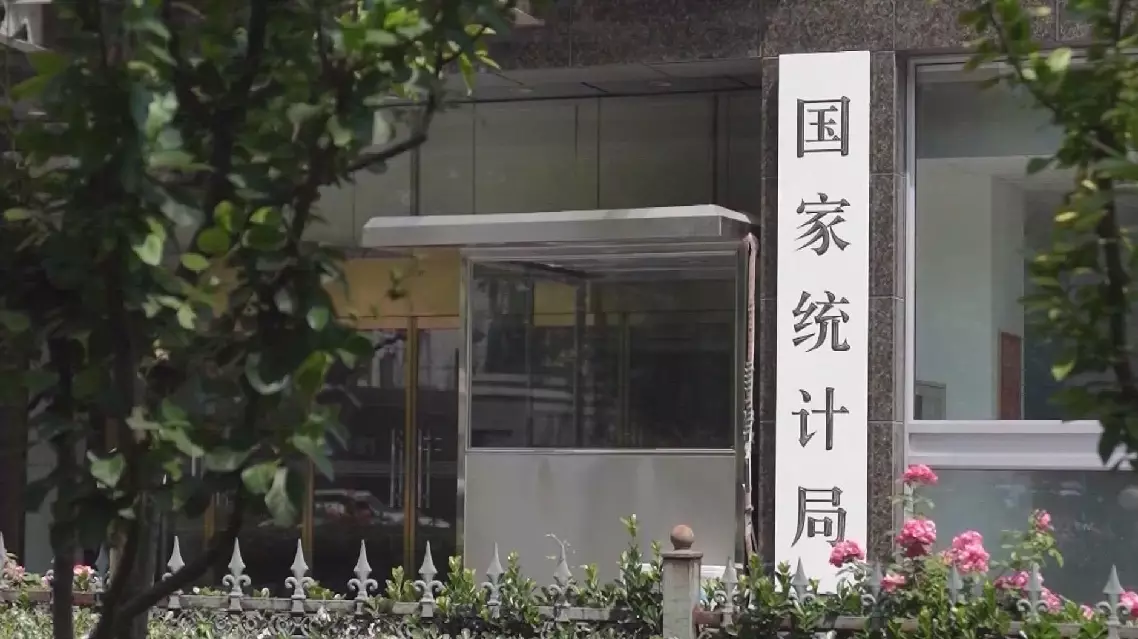
China saw signs of improvement in factory-gate prices in January 2026, with the decline in its producer price index (PPI) continuing to narrow, official data showed Wednesday.
The PPI, which measures costs for goods at the factory gate, went down 1.4 percent year on year in January, narrowing by 0.5 percentage points compared to the previous month, the National Bureau of Statistics (NBS) said.
On a monthly basis, the PPI rose 0.4 percent in January, 0.2 percentage points higher than the increase recorded in December, according to the NBS data.
The National Bureau of Statistics attributed this improvement to steady progress in building a unified national market, rising demand in some sectors, and price transmission from international commodity markets.
The data comes at a time when the Chinese government is intensifying efforts to boost domestic demand.
Last month, China unveiled a comprehensive policy package, leveraging fiscal and financial synergy to boost consumption and energize private investment.
The National Development and Reform Commission (NDRC), the country's top economic planner, also pledged to formulate a strategic implementation plan for expanding domestic demand for the 2026-2030 period.
The NDRC said the plan aims to adapt to consumption upgrades and technological shifts, fostering a virtuous cycle where "new demand steers new supply and new supply creates new demand" through robust innovation support.
""As measures to improve supply-demand coordination and curb disorderly competition continue to take effect, prices in some industries have improved. The year-on-year price trend in the electrical machinery and equipment manufacturing industry turned positive after 33 months. Price declines in the ferrous metal smelting and rolling processing industry as well as the non-metallic mineral products industry are also beginning to narrow," said He Xiaoying, deputy director of analysis and forecasting division of the Price Monitoring Center at the NDRC.
China's factory-gate prices see narrower decline in January